Buy Now
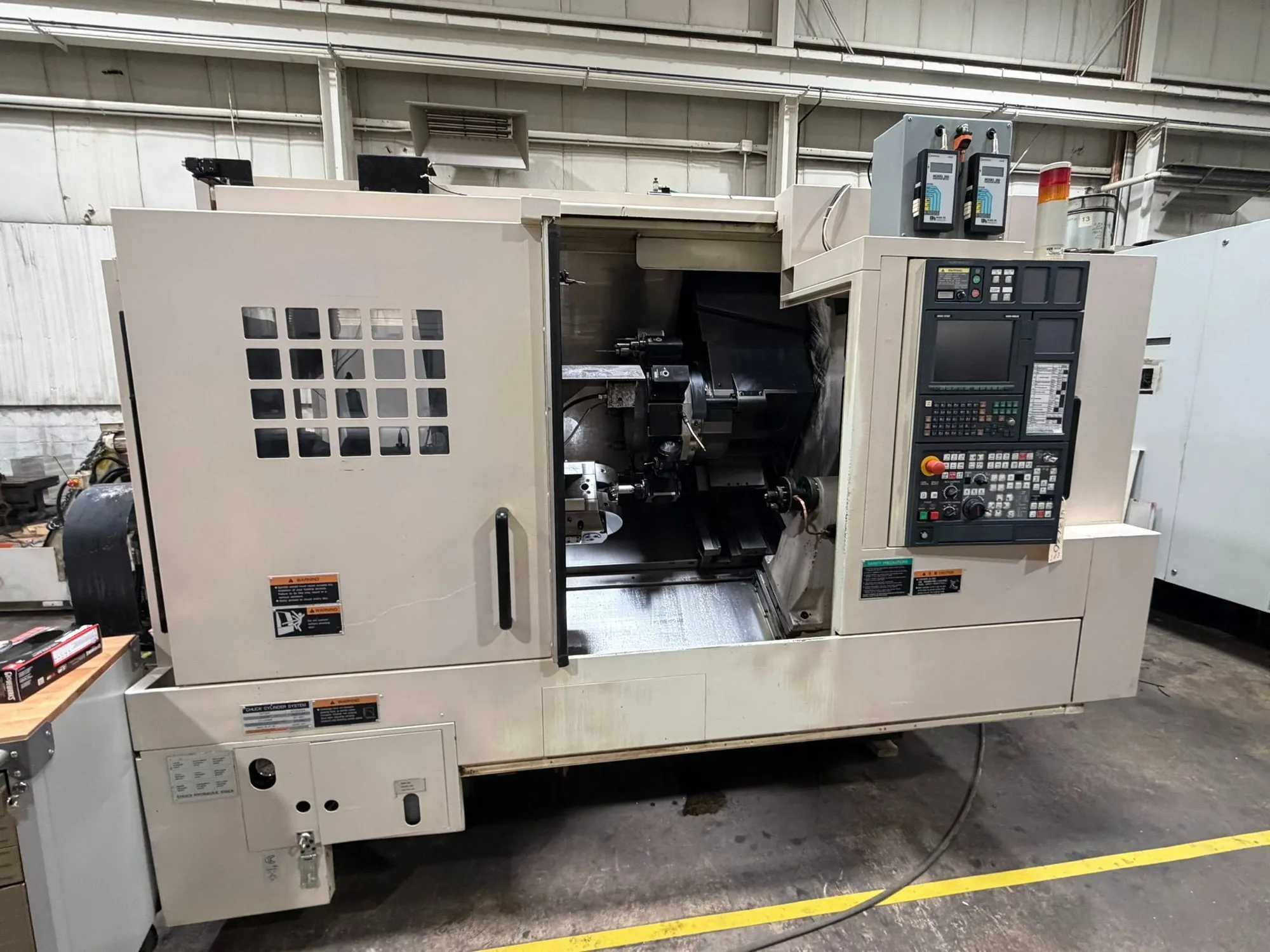
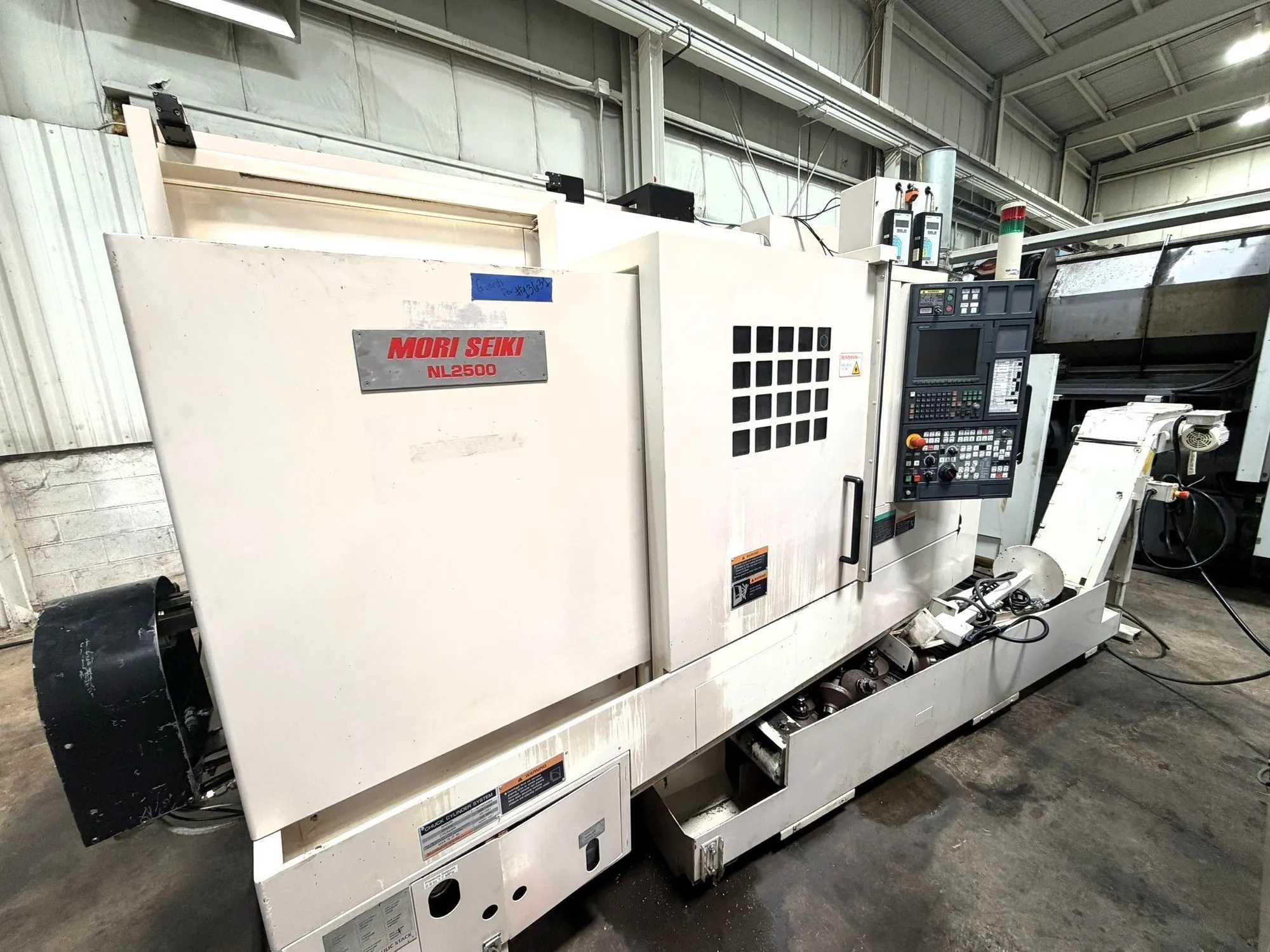
2008 Mori Seiki NL2500Y/700 CNC Lathe, 4,000 RPM, 25 HP, Y-Axis, MSX-850
$49,500
$820/moIllinois
Specifications & Market Value
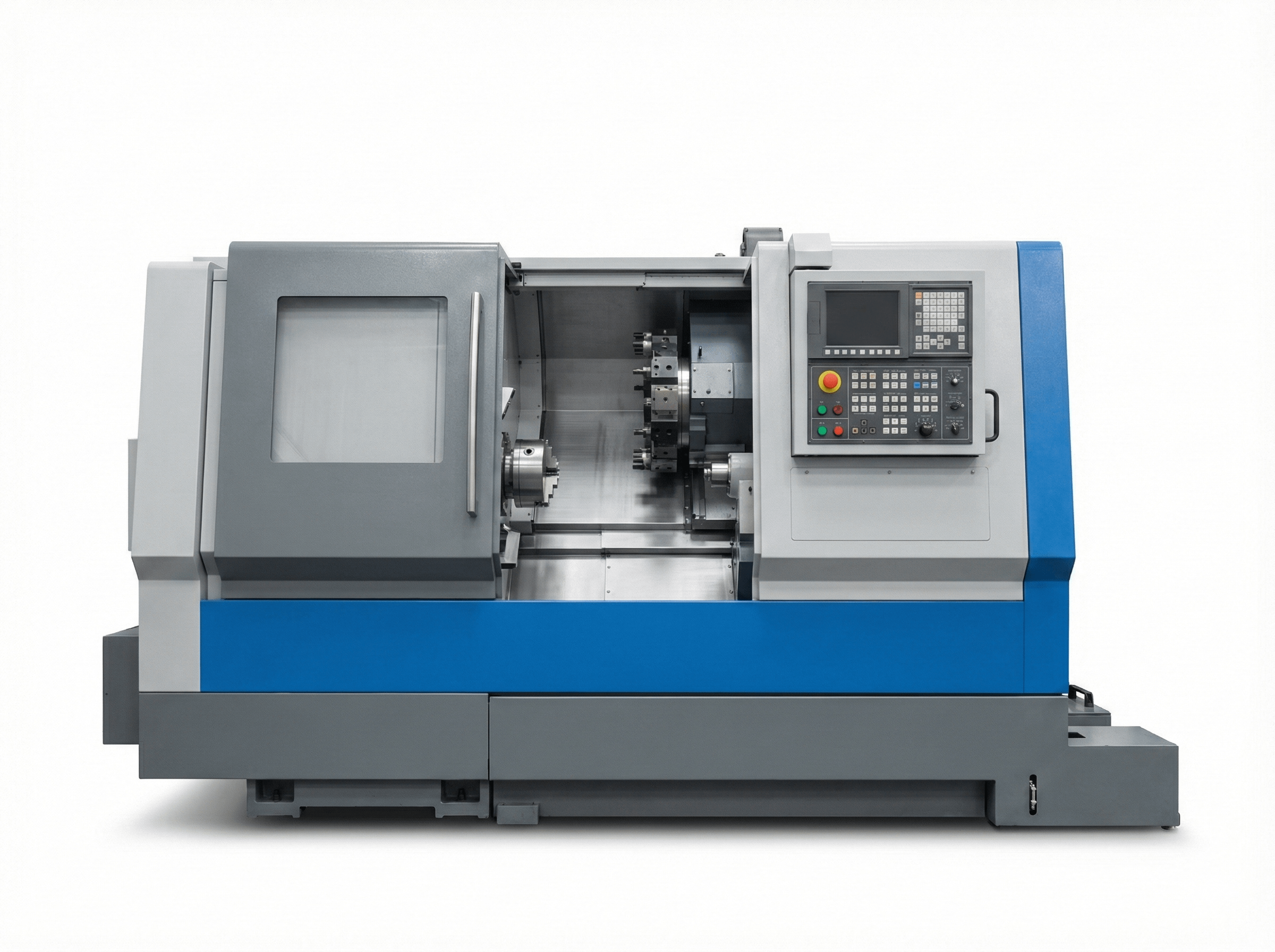
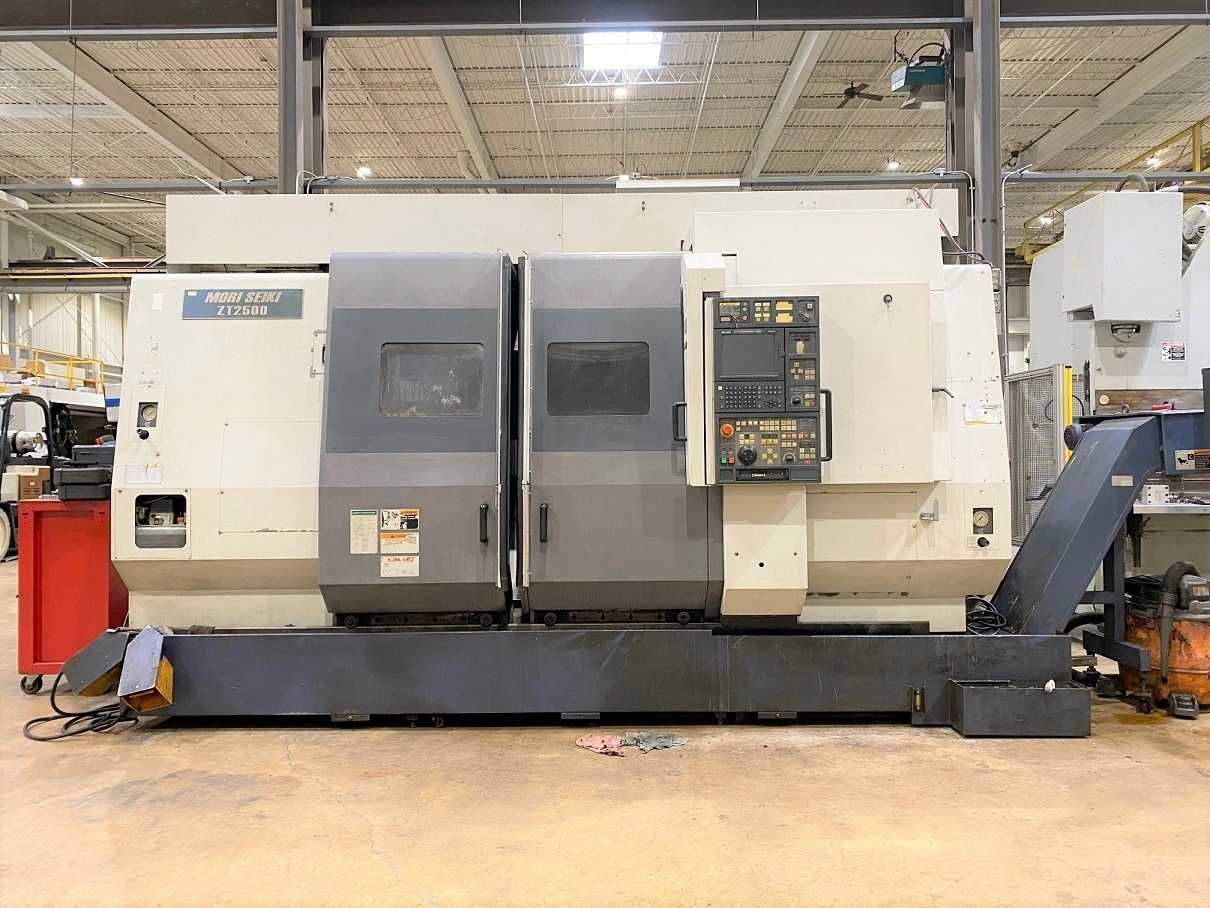
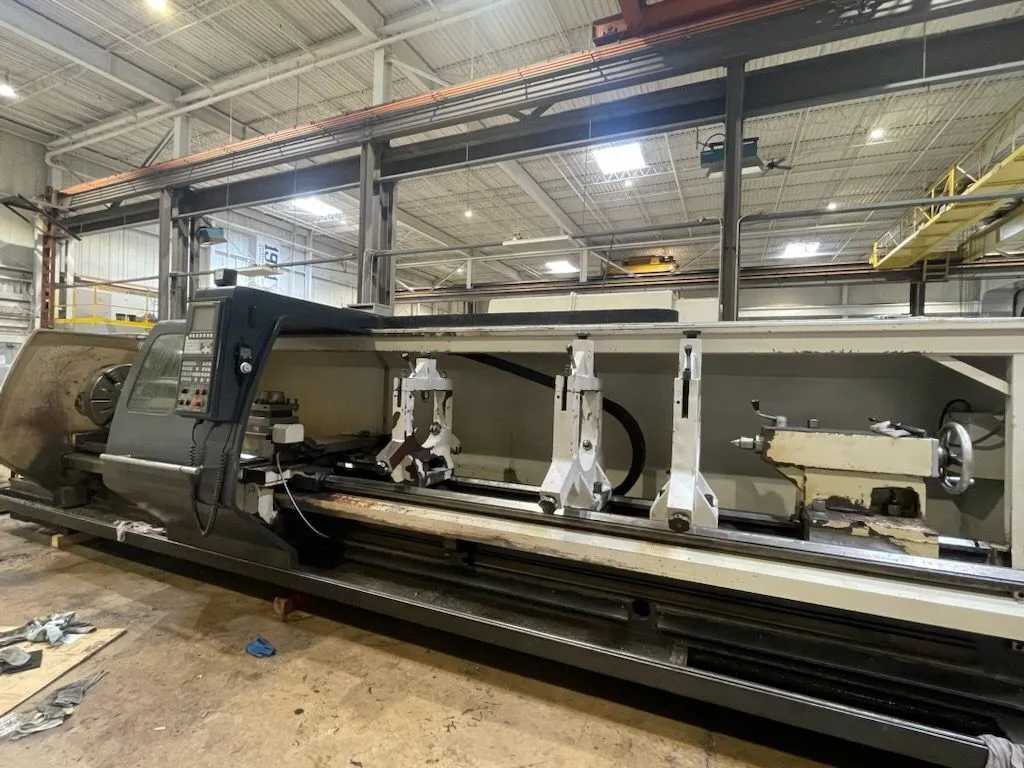
 Reference image
This lathe is powered by a robust 29.8 kW motor, capable of delivering a maximum spindle speed of 550 RPM, making it suitable for heavy-duty machining tasks that require substantial torque at lower speeds. The machine includes a tailstock, enhancing support for long workpieces during turning, drilling, or reaming operations, which improves precision and stability. The control system details are unspecified, indicating a possibility of either manual or CNC control yet to be defined. The lathe’s power rating and RPM range suggest it is designed for industrial applications, likely handling medium to large diameter workpieces with significant material removal. The combination of high power and relatively low maximum RPM is typical for machining operations involving tougher materials or larger parts where cutting forces are substantial. Availability of a tailstock adds versatility, enabling both turning and support for taper or drilled holes. Without specific control information, the operational capabilities and automation level remain undetermined, which influences user interaction and process programming. Overall, this machine is well-suited for precision turning tasks where power and workpiece support are critical, although final suitability depends on detailed specifications such as swing diameter, bed length, and tooling, which are not provided here.
Specifications, market trends, and valuation estimates are compiled from manufacturer documentation, historical sales, and industry sources. While care is taken to ensure accuracy, this information is provided for reference purposes only and may contain errors or omissions. Users should independently verify all data before making buying or selling decisions. Valuations do not represent guaranteed transaction prices or binding offers, and Aucto assumes no liability for decisions made using this data.
Spot an error or missing detail? Help us keep our equipment guides accurate for the community.

 A+
A+ Auction Value
$33,925
 Range$5,000 – $49,500
 Sells in ~ 30 days
 Retail Value
—
Sells in ~ 180 days
Item functions as originally intended, shows signs of normal wear. Change the condition to see how it moves both values.
| Attribute | SelectedMORI SEIKI LL-8B/2500 CNC LATHE | MORI SEIKI LL-7B/3500 CNC LATHE | |
|---|---|---|---|
| OEM | MORI SEIKI | MORI SEIKI | |
| Model | LL-8B/2500 | LL-7B/3500 | |
| Year | - | - | |
| Max Spindle Speed | 550 RPM | 750 RPM | |
| X-Axis Travel | 28.10 '' | 26.60 '' | |
| Z-Axis Travel | 98.50 '' | 138.00 '' | |
| Control System | FANUC 6T | — | |
| Similarity | — | 98% | |
| Auction Value$5,000 - $49,500Retail Value— | Auction Value$5,000 - $38,500Retail Value— | |
| Current Machine | View Details |
Marketplace