Buy Now
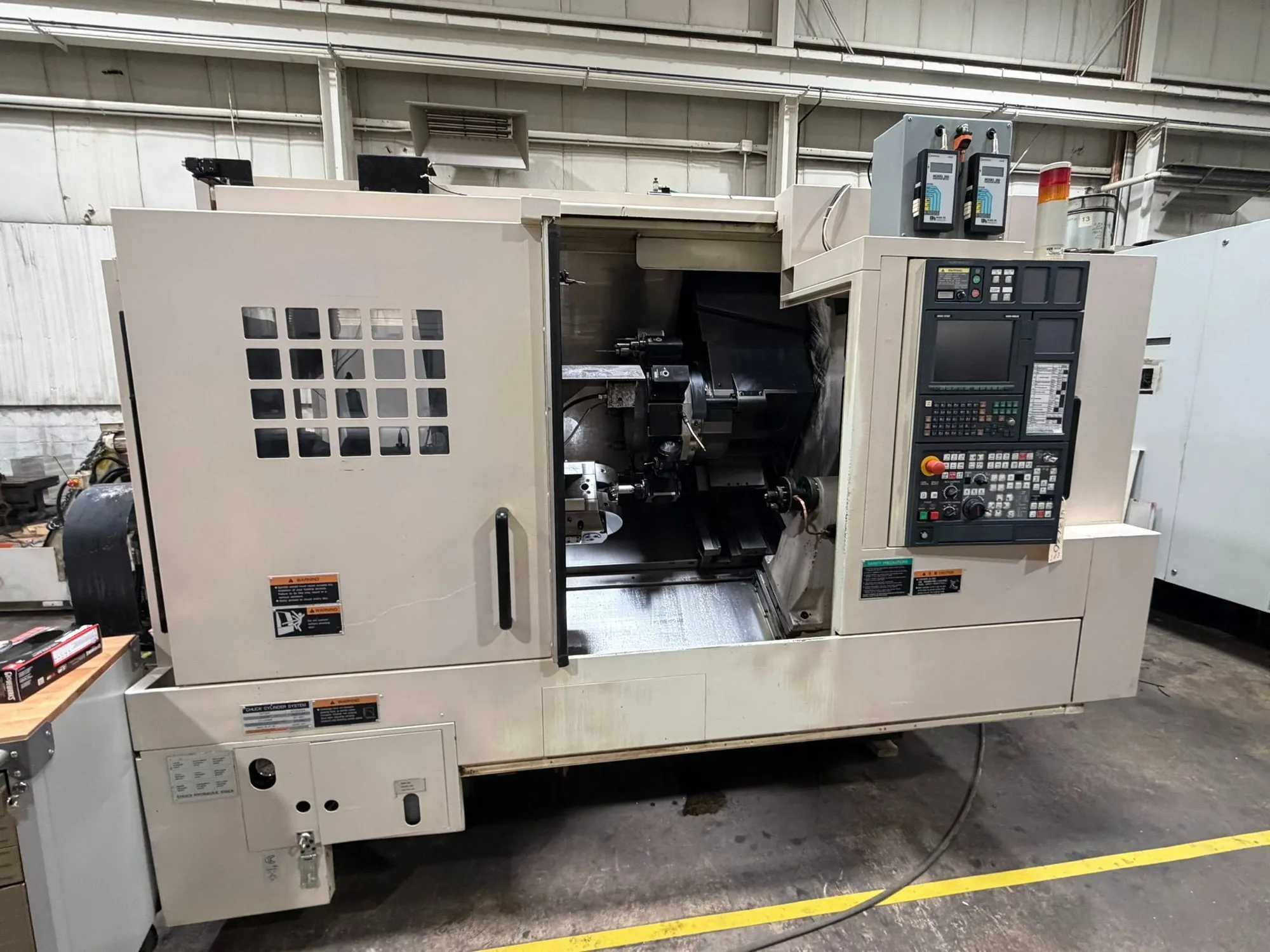
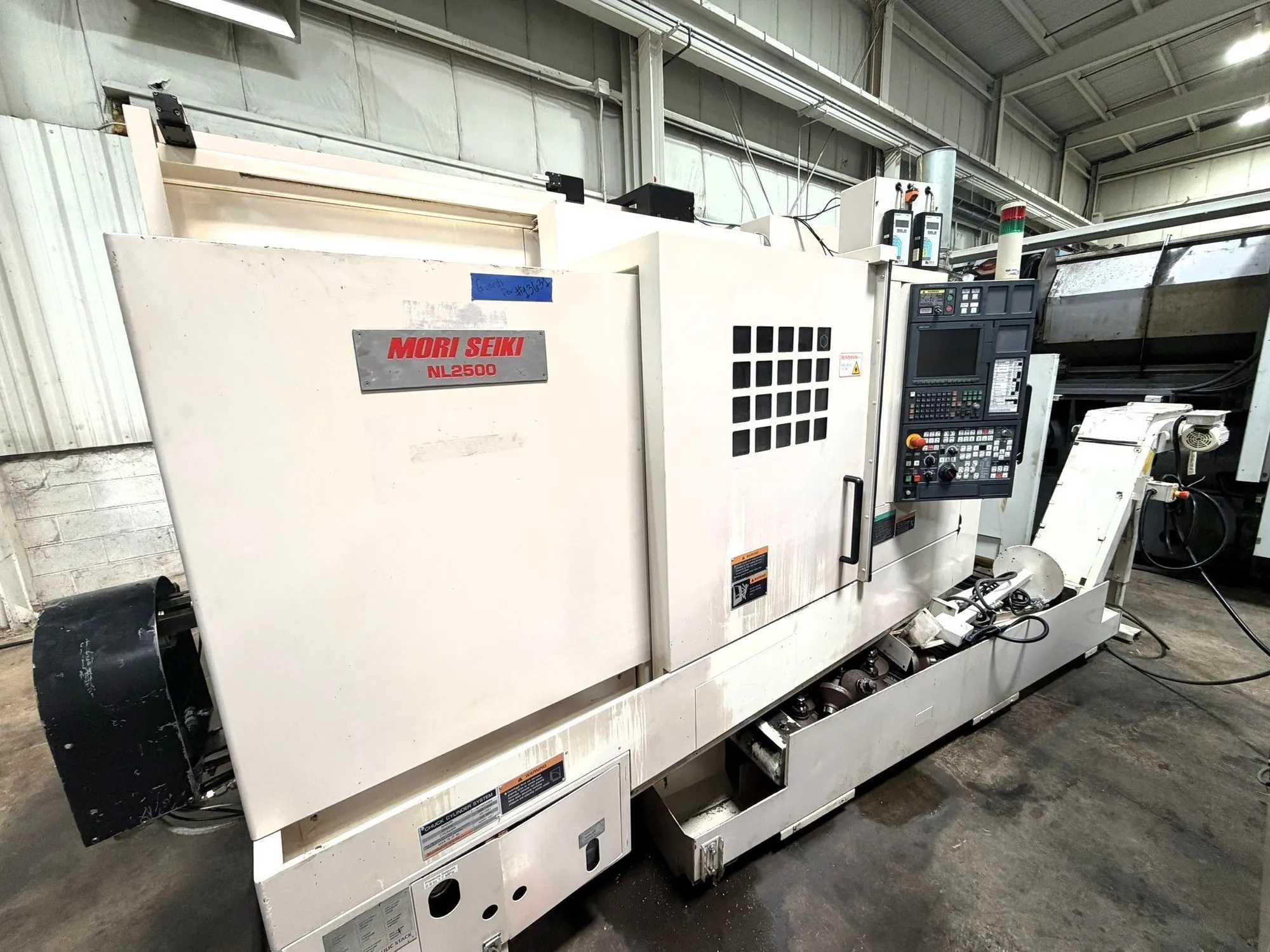
2008 Mori Seiki NL2500Y/700 CNC Lathe, 4,000 RPM, 25 HP, Y-Axis, MSX-850
$49,500
$820/moIllinois
Specifications & Market Value
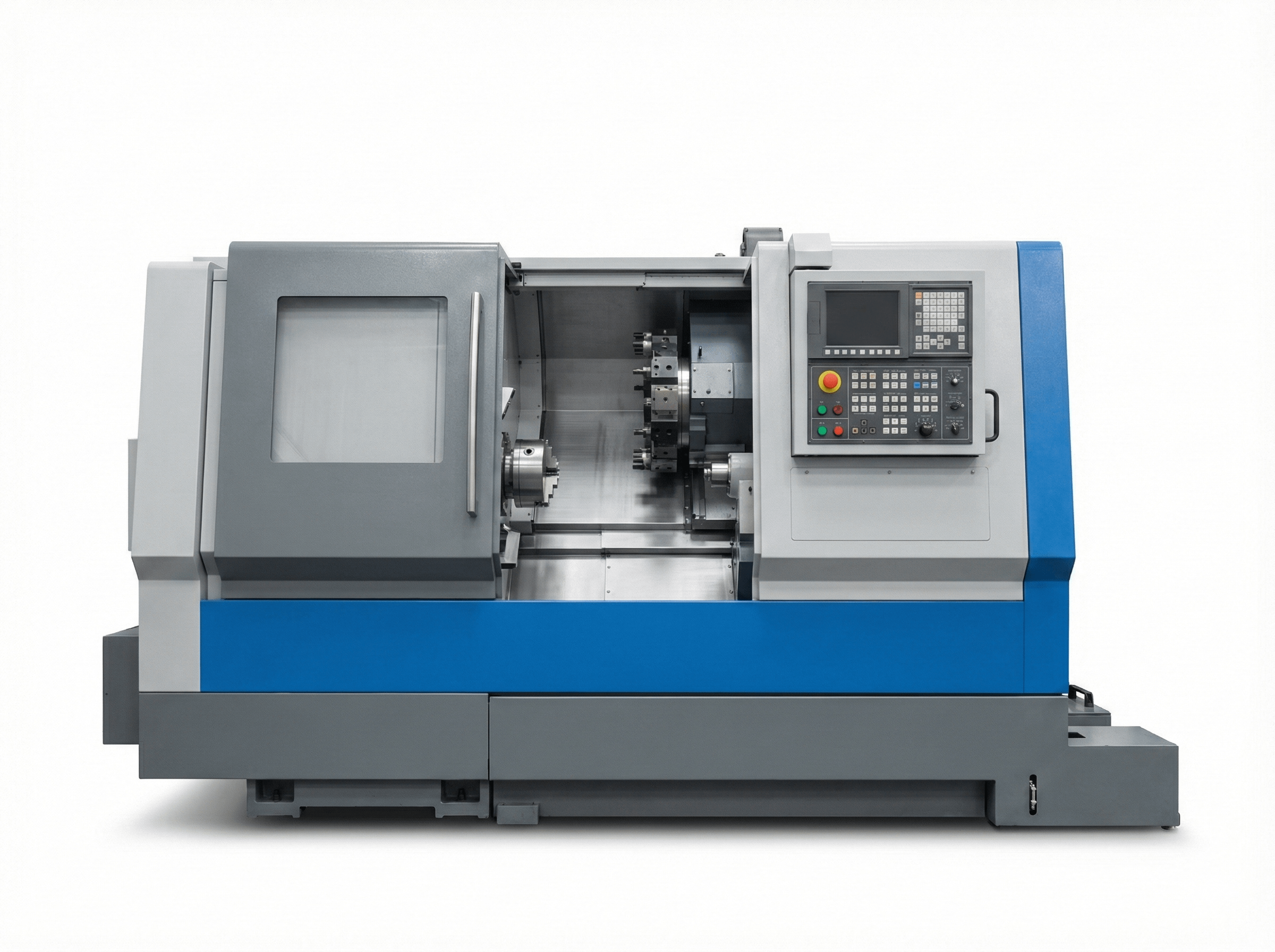
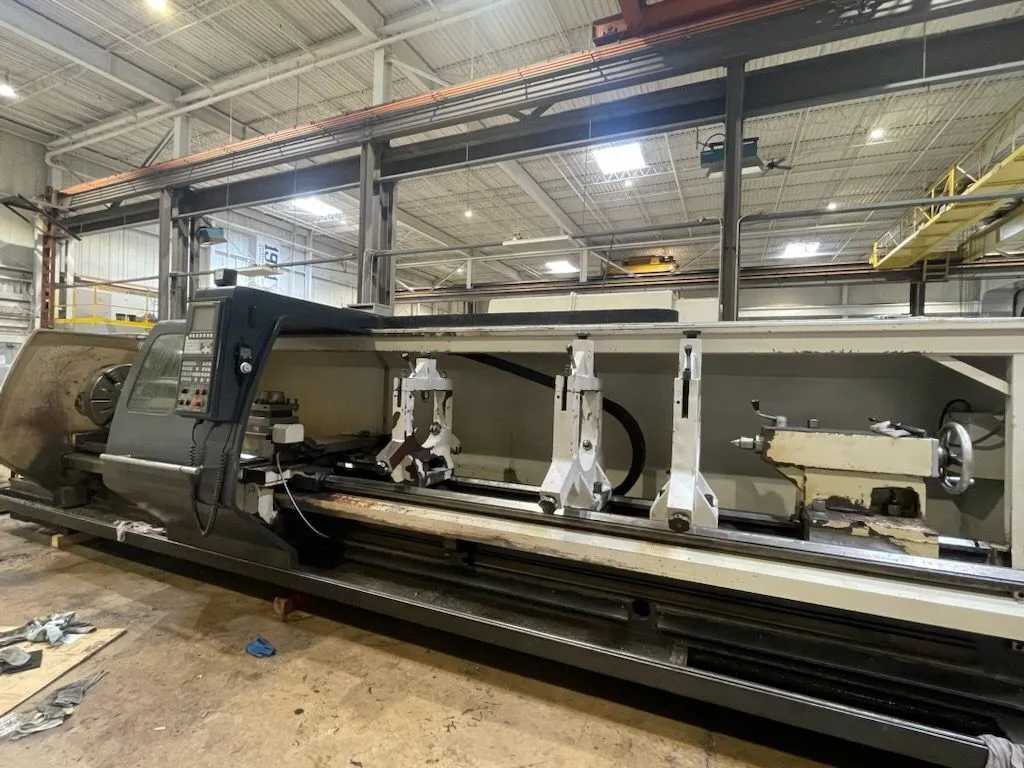
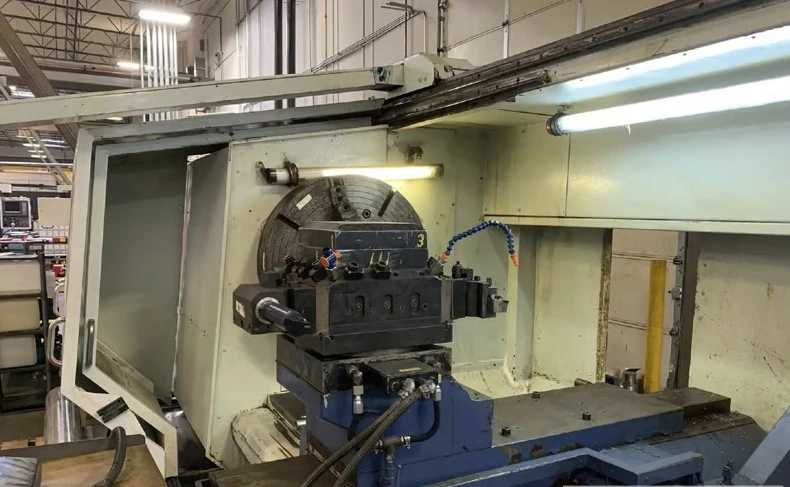
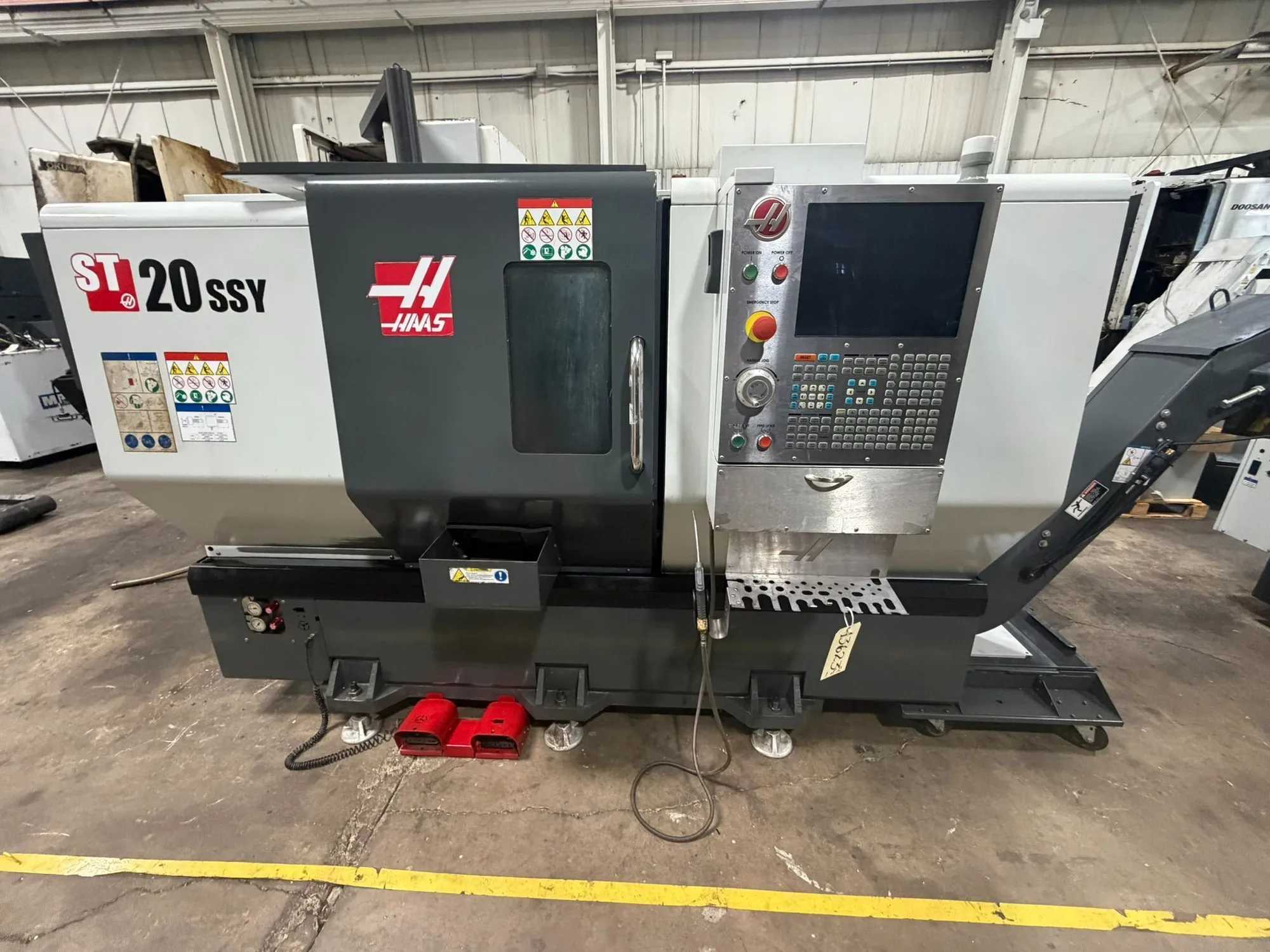
 Reference image
This CNC lathe features a **maximum bar capacity of 1.7 inches**, allowing it to accommodate medium-sized stock for turning operations. It is powered by an **11.2 kW motor**, providing robust spindle power to handle various materials and cutting forces. The spindle operates at speeds up to **8,000 RPM**, suitable for high-speed machining applications requiring fine surface finish and precision. The machine offers a **maximum turning diameter of 16.9 inches** and a **swing of 24.4 inches**, which defines the largest part diameter that can be machined without obstruction. The **machining length is 24.8 inches**, and the **distance between centers is 24 inches**, specifying the maximum length of workpiece that can be effectively supported and machined between the lathe centers. Equipped with a **12-station turret**, the lathe can hold multiple cutting tools simultaneously, enabling quick tool changes and multi-operation machining in one setup. Control is managed via the **MSC-518 CNC system**, which provides precise, programmable control of all machining axes and operations, ensuring repeatability and accuracy. The turner's combination of power, speed, and tooling flexibility makes it well-suited for producing complex cylindrical parts with tight tolerances, serving industries requiring medium to high precision components. Its specifications balance capability with throughput, ideal for applications ranging from prototype to small batch production where efficient and precise turning cycles are essential.
Specifications, market trends, and valuation estimates are compiled from manufacturer documentation, historical sales, and industry sources. While care is taken to ensure accuracy, this information is provided for reference purposes only and may contain errors or omissions. Users should independently verify all data before making buying or selling decisions. Valuations do not represent guaranteed transaction prices or binding offers, and Aucto assumes no liability for decisions made using this data.
Spot an error or missing detail? Help us keep our equipment guides accurate for the community.

 A+
A+ Auction Value
$7,525
 Range$2,000 – $10,500
 Sells in ~ 30 days
 Retail Value
—
Sells in ~ 180 days
Item functions as originally intended, shows signs of normal wear. Change the condition to see how it moves both values.
| Attribute | SelectedMORI SEIKI SL-150 CNC LATHE | MORI SEIKI SL-150MC CNC LATHE | |
|---|---|---|---|
| OEM | MORI SEIKI | MORI SEIKI | |
| Model | SL-150 | SL-150MC | |
| Year | - | - | |
| Max Swing | 24.40 '' | 24.40 '' | |
| Max Spindle Speed | 8000 RPM | 5000 RPM | |
| Z-Axis Travel | 20.50 '' | 20.4 '' | |
| Control System | FANUC MSC-501 | FANUC MSC-501 | |
| Spindle Bore Diameter | 1.70 '' | 1.70 '' | |
| X-Axis Travel | 9.10 '' | 9.06 '' | |
| Distance Between Centers | 24.00 '' | — | |
| Similarity | — | 99% | |
| Auction Value$2,000 - $10,500Retail Value— | Auction Value$2,000 - $10,500Retail Value— | |
| Current Machine | View Details |
Marketplace