Buy Now
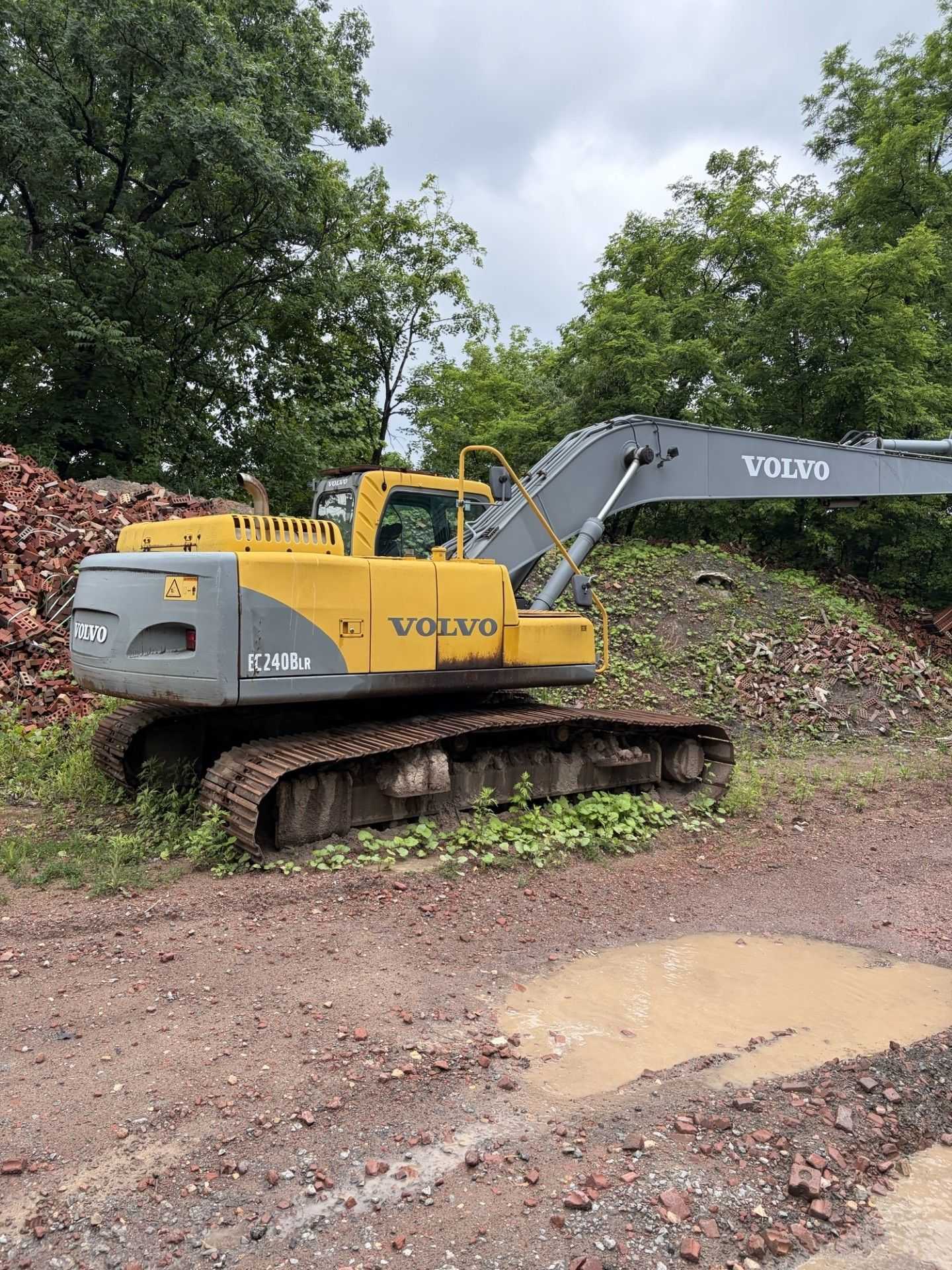
2004 Volvo EC240BLR Long Reach Crawler Excavator, 180HP, 60 ft Reach, Bucket Included
$62,894
$1,042/moPennsylvania
Specifications & Market Value
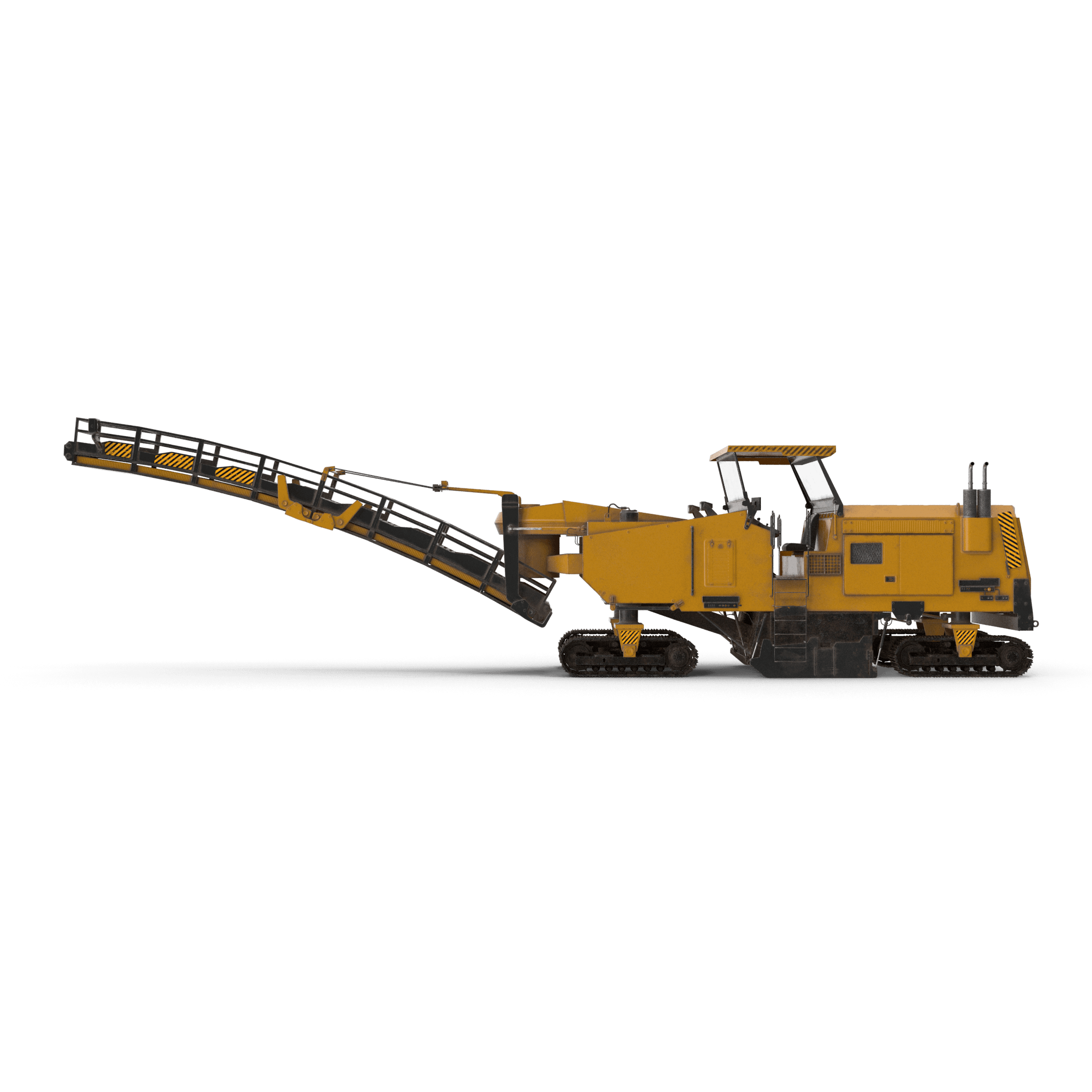
 Reference image
The Multiquip AR16* static smooth drum roller is engineered for high-performance soil and asphalt compaction with a 35.4-inch wide steel drum capable of vibratory frequencies ranging from 2,922 to 4,020 vibrations per minute (vpm), enabling effective compaction adaptability. It features a compact overall width of 3.3 feet and an inside turning radius of 9.9 feet, providing excellent maneuverability in confined spaces. Powered by a water-cooled, naturally aspirated 3-cylinder Yanmar 3TVN76 diesel engine, this roller delivers reliable power with low emissions and efficient fuel economy. The Yanmar engine has a displacement of approximately 1.116 liters (68.1 cubic inches) and typically produces around 24.4 horsepower at 3,200 rpm, featuring indirect fuel injection and mechanical governor control to ensure smooth, consistent engine performance under load. The unit employs hydrostatic drive with infinitely variable speed control for precise forward and reverse operation, supporting smooth starts, stops, and consistent compaction. Additional design features include dual vibration with rear vibration cut-off for improved operational control, offset drums for enhanced clearance near curbs and walls, and a vibration-isolated operator platform to reduce operator fatigue. The roller is well suited for tasks requiring a balance of power, precision, and compactness in construction and paving applications, delivering high centrifugal force and frequency to achieve top-quality asphalt finishes consistently. With lockable instrument panels and engine covers, as well as robust build quality, the Multiquip AR16* represents a reliable, versatile solution for demanding compaction needs.
Specifications, market trends, and valuation estimates are compiled from manufacturer documentation, historical sales, and industry sources. While care is taken to ensure accuracy, this information is provided for reference purposes only and may contain errors or omissions. Users should independently verify all data before making buying or selling decisions. Valuations do not represent guaranteed transaction prices or binding offers, and Aucto assumes no liability for decisions made using this data.
Spot an error or missing detail? Help us keep our equipment guides accurate for the community.

 A+
A+ Auction Value
$18,701
 Range$5,000 – $26,078
 Sells in ~ 30 days
 Retail Value
—
Sells in ~ 180 days
Item functions as originally intended, shows signs of normal wear. Change the condition to see how it moves both values.
Marketplace

| Attribute | SelectedMULTIQUIP AR16* STATIC SMOOTH DRUM ROLLER | MULTIQUIP AR16K STATIC SMOOTH DRUM ROLLER | |
|---|---|---|---|
| OEM | MULTIQUIP | MULTIQUIP | |
| Model | AR16 | AR16K | |
| Year | - | - | |
| Drum Width | 35 '' | 35 '' | |
| Similarity | — | 99% | |
| Auction Value$5,000 - $26,078Retail Value— | Auction Value$1,000 - $6,500Retail Value— | |
| Current Machine | View Details |