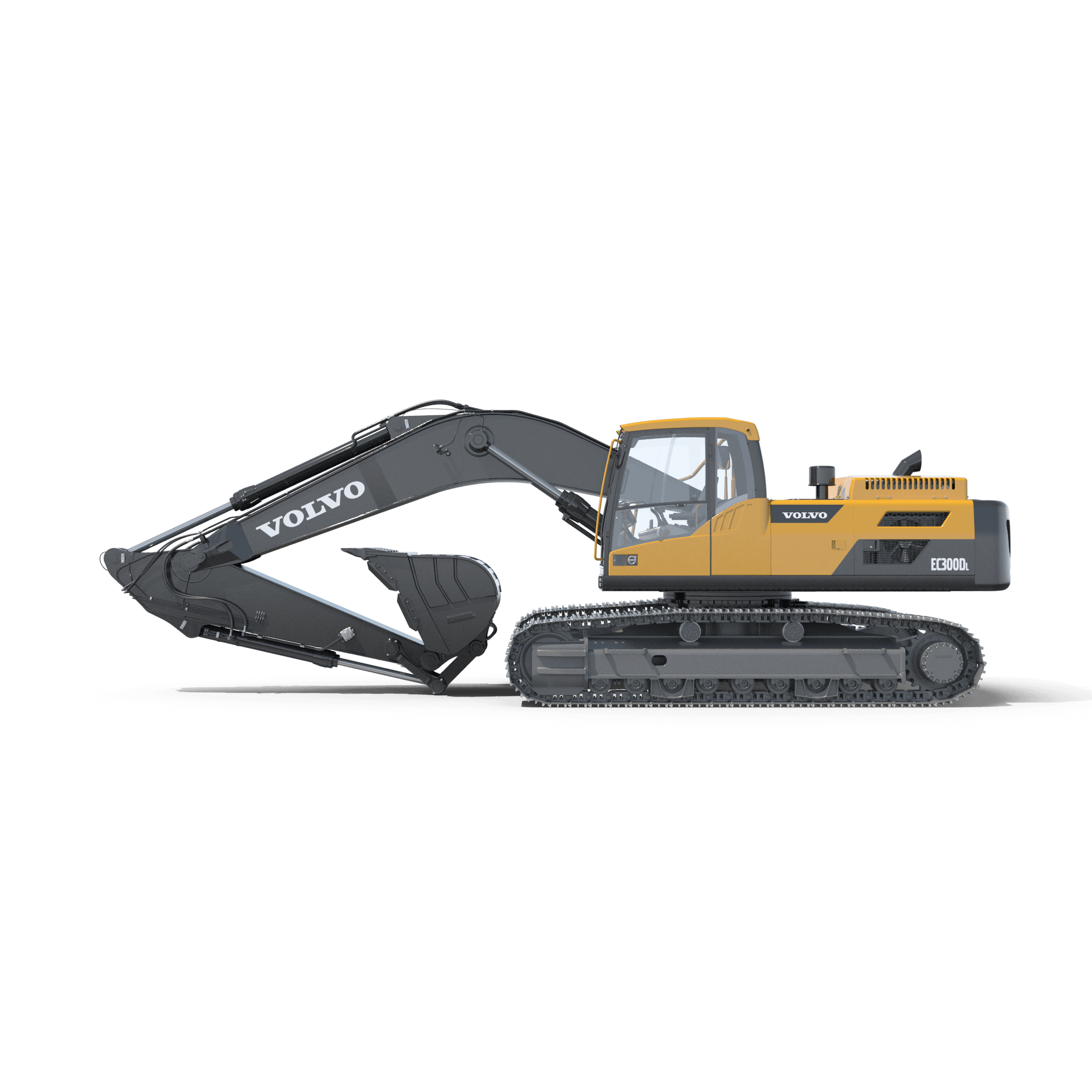
HITACHI ZX190W-3 CRAWLER EXCAVATOR
HITACHI · ZX190W-3
Specifications & Market Value
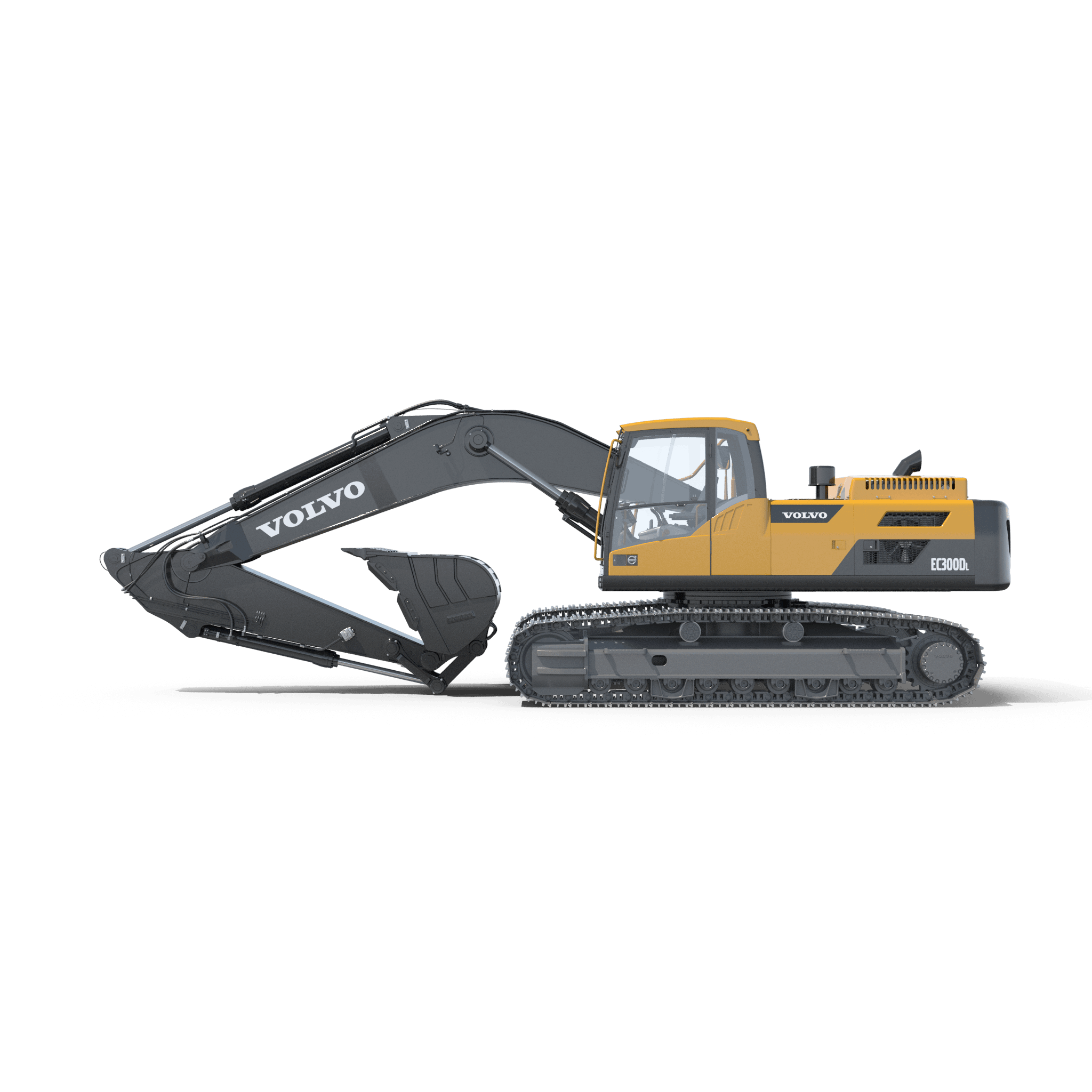
 Reference image
The New Holland EX135LC is a robust wheeled excavator engineered for versatility and performance in demanding construction environments. With a net engine power of 88.6 hp (66 kW), this model delivers reliable power for a wide range of excavation tasks. The operating weight is 30,313.6 lbs, ensuring stability and traction during operation. The undercarriage features a shoe size of 19.7 inches, providing excellent ground contact and durability. The EX135LC boasts a maximum digging depth of 17 feet, allowing for deep trenching and foundation work, while its maximum loading height reaches 19.5 feet, facilitating efficient material handling and loading onto trucks. The machine’s maximum reach along the ground extends to 27.4 feet, maximizing productivity in various digging and loading scenarios. The shipping length of the unit is 24.8 feet, making it suitable for transport on standard trailers. Key dimensions include a ground clearance of 1.5 feet, a length of track on ground of 9.5 feet, a tail swing radius of 6.9 feet, and a width to the outside of tracks of 8.2 feet, ensuring maneuverability in confined spaces. The boom/stick configuration is designed for optimal reach and breakout force, supporting a wide array of attachments and applications. The New Holland EX135LC combines advanced hydraulic systems, operator comfort, and rugged construction, making it a reliable choice for contractors seeking efficiency and durability in their excavation equipment.
Specifications, market trends, and valuation estimates are compiled from manufacturer documentation, historical sales, and industry sources. While care is taken to ensure accuracy, this information is provided for reference purposes only and may contain errors or omissions. Users should independently verify all data before making buying or selling decisions. Valuations do not represent guaranteed transaction prices or binding offers, and Aucto assumes no liability for decisions made using this data.
Spot an error or missing detail? Help us keep our equipment guides accurate for the community.

 A+
A+ Auction Value
$15,000
 Sells in ~ 30 days
 Retail Value
—
Sells in ~ 180 days
Item functions as originally intended, shows signs of normal wear. Change the condition to see how it moves both values.
Market Intelligence
HITACHI · ZX190W-3
HITACHI · ZX180W
LINK BELT · 210 X2
CATERPILLAR · 322C L
CASE · WX240
DOOSAN · DX210W
CATERPILLAR · 320C LN
TEREX · TXC 255LC-2