Buy Now
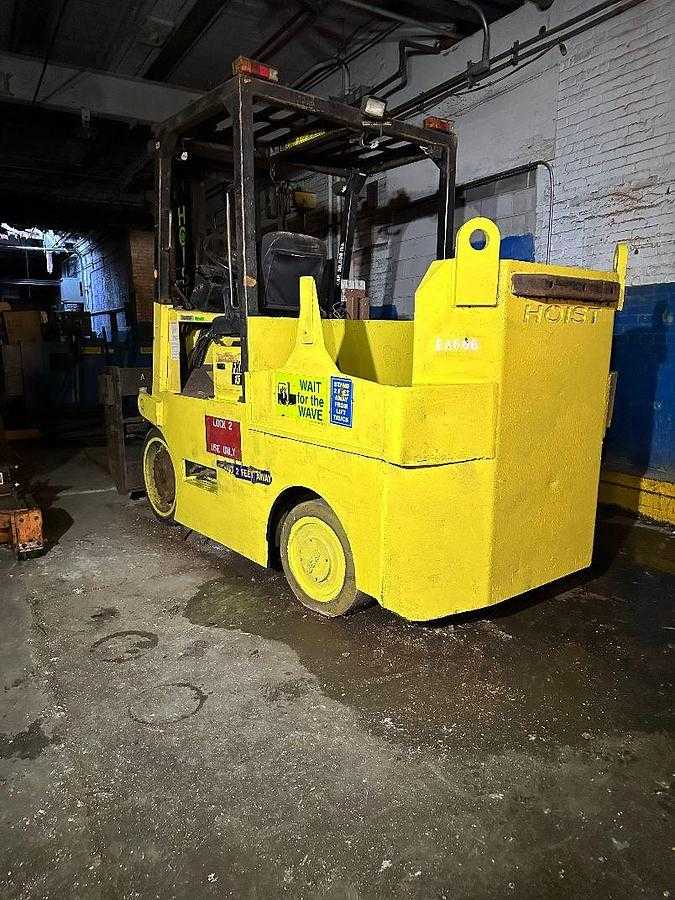
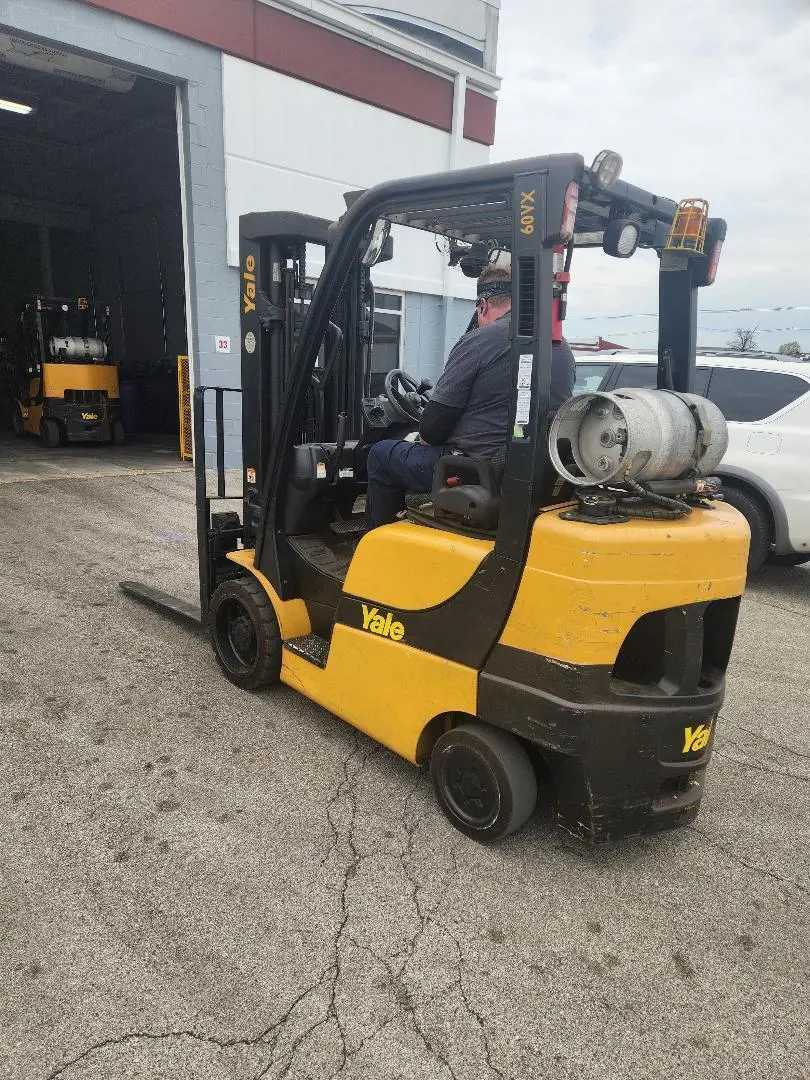
2015 YALE GLC060VXNVSE085 FORKLIFT, 5500LBS LIFT, LPG, 3 STAGE MAST, 48IN FORKS
$18,500
$307/moKentucky
Specifications & Market Value
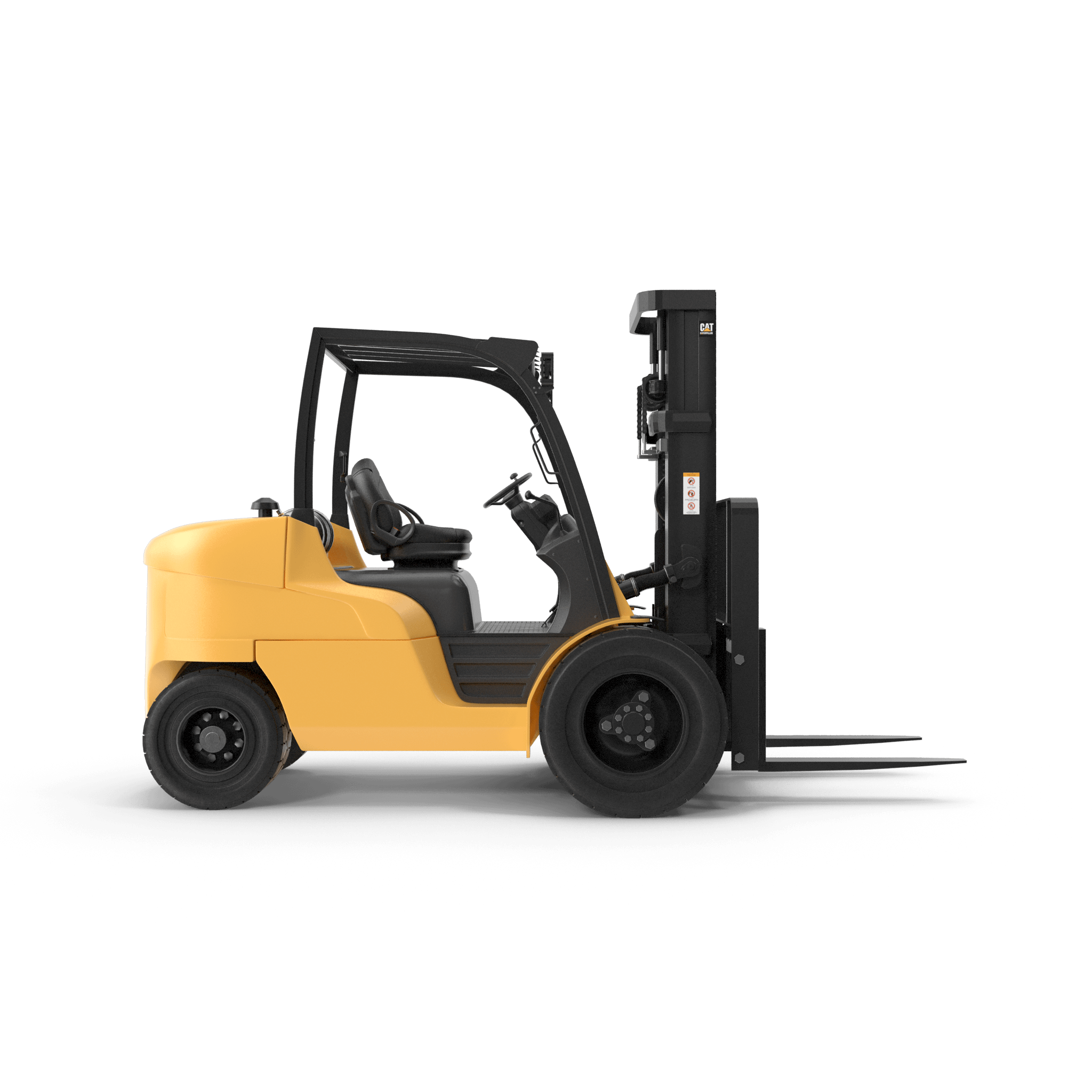
 Reference image
The Nissan CFS40 is a robust, engine-powered cushion-tire forklift designed for demanding warehouse and industrial applications. With a rated load capacity of 4,000 lbs and a 24-inch load center, the CFS40 delivers reliable performance for a wide range of material handling tasks. The forklift is powered by a Nissan MCP1F1A20LV/DV engine with a displacement of 126 cu in, producing 55 hp at 2,700 rpm and 111.4 lb-ft of torque at 2,000 rpm, running on LP or dual fuel. The engine is paired with a durable transmission and features a drum and shoe service brake system, complemented by a hand-operated parking brake for secure operation. The CFS40 has a compact footprint, with a length to fork face of 7.1 ft, an overall width of 3.2 ft, and a turning radius of 6 ft, making it highly maneuverable in tight spaces. The mast provides a maximum fork height of 10.9 ft and a lift speed of 122 ft/min, with a lowering speed of 98.4 ft/min. Ground clearance is 2.6 in, and the height to the top of the overhead guard is 6.8 ft. The forklift is equipped with cushion tires (front: 18 x 6 x 12.13, rear: 14 x 5 x 10), a wheelbase of 4 ft, and an operating weight of 6,834.4 lbs. Additional features include a drawbar pull of 3,417.2 lbs, a maximum speed of 10.9 mph, and a gradeability of 16%, ensuring efficient and safe operation in both indoor and outdoor environments.
Specifications, market trends, and valuation estimates are compiled from manufacturer documentation, historical sales, and industry sources. While care is taken to ensure accuracy, this information is provided for reference purposes only and may contain errors or omissions. Users should independently verify all data before making buying or selling decisions. Valuations do not represent guaranteed transaction prices or binding offers, and Aucto assumes no liability for decisions made using this data.
Spot an error or missing detail? Help us keep our equipment guides accurate for the community.

 A+
A+ Auction Value
$4,140
 Range$1,000 – $5,830
 Sells in ~ 30 days
 Retail Value
—
Sells in ~ 180 days
Item functions as originally intended, shows signs of normal wear. Change the condition to see how it moves both values.
| Attribute | SelectedNISSAN CFS40 SIT-DOWN FORKLIFT | NISSAN CFS60 SIT-DOWN FORKLIFT | |
|---|---|---|---|
| OEM | NISSAN | NISSAN | |
| Model | CFS40 | CFS60 | |
| Year | - | - | |
| Fuel Type | LPG | Gasoline | |
| Load Capacity | 4000 lb | 6000 lb | |
| Turning Radius | 6.00 ft | 6.80 ft | |
| Max Fork Height | 130.80 '' | 130.80 '' | |
| Tire Type | Pneumatic | — | |
| Similarity | — | 99% | |
| Auction Value$1,000 - $5,830Retail Value— | Auction Value$2,500 - $14,950Retail Value— | |
| Current Machine | View Details |
Marketplace