Buy Now
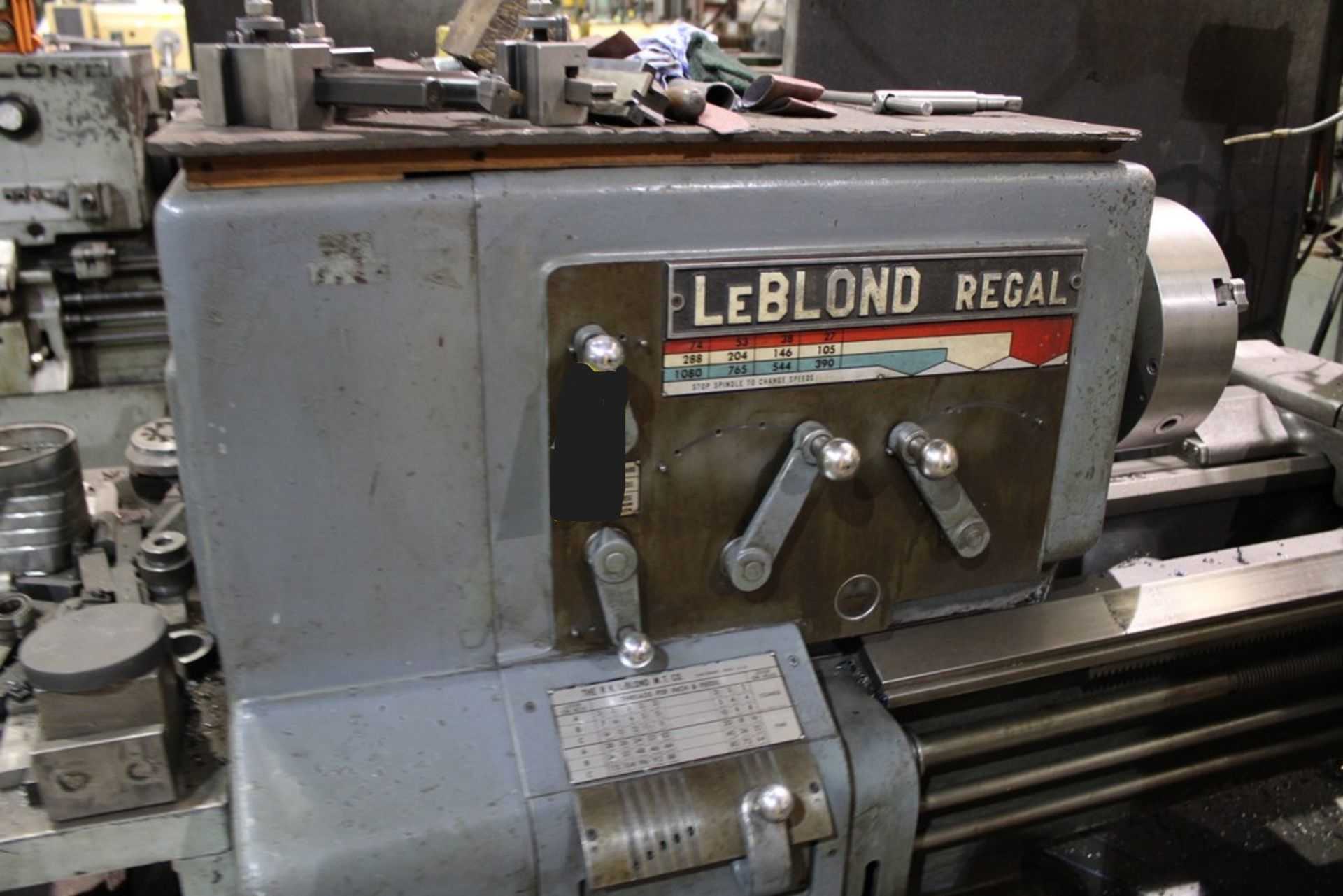
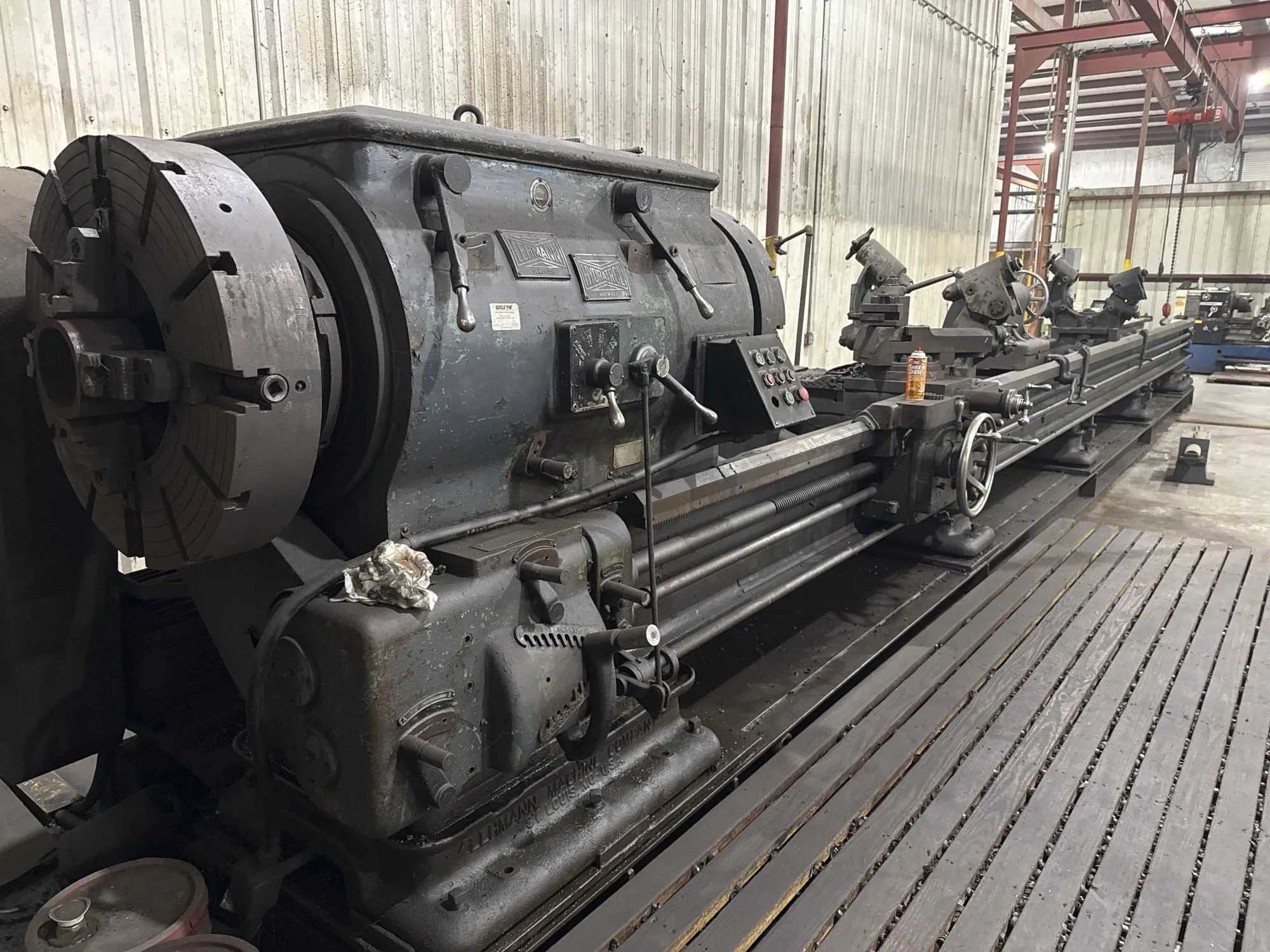
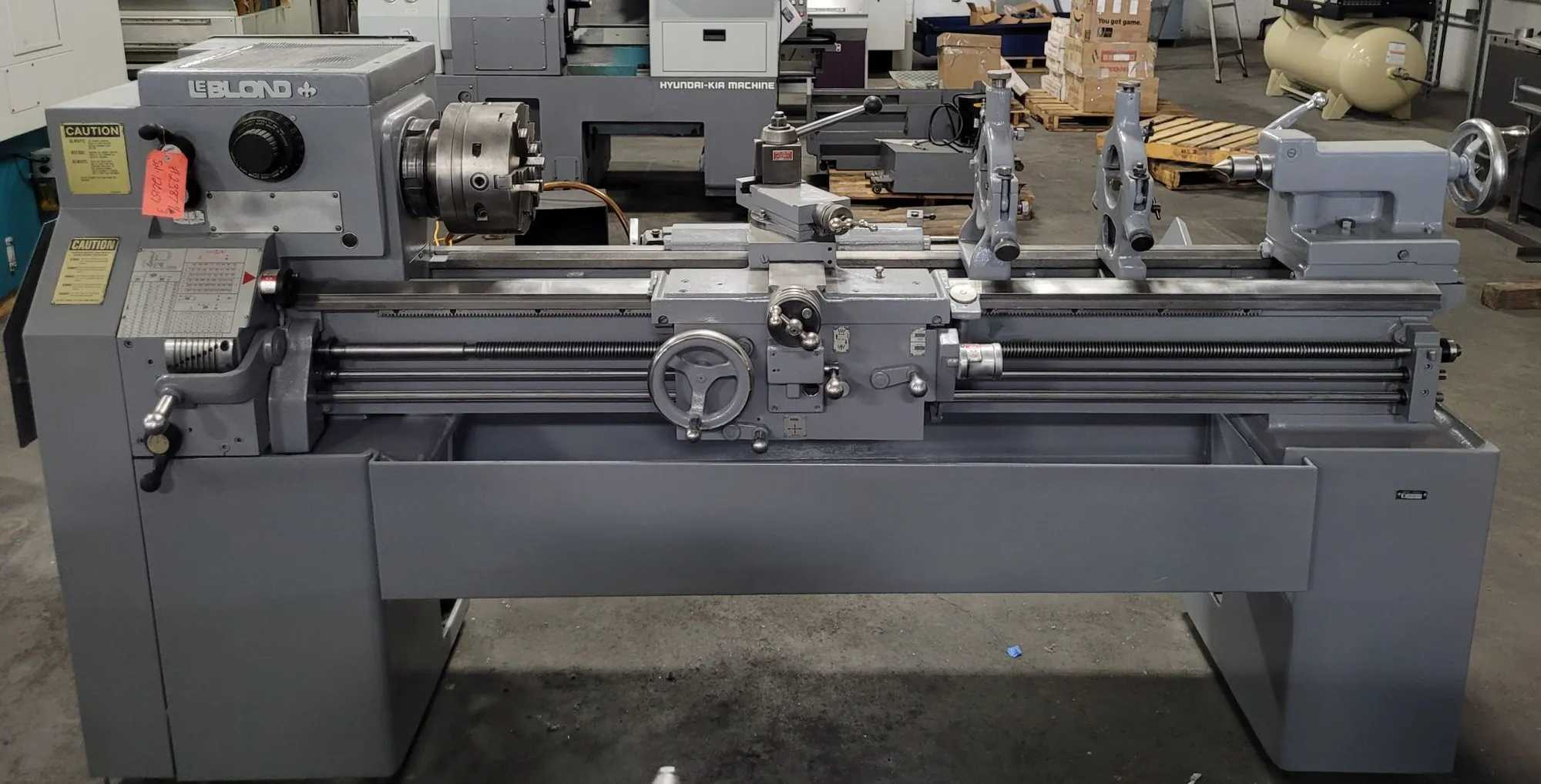
Engine Lathe, 25in Swing, 120in Centers, 15 HP, 10250 lbs
$24,500
$406/moKentucky
Specifications & Market Value
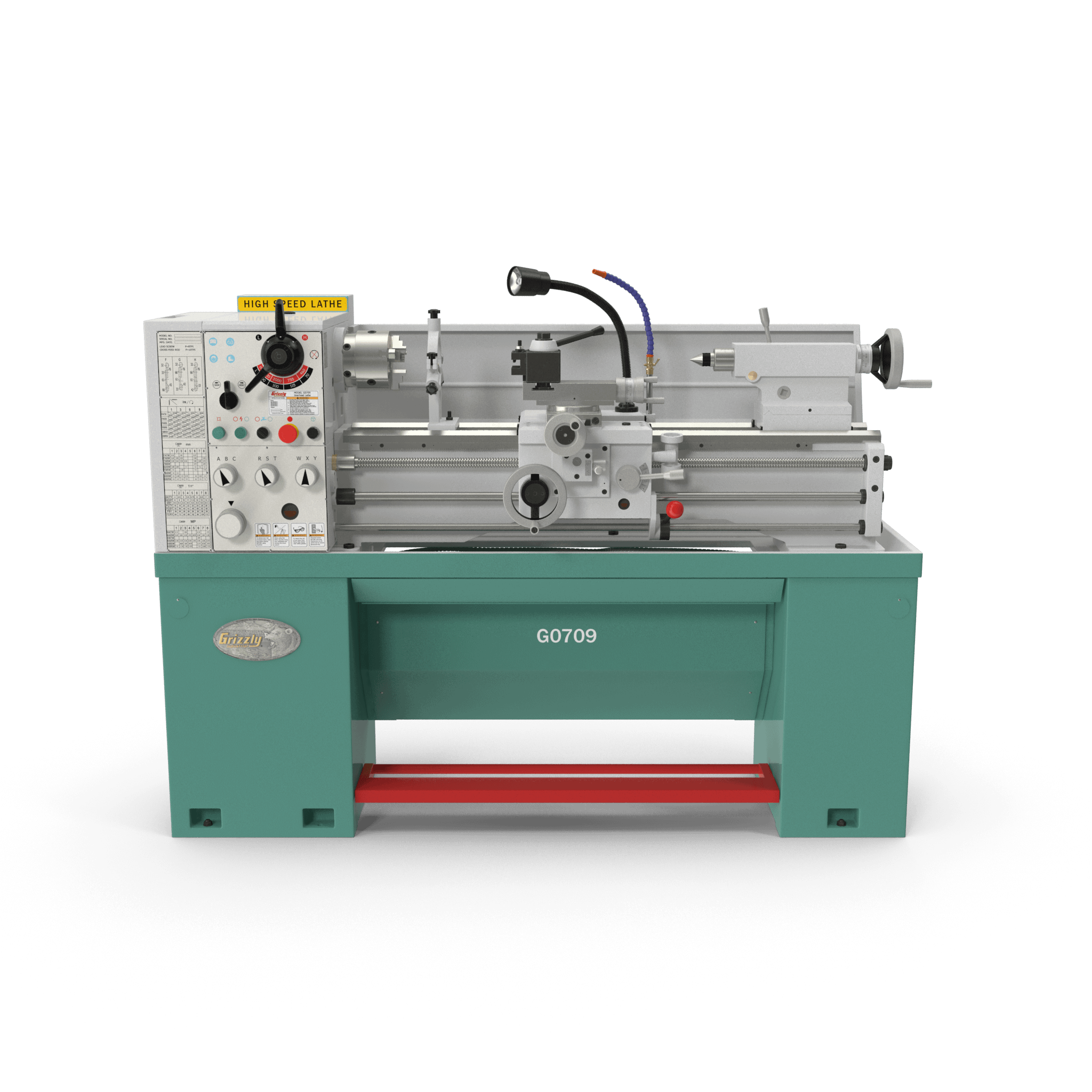
 Reference image
The PROMPT 1330 Manual Lathe features a robust design with a 13.0-inch swing capacity and a maximum centers distance of 29.5 inches, accommodating sizable workpieces with precision. It includes a spindle bore of 1.5 inches, enabling the machining of shafts and rods through the spindle. The lathe operates at speeds up to 1,800 RPM, providing a balance between cutting efficiency and surface finish quality. The swing over the cross slide is 7.7 inches, allowing for versatile tooling and part sizes. Constructed with a durable cast iron bed, it ensures rigidity and vibration damping critical for accurate turning operations. The machine is manually controlled, ideal for detailed metalworking tasks such as threading, facing, and turning. Its spindle is typically equipped with a Morse taper (often MT3), facilitating standard tooling attachments and accessories. The lathe’s cross slide travel around 7.7 inches supports precise tool positioning and compound cuts. This type of lathe is commonly used in workshops for fabricating components that require tight tolerances and reliable mechanical stability. It is suited for both steel and non-ferrous materials, widely employed in prototyping, repair, and small-batch production environments due to its versatility and manual precision control. Safety guidelines emphasize secure clamping, appropriate speed selection, and consistent maintenance to ensure operator protection and machine longevity. Overall, the PROMPT 1330 offers a dependable manual turning platform combining respectable swing and center distances with adequate spindle speed and tooling adaptability for comprehensive metal shaping applications.
Specifications, market trends, and valuation estimates are compiled from manufacturer documentation, historical sales, and industry sources. While care is taken to ensure accuracy, this information is provided for reference purposes only and may contain errors or omissions. Users should independently verify all data before making buying or selling decisions. Valuations do not represent guaranteed transaction prices or binding offers, and Aucto assumes no liability for decisions made using this data.
Spot an error or missing detail? Help us keep our equipment guides accurate for the community.

 A+
A+ Auction Value
$6,200
 Range$1,000 – $9,000
 Sells in ~ 30 days
 Retail Value
—
Sells in ~ 180 days
Item functions as originally intended, shows signs of normal wear. Change the condition to see how it moves both values.
| Attribute | SelectedPROMPT 1330 MANUAL LATHE | PROMPT 1330V MANUAL LATHE | |
|---|---|---|---|
| OEM | PROMPT | PROMPT | |
| Model | 1330 | 1330V | |
| Year | - | - | |
| Max Swing | 13.00 '' | 13.00 '' | |
| Distance Between Centers | 29.50 '' | 29.50 '' | |
| Spindle Bore Diameter | 1.50 '' | 1.50 '' | |
| Similarity | — | 99% | |
| Auction Value$1,000 - $9,000Retail Value— | Auction Value$1,000 - $5,500Retail Value— | |
| Current Machine | View Details |
Marketplace