Buy Now
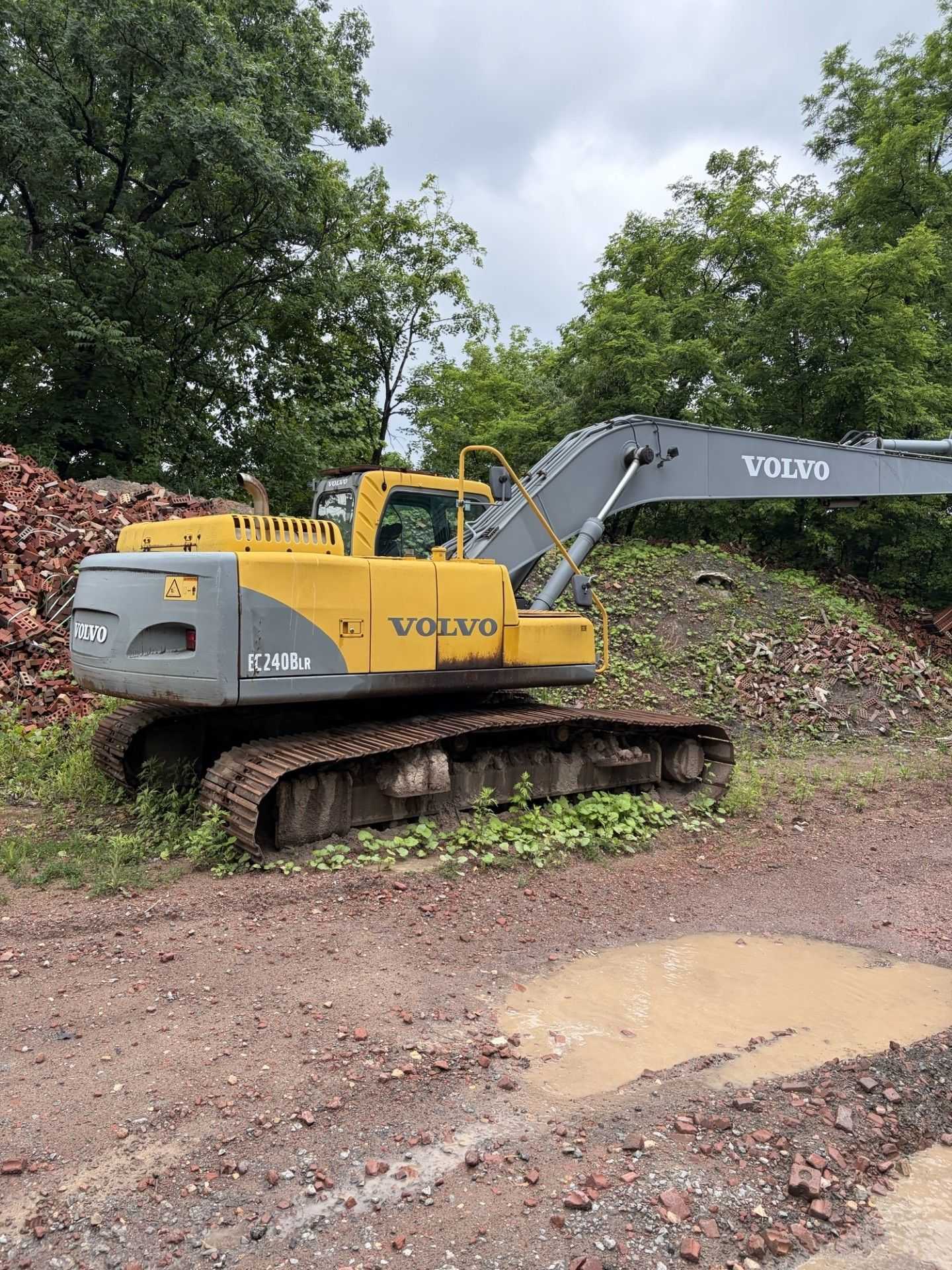
2004 Volvo EC240BLR Long Reach Crawler Excavator, 180HP, 60 ft Reach, Bucket Included
$62,894
$1,042/moPennsylvania
Specifications & Market Value
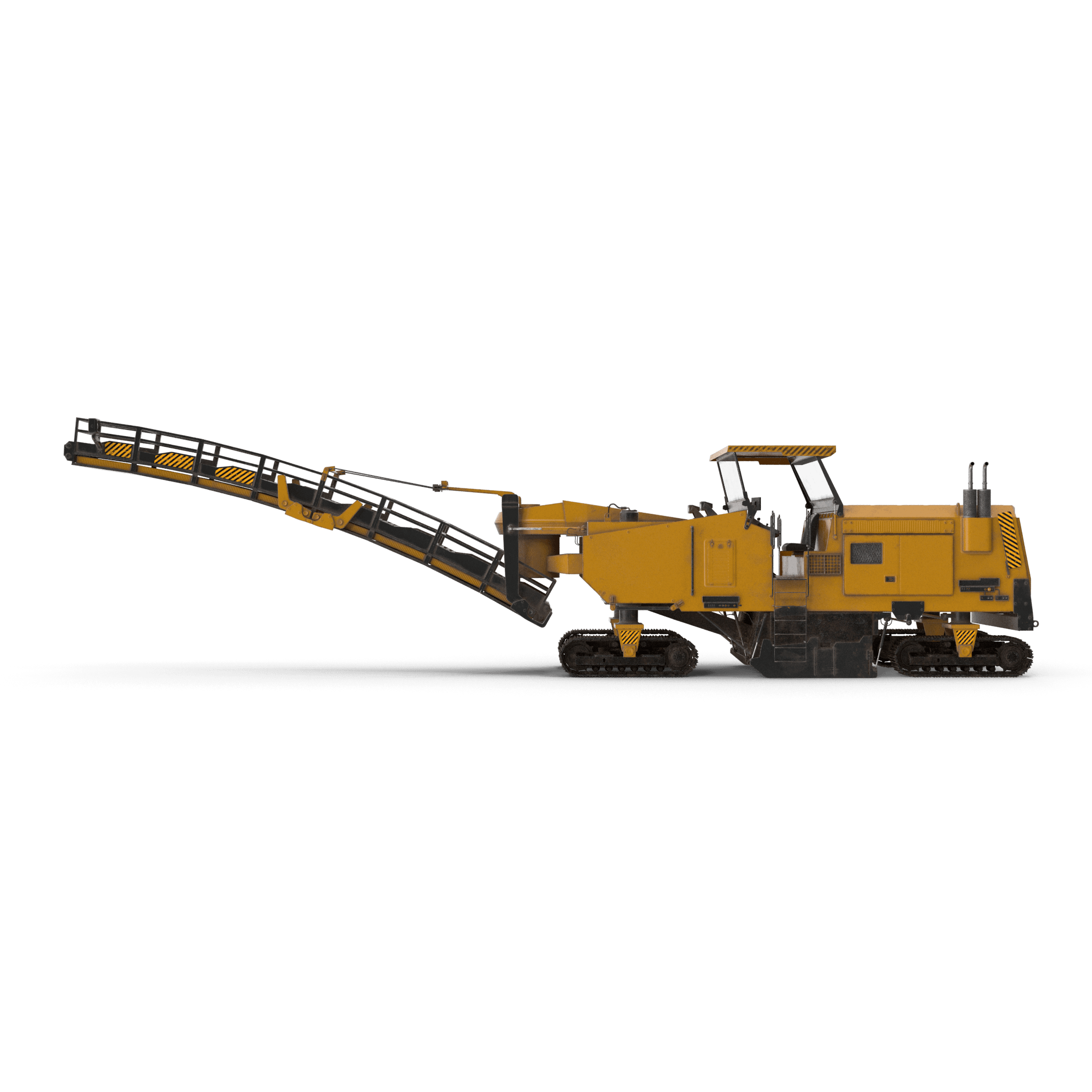
 Reference image
The Sakai SV210DB-1 is a static smooth drum roller designed for efficient soil compaction in various construction and earthwork applications. It features a **54-inch wide smooth drum** that provides a compaction width of 62 inches, enabling effective surface coverage. The drum operates at a vibration frequency of 30 vibrations per minute (vpm), ensuring consistent compaction density over the roller path. Powered by a reliable **Kubota engine**, this machine delivers steady performance with practical fuel efficiency. The SV210DB-1’s **inside turning radius is 103 inches**, offering good maneuverability in confined job sites or trench work. The drum width and vibration parameters are optimized for smooth, uniform compaction, suitable for preparing surfaces such as roadbeds, parking lots, and site foundations. Its static operation mode means this model compacts primarily through the weight of the machine rather than vibration, making it ideal for sensitive compaction tasks where minimal soil displacement is required. This roller’s design balances operational efficiency with robust durability, supporting prolonged usage in demanding environments. Its manageable turning radius combined with the dependable Kubota power unit makes it versatile for different project scales. The SV210DB-1 is part of Sakai’s category of smooth drum rollers known for durable compaction equipment tailored to meet industry requirements effectively.
Specifications, market trends, and valuation estimates are compiled from manufacturer documentation, historical sales, and industry sources. While care is taken to ensure accuracy, this information is provided for reference purposes only and may contain errors or omissions. Users should independently verify all data before making buying or selling decisions. Valuations do not represent guaranteed transaction prices or binding offers, and Aucto assumes no liability for decisions made using this data.
Spot an error or missing detail? Help us keep our equipment guides accurate for the community.

 A+
A+ Auction Value
$26,185
 Range$10,000 – $34,900
 Sells in ~ 30 days
 Retail Value
—
Sells in ~ 180 days
Item functions as originally intended, shows signs of normal wear. Change the condition to see how it moves both values.
Marketplace

| Attribute | SelectedSAKAI SV210DB-1 STATIC SMOOTH DRUM ROLLER | SAKAI SV210 STATIC SMOOTH DRUM ROLLER | |
|---|---|---|---|
| OEM | SAKAI | SAKAI | |
| Model | SV210DB-1 | SV210 | |
| Year | - | - | |
| Drum Width | 54 '' | 66 '' | |
| Similarity | — | 99% | |
| Auction Value$10,000 - $34,900Retail Value— | Auction Value$10,000 - $43,450Retail Value— | |
| Current Machine | View Details |