SHENYANG MEP Shark 282 CCS HORIZONTAL BAND SAW
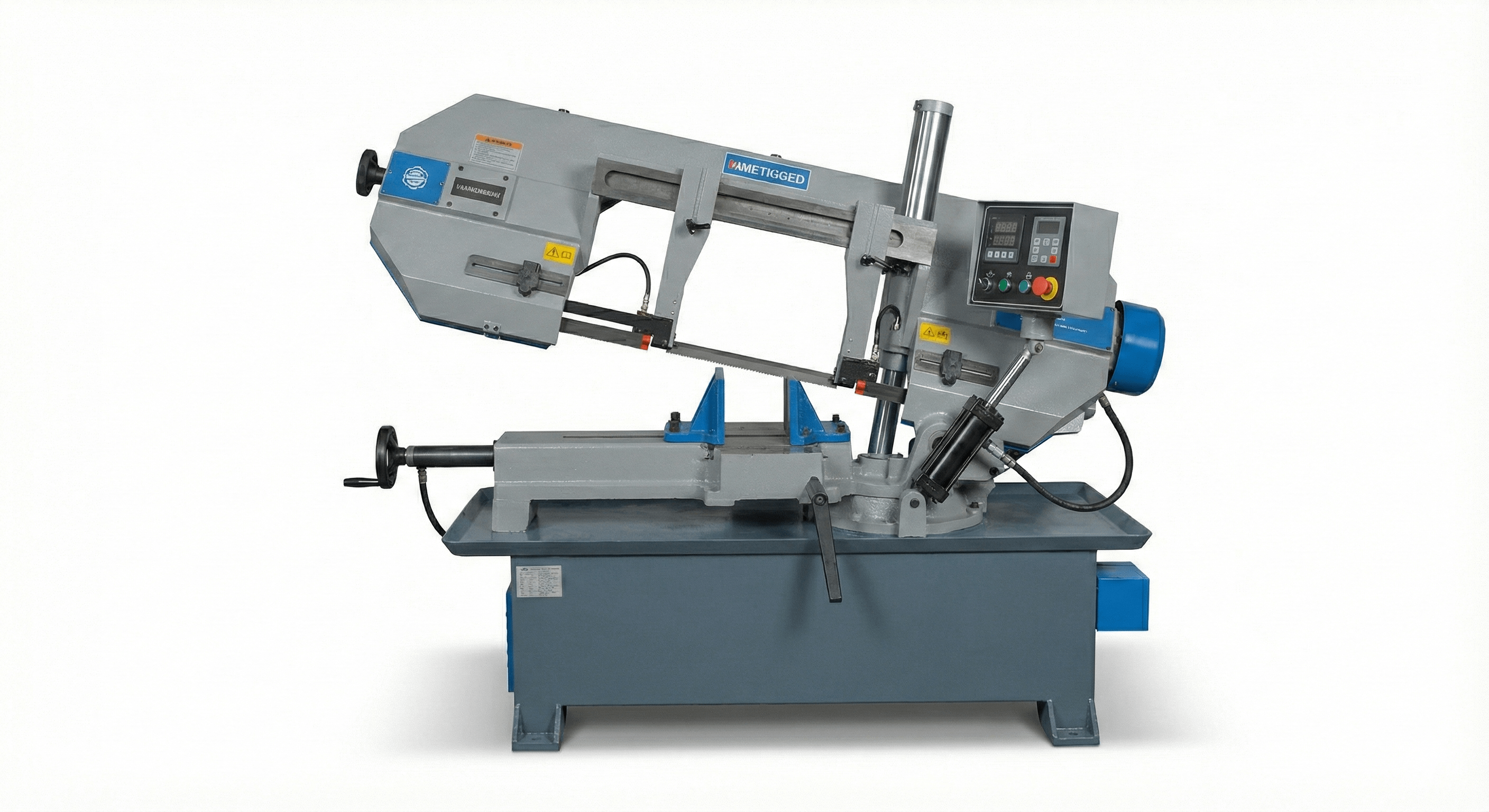
Equipment Overview
Share Link- OEM
- SHENYANG MEP
- Model
- Shark 282 CCS
- Year of Manufacture
- -
- Category
- HORIZONTAL BAND SAWS
Market Value Calculator
A+Technical Description
The SHENYANG MEP Shark 282 CCS Horizontal Band Saw is a robust manual cutting machine designed for precision and efficiency in metalworking applications. With a rectangular capacity of 8.64 inches in height and 11.00 inches in width, it accommodates a variety of materials, while its round capacity reaches up to 9.80 inches and square capacity is 8.60 inches. Powered by a 1.75 HP motor, this bandsaw delivers reliable performance, featuring a blade width of 1.06 inches and a thickness of 0.035 inches, ensuring clean and accurate cuts. The blade length measures 115.00 inches, providing ample cutting surface for diverse tasks. The machine offers variable blade speeds of 118.1 and 236.2 feet per minute, allowing operators to adjust cutting speed according to material type and thickness. Weighing 970 lbs, the Shark 282 CCS is built for stability and durability, making it suitable for heavy-duty applications. Its manual operation allows for greater control during the cutting process, ideal for workshops that require precision and versatility. This bandsaw is an essential tool for professionals seeking to enhance their cutting capabilities in a compact and efficient design.
Technical Attributes
- Blade Length
- 115.0 ''
- Rated Power
- 1.75 HP
- Max Cutting Capacity (Round)
- 9.8 ''
- Material Feed Automation
- Manual
- Blade Width
- 1.1 ''
- Control System
- Manual control system
Data Accuracy and Verification
Specifications and technical details are compiled from manufacturer documentation, historical records, and third-party industry sources. While care is taken to ensure accuracy, this information is provided for reference purposes only and may contain errors or omissions. Users should independently verify all details before relying on them.
If you identify any inaccuracies, please help us improve our data by reporting them here.