Buy Now
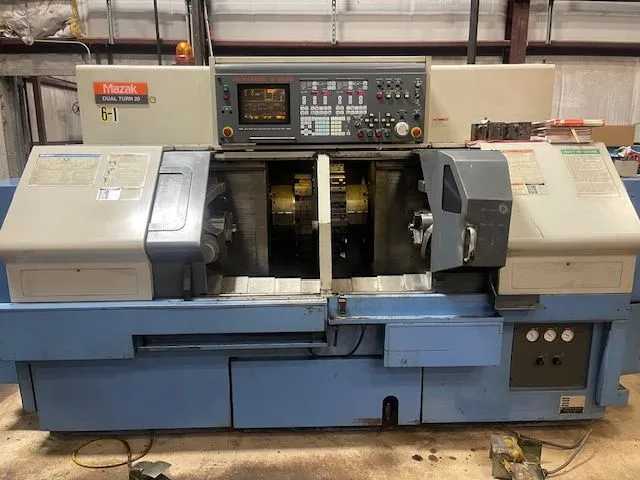
1995 Mazak Dual Turn 20 CNC Lathes, 12.6 in Turn Dia, 49.21 in Mach Len, 20 HP
$12,500
$207/moWisconsin
Specifications & Market Value
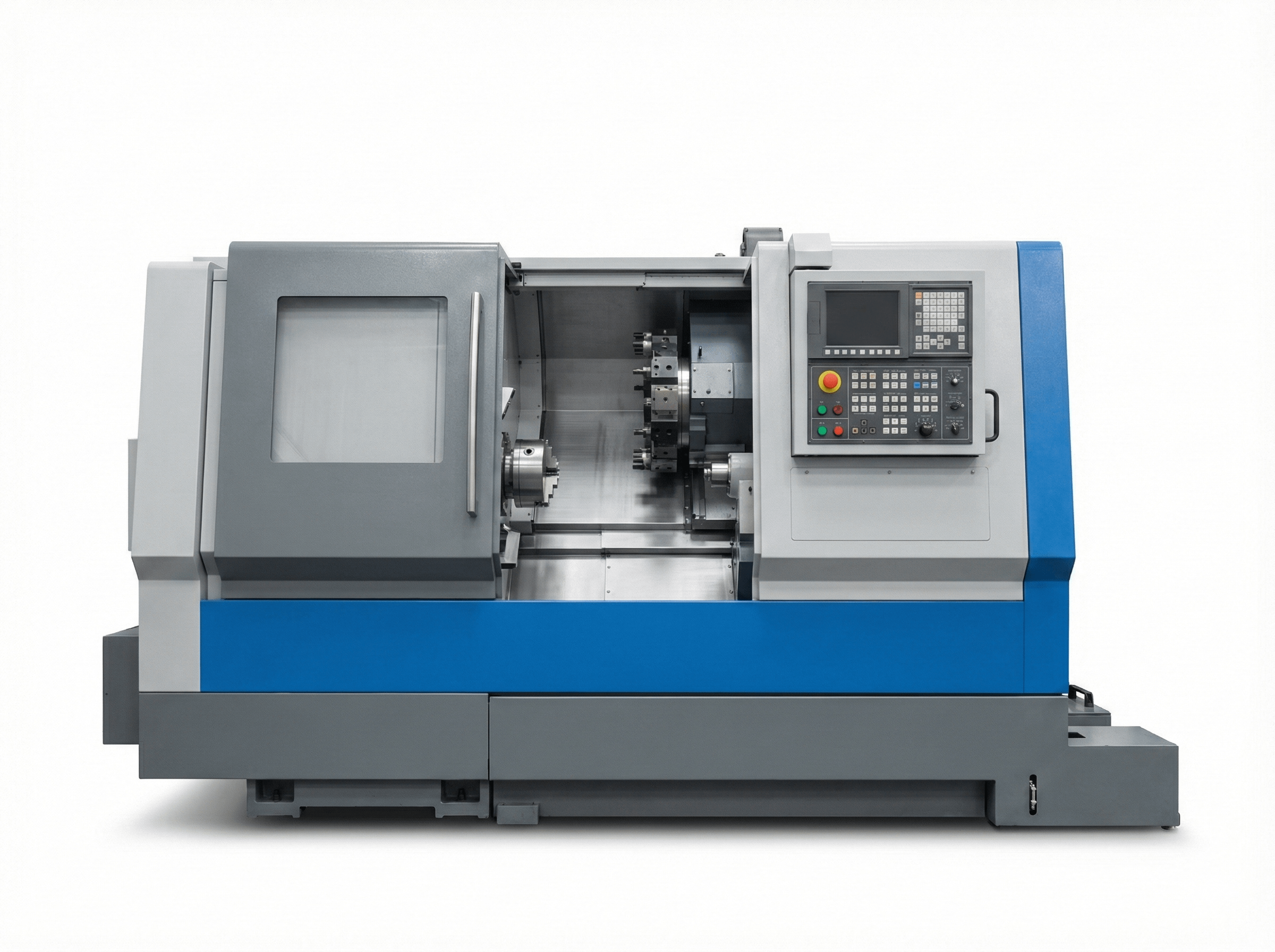
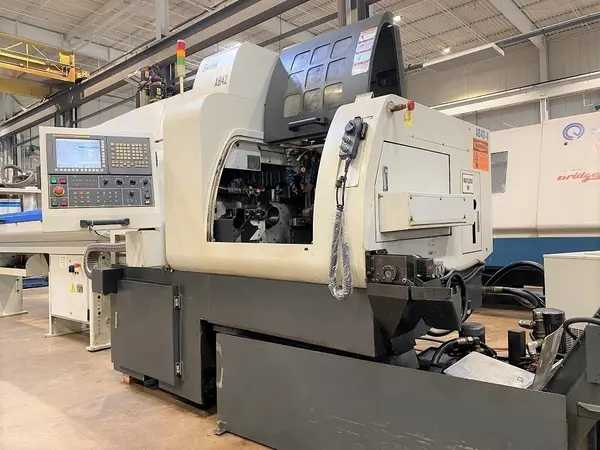
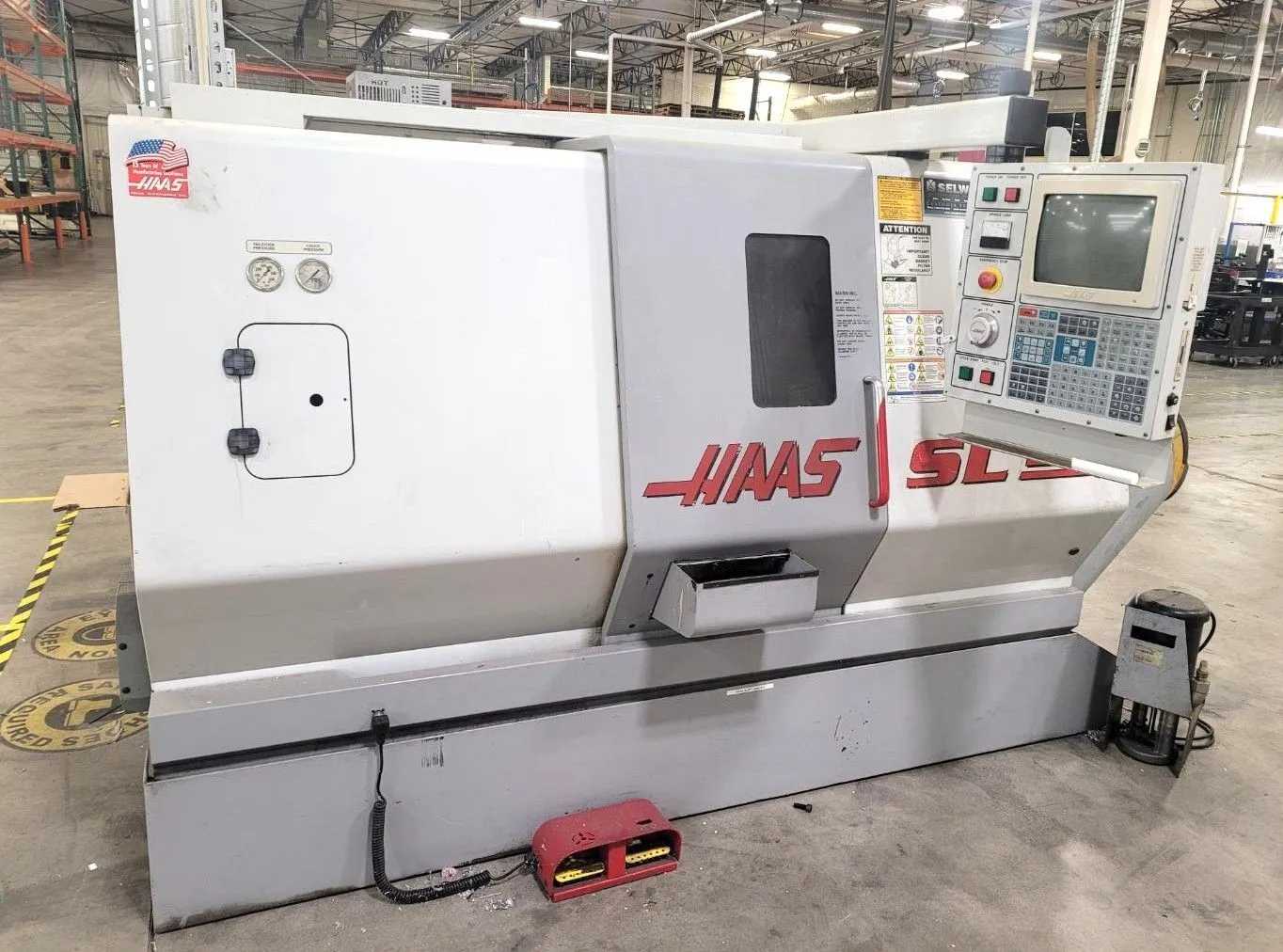
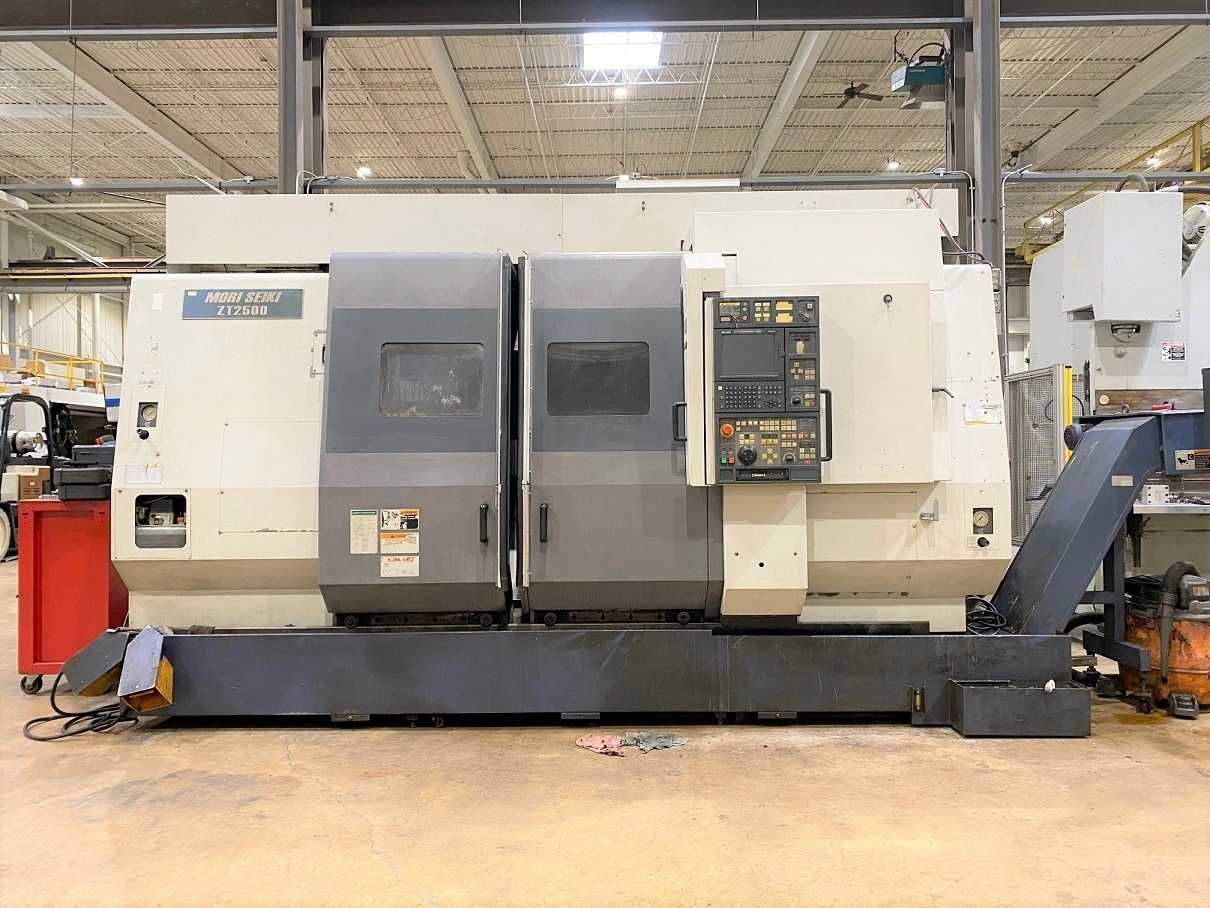
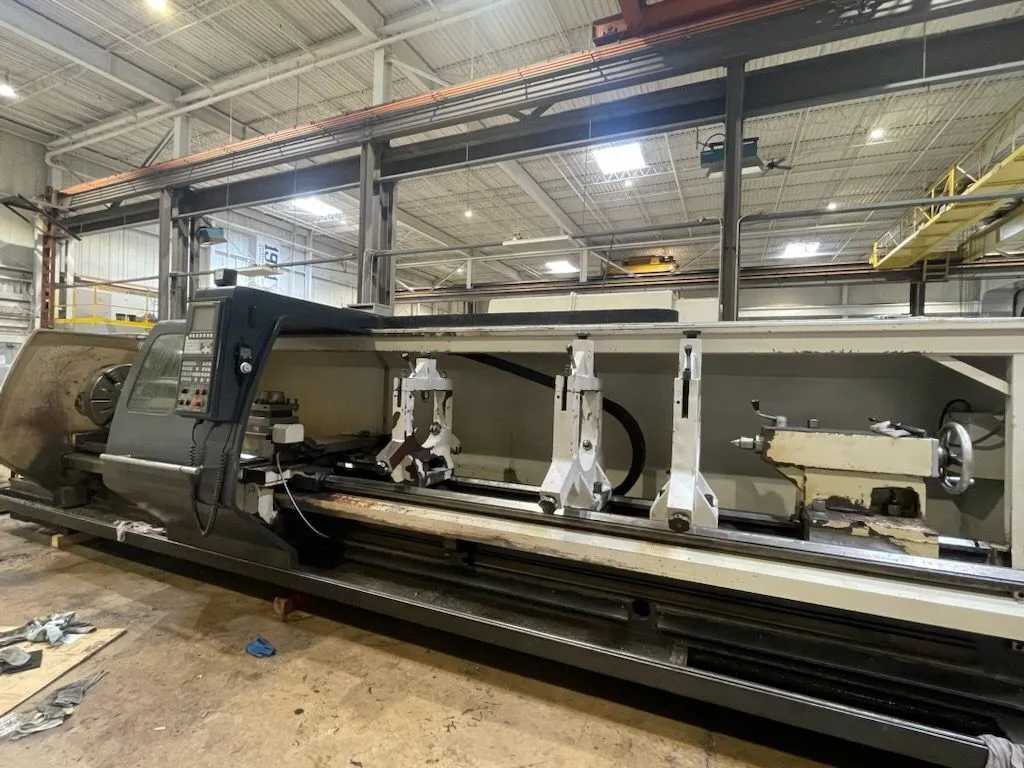
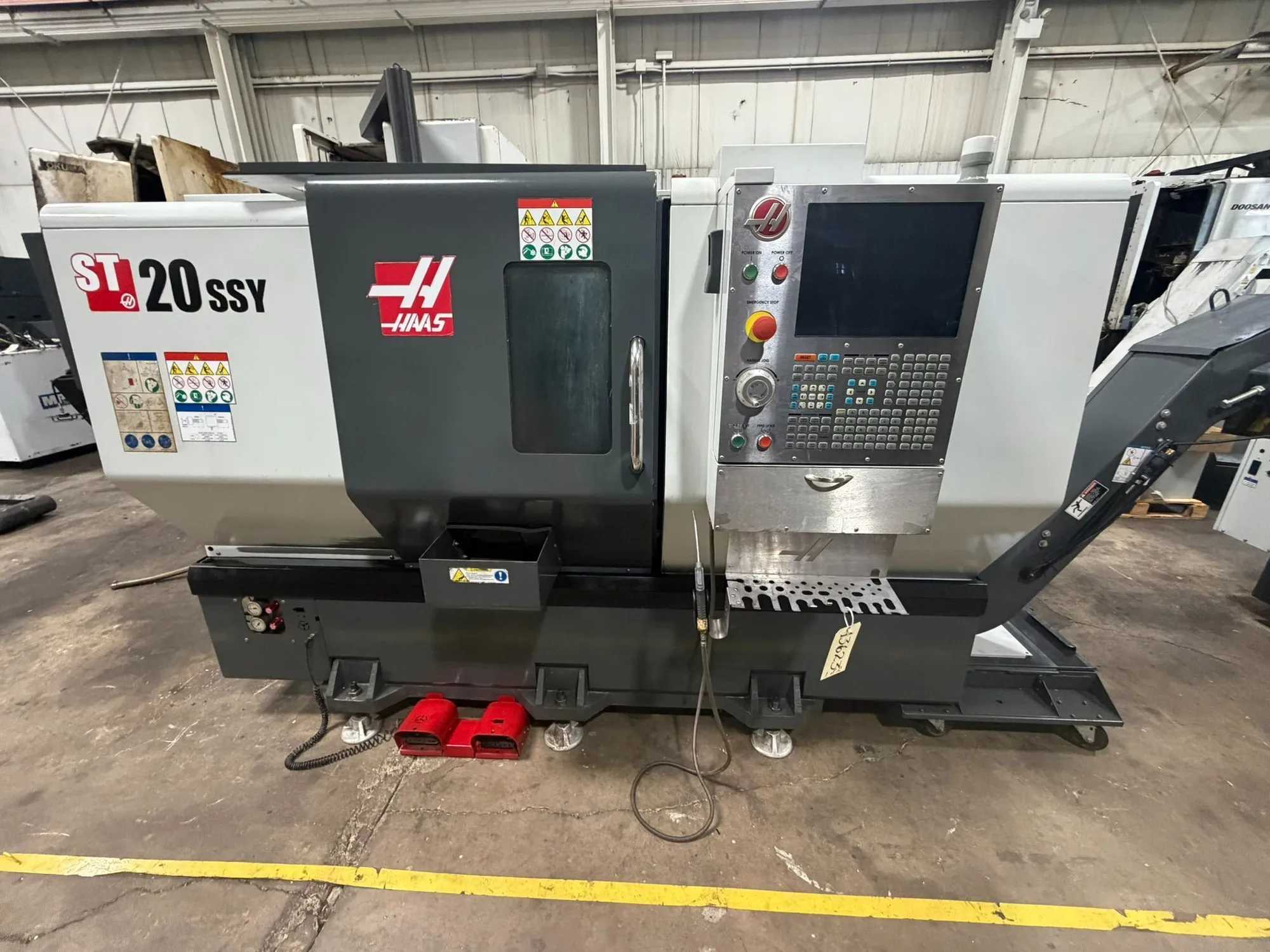
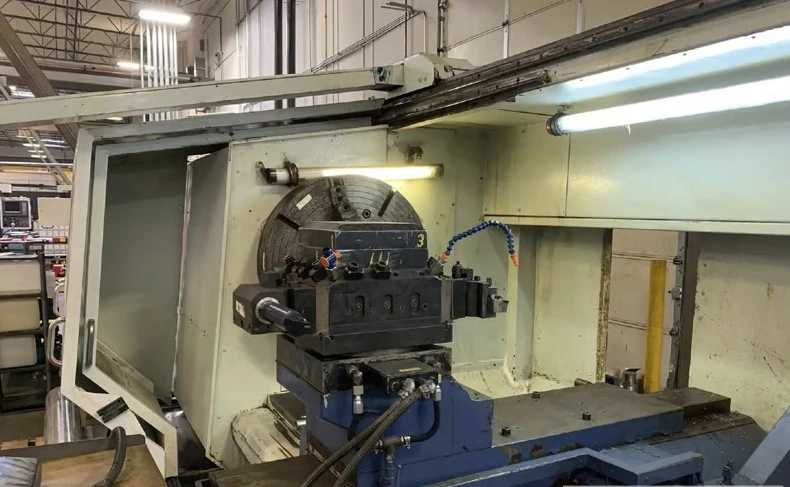
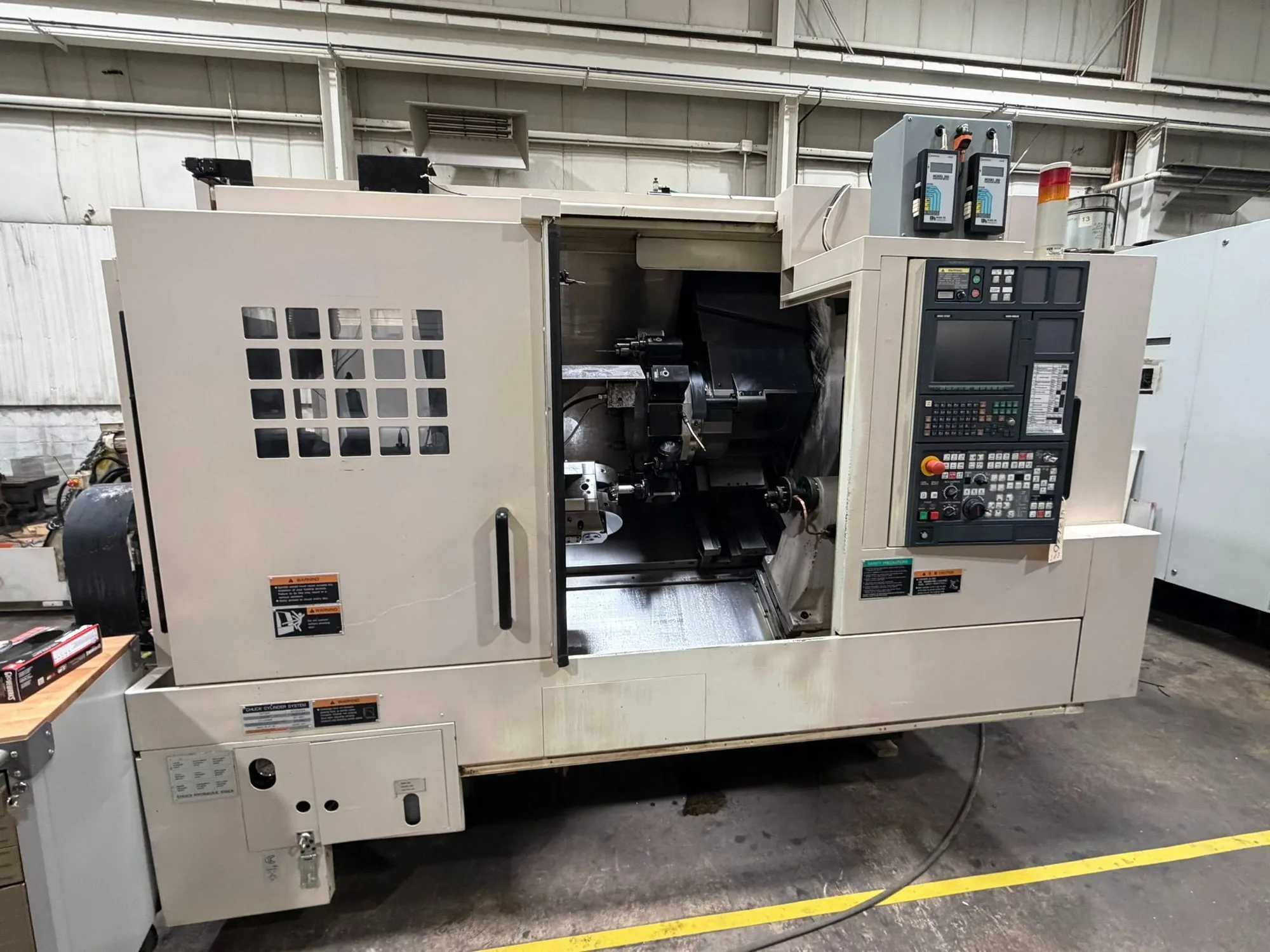
 Reference image
The CNC lathe chuck is a precision workholding device engineered for high-performance turning operations on modern CNC lathes. With a 2.36-inch (approximately 60mm) chuck size, this compact unit accommodates workpieces ranging from small diameter stock to specialized shapes including round, hexagonal, and square materials. The chuck delivers 7.37 horsepower of clamping force, ensuring secure workholding across diverse machining applications while maintaining minimal vibration and runout. Rated for a maximum operational speed of 3,000 RPM, this power-operated chuck is precision-balanced to minimize dynamic effects and vibration during high-speed turning operations. The CNC control integration enables automated jaw actuation, facilitating rapid workpiece loading and unloading while optimizing production cycle times. The chuck features power-operated three-jaw configuration with automatic centering capability, providing large clamping range and fast clamping speed suitable for both finished and unfinished workpiece surfaces. Key technical characteristics include hardened jaw surfaces for enhanced wear resistance and rigidity, with standard options for both external and internal clamping applications. The through-bore design, common in modern CNC chucks, allows bar stock feeding for continuous production runs. Construction prioritizes low inertia and compact design to positively influence CNC machine spindle dynamics. This chuck class represents industry-standard precision workholding, delivering concentricity within tight tolerances for applications demanding superior accuracy and repeatability in turning operations.
Specifications, market trends, and valuation estimates are compiled from manufacturer documentation, historical sales, and industry sources. While care is taken to ensure accuracy, this information is provided for reference purposes only and may contain errors or omissions. Users should independently verify all data before making buying or selling decisions. Valuations do not represent guaranteed transaction prices or binding offers, and Aucto assumes no liability for decisions made using this data.
Spot an error or missing detail? Help us keep our equipment guides accurate for the community.

 A+
A+ Auction Value
$212,500
 Range$50,000 – $300,000
 Sells in ~ 30 days
 Retail Value
—
Sells in ~ 180 days
Item functions as originally intended, shows signs of normal wear. Change the condition to see how it moves both values.
| Attribute | SelectedSHIMADA CN660 CNC LATHE | TSUGAMI CH154 CNC LATHE | |
|---|---|---|---|
| OEM | SHIMADA | TSUGAMI | |
| Model | CN660 | CH154 | |
| Year | - | - | |
| Max Spindle Speed | 3000 RPM | 15000 RPM | |
| Control System | FANUC 18 TI | — | |
| Spindle Bore Diameter | 2.36 '' | — | |
| Similarity | — | 97% | |
| Auction Value$50,000 - $300,000Retail Value— | Auction Value$5,000 - $46,000Retail Value— | |
| Current Machine | View Details |
Marketplace