Buy Now
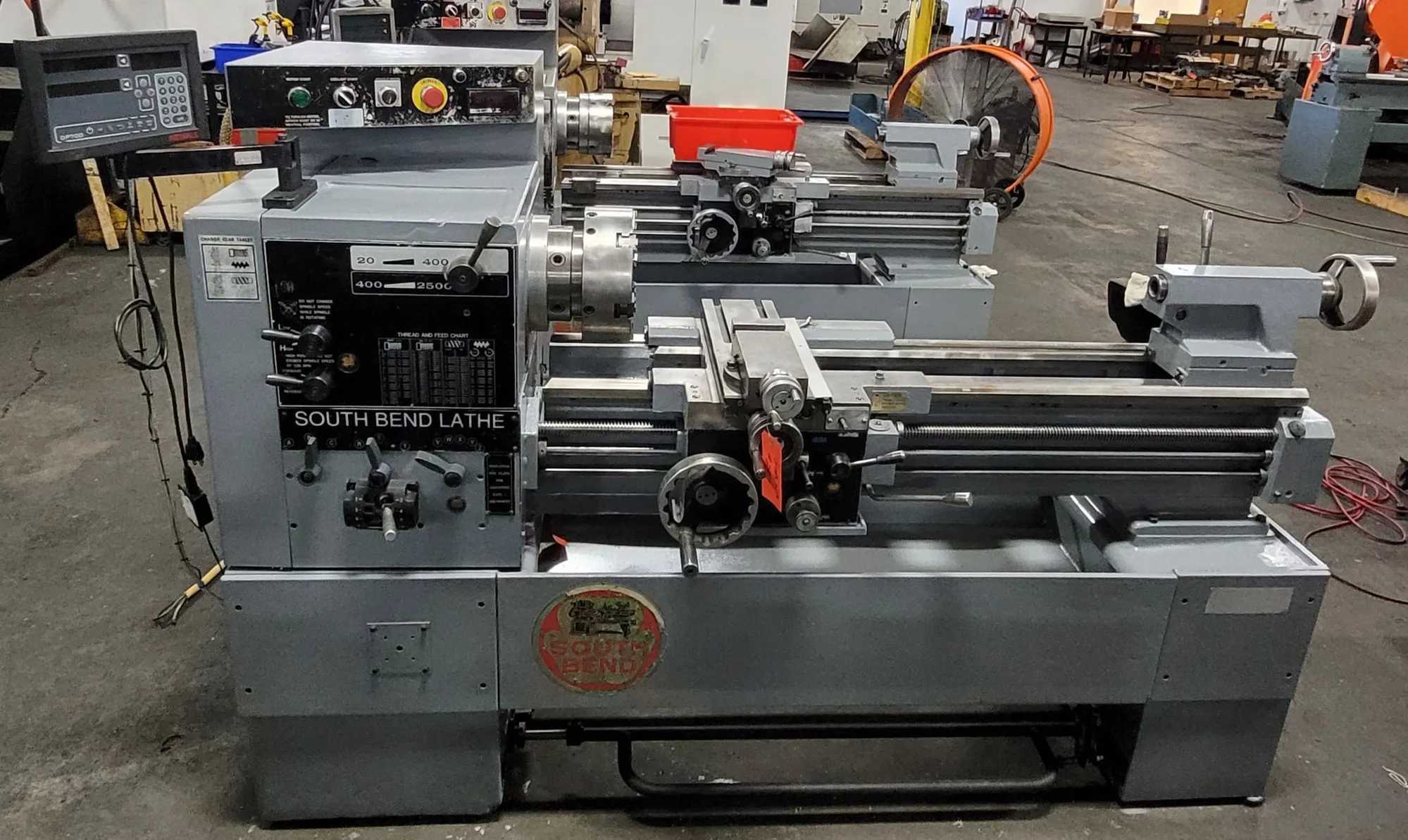
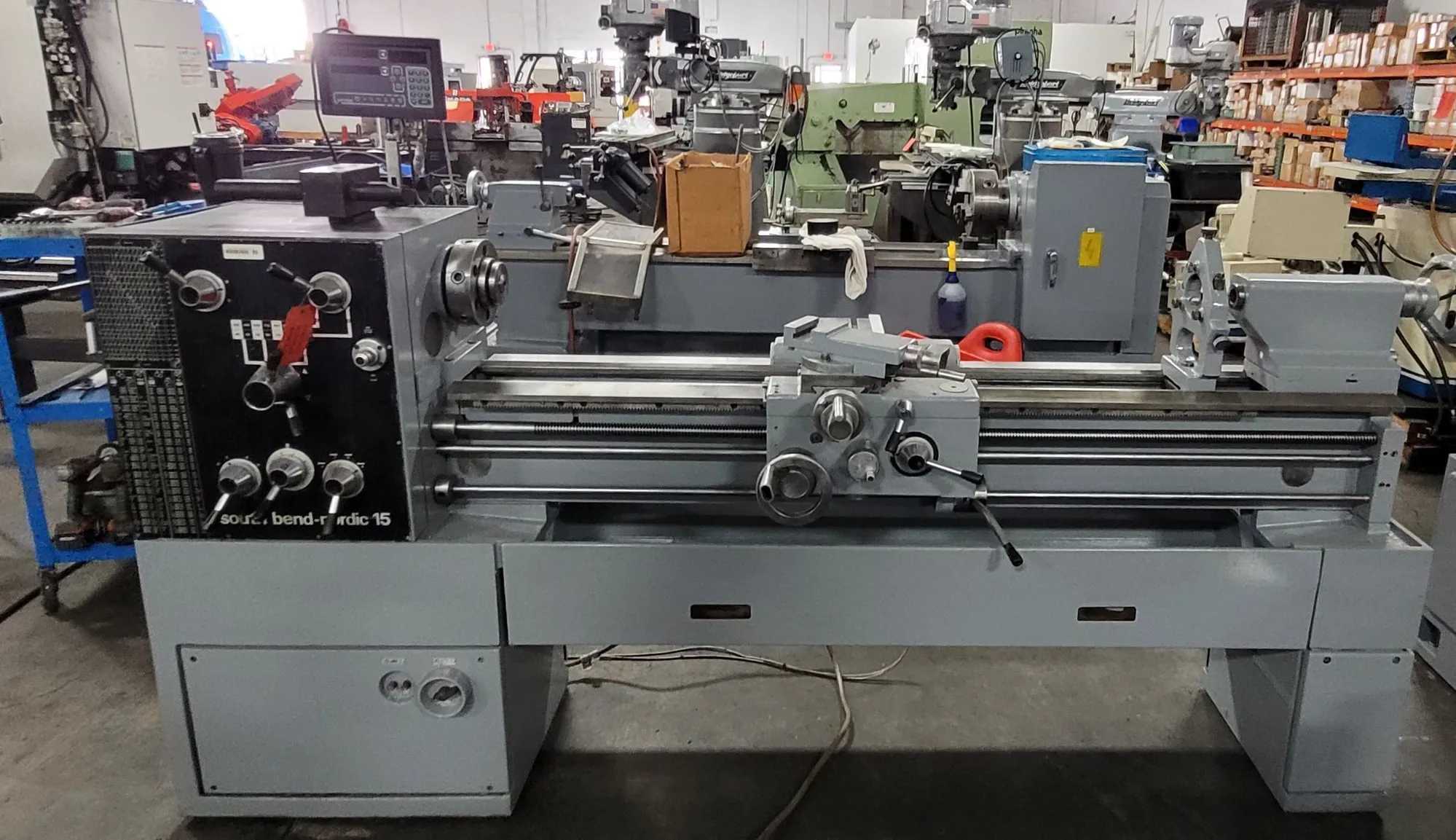
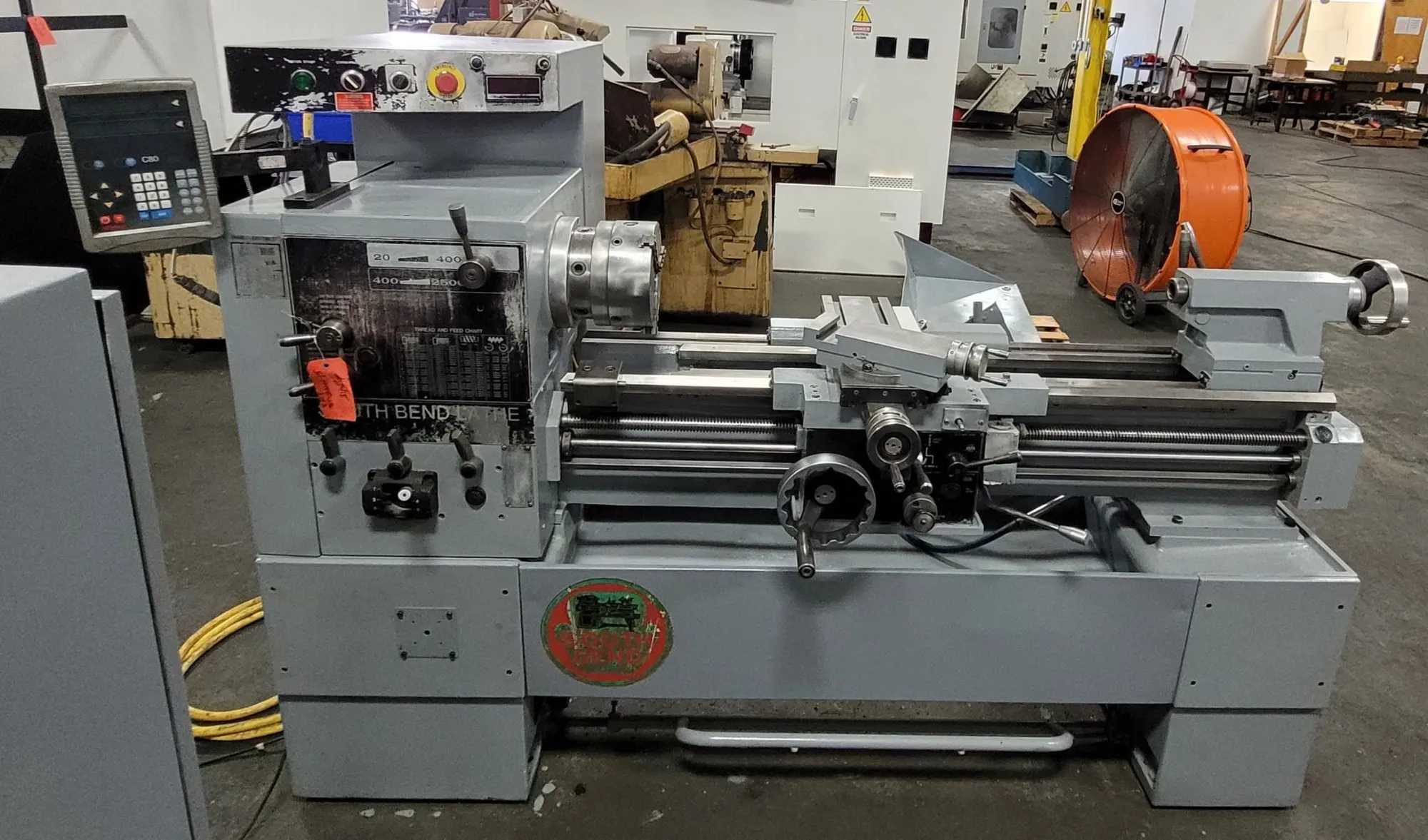
South Bend 1640 Engine Lathe, 16" x 40", 2.25" Spindle Bore, Newall DRO
$8,950
$148/moKentucky
Specifications & Market Value
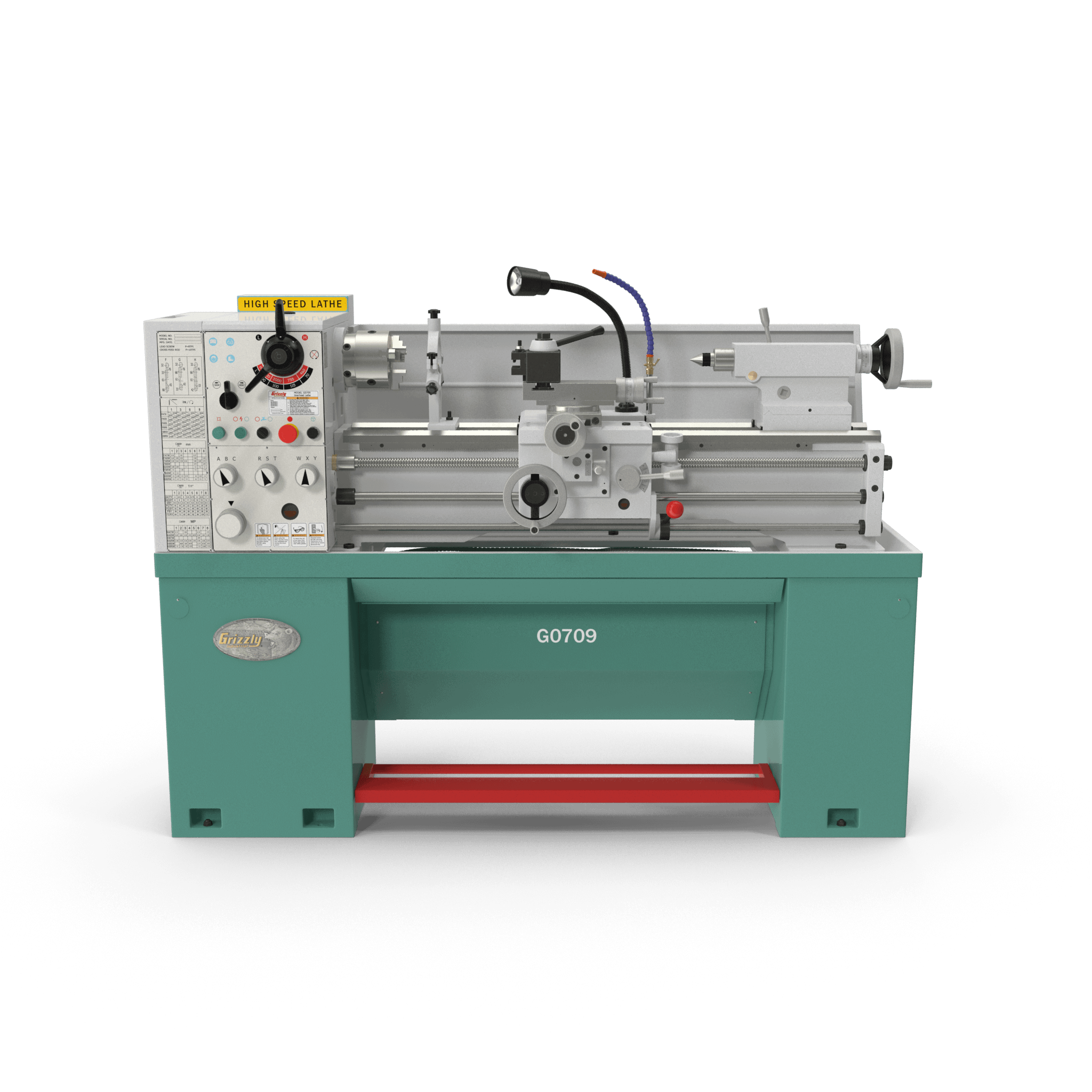
 Reference image
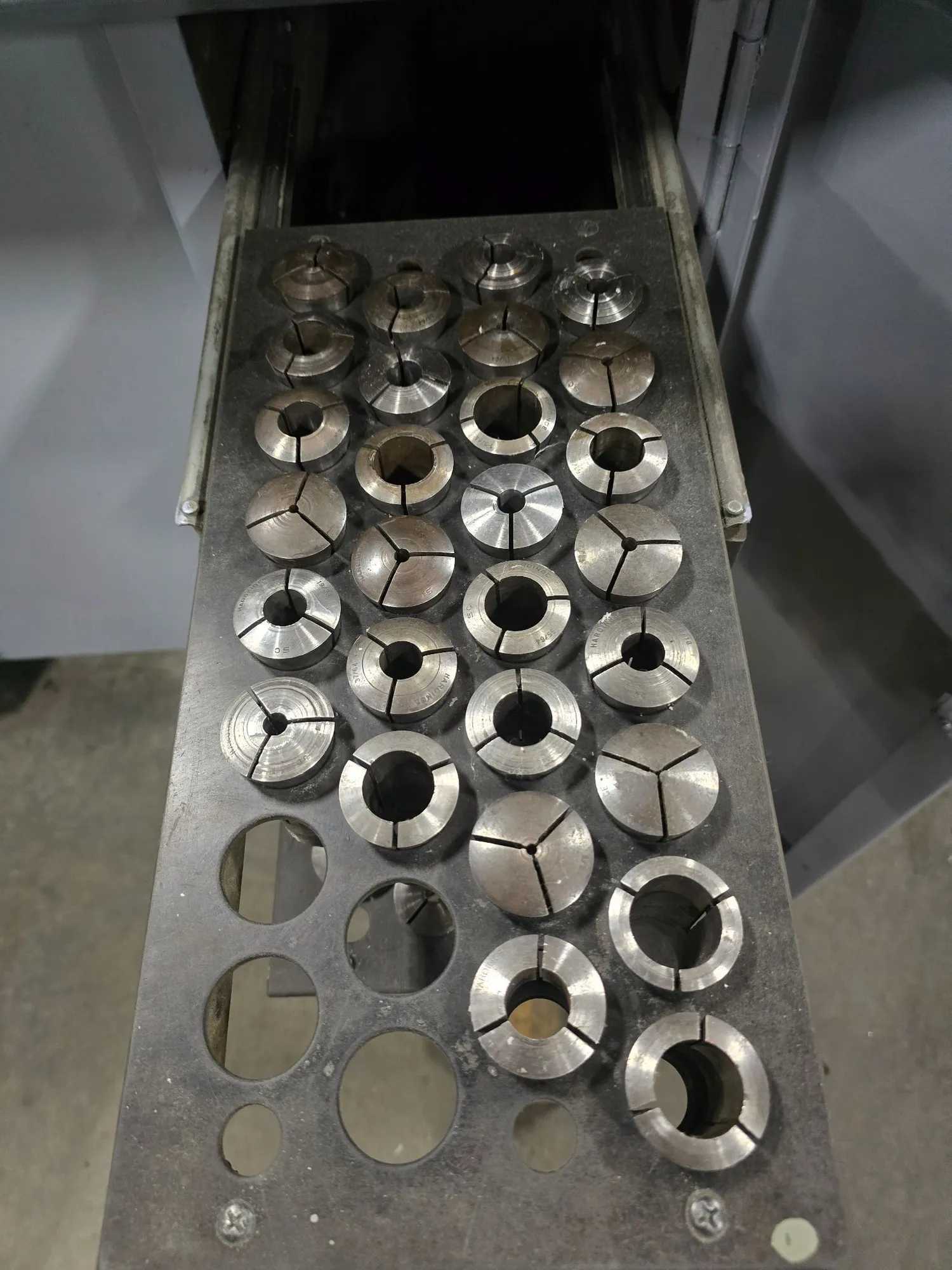
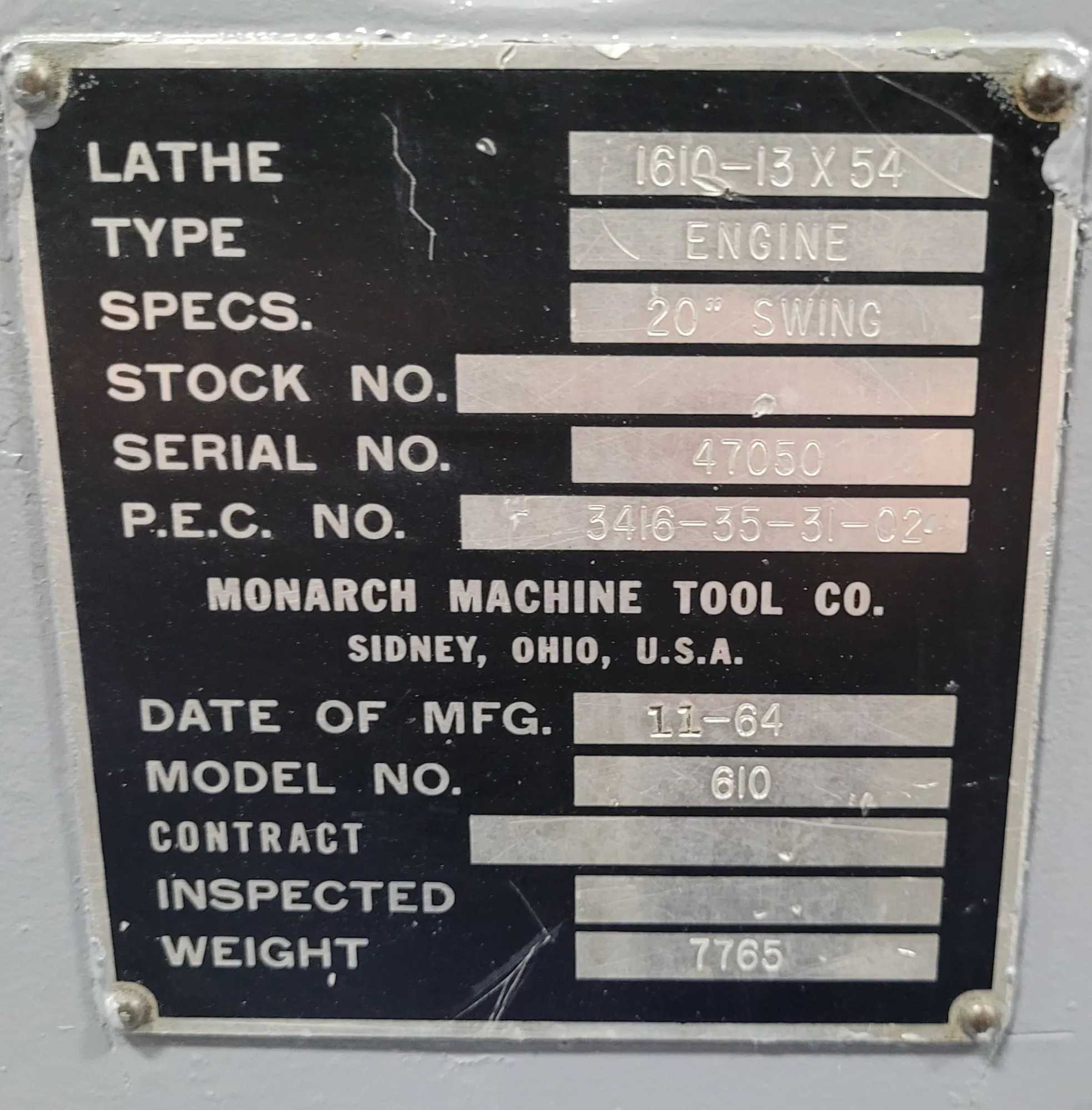
The South Bend 8155-E Manual Lathe is a precision-engineered engine lathe designed for heavy-duty and general-purpose machining applications. With a 20-inch swing over the bed and a distance between centers of 53 inches, this lathe provides ample capacity for handling large and awkward workpieces, making it ideal for tasks such as turning, boring, facing, and threading. The lathe features a robust construction with hardened and ground bedways, ensuring long-term accuracy and durability. The spindle bore measures 1.5 inches, allowing for the passage of larger stock and facilitating bar work. The headstock is equipped with a Morse taper No. 3 center, providing secure workholding and compatibility with a wide range of tooling accessories. The lathe is supplied with standard equipment including a thread indicator dial, thread cutting stop, small face plate, heat-treated steel tool post, and adjustable thread cutting stop, ensuring efficient and precise operation. The carriage lock screw, located on the right-hand front wing of the saddle, enables secure locking of the carriage for cutting-off and precision facing operations. The back of the saddle is machined to accept a taper attachment, and the saddle bridge is prepared for a follower rest, enhancing versatility for complex machining tasks. The lathe is designed for ease of operation, with conveniently placed controls that minimize operator fatigue. Its combination of large capacity, precision, and user-friendly features makes the South Bend 8155-E Manual Lathe a valuable asset in any shop requiring reliable and accurate machining of both large and small parts.
Specifications, market trends, and valuation estimates are compiled from manufacturer documentation, historical sales, and industry sources. While care is taken to ensure accuracy, this information is provided for reference purposes only and may contain errors or omissions. Users should independently verify all data before making buying or selling decisions. Valuations do not represent guaranteed transaction prices or binding offers, and Aucto assumes no liability for decisions made using this data.
Spot an error or missing detail? Help us keep our equipment guides accurate for the community.

 A+
A+ Auction Value
$1,709
 Range$250 – $2,495
 Sells in ~ 30 days
 Retail Value
—
Sells in ~ 180 days
Item functions as originally intended, shows signs of normal wear. Change the condition to see how it moves both values.
| Attribute | SelectedSOUTH BEND 8155-E MANUAL LATHE | SOUTH BEND 8183C MANUAL LATHE | |
|---|---|---|---|
| OEM | SOUTH BEND | SOUTH BEND | |
| Model | 8155-E | 8183C | |
| Year | - | - | |
| Max Swing | 20.00 '' | 14.25 '' | |
| Distance Between Centers | 53.00 '' | 40.00 '' | |
| Spindle Bore Diameter | 1.50 '' | 1.00 '' | |
| Similarity | — | 99% | |
| Auction Value$250 - $2,495Retail Value— | Auction Value$500 - $3,000Retail Value— | |
| Current Machine | View Details |
Marketplace