Buy Now
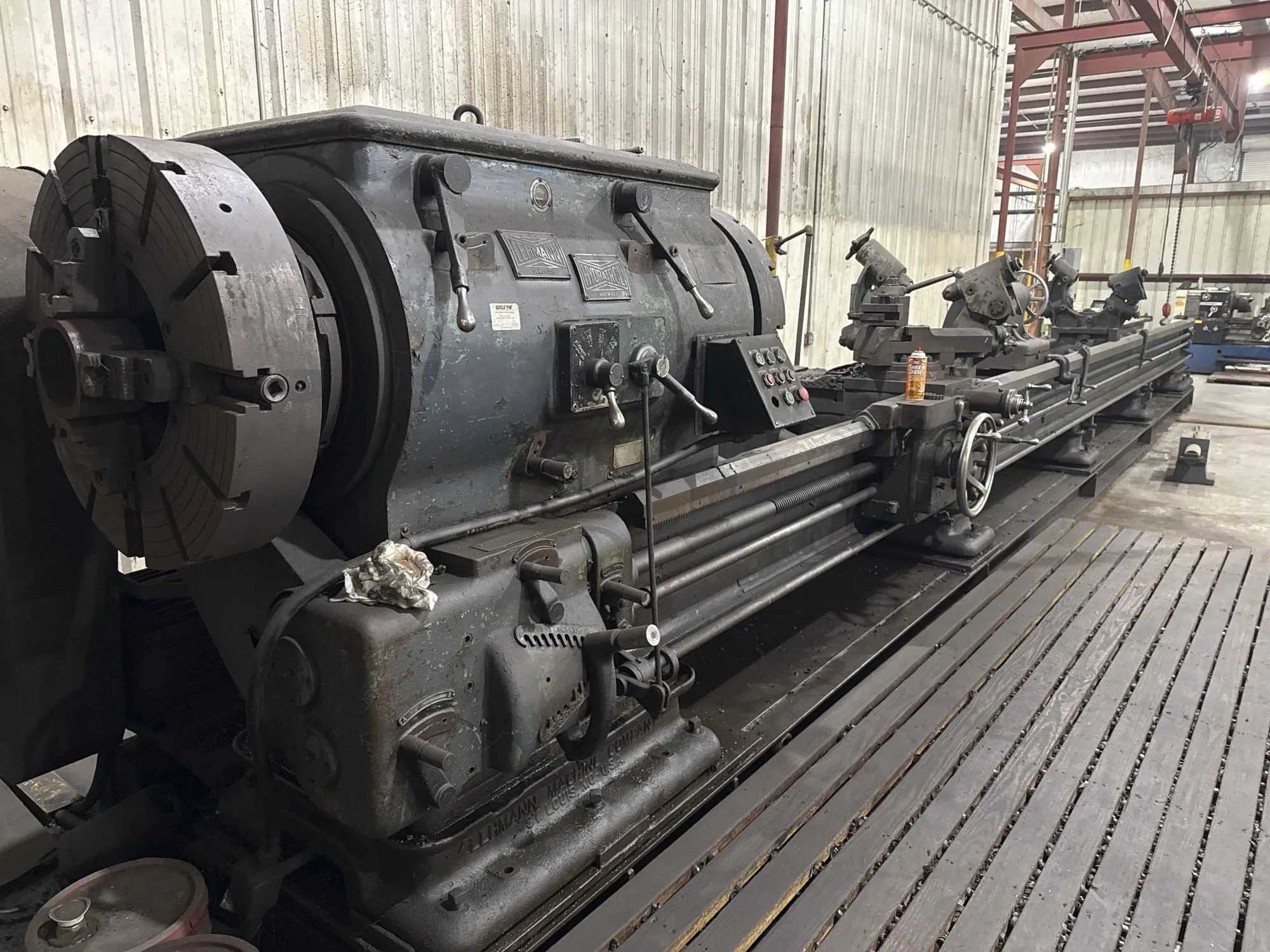
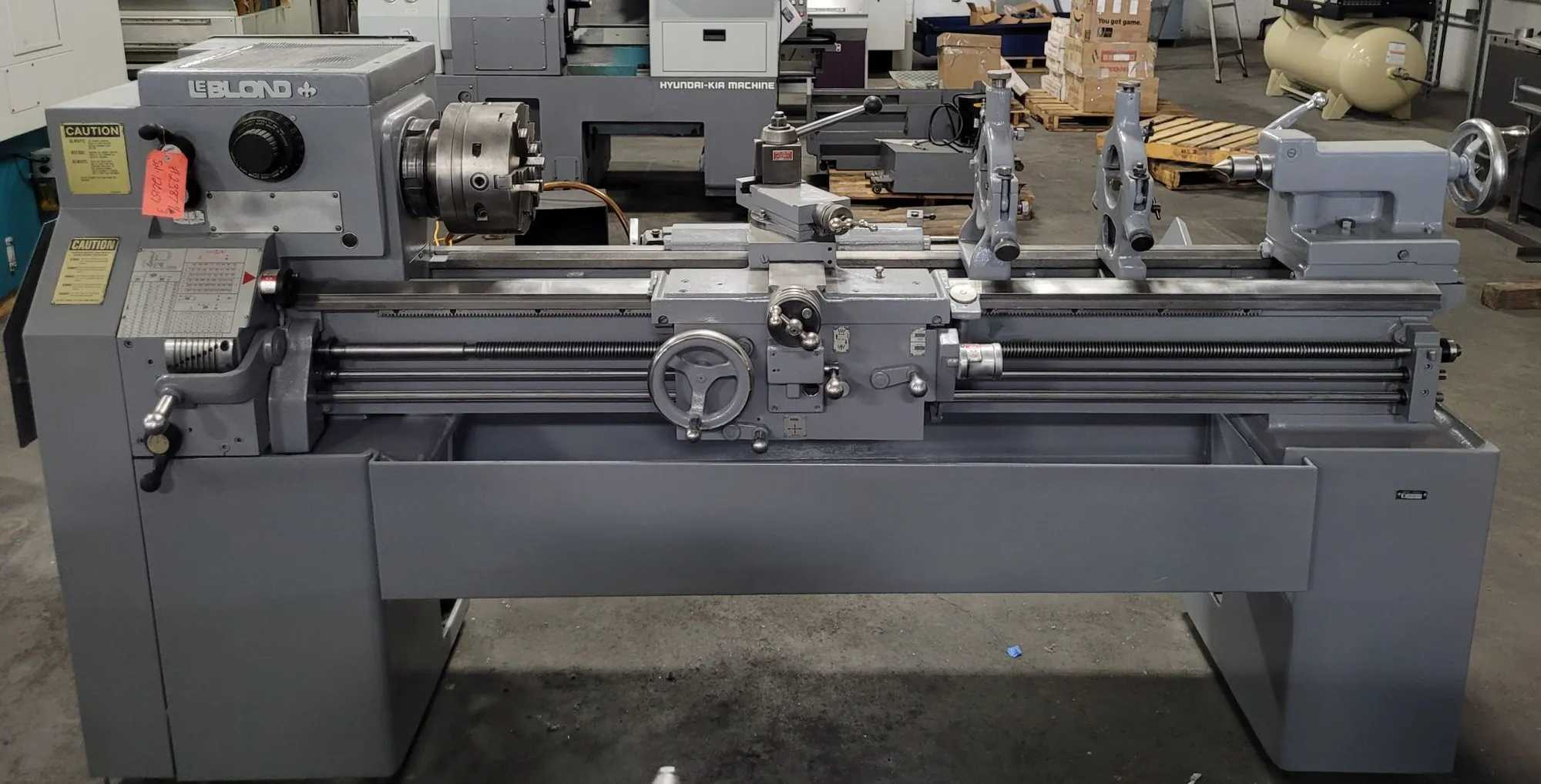
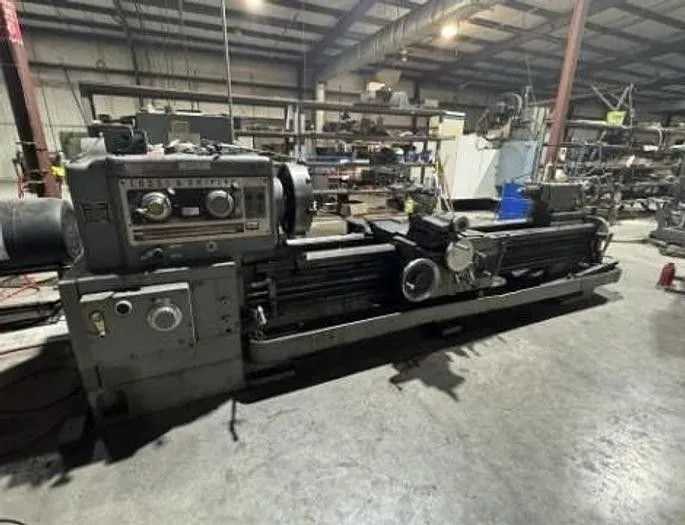
Engine Lathe, 25in Swing, 120in Centers, 15 HP, 10250 lbs
$24,500
$406/moKentucky
Specifications & Market Value
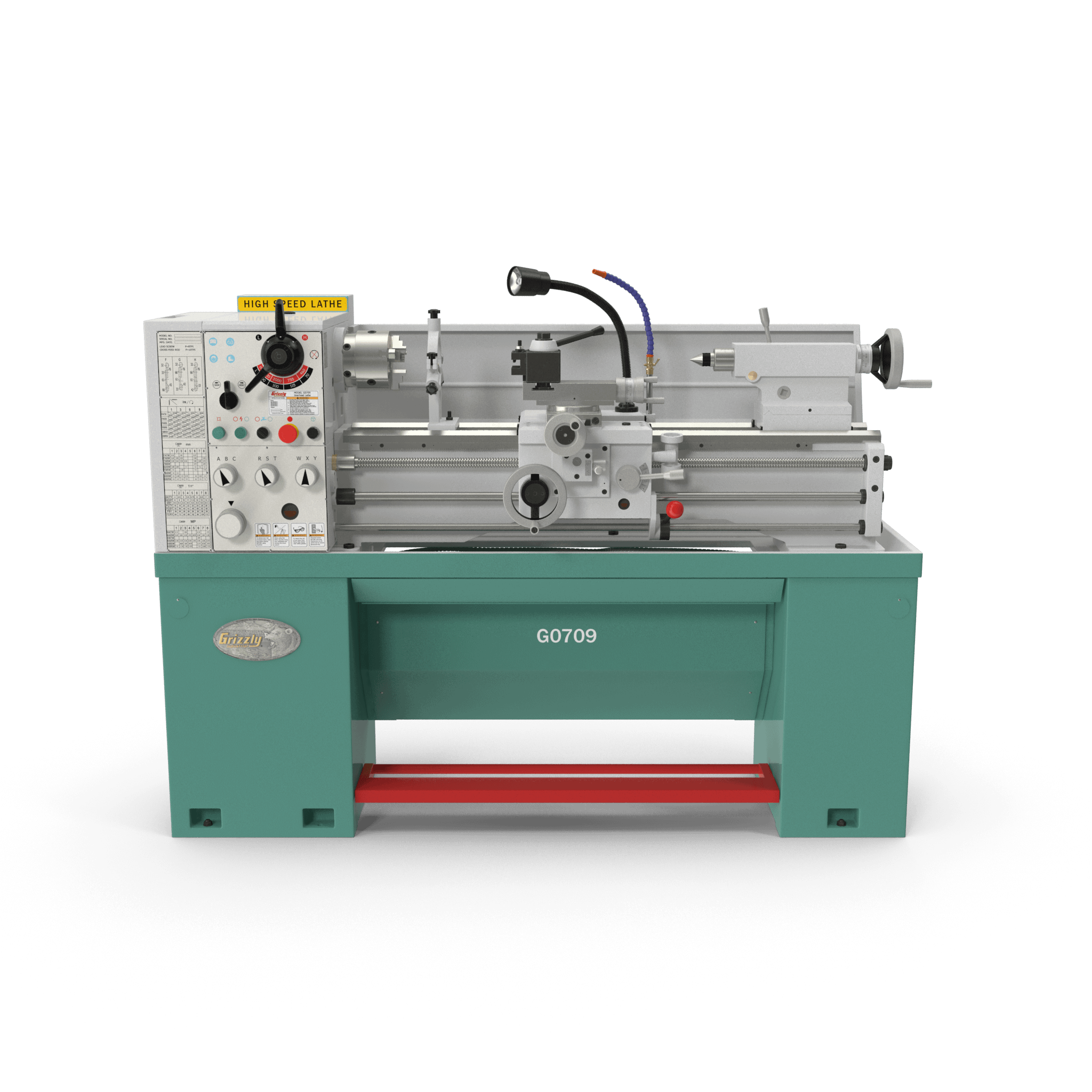
 Reference image
The STANKO 1M63B Manual Lathe is a heavy-duty engine lathe designed for precision turning of large workpieces. It features a 28-inch swing over the bed and 120 inches between centers, accommodating substantial workpiece lengths. The lathe is equipped with a robust 22 HP motor, delivering reliable power for demanding machining tasks. The spindle offers a 3-1/4-inch bore and a maximum speed of 1,250 RPM, ensuring versatility across a range of materials and operations. A 20-inch solid 4-jaw chuck provides secure workholding, while the quick-change toolpost with four tool holders enables efficient tool setup and changeover. The machine includes a Mitutoyo KA digital readout (DRO) for accurate positioning, a leadscrew with 2 TPI for threading, and a thread dial for precise thread cutting. Rapid travel is available for increased productivity, and a steady rest is included for supporting long workpieces. The tailstock features a Morse Taper No. 5 (MT5) for compatibility with standard tooling. A taper attachment is provided for machining tapered surfaces. The lathe is powered by a 440V, 3-phase, 60Hz electrical supply, suitable for industrial environments. This machine combines durability, precision, and a comprehensive set of features, making it ideal for heavy-duty turning applications in manufacturing and repair settings.
Specifications, market trends, and valuation estimates are compiled from manufacturer documentation, historical sales, and industry sources. While care is taken to ensure accuracy, this information is provided for reference purposes only and may contain errors or omissions. Users should independently verify all data before making buying or selling decisions. Valuations do not represent guaranteed transaction prices or binding offers, and Aucto assumes no liability for decisions made using this data.
Spot an error or missing detail? Help us keep our equipment guides accurate for the community.

 A+
A+ Auction Value
$13,810
 Range$2,500 – $19,900
 Sells in ~ 30 days
 Retail Value
—
Sells in ~ 180 days
Item functions as originally intended, shows signs of normal wear. Change the condition to see how it moves both values.
| Attribute | SelectedSTANKO 1M63B MANUAL LATHE | STANKO 1M63 MANUAL LATHE | |
|---|---|---|---|
| OEM | STANKO | STANKO | |
| Model | 1M63B | 1M63 | |
| Year | - | - | |
| Max Swing | 28.00 '' | 24.80 '' | |
| Chuck Size | 20 - 20 | 16 - 16 | |
| Spindle Bore Diameter | 3.25 '' | 2.88 '' | |
| Max Spindle Speed | 1,250.00 | 1,250.00 | |
| Distance Between Centers | 120.00 '' | 118.90 '' | |
| Similarity | — | 99% | |
| Auction Value$2,500 - $19,900Retail Value— | Auction Value$2,000 - $10,719Retail Value— | |
| Current Machine | View Details |
Marketplace