Buy Now
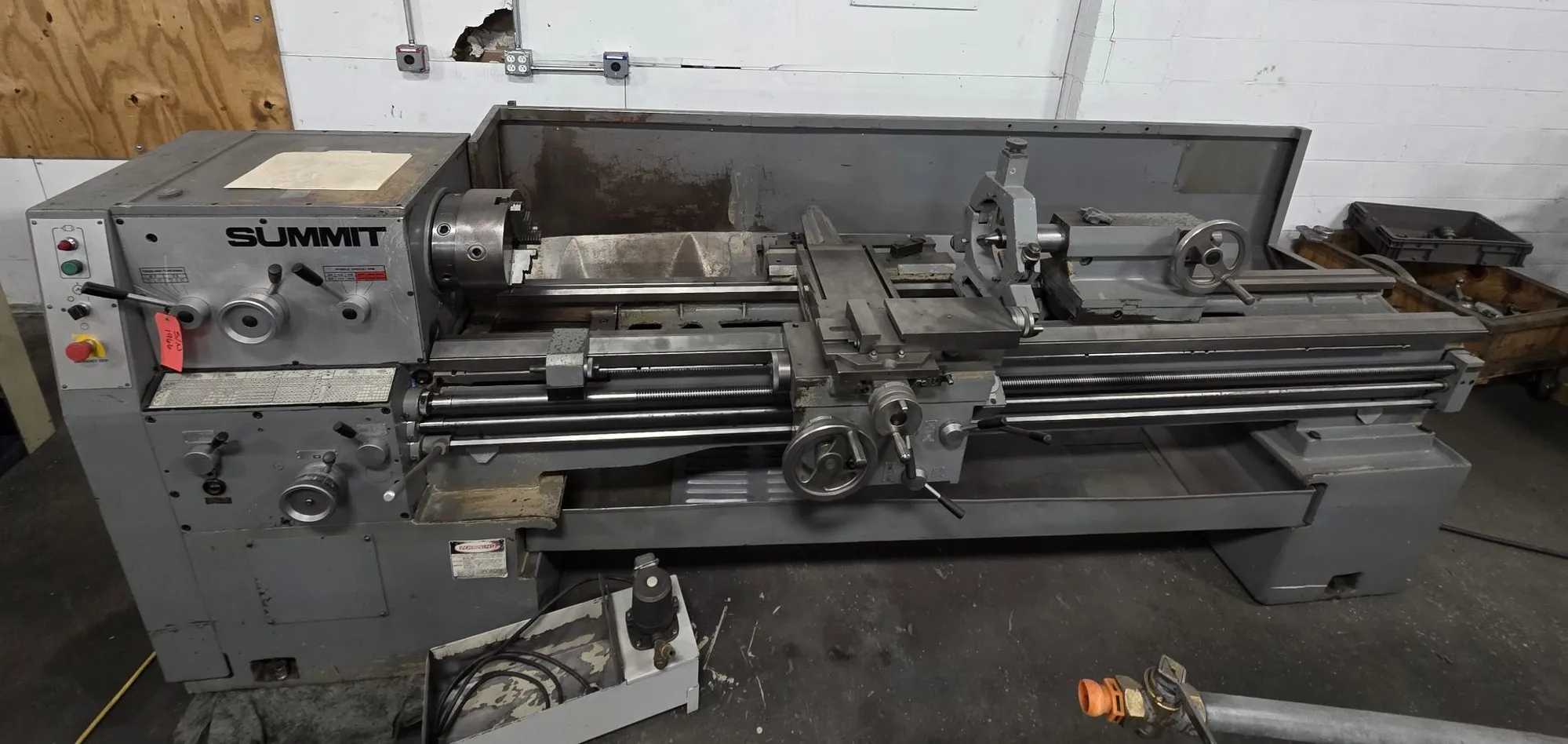
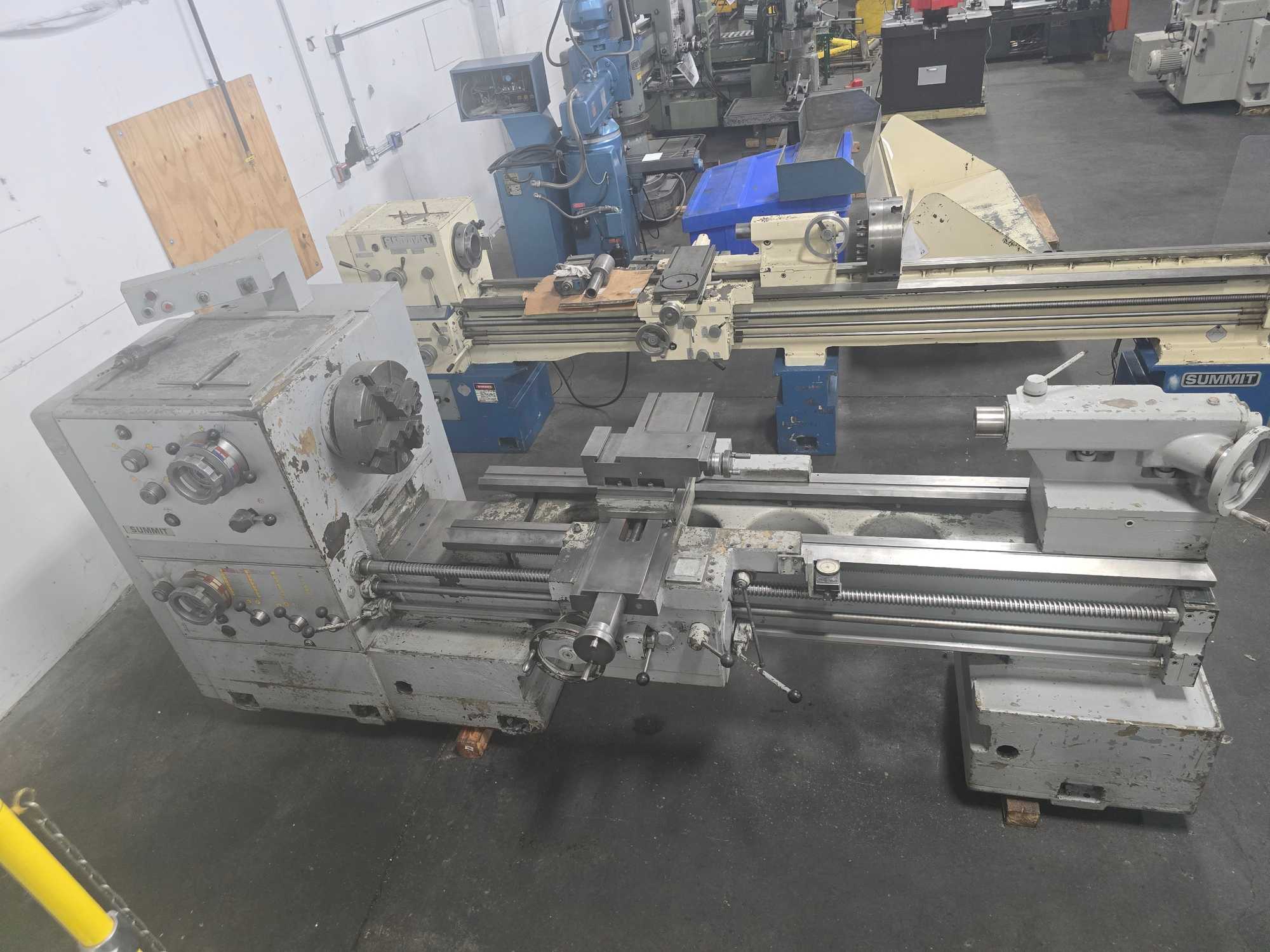
SUMMIT 26-4 X 60 GAP BED LATHE 26IN SWG 75IN CTRS 4.125IN BORE 4J CK 230V 3PH 7600LB
$9,950
$165/moKentucky
Specifications & Market Value
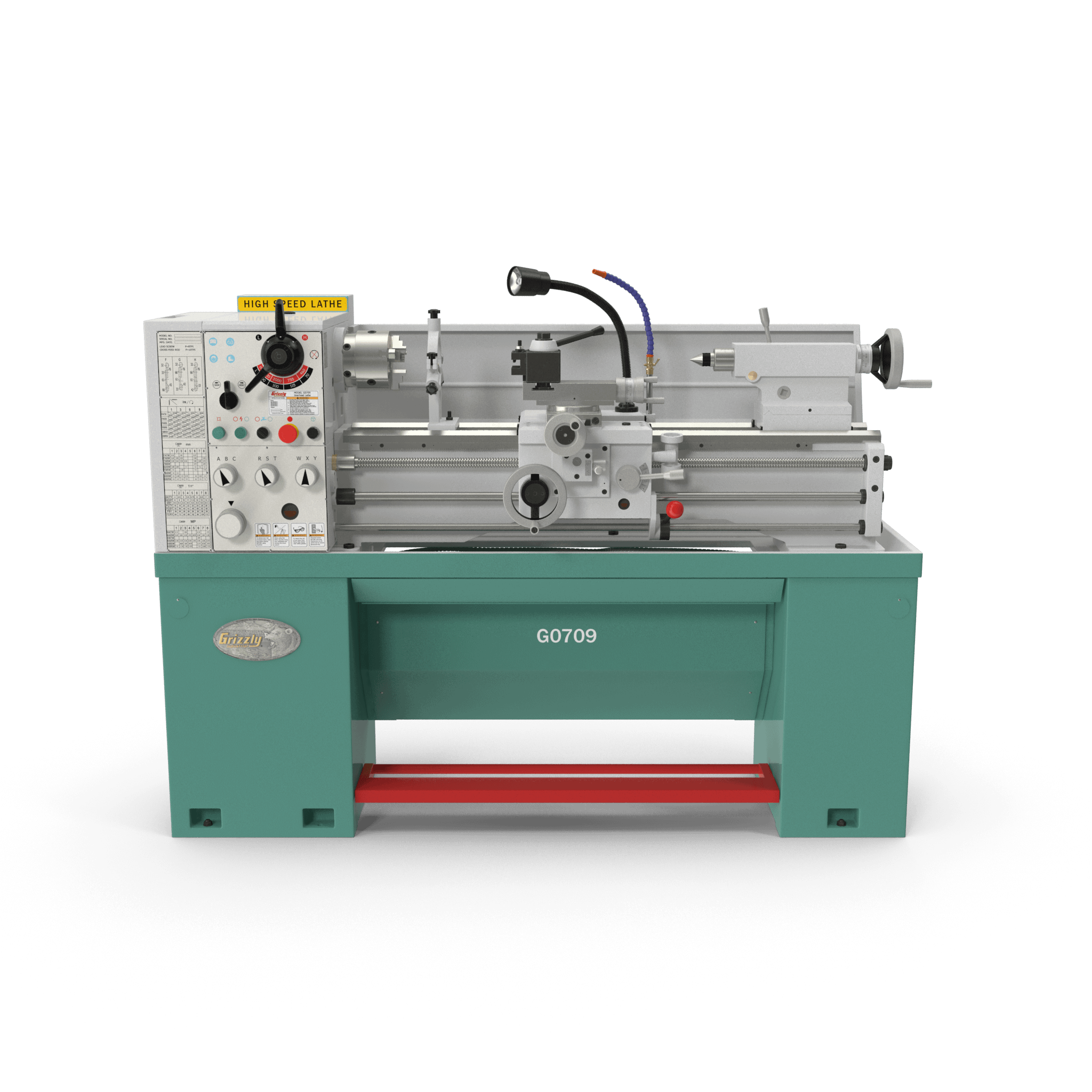
 Reference image
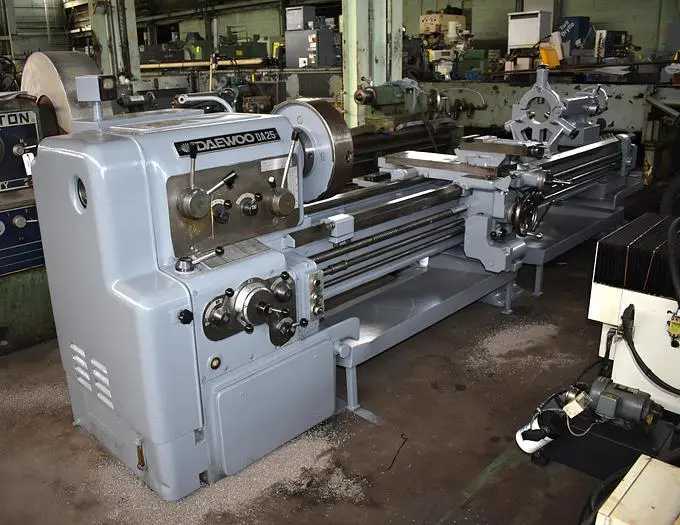
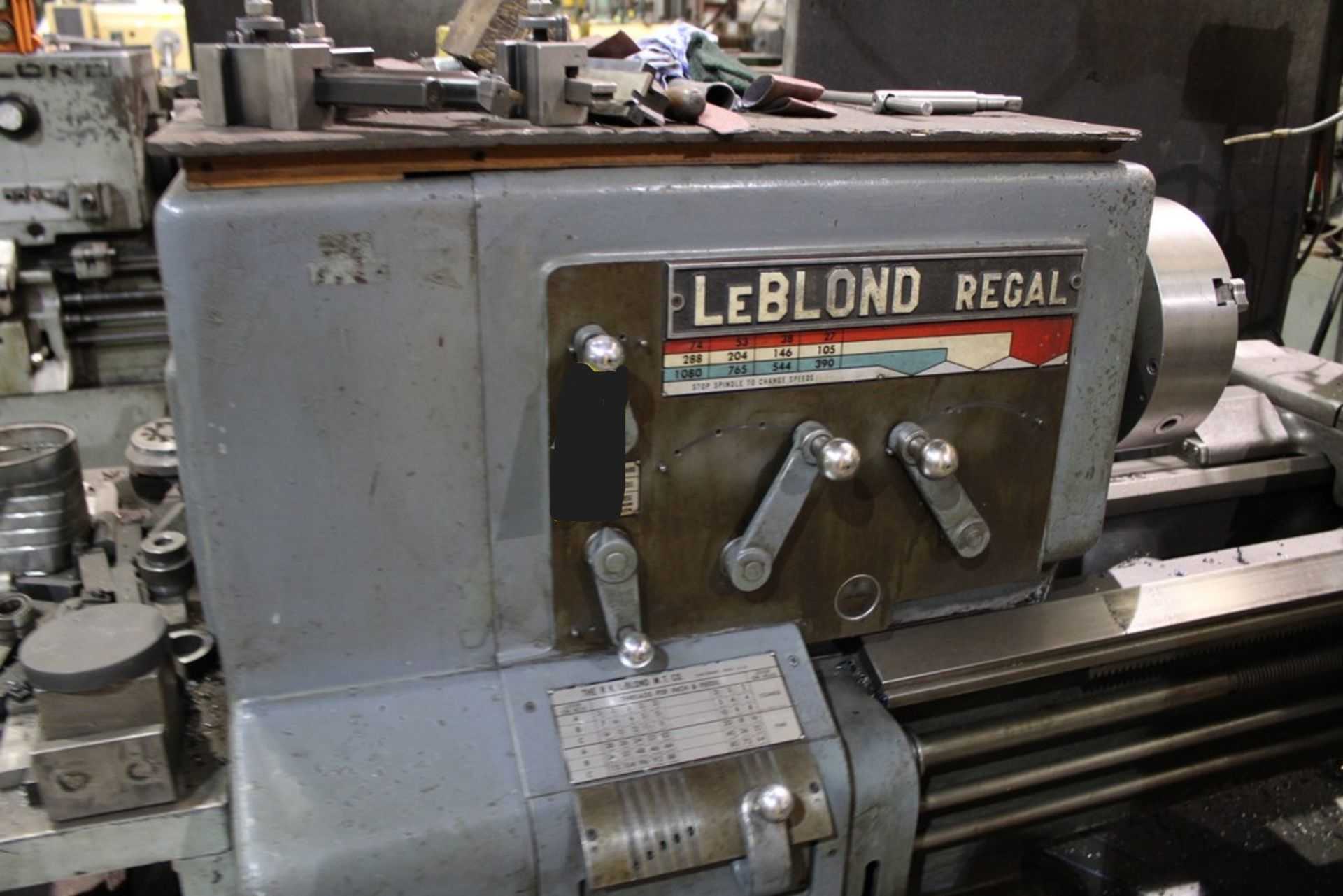
The Summit 40" Rised 50"x240 is a heavy-duty manual engine lathe engineered for large-scale turning, facing, and boring operations. With a substantial 50-inch swing and 66-inch swing-in-gap capacity, this machine accommodates oversized workpieces while maintaining operational flexibility. The 20-foot center distance enables extended shaft and cylindrical work, supported by a 6.125-inch spindle bore and 32-inch 4-jaw chuck for secure workholding. Operating across 6.3 to 800 RPM with 30 HP output, the lathe delivers variable throughput suitable for both roughing and finishing passes. Feed precision ranges from 0.0012 to 0.0183 inches per revolution for general turning and 0.0025 to 0.0200 inches per revolution for specialized work, enabling threading capabilities from 4 to 56 TPI and metric threads 1 to 7. The #6 Morse taper tailstock with 5.5-inch quill diameter and 7-inch travel accommodates drilling and reaming operations. Dual aprons with carriages, integrated taper attachments, and rapid traverse functionality on both units provide operational versatility. Steady and follow rests—24-inch roller type and 40-inch bronze pad versions—preserve accuracy and surface finish on long or thin workpieces. The 44,000-pound cast-iron bed ensures exceptional stability and vibration dampening, while the integrated coolant system optimizes tool life and part finish. At 350 inches length x 84 inches depth x 72 inches height, this machine represents industrial-grade capacity for production, prototype development, and precision component manufacturing.
Specifications, market trends, and valuation estimates are compiled from manufacturer documentation, historical sales, and industry sources. While care is taken to ensure accuracy, this information is provided for reference purposes only and may contain errors or omissions. Users should independently verify all data before making buying or selling decisions. Valuations do not represent guaranteed transaction prices or binding offers, and Aucto assumes no liability for decisions made using this data.
Spot an error or missing detail? Help us keep our equipment guides accurate for the community.

 A+
A+ Auction Value
$61,675
 Range$10,000 – $89,500
 Sells in ~ 30 days
 Retail Value
—
Sells in ~ 180 days
Item functions as originally intended, shows signs of normal wear. Change the condition to see how it moves both values.
| Attribute | SelectedSUMMIT 40" RISED 50"X240 MANUAL LATHE | SUMMIT 20-4X60 MANUAL LATHE | |
|---|---|---|---|
| OEM | SUMMIT | SUMMIT | |
| Model | 40" RISED 50"X240 | 20-4X60 | |
| Year | - | - | |
| Distance Between Centers | 240.00 '' | 60.00 '' | |
| Chuck Size | 32 - 32 | 12 - 12 | |
| Max Swing | 50.00 '' | 20.13 '' | |
| Max Spindle Speed | 800.00 RPM | 1,500.00 | |
| Spindle Bore Diameter | 6.13 '' | 4.13 '' | |
| Spindle Power | 50.00 HP | — | |
| Similarity | — | 99% | |
| Auction Value$10,000 - $89,500Retail Value— | Auction Value$10,000 - $71,222Retail Value— | |
| Current Machine | View Details |
Marketplace