Buy Now
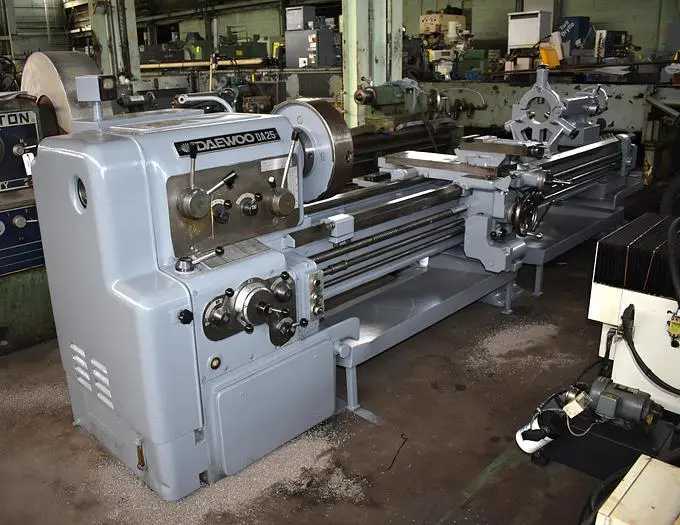
Engine Lathe, 25in Swing, 120in Centers, 15 HP, 10250 lbs
$24,500
$406/moKentucky
Specifications & Market Value
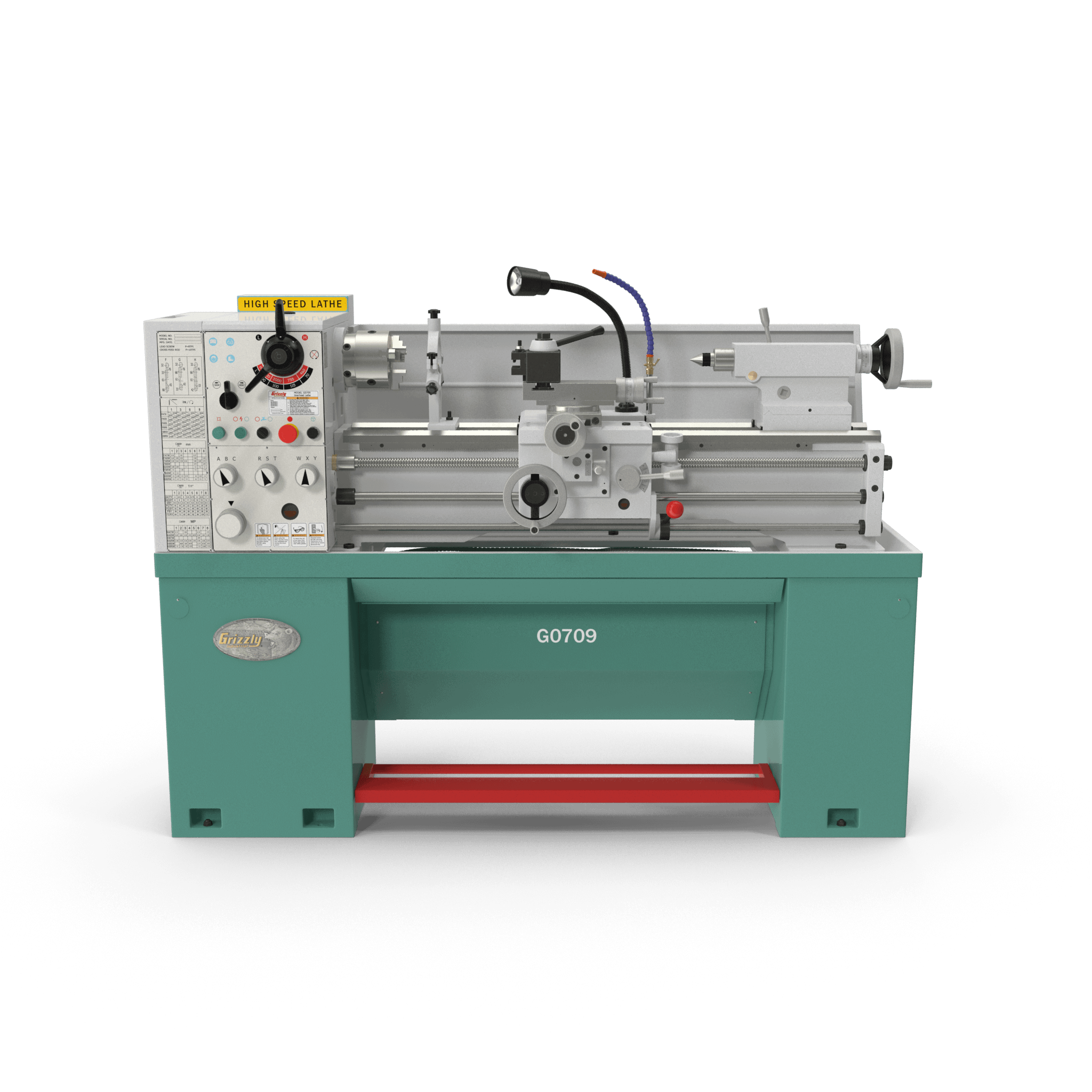
 Reference image
The Takisawa TAC-950/2000 is a robust manual lathe designed for machining large and long workpieces with high precision. It features a substantial swing of 37.4 inches and centers extending up to 93.3 inches, enabling it to handle substantial diameters and lengthy parts. The spindle bore diameter measures 4.1 inches, allowing for the accommodation of large diameter bar stock. Powered by a 24.0 HP motor, the lathe delivers a maximum spindle speed of 850 RPM, suitable for heavy-duty cutting operations. The machine offers a swing over the cross slide of 23.6 inches, providing versatility in operations involving cross-slide tooling. Despite being manual, the lathe integrates CNC control to enhance accuracy, repeatability, and ease of operation, bridging traditional manual machining with modern control capabilities. This combination allows for efficient production of medium to large-sized components with demanding dimensional and surface finish requirements. The machine’s construction and specifications reflect a focus on durability and precision machining, suitable for industries needing reliable lathe performance for sizable workpieces. Overall, the Takisawa TAC-950/2000 manual lathe with CNC control is a powerful solution for heavy-duty turning tasks requiring significant work envelope and precise control.
Specifications, market trends, and valuation estimates are compiled from manufacturer documentation, historical sales, and industry sources. While care is taken to ensure accuracy, this information is provided for reference purposes only and may contain errors or omissions. Users should independently verify all data before making buying or selling decisions. Valuations do not represent guaranteed transaction prices or binding offers, and Aucto assumes no liability for decisions made using this data.
Spot an error or missing detail? Help us keep our equipment guides accurate for the community.

 A+
A+ Auction Value
$37,300
 Range$10,000 – $52,000
 Sells in ~ 30 days
 Retail Value
—
Sells in ~ 180 days
Item functions as originally intended, shows signs of normal wear. Change the condition to see how it moves both values.
Marketplace

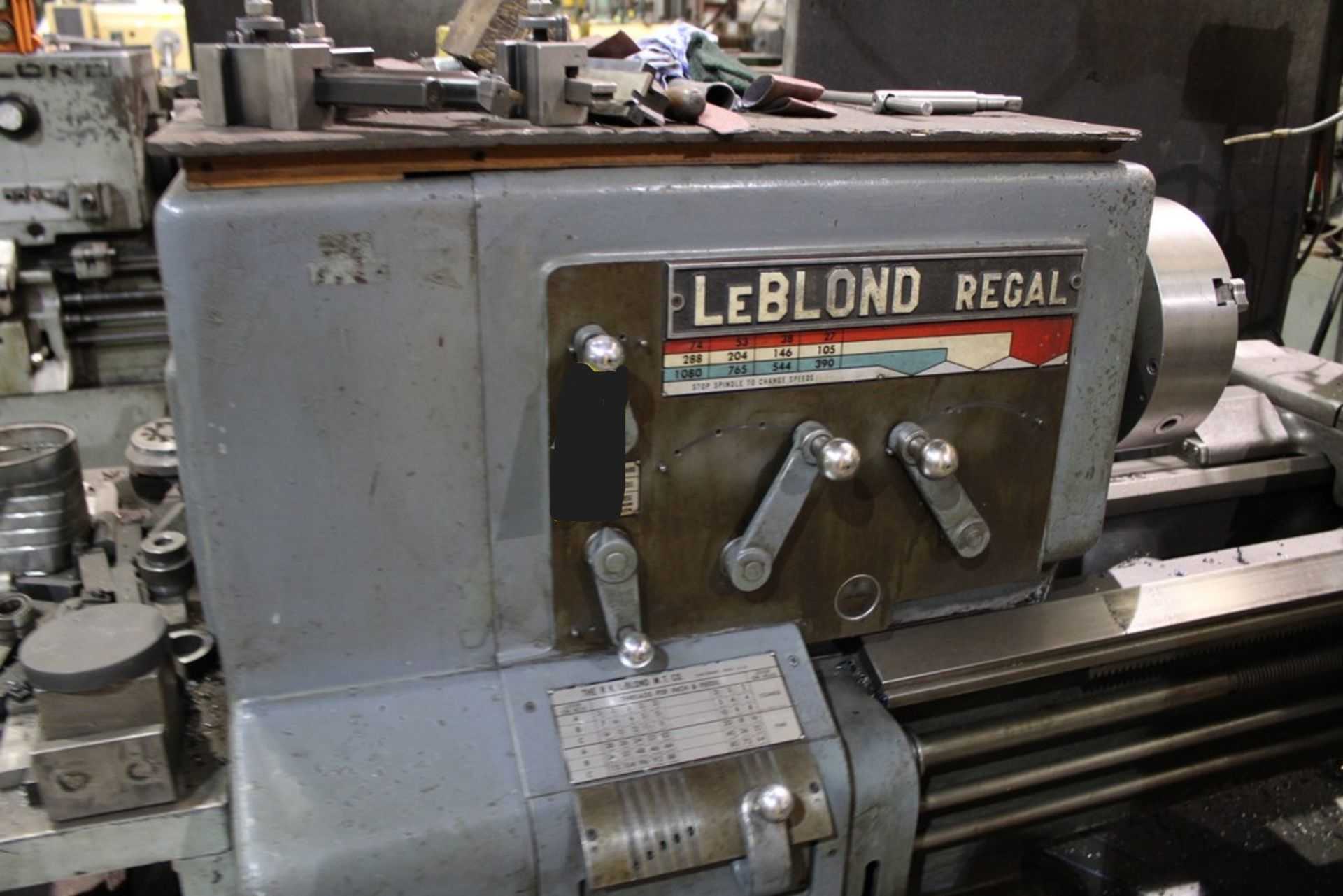

| Attribute | SelectedTAKISAWA TAC-950/2000 MANUAL LATHE | TAKISAWA TAC-800/2000 MANUAL LATHE | |
|---|---|---|---|
| OEM | TAKISAWA | TAKISAWA | |
| Model | TAC-950/2000 | TAC-800/2000 | |
| Year | - | - | |
| Distance Between Centers | 93.30 '' | 78.74 '' | |
| Spindle Bore Diameter | 4.10 '' | 4.53 '' | |
| Max Swing | 37.40 '' | 32.28 '' | |
| Similarity | — | 99% | |
| Auction Value$10,000 - $52,000Retail Value— | Auction Value$2,000 - $12,000Retail Value— | |
| Current Machine | View Details |