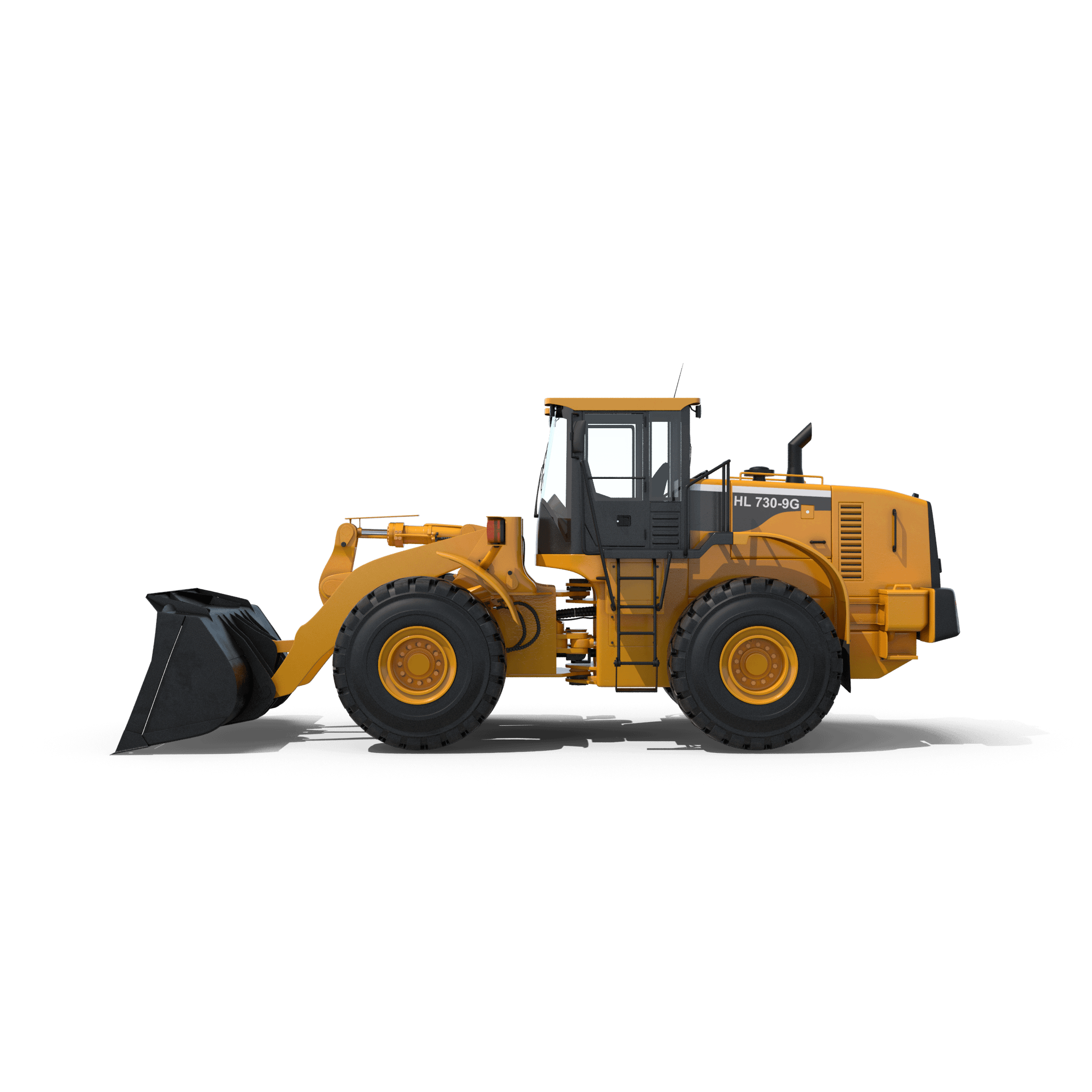
ZETTELMEYER ZL602SIB WHEEL LOADER
ZETTELMEYER · ZL602SIB
Specifications & Market Value
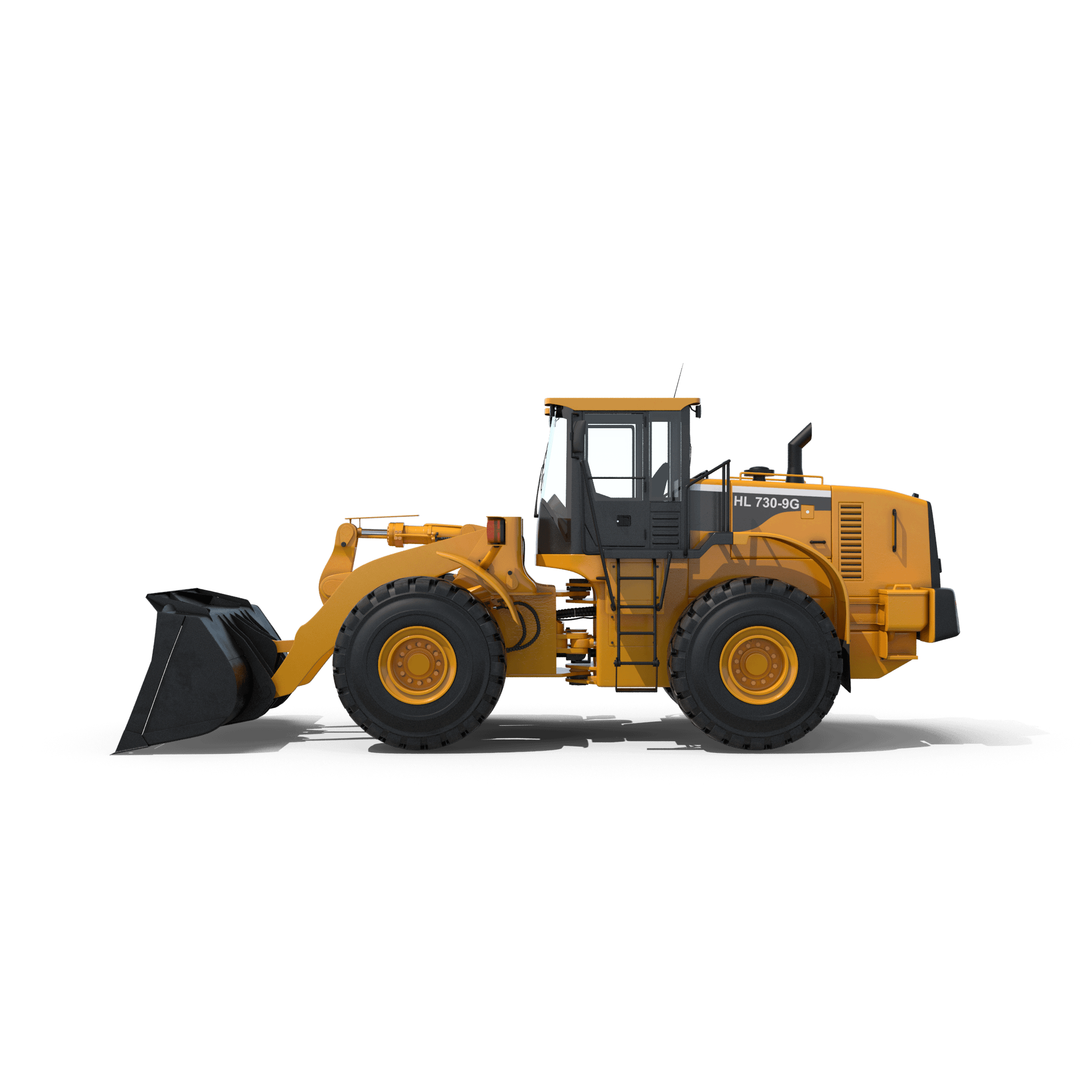
 Reference image
The TCM L3-2 is a compact wheel loader designed for efficiency and maneuverability in tight job sites. It features a 0.4 cubic yard heaped bucket with a width of 4.5 feet, offering a dump clearance of 6.1 feet at maximum raise and a reach of 1.9 feet at max lift and dump. The loader's overall dimensions include a height to the top of the cab at 7.8 feet, a length with the bucket on the ground of 11.3 feet, and a wheelbase measuring 5 feet. Powered by a D1105-K2A engine, it produces a net power output of 21.8 horsepower (16 kW). The loader has an operating weight of approximately 4,222 pounds (1,915 kg) and a static tipping weight of 2,976 pounds (1,350 kg). It uses 10-16, 70-16 -6PRL2 tires and has a fuel capacity of 8.8 gallons (30 liters). The transmission is a powershift type, providing symmetrical maximum speed capabilities of 9.4 mph forward and reverse. This combination of compact size, moderate power, and accessible controls makes the TCM L3-2 an effective machine for small to medium-scale material handling and earthmoving tasks in construction, landscaping, and industrial applications. The loader’s design prioritizes ease of operation, transportability, and versatility in handling various materials at jobsites with limited space.
Specifications, market trends, and valuation estimates are compiled from manufacturer documentation, historical sales, and industry sources. While care is taken to ensure accuracy, this information is provided for reference purposes only and may contain errors or omissions. Users should independently verify all data before making buying or selling decisions. Valuations do not represent guaranteed transaction prices or binding offers, and Aucto assumes no liability for decisions made using this data.
Spot an error or missing detail? Help us keep our equipment guides accurate for the community.

 A+
A+ Auction Value
$9,325
 Range$2,500 – $13,000
 Sells in ~ 30 days
 Retail Value
—
Sells in ~ 180 days
Item functions as originally intended, shows signs of normal wear. Change the condition to see how it moves both values.
Market Intelligence
ZETTELMEYER · ZL602SIB
ZETTELMEYER · ZL602 · 1995-1998
ZETTELMEYER · ZL601 · 1986-1995
BOBCAT · 2410 · 2008-2017
CATERPILLAR · 928F
LIUGONG · ZL18A · 1998-2003
ZETTELMEYER · ZL302 · 1988-2003
MICHIGAN · 475C · 1994-2023