TEREX TXC 180LC-2 CRAWLER EXCAVATOR
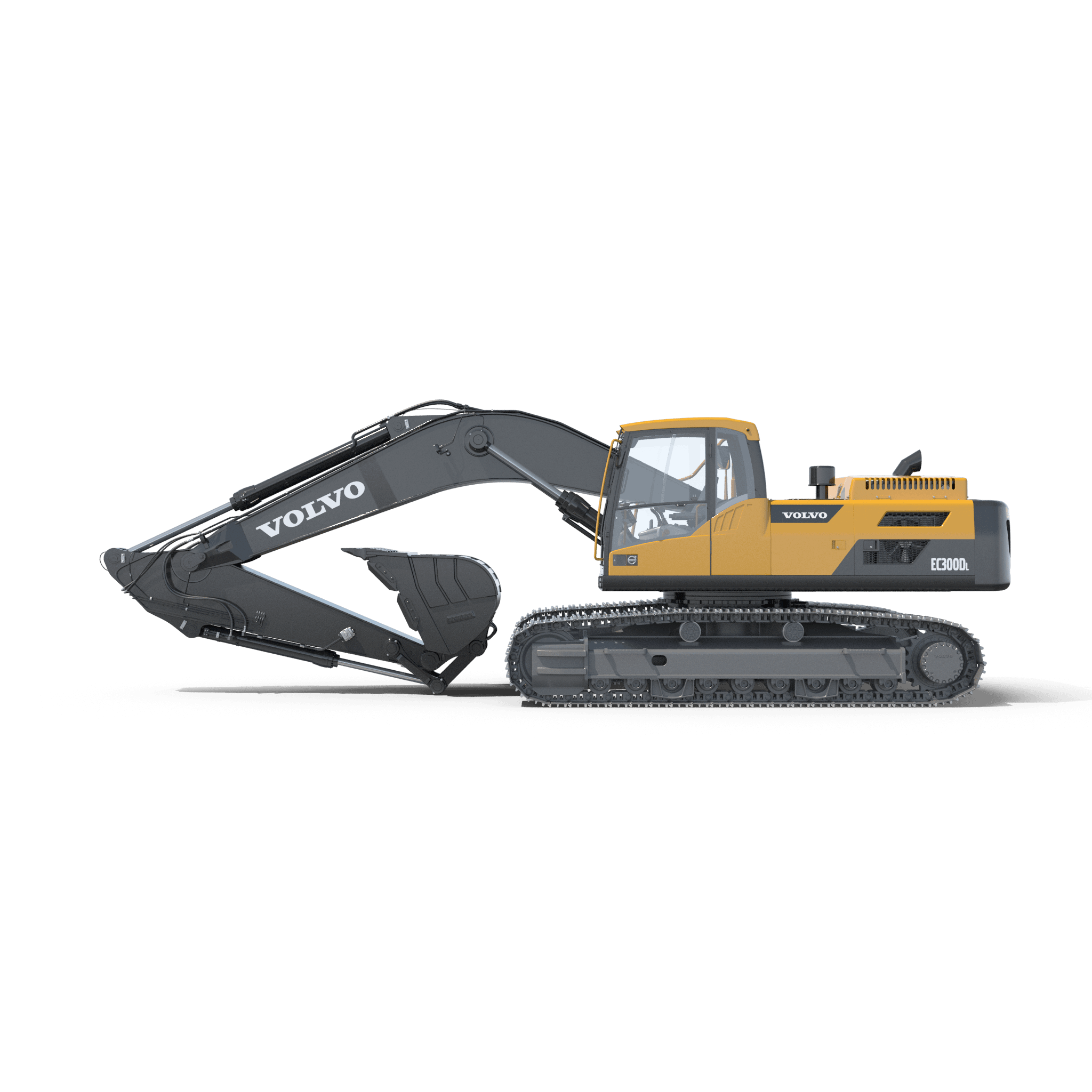
Equipment Overview
Share Link- OEM
- TEREX
- Model
- TXC 180LC-2
- Year of Manufacture
- -
- Category
- CRAWLER EXCAVATORS
Market Value Calculator
A+Technical Description
The Terex TXC 180LC-2 is a mid-size hydraulic excavator designed for versatile construction and demolition applications. Weighing 38,933 pounds with an operating height of 9.6 feet to the cab roof, this machine features a turbocharged DL06 engine delivering 118 horsepower and 347 foot-pounds of torque at rated speeds. The excavator offers three boom and stick configurations to accommodate varying project requirements, with maximum cutting heights ranging from 29.4 to 30.2 feet and digging depths extending to 21.8 feet. The reference bucket capacity is one cubic yard, expandable from 0.5 to 1.3 cubic yards depending on application needs. The hydraulic system operates at 4,699 psi relief pressure with an 80.4 GPM pump flow capacity and 49.2-gallon fluid reservoir. Ground pressure of only 6 psi enables operation on sensitive terrain, while the compact 7.3-foot track gauge facilitates access through restricted spaces. Maximum travel speed reaches 3.2 mph, and the swing mechanism rotates at 10.7 rpm. The undercarriage features 44 shoes per side with a 3.2-mile travel capability. Fuel capacity of 74 gallons supports extended operational periods, while the 24-volt electrical system provides reliable start capabilities. Maximum reach along ground spans 30.7 feet with the extended configuration, offering significant horizontal reach for loading and material handling tasks.
Technical Attributes
- Max Reach
- 29.47 ft
- Max Digging Depth
- 18.8 ft
- Boom Length
- 17.0 ft
Data Accuracy and Verification
Specifications and technical details are compiled from manufacturer documentation, historical records, and third-party industry sources. While care is taken to ensure accuracy, this information is provided for reference purposes only and may contain errors or omissions. Users should independently verify all details before relying on them.
If you identify any inaccuracies, please help us improve our data by reporting them here.