Buy Now
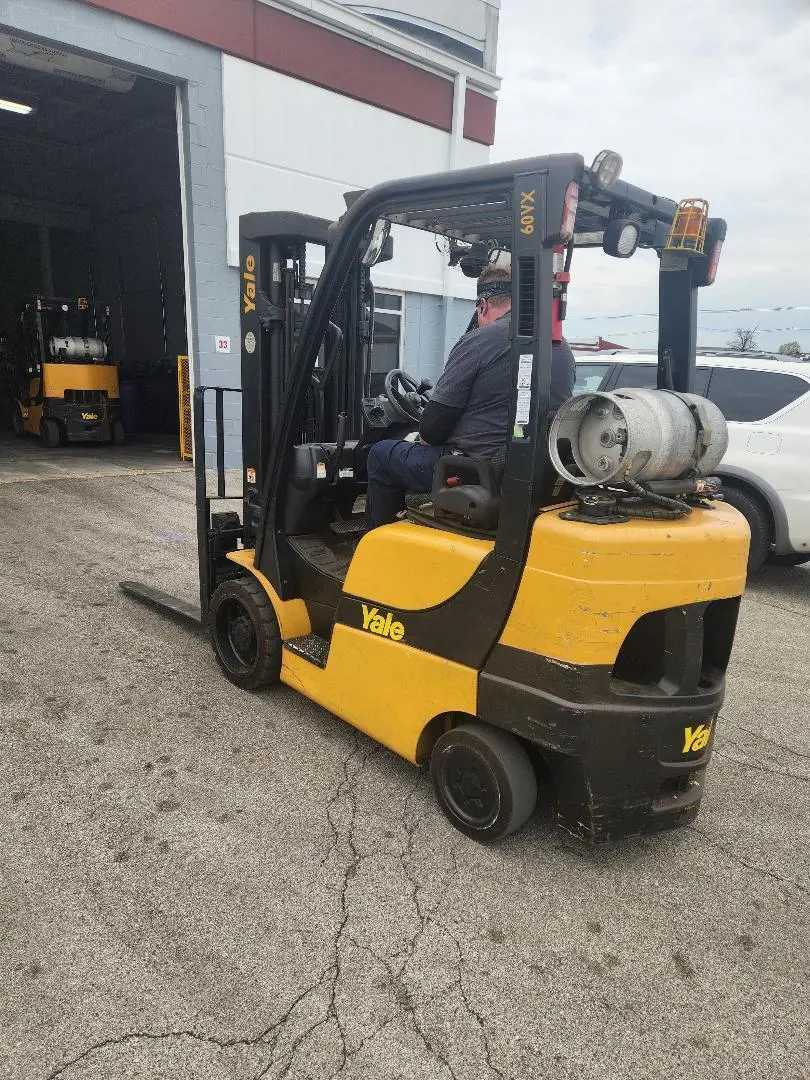
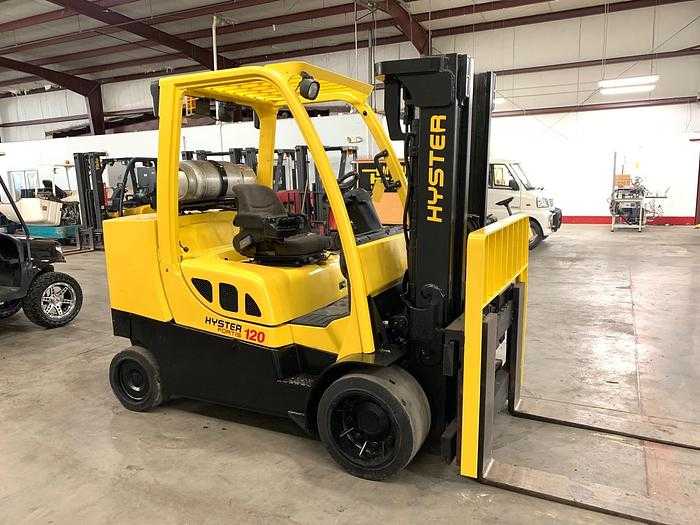
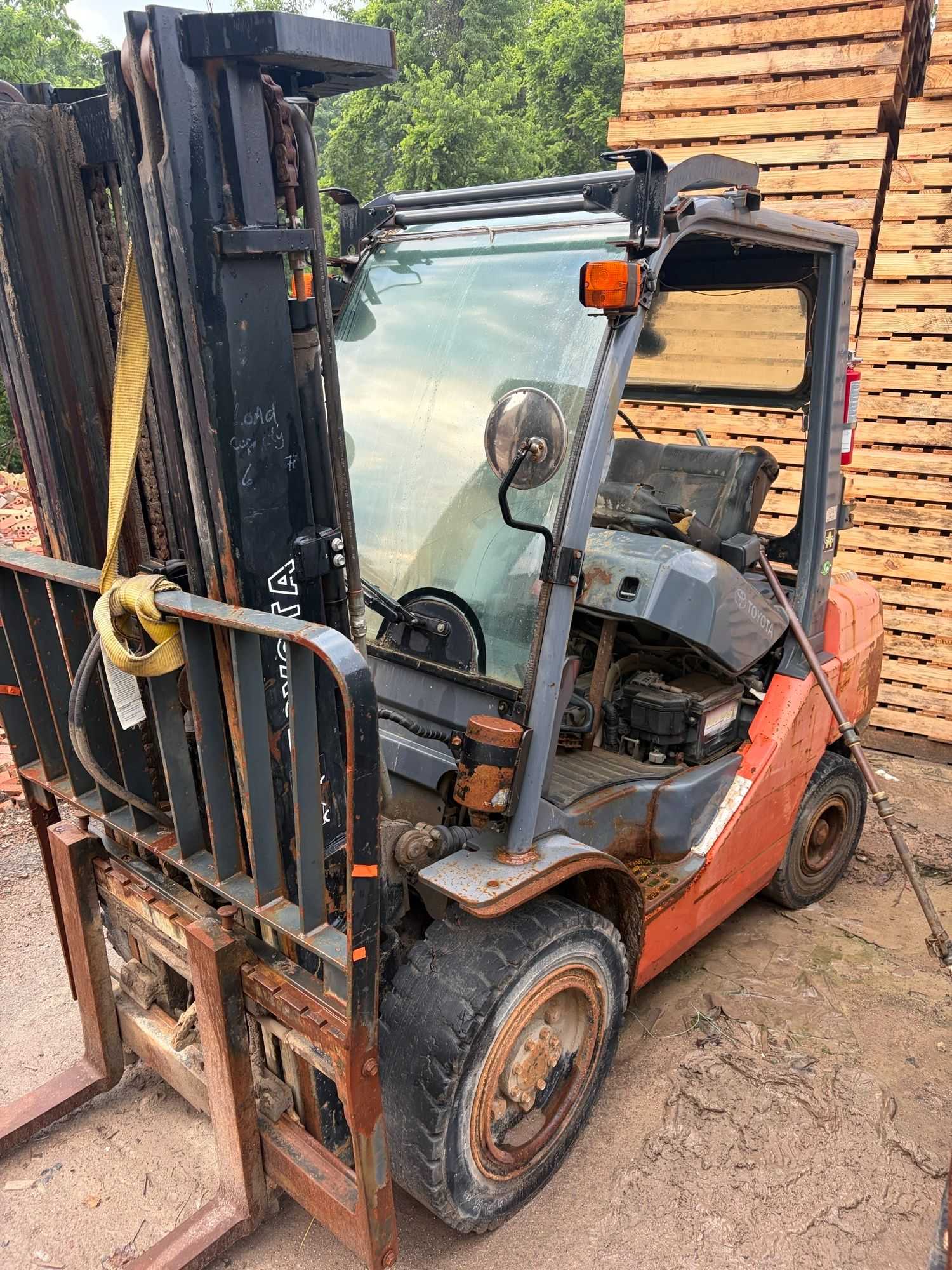
2010 Toyota 8FGU30 LPG Forklift, 6000 lb Capacity, 187" Max Lift Height, Like New!
$1,499
$25/moPennsylvania
Specifications & Market Value
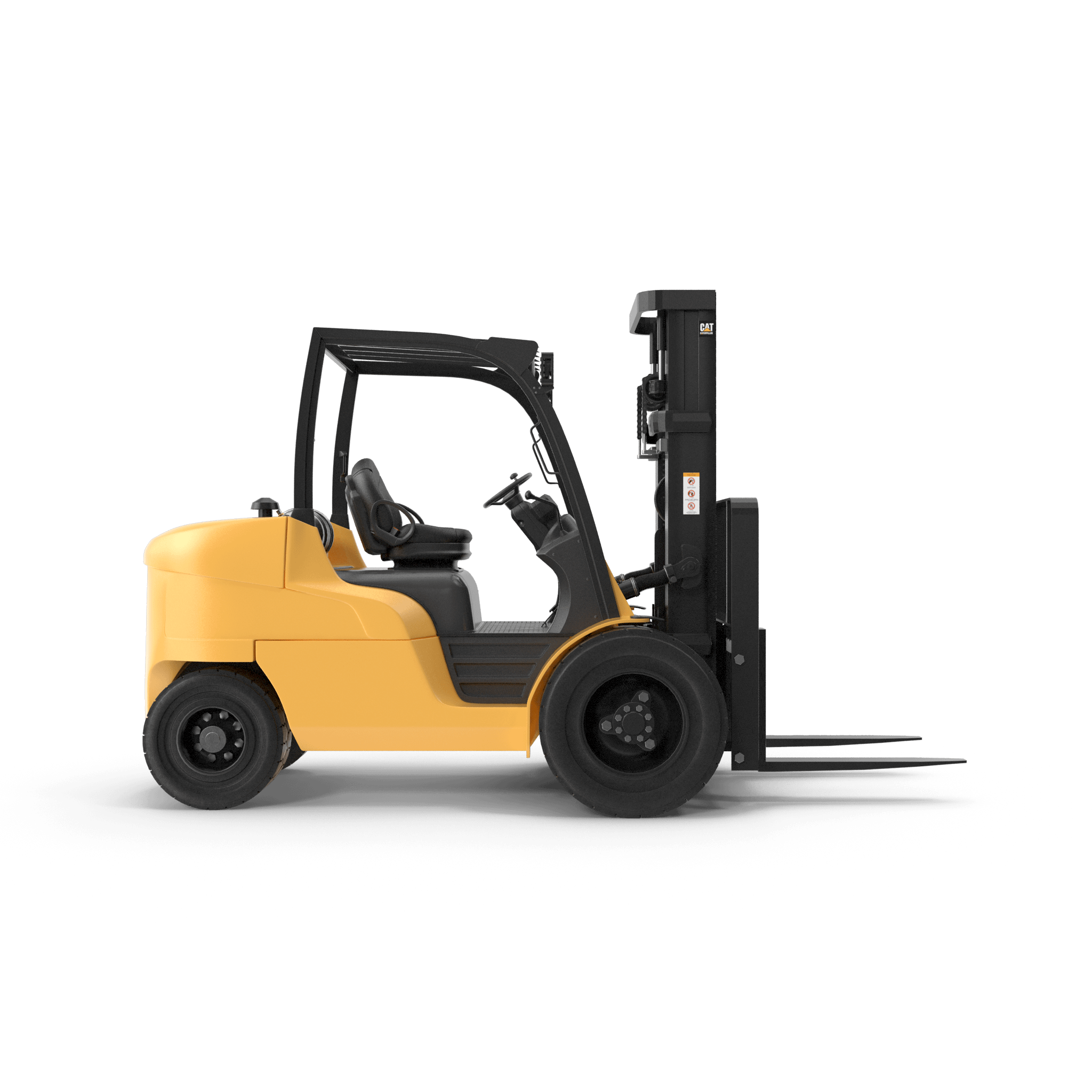
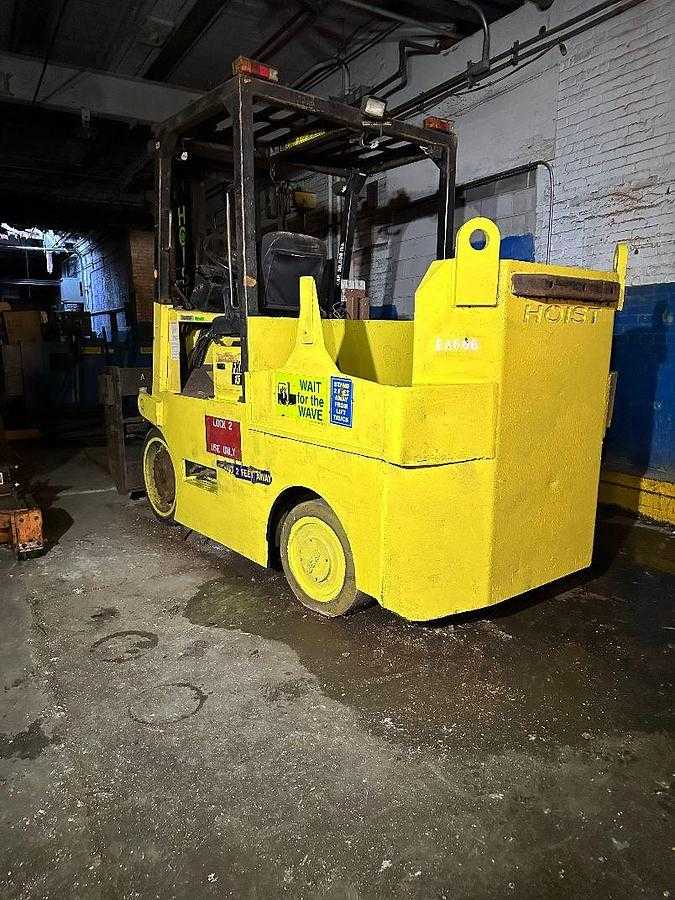
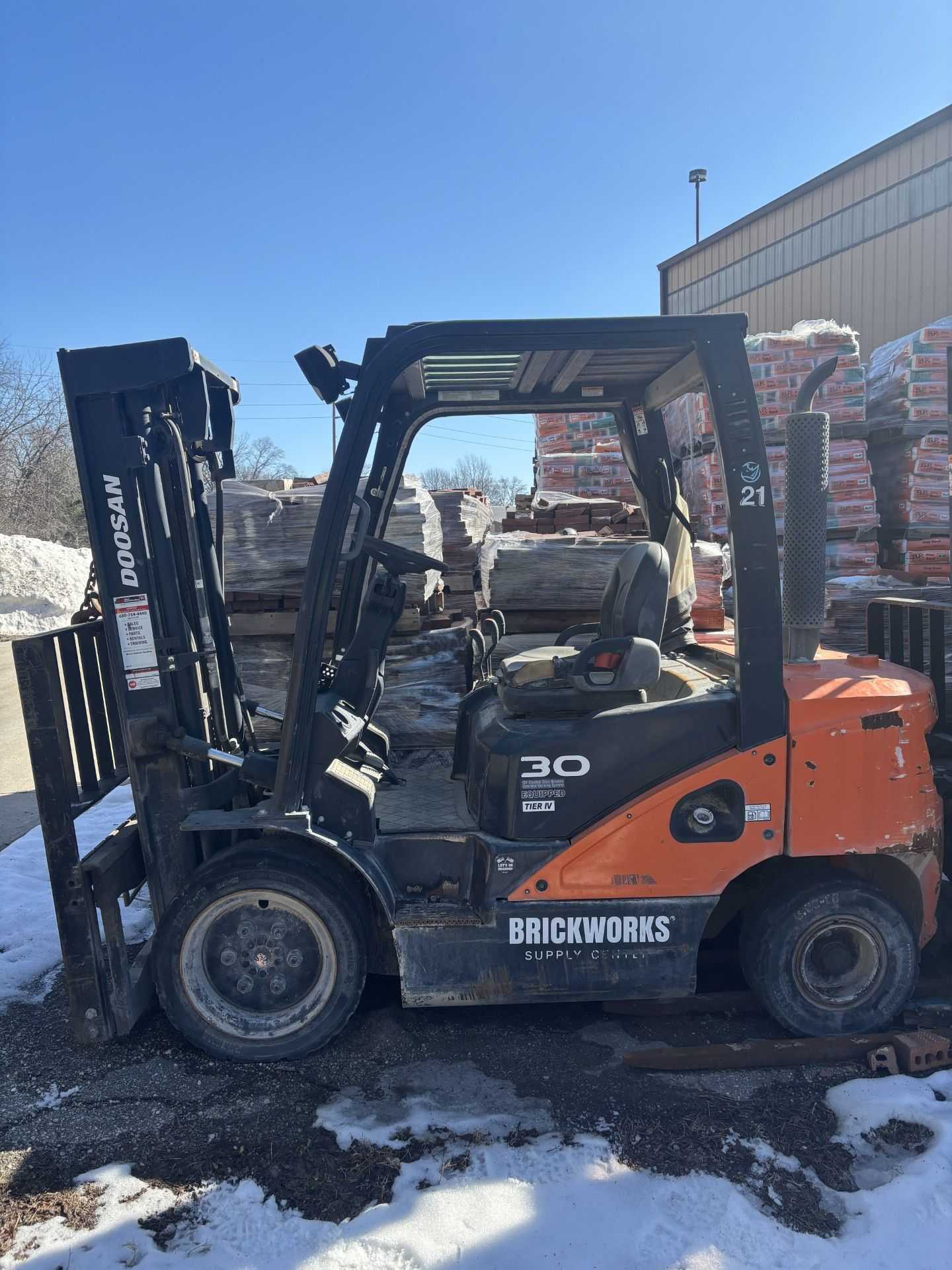
 Reference image
The Toyota 7FGCSU20 is a gas/LPG-powered forklift engineered for robust material handling with a load capacity of 4,000 lbs at a 24-inch load center. It features a 44 hp (33 kW) engine delivering power at 2100 rpm, enabling a maximum travel speed of 10.9 mph (16 kph). Its compact dimensions include a length to the fork face of 7.2 ft, an overall width of 3.1 ft, and an overall height of 6.7 ft with the mast lowered, facilitating maneuverability in confined spaces with a tight turning radius of 6 ft and a right-angle stack distance of 7.3 ft. The forklift rides on two front and two rear cushion tires, providing excellent stability and traction suitable for indoor surfaces. The lift mast offers a lift speed of 108 feet per minute, with a maximum lift height approximately up to 189 inches depending on configuration, supporting precise load placement. Equipped with side-shift and power tilt capabilities (noted in various models), it enhances operational efficiency by allowing quick lateral load adjustment and angled positioning. The forklift's ergonomic design and durable construction contribute to its reliability and ease of maintenance, supported by detailed service manuals available for technical upkeep. Overall, the Toyota 7FGCSU20 combines power, compactness, and versatility, making it suitable for warehouse, manufacturing, and distribution environments requiring consistent 4,000 lb capacity lift performance with gas/LPG fuel flexibility.
Specifications, market trends, and valuation estimates are compiled from manufacturer documentation, historical sales, and industry sources. While care is taken to ensure accuracy, this information is provided for reference purposes only and may contain errors or omissions. Users should independently verify all data before making buying or selling decisions. Valuations do not represent guaranteed transaction prices or binding offers, and Aucto assumes no liability for decisions made using this data.
Spot an error or missing detail? Help us keep our equipment guides accurate for the community.

 A+
A+ Auction Value
$21,185
 Range$5,000 – $29,900
 Sells in ~ 30 days
 Retail Value
—
Sells in ~ 180 days
Item functions as originally intended, shows signs of normal wear. Change the condition to see how it moves both values.
| Attribute | SelectedTOYOTA 7FGCSU20 SIT-DOWN FORKLIFT | TOYOTA 7FGCU18 SIT-DOWN FORKLIFT | |
|---|---|---|---|
| OEM | TOYOTA | TOYOTA | |
| Model | 7FGCSU20 | 7FGCU18 | |
| Year | - | - | |
| Fuel Type | LPG | LPG | |
| Load Capacity | 4000 lb | 3500 lb | |
| Turning Radius | 6.00 ft | 5.90 ft | |
| Similarity | — | 99% | |
| Auction Value$5,000 - $29,900Retail Value— | Auction Value$5,000 - $29,900Retail Value— | |
| Current Machine | View Details |
Marketplace