Buy Now
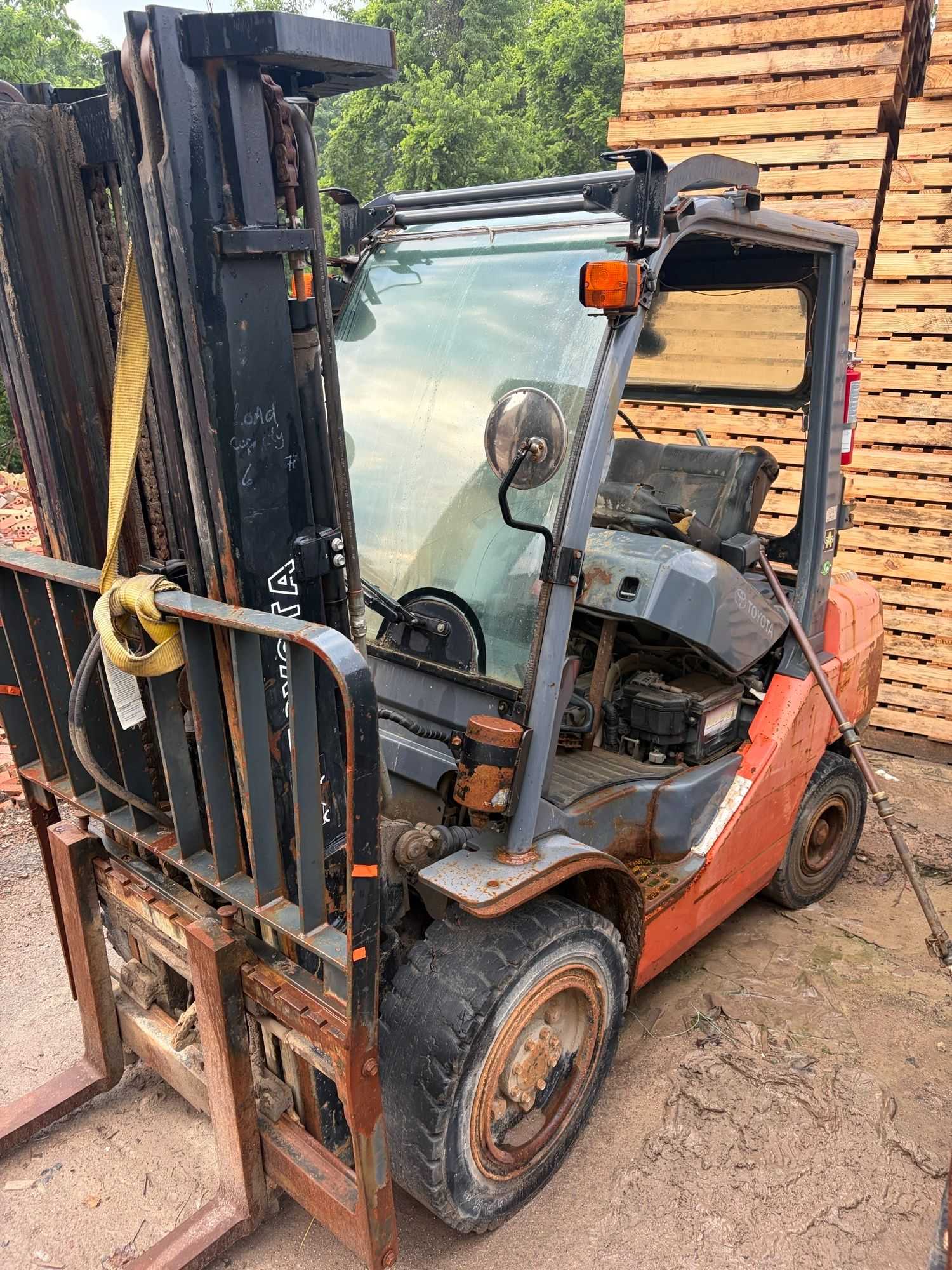
2010 Toyota 8FGU30 LPG Forklift, 6000 lb Capacity, 187" Max Lift Height, Like New!
$1,499
$25/moPennsylvania
Specifications & Market Value
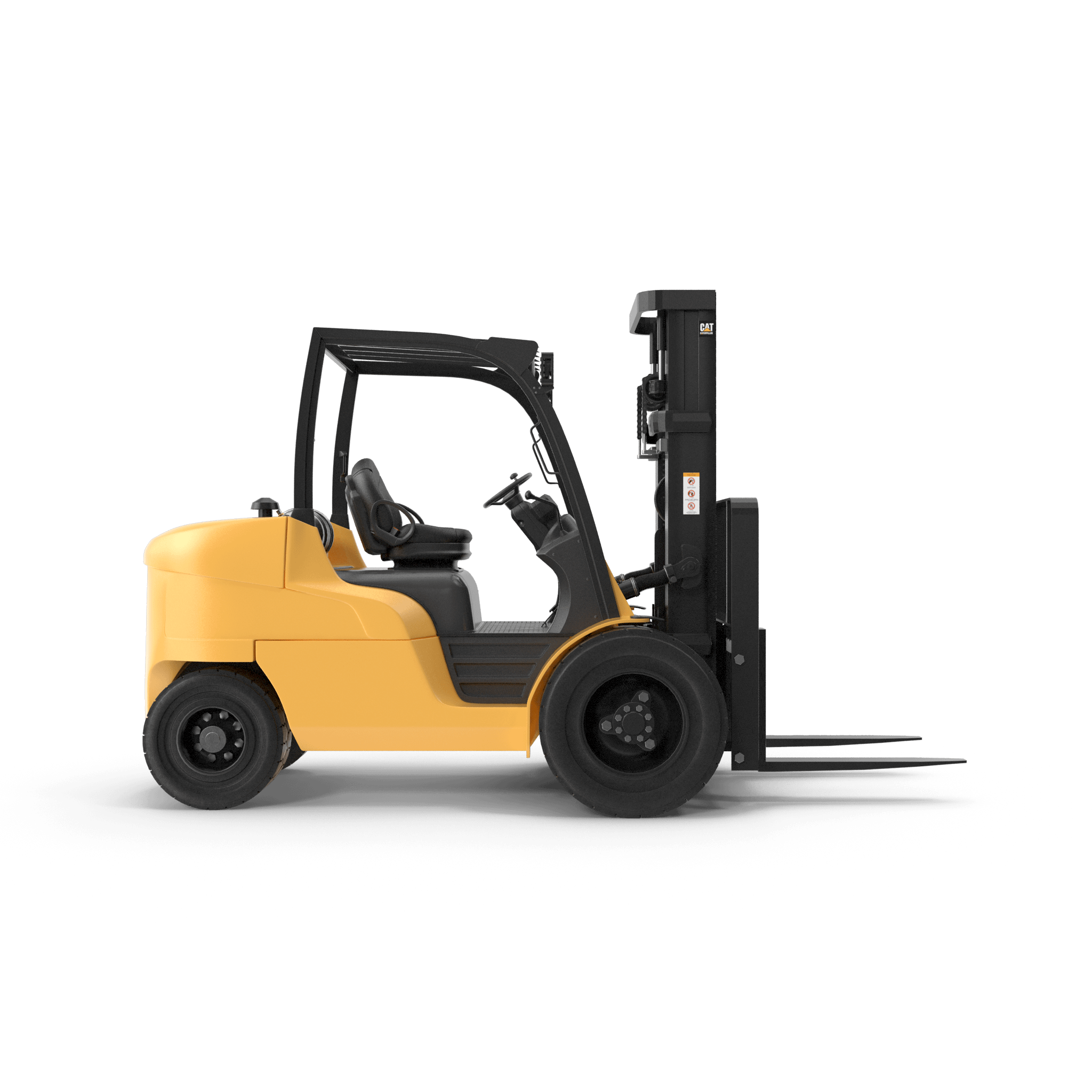
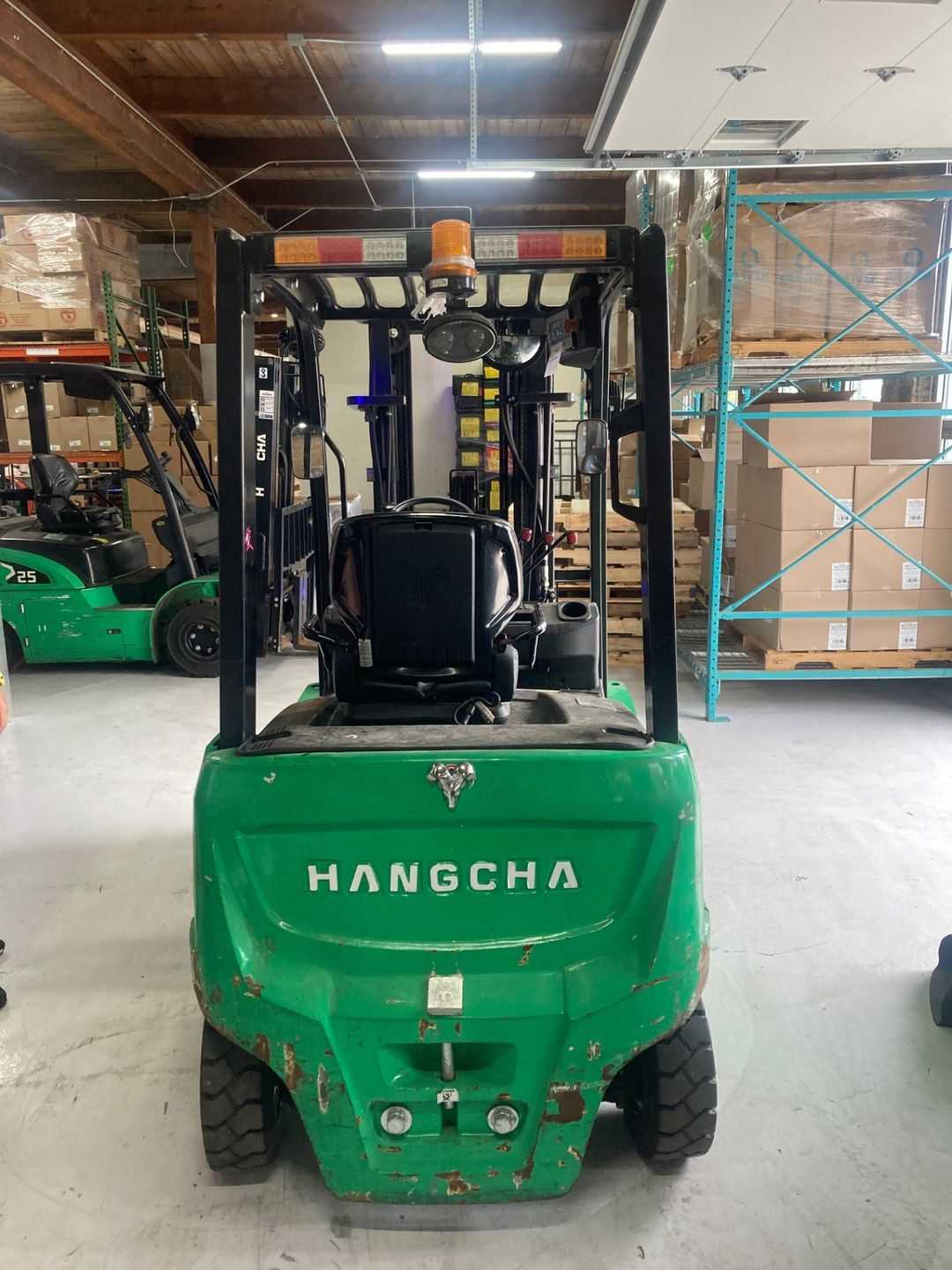
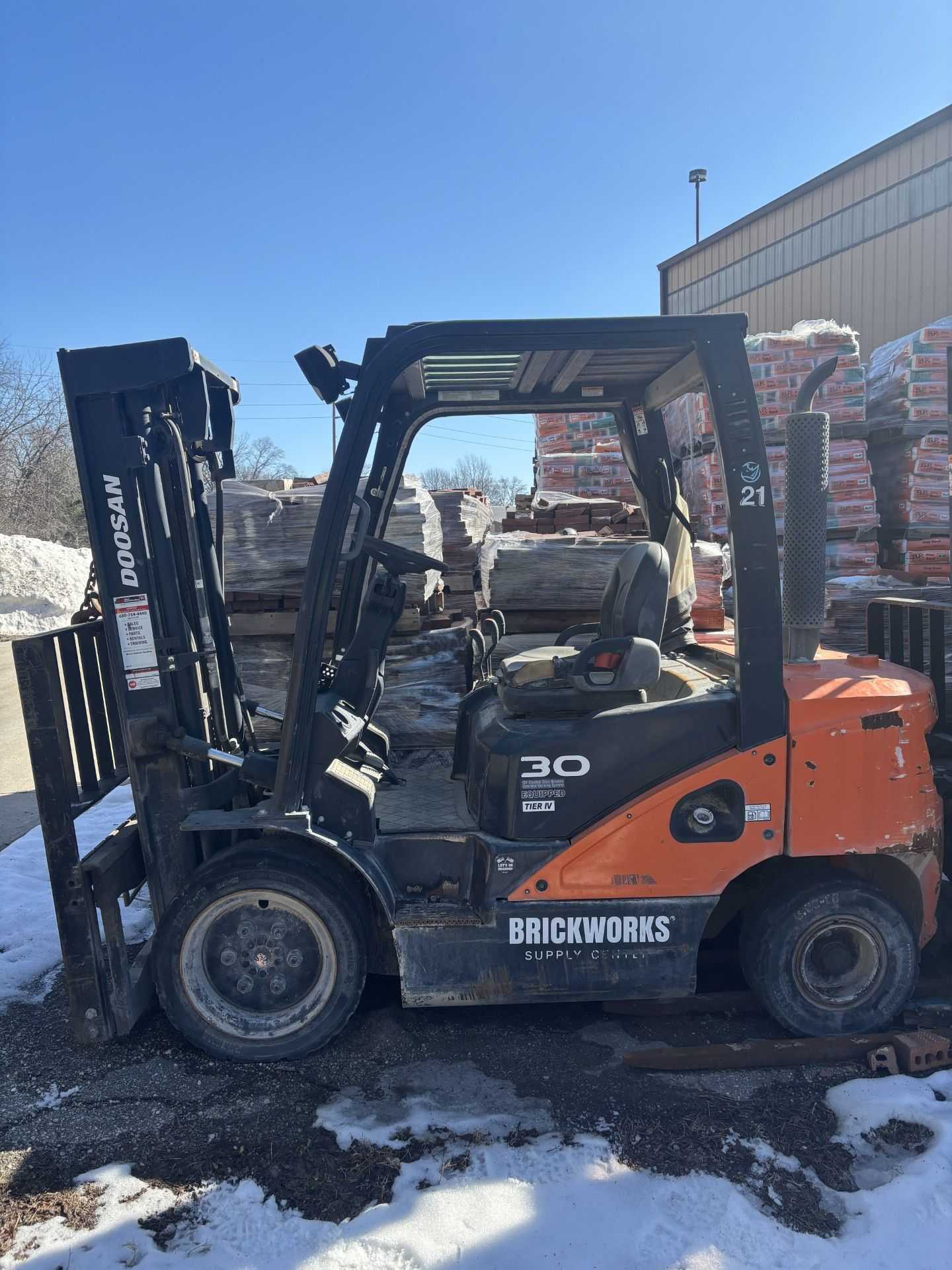
 Reference image
The Toyota 8FBCU25-COMP is a high-performance electric forklift designed for demanding material handling tasks with a load capacity of 5,000 lbs. It features a 48 hp (36 kW) electric motor powered by a 48 V, 765 Ah battery system, enabling quiet, emission-free operation suitable for indoor environments. The forklift’s mast offers a maximum fork height of 11 ft with a free lift of 6.2 inches, allowing efficient stacking and retrieval in confined spaces. The lift and lower speeds are 79 ft/min and 98 ft/min respectively, ensuring smooth and precise load handling. Dimensionally, the forklift measures 6.9 ft in length to the fork face, 3.5 ft in overall width, and 7 ft overall height with the mast lowered, while the height to the top of the overhead guard is 7.4 ft. It has a wheelbase of 4.3 ft, front wheel tread width of 35.1 in, and rear wheel tread width of 36.1 in. The turning radius is a tight 5.8 ft, promoting excellent maneuverability in narrow aisles. Its gradeability is rated at 21%, allowing it to handle moderate inclines effectively. The forklift uses transistor inverter controls for both power steering and drive control, improving responsiveness and energy efficiency. The hydraulic system operates with a relief valve pressure of 2,580 psi, supporting robust lifting operations. The tire configuration includes cushion tires with front tires sized 21 x 7 x 15 and rear tires 16 x 5 x 10.5, optimized for smooth surfaces. Operating weight is approximately 7,170 lbs, and it can reach a maximum speed of 11.5 mph. This makes the Toyota 8FBCU25-COMP a versatile and reliable solution for warehouse and industrial logistics operations.
Specifications, market trends, and valuation estimates are compiled from manufacturer documentation, historical sales, and industry sources. While care is taken to ensure accuracy, this information is provided for reference purposes only and may contain errors or omissions. Users should independently verify all data before making buying or selling decisions. Valuations do not represent guaranteed transaction prices or binding offers, and Aucto assumes no liability for decisions made using this data.
Spot an error or missing detail? Help us keep our equipment guides accurate for the community.

 A+
A+ Auction Value
$4,835
 Range$1,000 – $6,900
 Sells in ~ 30 days
 Retail Value
—
Sells in ~ 180 days
Item functions as originally intended, shows signs of normal wear. Change the condition to see how it moves both values.
Marketplace

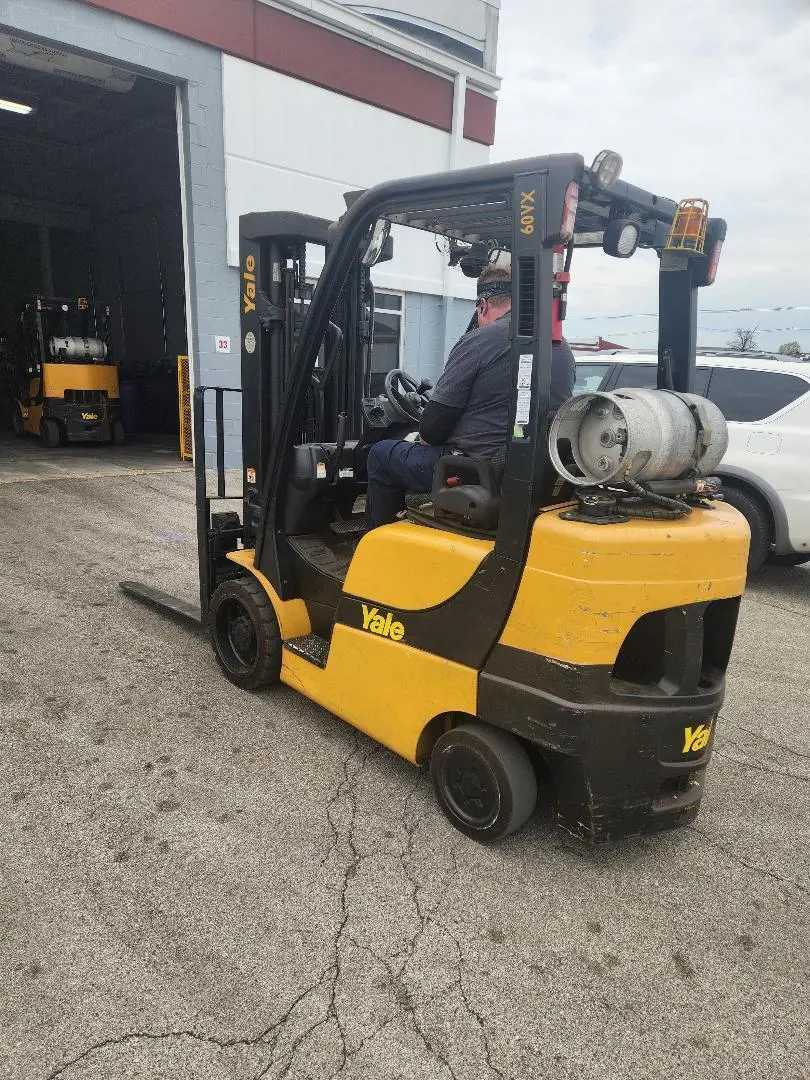
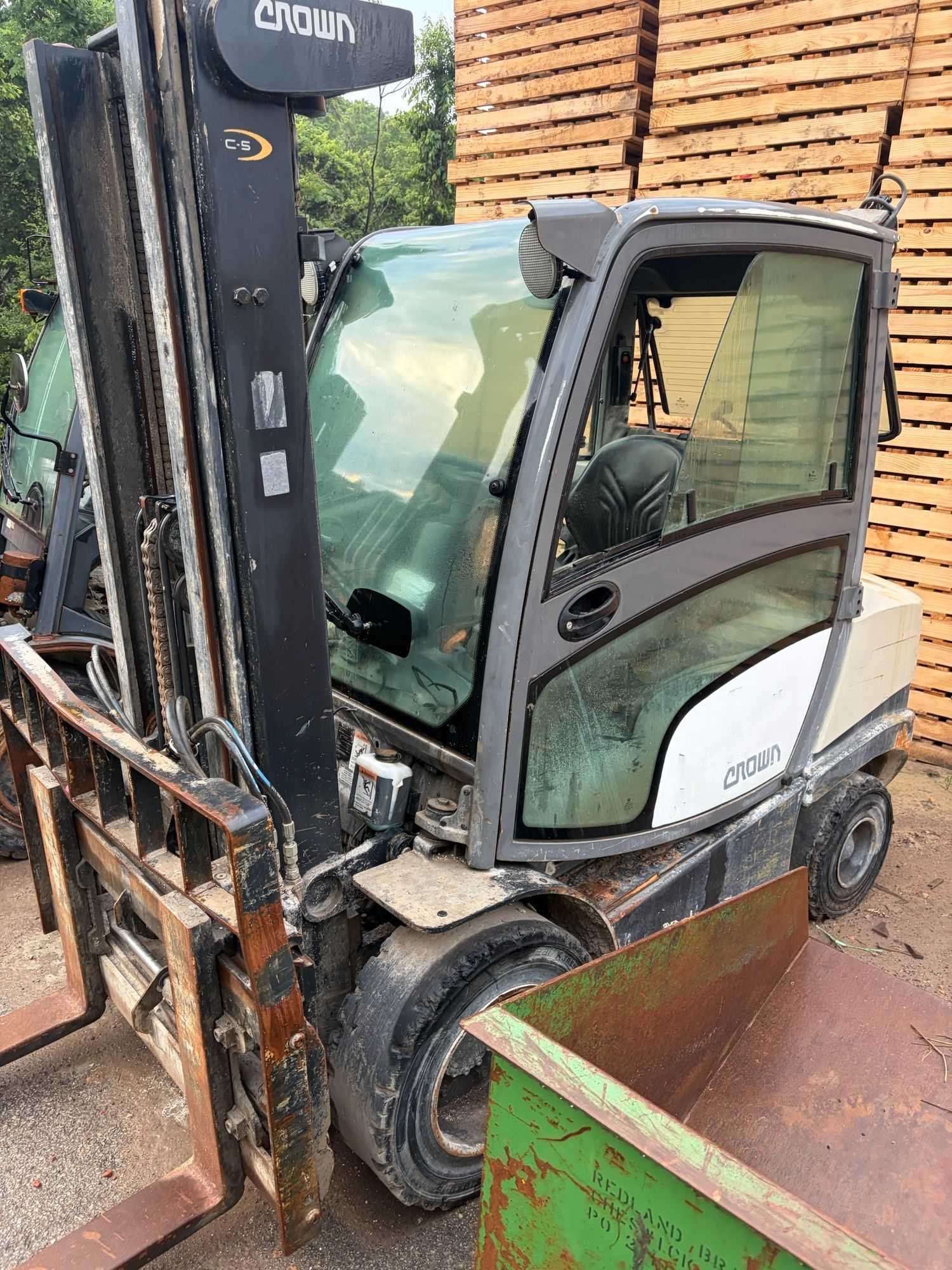
| Attribute | SelectedTOYOTA 8FBCU25-COMP SIT-DOWN FORKLIFT | TOYOTA 8FBCU20-COMP SIT-DOWN FORKLIFT | |
|---|---|---|---|
| OEM | TOYOTA | TOYOTA | |
| Model | 8FBCU25-COMP | 8FBCU20-COMP | |
| Year | - | - | |
| Fuel Type | Electric | Electric | |
| Load Capacity | 5000 lb | 4000 lb | |
| Max Fork Height | 132.00 '' | 132.00 '' | |
| DC Voltage | 48.00 V DC | 48.00 V DC | |
| Turning Radius | 5.80 ft | 5.80 ft | |
| Similarity | — | 99% | |
| Auction Value$1,000 - $6,900Retail Value— | Auction Value$1,000 - $6,900Retail Value— | |
| Current Machine | View Details |