Buy Now
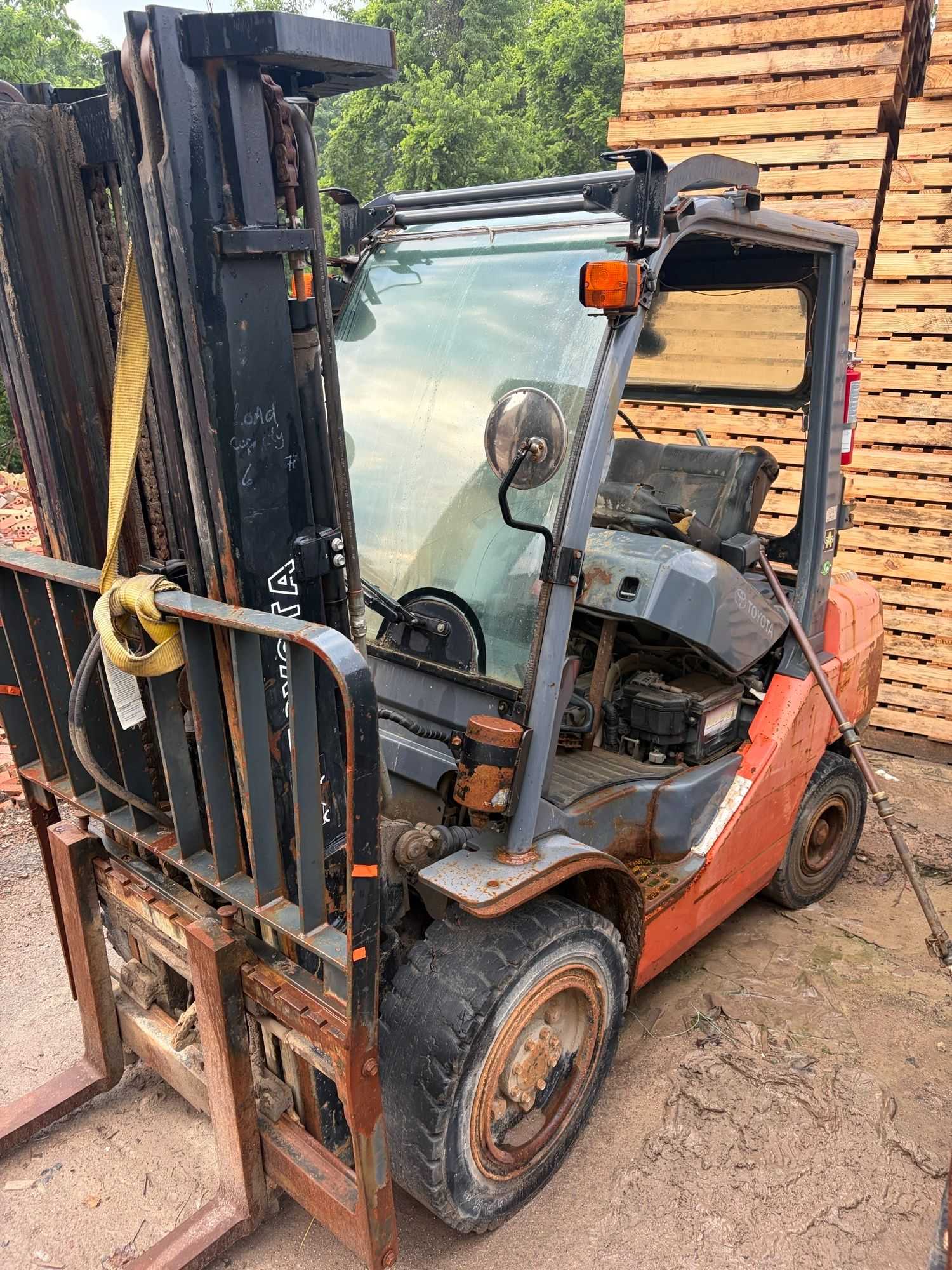
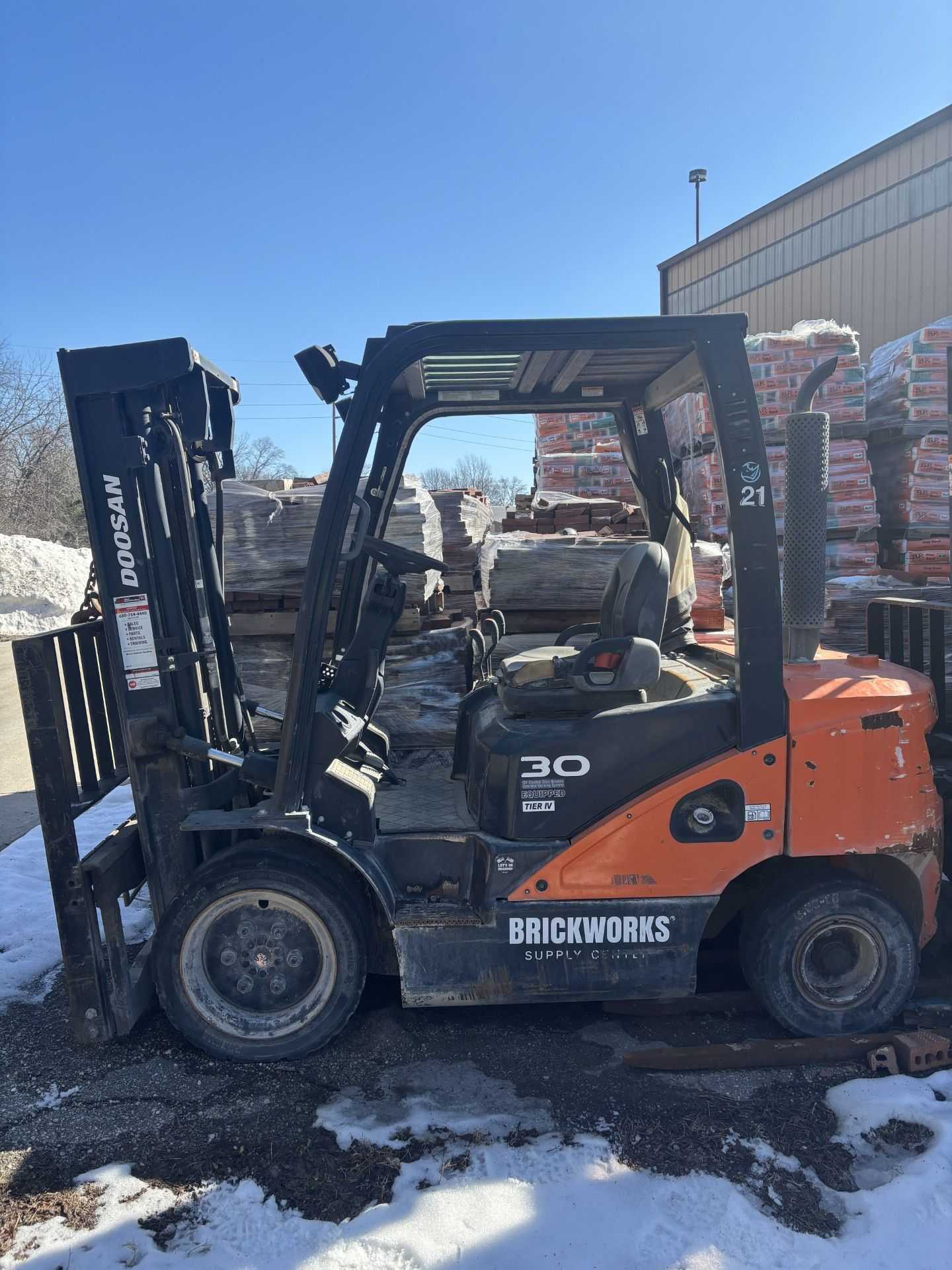
2010 Toyota 8FGU30 LPG Forklift, 6000 lb Capacity, 187" Max Lift Height, Like New!
$1,499
$25/moPennsylvania
Specifications & Market Value
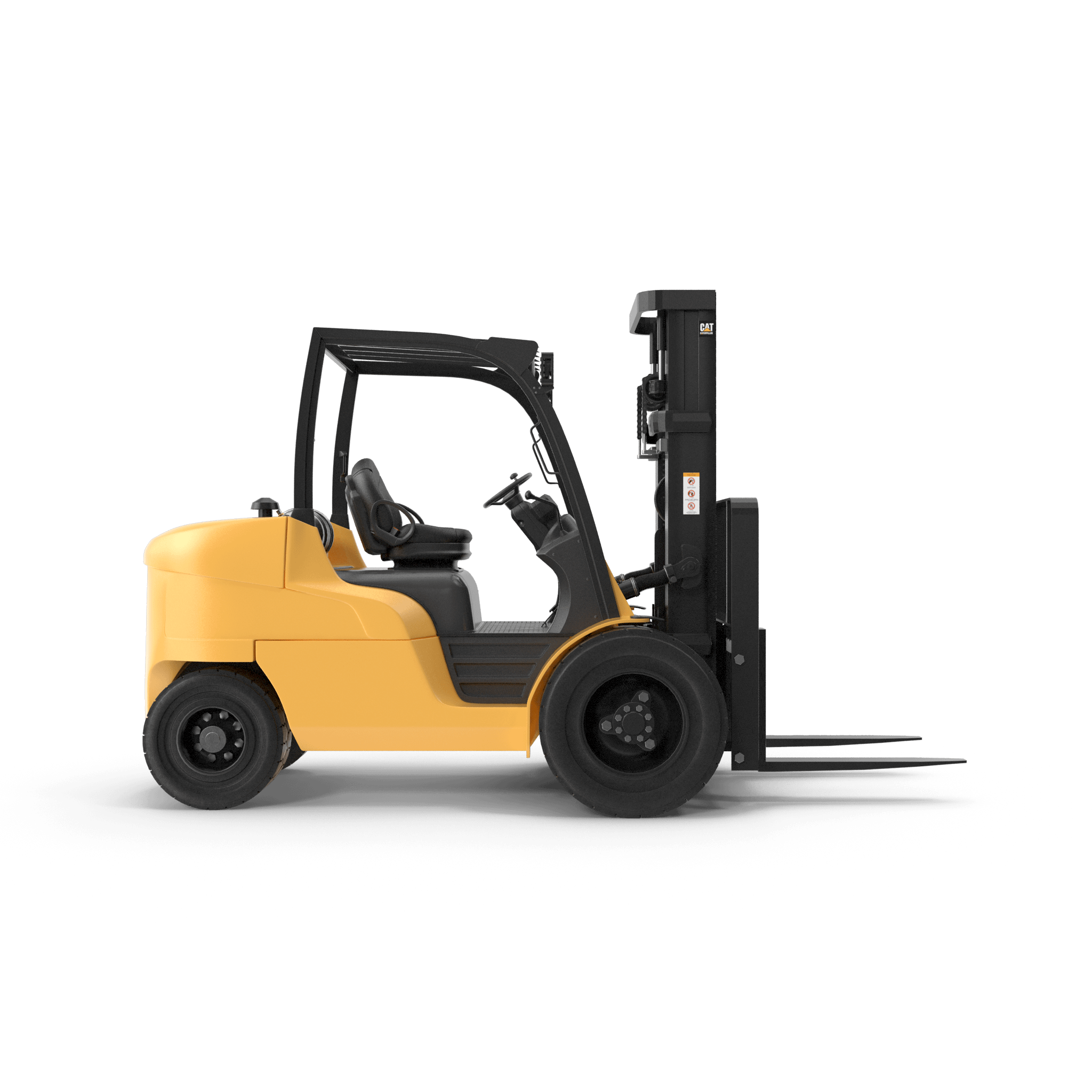
 Reference image
The Toyota THDE4000-30 is a high-capacity electric cushion forklift designed for demanding heavy-duty indoor applications, with a maximum load capacity of 40,000 lbs at a 30-inch load center. It features a robust electric drive system powered by a 36V battery setup with two 2-volt batteries providing 1250 Ah capacity and a combined battery weight of 6,400 lbs. The forklift’s traction motor delivers 42.5 hp (31 kW) while the pump motor produces 32.2 hp (24 kW), ensuring efficient hydraulic power with a main pump flow of 20.7 gallons per minute at a maximum operating pressure of 2,250 psi. The maximum lift height reaches 9.1 feet, with a lift speed of 16 feet per minute and a lower speed of 25.1 feet per minute. Dimensionally, the THDE4000-30 has an overall height of 10 feet with the mast lowered and a height to the top of the overhead guard of 8.6 feet, a length to fork face of 13 feet, and a width of 6.1 feet. It features a turning radius of 11.6 feet and a wheelbase measuring 7.7 feet. Its ground clearance is 4.3 inches, and it achieves a gradeability of 10.8%. The forklift is equipped with mechanical parking brakes and hydraulic service brakes for reliable stopping power. The mast provides forward and rear tilt angles of 8 and 6 degrees respectively, with a maximum fork spread of 57.6 inches. Operating weight is approximately 88,850 lbs. Maximum travel speeds are 3.7 mph forward and 4.5 mph reverse, with tire types being cushion/cushion for enhanced indoor maneuverability. This model balances power, durability, and precision handling suited for heavy material handling within confined warehouse environments.
Specifications, market trends, and valuation estimates are compiled from manufacturer documentation, historical sales, and industry sources. While care is taken to ensure accuracy, this information is provided for reference purposes only and may contain errors or omissions. Users should independently verify all data before making buying or selling decisions. Valuations do not represent guaranteed transaction prices or binding offers, and Aucto assumes no liability for decisions made using this data.
Spot an error or missing detail? Help us keep our equipment guides accurate for the community.

 A+
A+ Auction Value
$204,375
 Range$50,000 – $287,500
 Sells in ~ 30 days
 Retail Value
—
Sells in ~ 180 days
Item functions as originally intended, shows signs of normal wear. Change the condition to see how it moves both values.
Marketplace

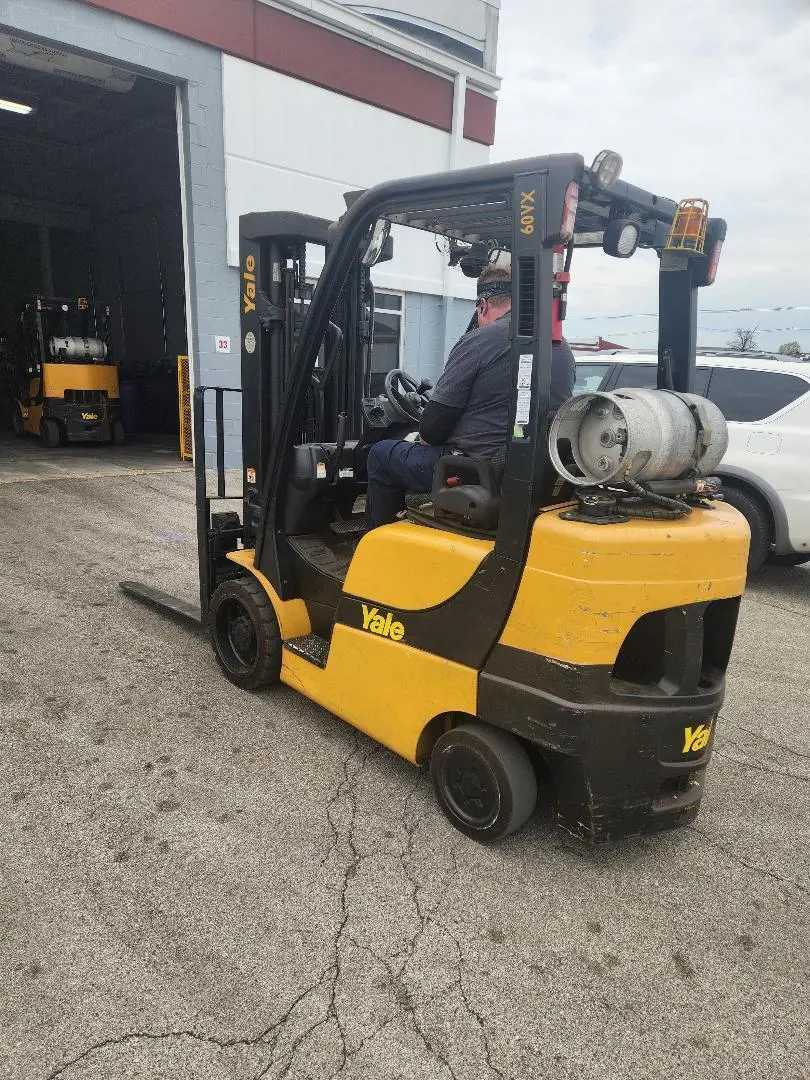
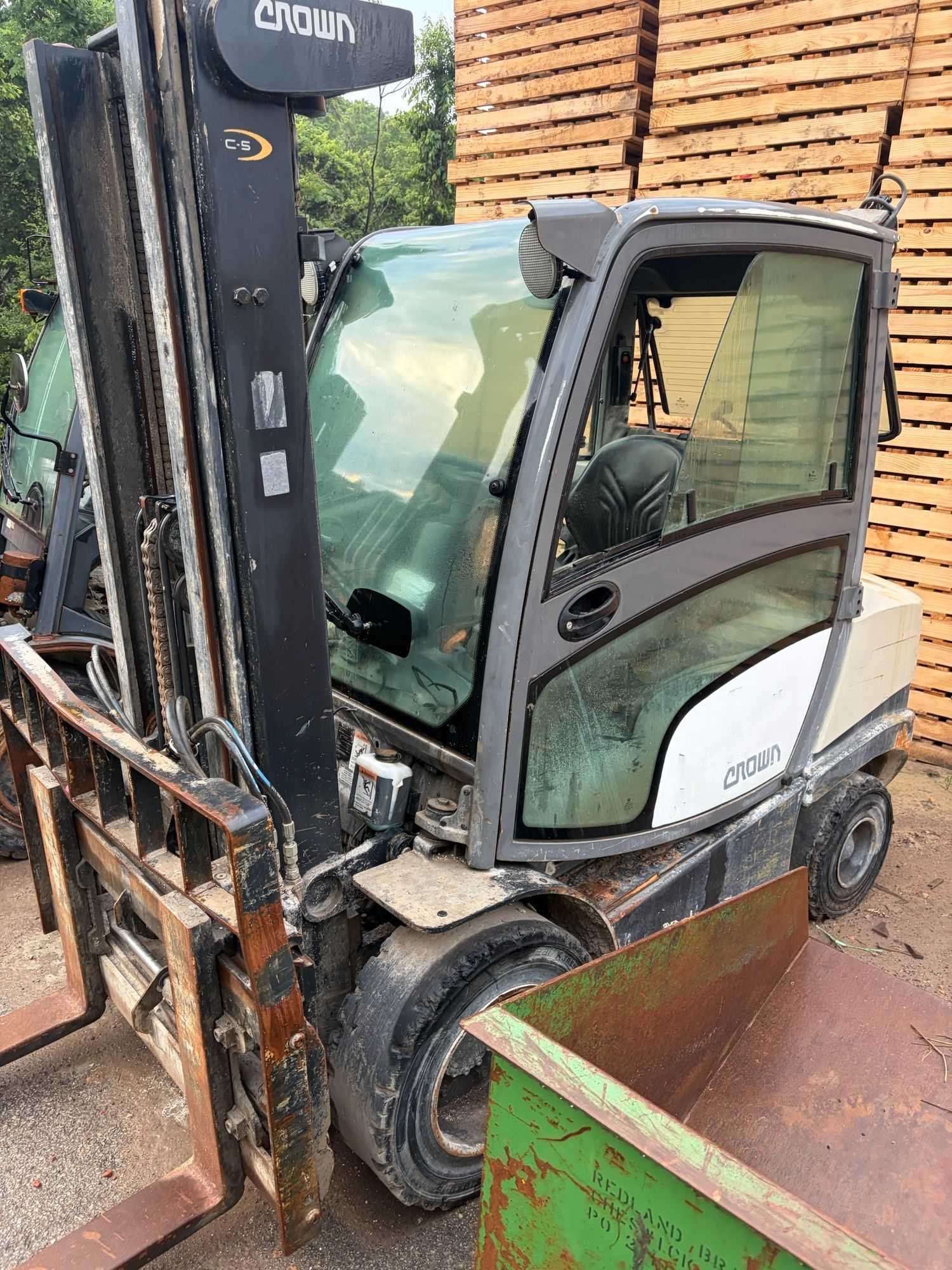
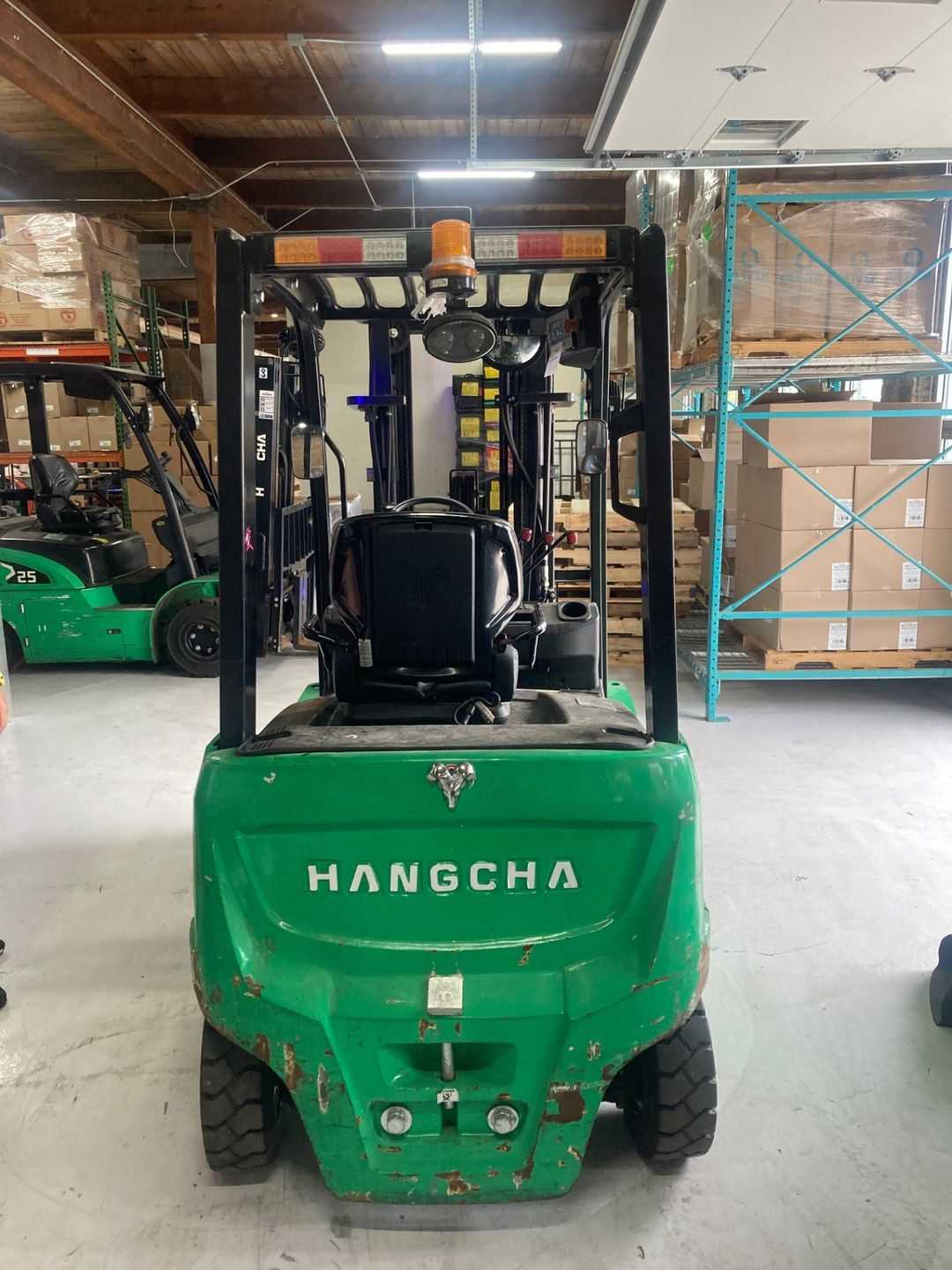
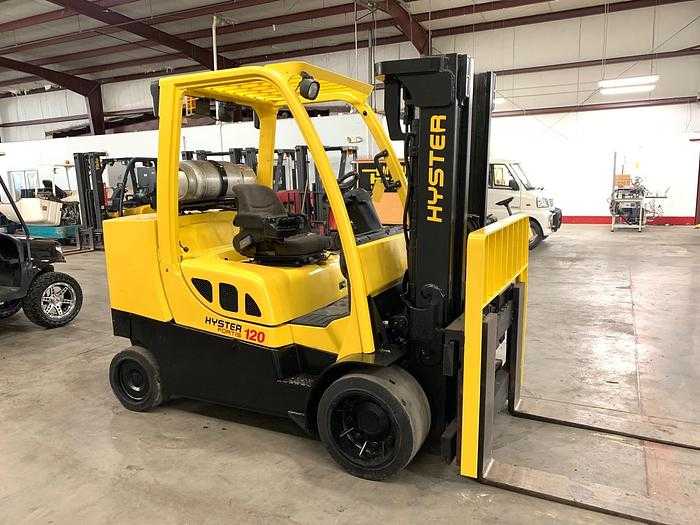
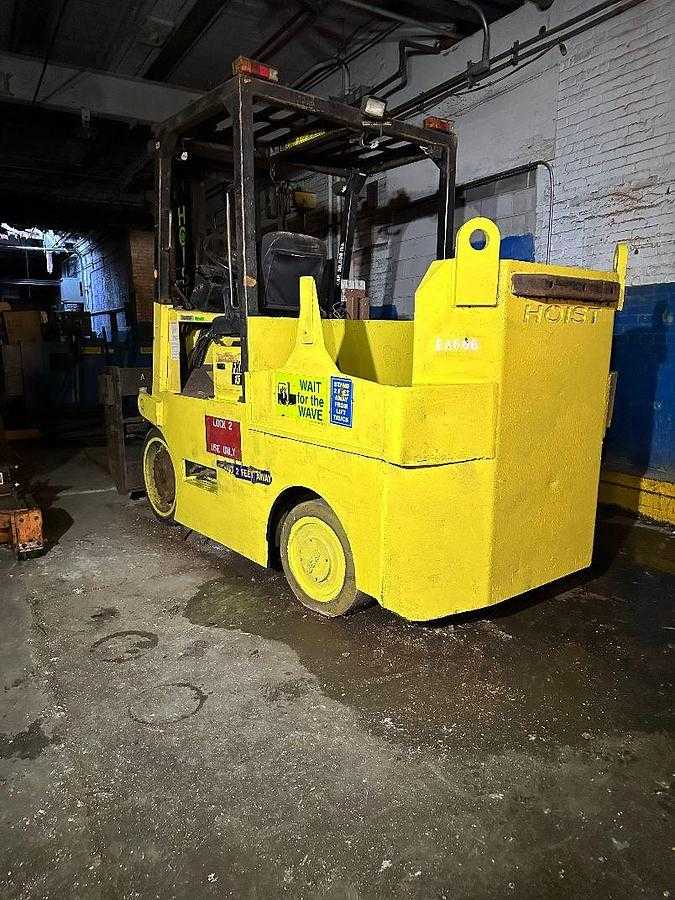
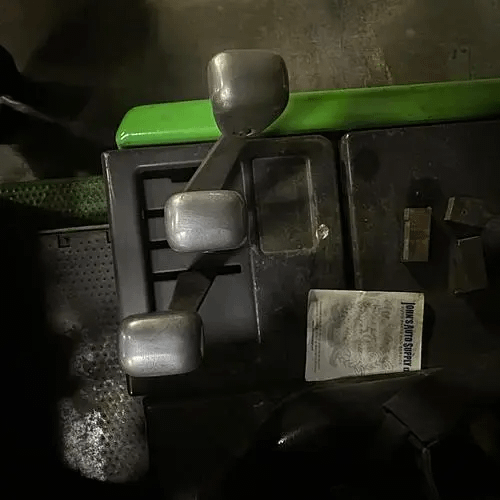
| Attribute | SelectedTOYOTA THDE4000-30 SIT-DOWN FORKLIFT | TOYOTA THDE3000-30 SIT-DOWN FORKLIFT | |
|---|---|---|---|
| OEM | TOYOTA | TOYOTA | |
| Model | THDE4000-30 | THDE3000-30 | |
| Year | - | - | |
| Load Capacity | 40000 lb | 30000 lb | |
| Turning Radius | 11.60 ft | 10.50 ft | |
| Max Fork Height | 109.20 '' | 104.40 '' | |
| Tire Type | Solid | — | |
| Similarity | — | 99% | |
| Auction Value$50,000 - $287,500Retail Value— | Auction Value$25,000 - $125,000Retail Value— | |
| Current Machine | View Details |