
Buy Now
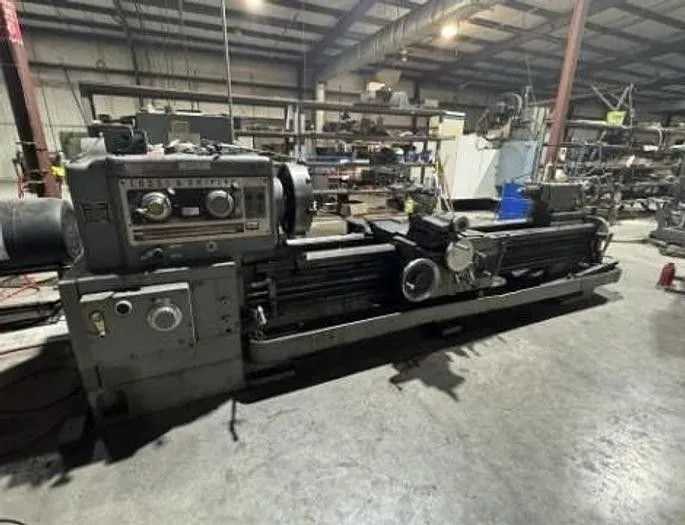
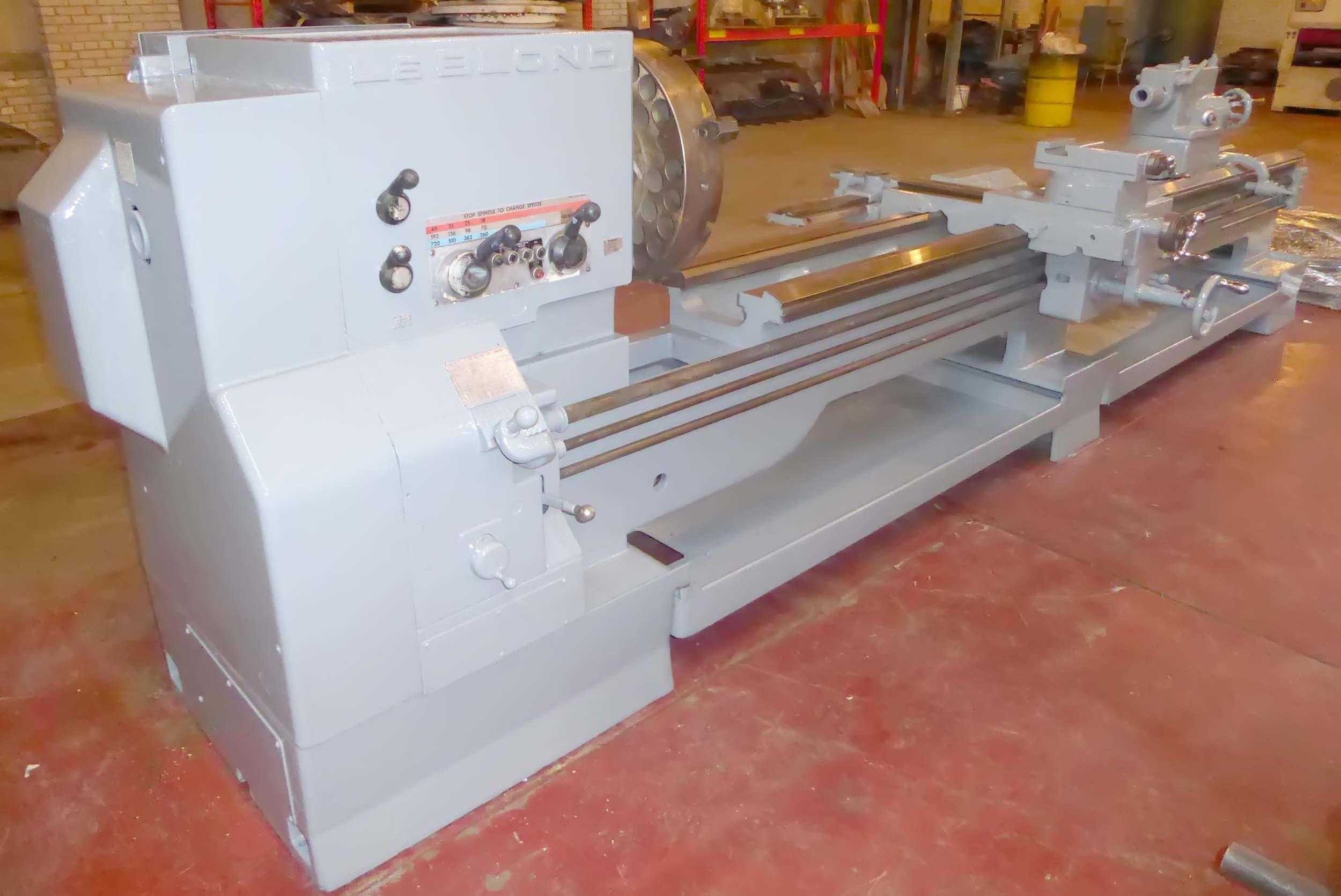
LEBLOND F21 REGAL ENGINE LATHE 22.25" SWING X 72" CTRS 10HP 27-1080 RPM DRO
$9,950
$165/moKentucky
Specifications & Market Value
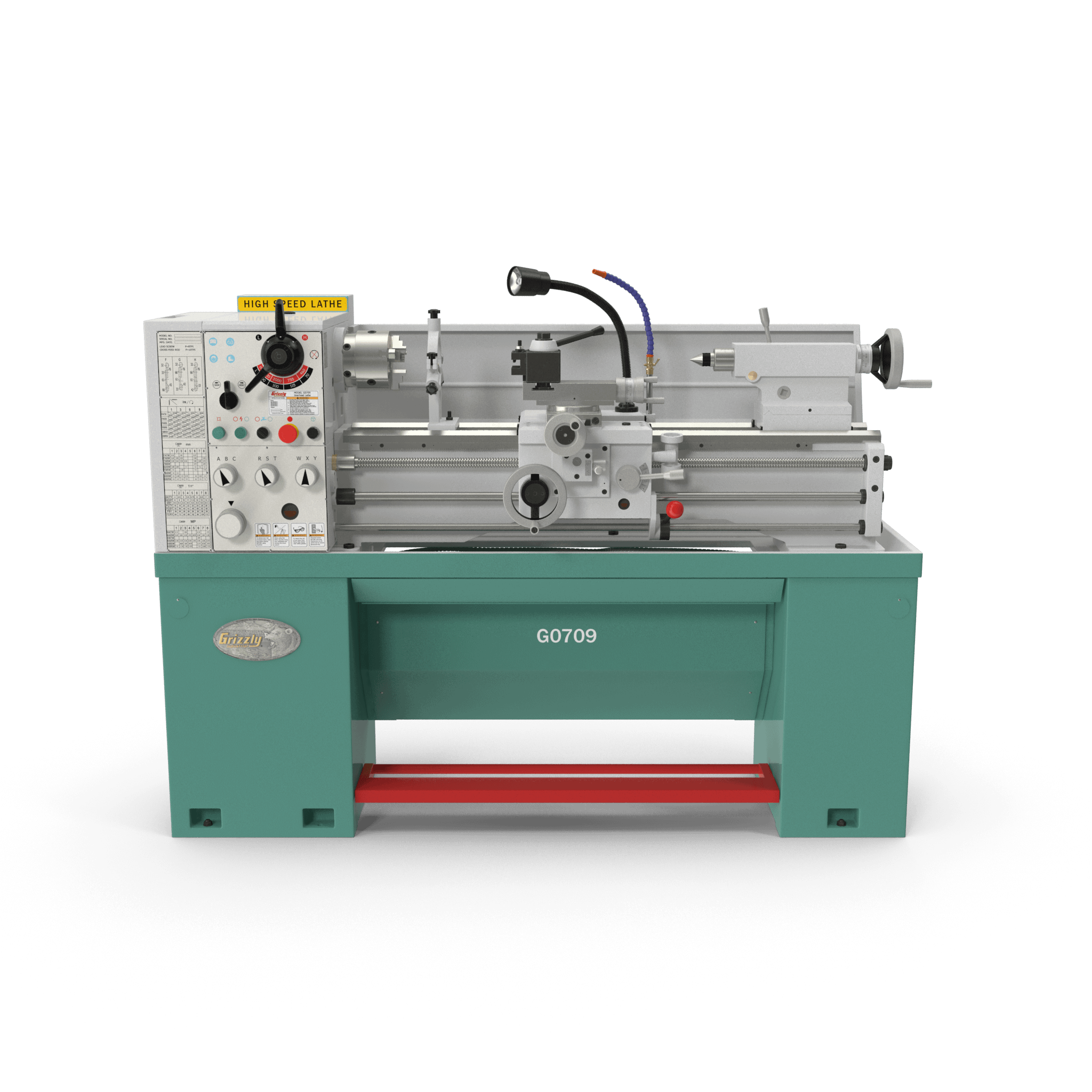
 Reference image
The TRENS SN 32/750 manual lathe is a robust universal center lathe designed for precision machining with a main motor power output of 4 kW (approximately 5.4 HP). It features a maximum swing diameter over the bed of 330 mm (12.97 inches) and a distance between centers of 750 mm (29.49 inches), enabling it to handle a wide range of workpiece sizes. The spindle, with a bore diameter of 52 mm, supports a wide speed range from 14 to 2,500 RPM, allowing versatile operation for different turning tasks. The machine achieves high accuracy on machined surfaces, compliant with the STN ISO 1708 standard. Its design includes a spindle nose conforming to STN ISO 702/III and an internal Morse taper #6 for tooling. The lathe offers a cross slide travel of 250 mm and a tool slide travel of 140 mm, supporting precise tool positioning and effective cutting control. It operates with 38 traverse feeds and has longitudinal feed rates between 0.025 to 3.2 mm per revolution, with cross feeds from 0.12 to 1.6 mm per revolution. The tailstock sleeve diameter is 70 mm with a 180 mm stroke, facilitating accurate support of long workpieces. The machine’s overall dimensions and weight reflect its sturdy construction, ensuring stability during operation. The TRENS SN 32/750 is well-suited for high precision turning with versatility and durability for various metalworking applications.
Specifications, market trends, and valuation estimates are compiled from manufacturer documentation, historical sales, and industry sources. While care is taken to ensure accuracy, this information is provided for reference purposes only and may contain errors or omissions. Users should independently verify all data before making buying or selling decisions. Valuations do not represent guaranteed transaction prices or binding offers, and Aucto assumes no liability for decisions made using this data.
Spot an error or missing detail? Help us keep our equipment guides accurate for the community.

 A+
A+ Auction Value
$3,360
 Range$500 – $4,900
 Sells in ~ 30 days
 Retail Value
—
Sells in ~ 180 days
Item functions as originally intended, shows signs of normal wear. Change the condition to see how it moves both values.
Marketplace

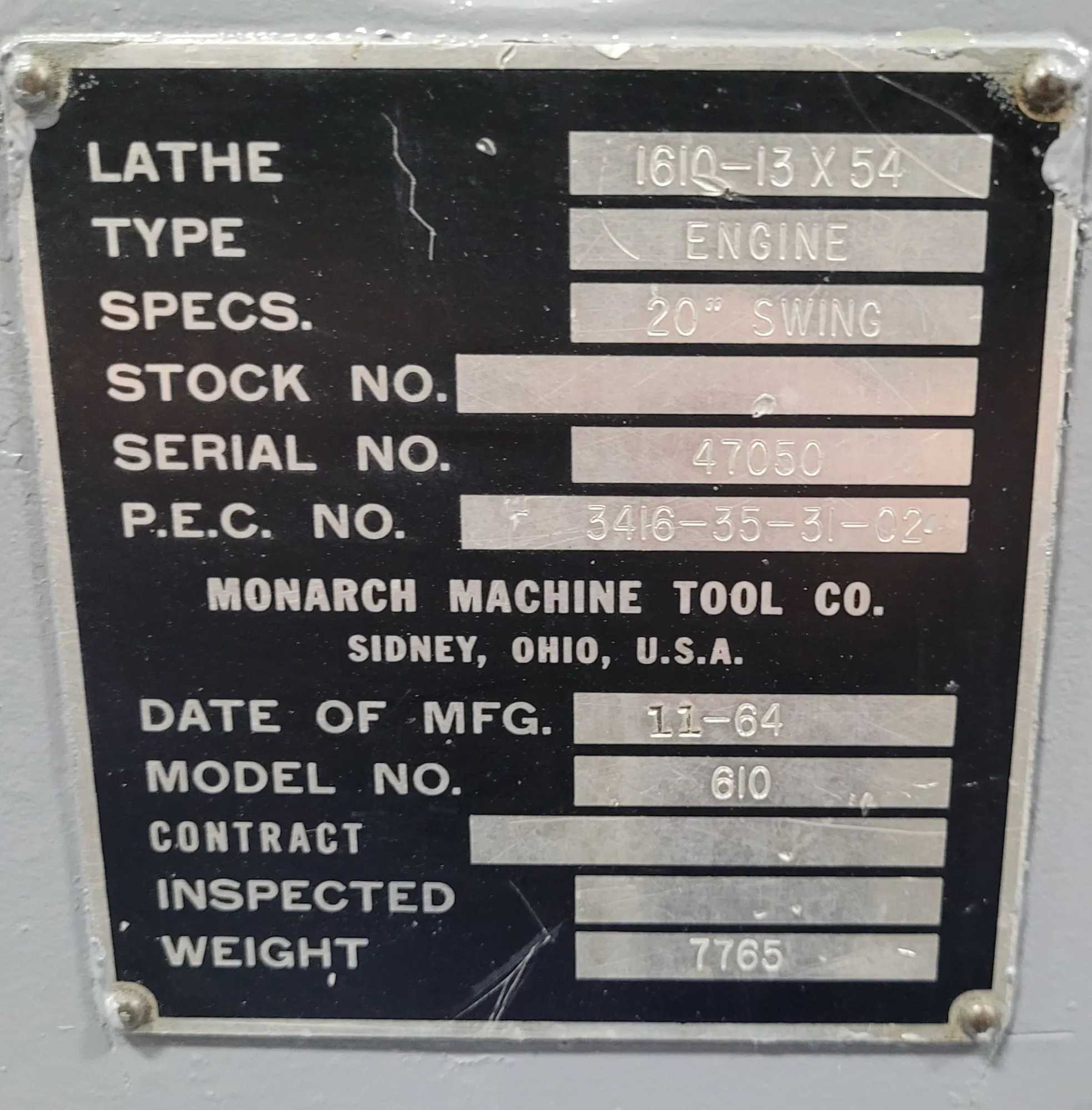
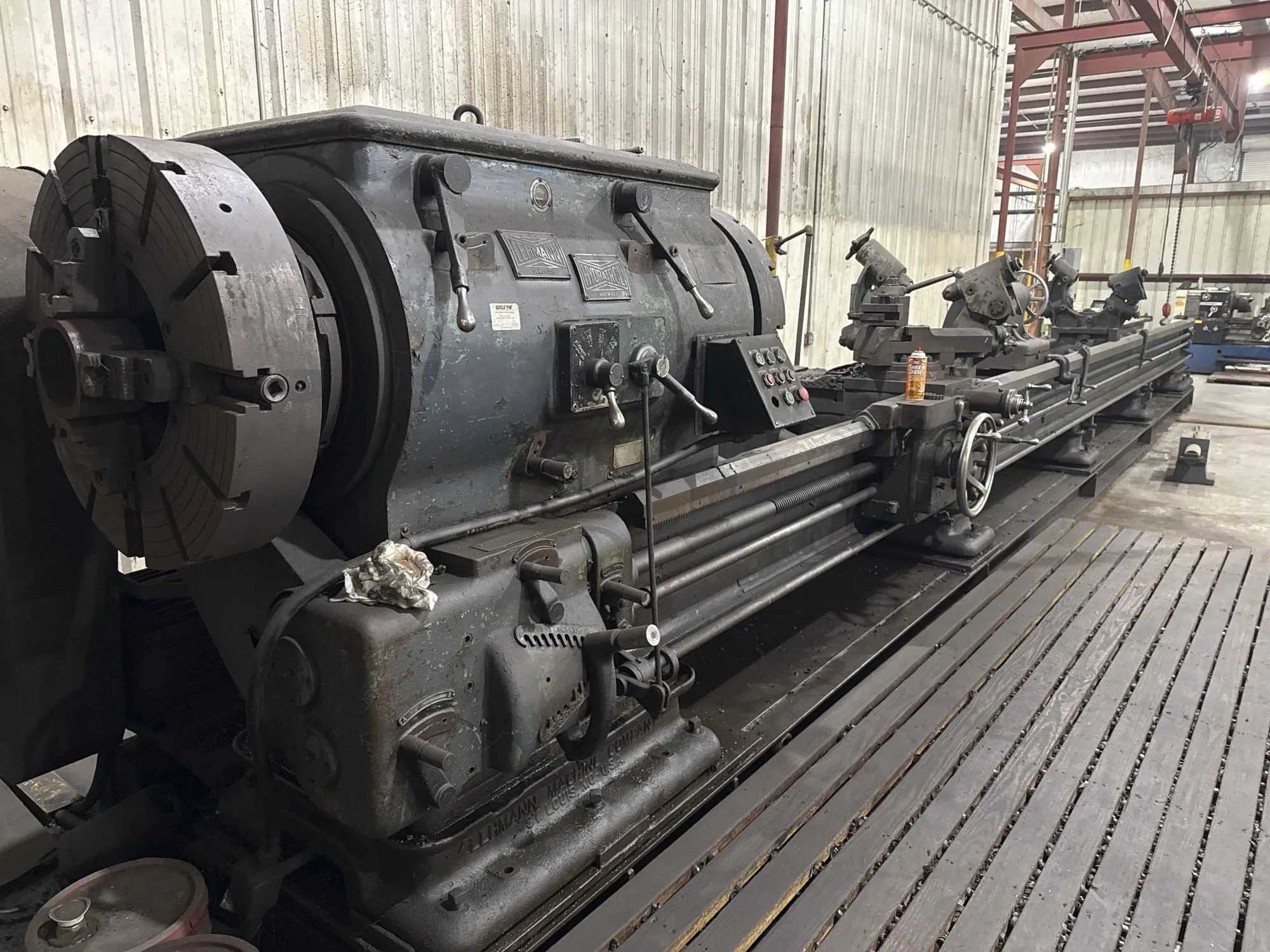

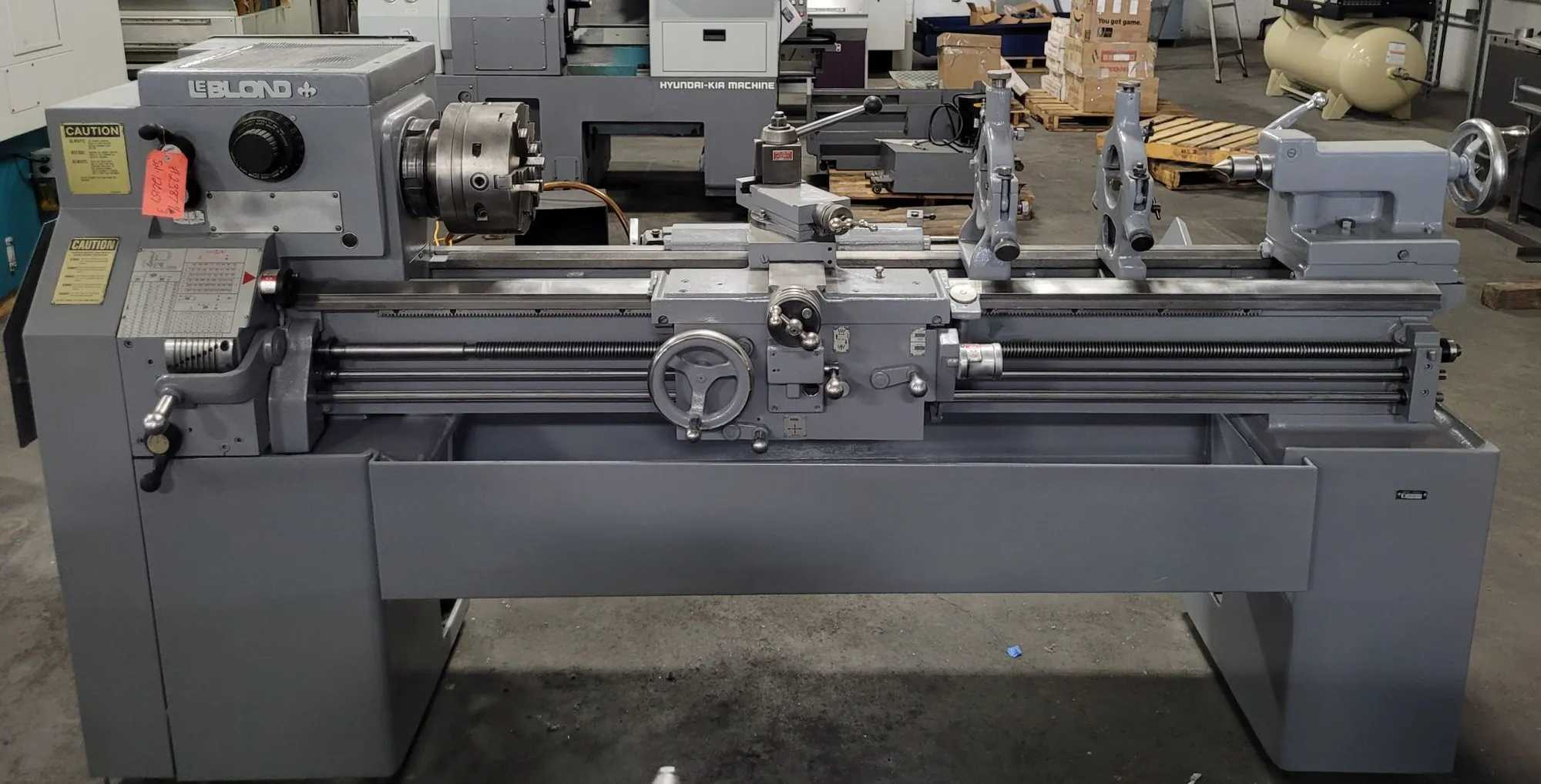
| Attribute | SelectedTRENS SN 32/750 MANUAL LATHE | TRENS SN 32/1000 MANUAL LATHE | |
|---|---|---|---|
| OEM | TRENS | TRENS | |
| Model | SN 32/750 | SN 32/1000 | |
| Year | - | - | |
| Max Swing | 12.97 '' | 12.97 '' | |
| Distance Between Centers | 29.49 '' | 39.29 '' | |
| Similarity | — | 99% | |
| Auction Value$500 - $4,900Retail Value— | Auction Value$500 - $4,200Retail Value— | |
| Current Machine | View Details |