Buy Now
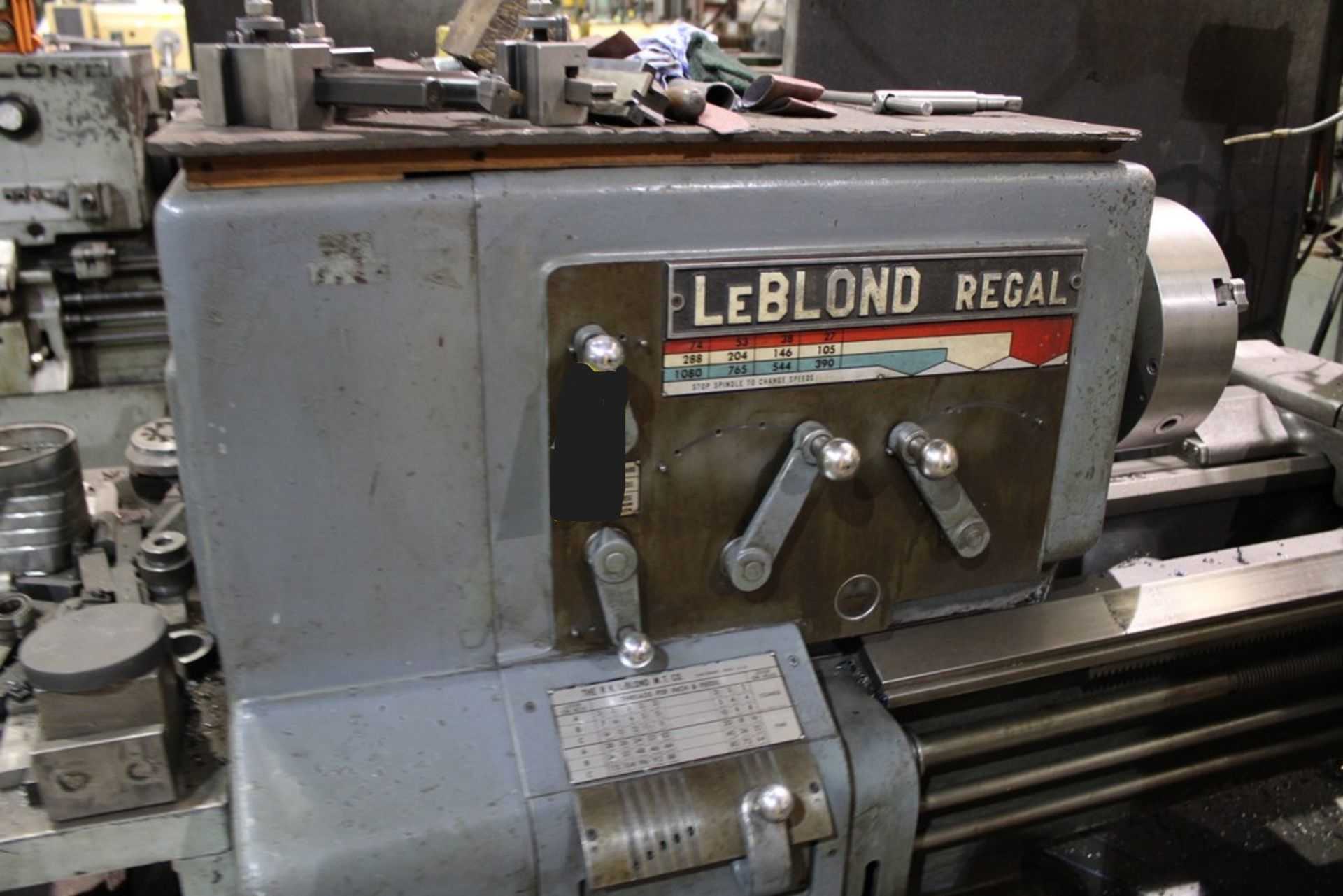
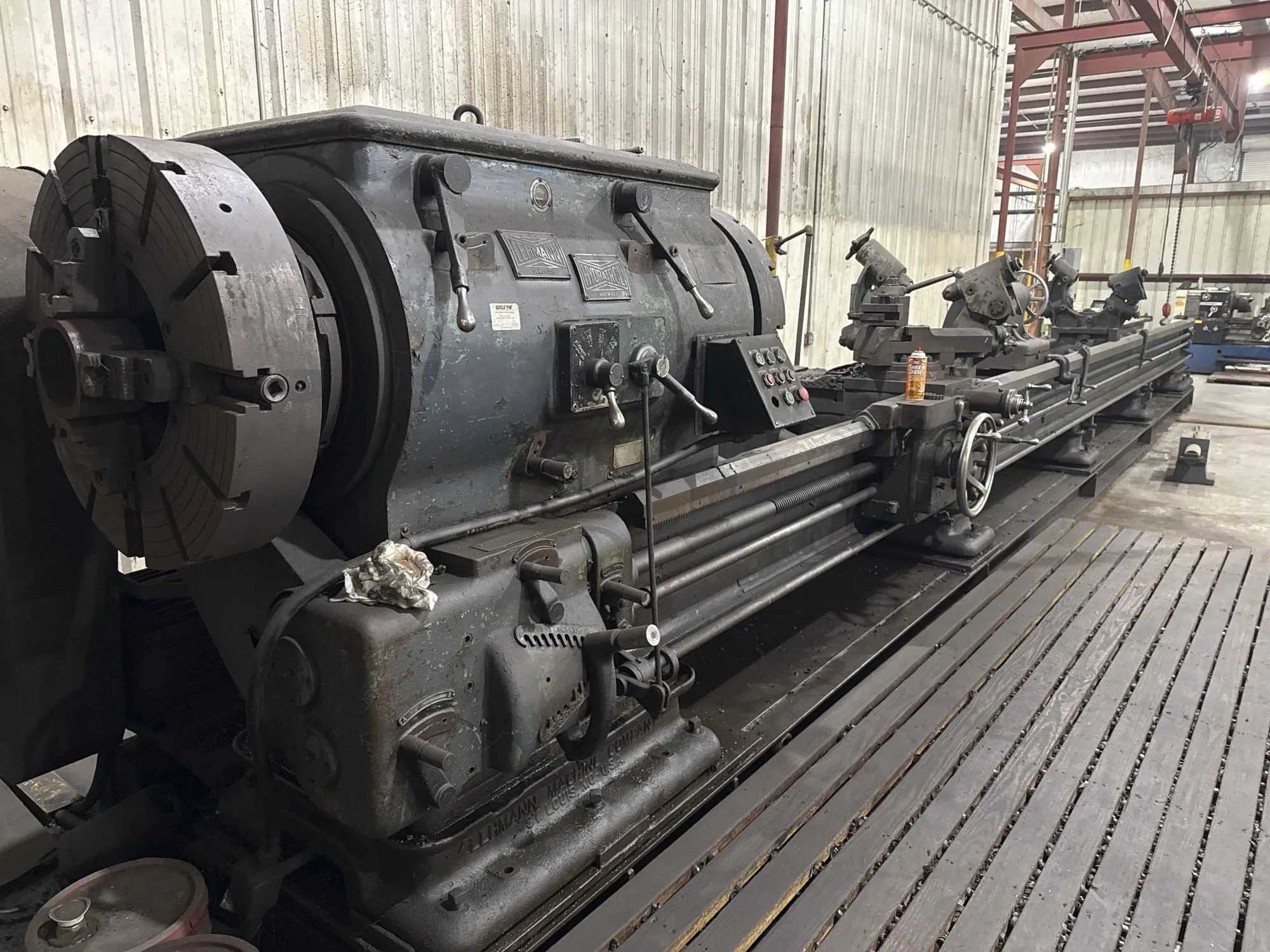
Engine Lathe, 25in Swing, 120in Centers, 15 HP, 10250 lbs
$24,500
$406/moKentucky
Specifications & Market Value
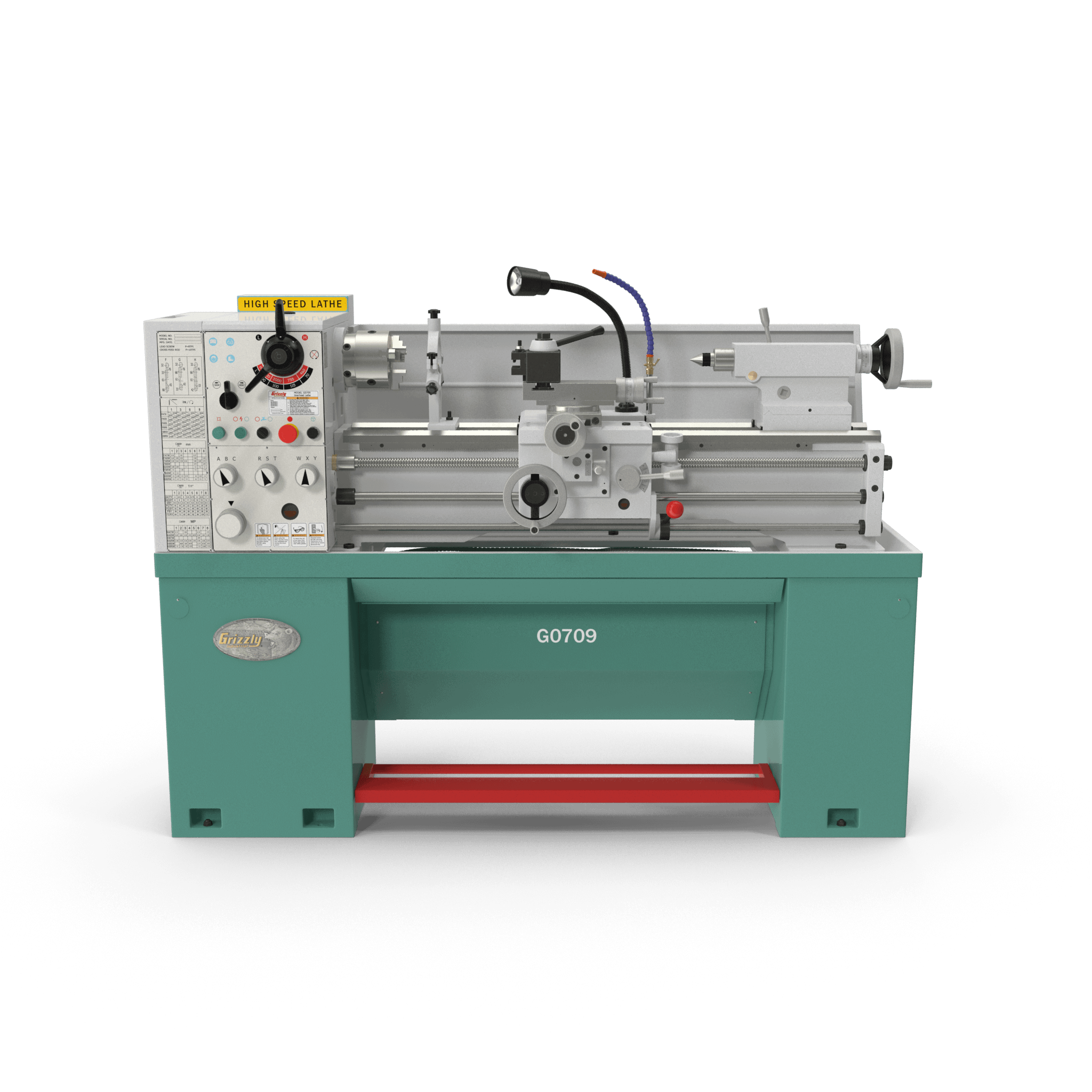
 Reference image
The T.S. Harrison L15 Manual Lathe is a robust, precision-engineered machine designed for versatile metal turning applications. It features a 15-inch swing capacity and a center distance of 32 inches, supported by a 52-inch bed length that provides stability and precision during long workpiece operations. The lathe is equipped with a 10-inch chuck, enabling secure clamping of a variety of workpiece sizes. Powered by a 230V, 3-phase electrical supply, this machine delivers reliable and consistent performance. Its spindle speed ranges from 35 to 1500 RPM, offering flexibility for different machining tasks, from rough cuts to fine finishing. Constructed with hardened bed ways, the lathe ensures durability and maintains accuracy over time. The Harrison L15 is well-suited for precision machining of components such as shafts, bushings, and complex metal parts, efficiently handling materials including aluminum, stainless steel, and plastics. Its manual operation allows skilled machinists to achieve exact cuts and intricate designs, making it a valuable asset in workshops focused on quality and repeatability. Known for its solid build quality and dependable performance, the Harrison L15 manual lathe remains a favored choice in various manufacturing environments requiring steadfast manual lathe capabilities.
Specifications, market trends, and valuation estimates are compiled from manufacturer documentation, historical sales, and industry sources. While care is taken to ensure accuracy, this information is provided for reference purposes only and may contain errors or omissions. Users should independently verify all data before making buying or selling decisions. Valuations do not represent guaranteed transaction prices or binding offers, and Aucto assumes no liability for decisions made using this data.
Spot an error or missing detail? Help us keep our equipment guides accurate for the community.

 A+
A+ Auction Value
$4,611
 Range$1,000 – $6,555
 Sells in ~ 30 days
 Retail Value
—
Sells in ~ 180 days
Item functions as originally intended, shows signs of normal wear. Change the condition to see how it moves both values.
| Attribute | SelectedT.S. HARRISON L15 MANUAL LATHE | HARRISON V350 MANUAL LATHE | |
|---|---|---|---|
| OEM | TS | HARRISON | |
| Model | HARRISON L15 | V350 | |
| Year | - | - | |
| Max Swing | 15.00 '' | 13.75 '' | |
| Distance Between Centers | 32.00 '' | 25.00 '' | |
| Max Spindle Speed | 1,500.00 | — | |
| Chuck Size | 10 - 10 | — | |
| Bed Length | 52.00 '' | — | |
| Similarity | — | 96% | |
| Auction Value$1,000 - $6,555Retail Value— | Auction Value$5,000 - $38,383Retail Value— | |
| Current Machine | View Details |
Marketplace