Buy Now
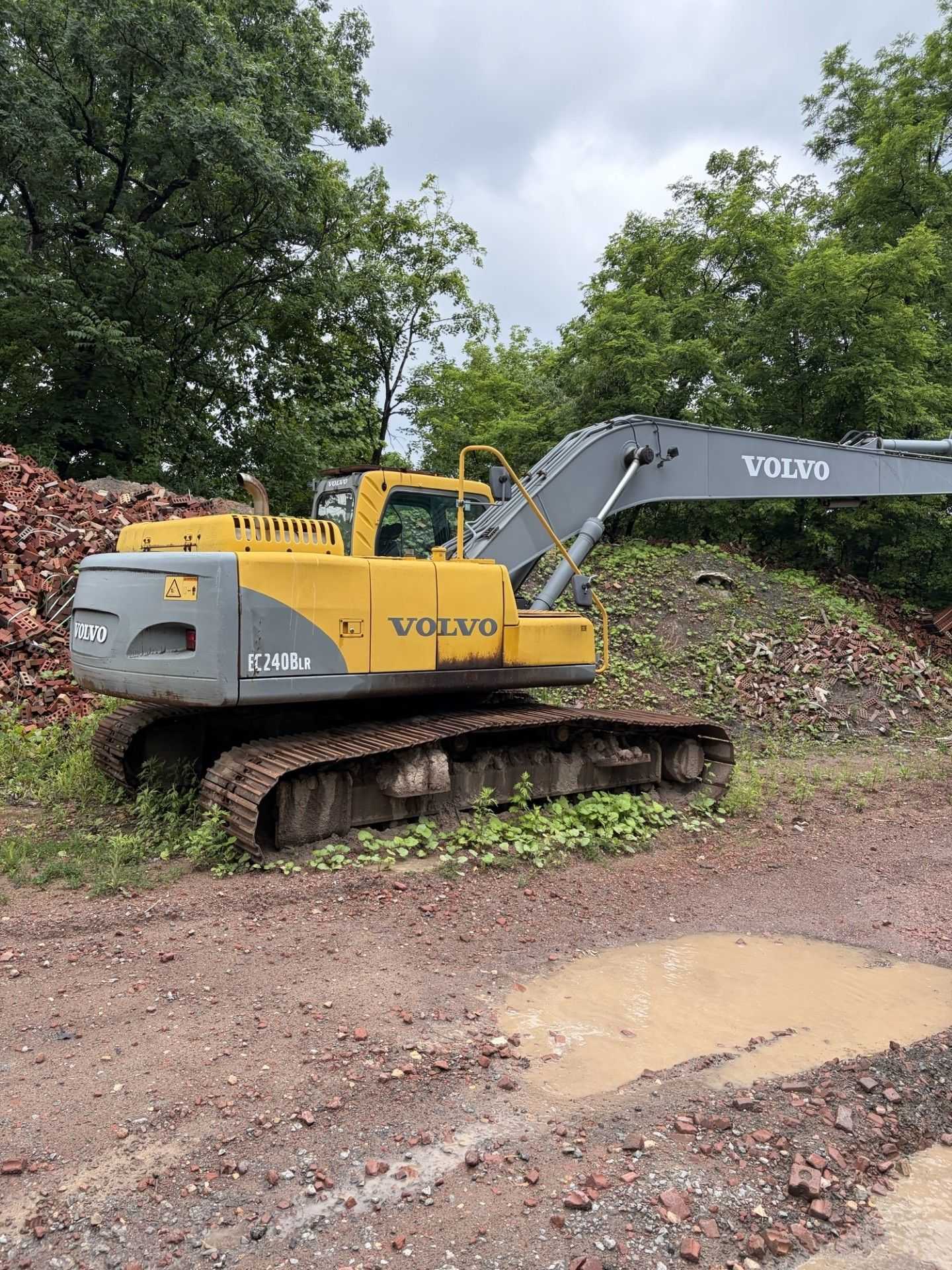
2004 Volvo EC240BLR Long Reach Crawler Excavator, 180HP, 60 ft Reach, Bucket Included
$62,894
$1,042/moPennsylvania
Specifications & Market Value
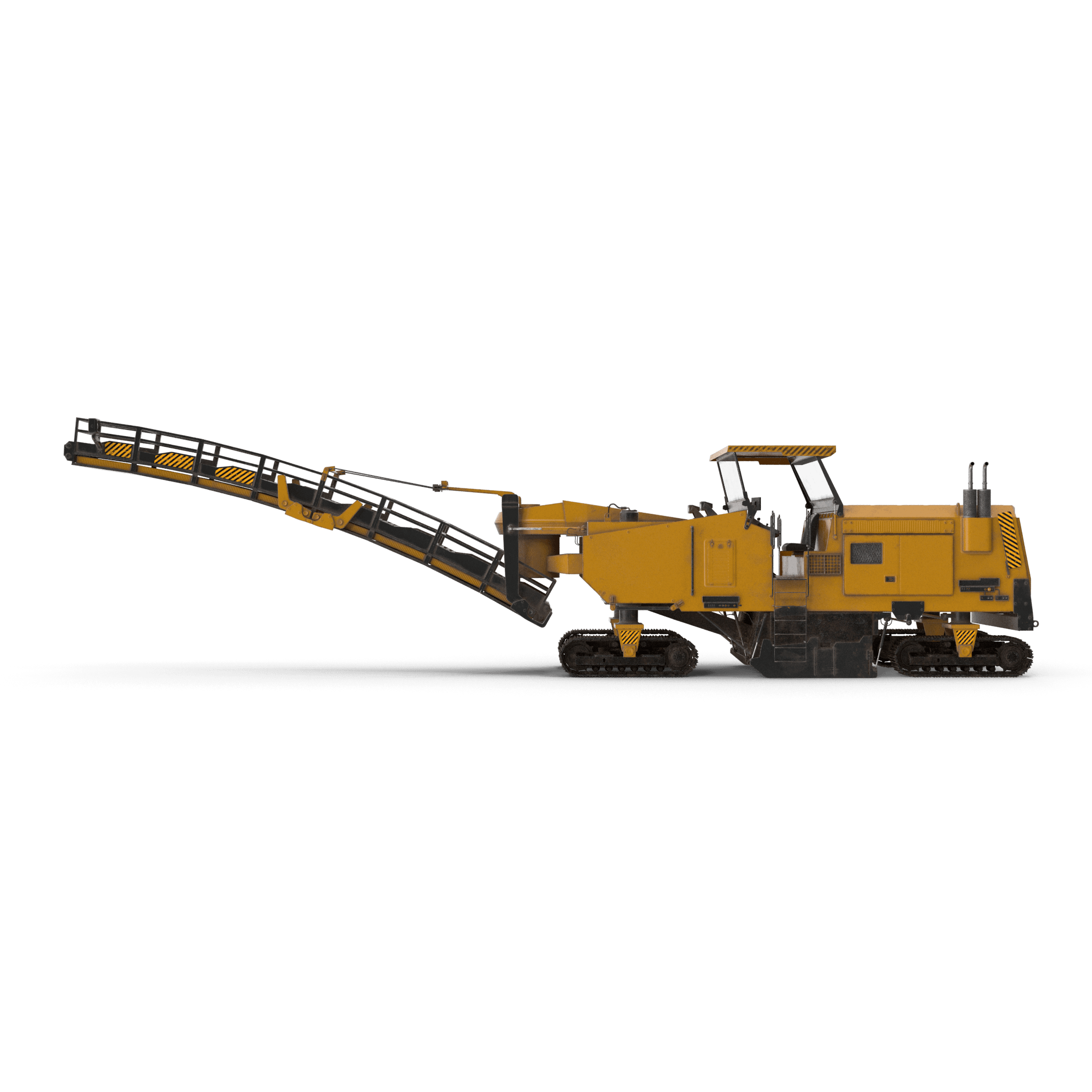
 Reference image
The Unchained Labs UNCLE Static Smooth Drum Roller is an advanced protein stability analyzer designed for high-throughput, multi-parameter biophysical characterization. It supports simultaneous analysis of up to 48 samples per run with an ultra-low minimum sample volume of 0.0032 fl oz (approximately 9 μL) per sealed capillary. The system covers a broad sample concentration range of 0.05–300 mg/mL, enabling versatile application across diverse protein types. Temperature control is precise, ranging from 59 to 203 °F (15–95 °C), with an accuracy of ±0.18 °F and a programmable heating rate from 0.18 to 18 °F/min, supporting detailed thermal stability profiling. UNCLE integrates three optical measurement modes: full-spectrum fluorescence, static light scattering (SLS), and dynamic light scattering (DLS). It excites samples at dual wavelengths of 266 nm and 473 nm with fluorescence detection across a broad spectrum from 250 to 720 nm. DLS capability delivers hydrodynamic diameter measurements from 0.000012 to 0.03937 inches (0.3–1000 nm) with a size accuracy of ±0.000079 inches, along with molecular weight determination ranging from 0.000424 to 0.055115 lb (~192 Da to 25 MDa). The minimum sample concentration required for DLS sizing is 0.1 mg/mL. This instrument offers comprehensive protein characterization metrics, including thermal melting temperature (Tm), aggregation temperature (Tagg), sizing, polydispersity, viscosity, molecular interaction parameters (kD, B22, G22), and refolding analysis. Its compact design (approx. 54 cm x 50 cm x 58 cm, 50 kg) combines high sensitivity and throughput, significantly reducing sample consumption and experiment time in protein stability and formulation studies. The UNCLE roller thus serves as a powerful tool for streamlined, multi-modal protein biophysical analysis in research and development settings.
Specifications, market trends, and valuation estimates are compiled from manufacturer documentation, historical sales, and industry sources. While care is taken to ensure accuracy, this information is provided for reference purposes only and may contain errors or omissions. Users should independently verify all data before making buying or selling decisions. Valuations do not represent guaranteed transaction prices or binding offers, and Aucto assumes no liability for decisions made using this data.
Spot an error or missing detail? Help us keep our equipment guides accurate for the community.

 A+
A+ Auction Value
$19,736
 Range$5,000 – $27,670
 Sells in ~ 30 days
 Retail Value
—
Sells in ~ 180 days
Item functions as originally intended, shows signs of normal wear. Change the condition to see how it moves both values.
| Attribute | SelectedUNCHAINED LABS UNCLE STATIC SMOOTH DRUM ROLLER | FORTE BIO RED96E STATIC SMOOTH DRUM ROLLER | |
|---|---|---|---|
| OEM | UNCHAINED LABS | FORTE BIO | |
| Model | UNCLE | RED96E | |
| Year | - | - | |
| Similarity | — | 92% | |
| Auction Value$5,000 - $27,670Retail Value— | Auction Value$5,000 - $22,000Retail Value— | |
| Current Machine | View Details |
Marketplace