Buy Now
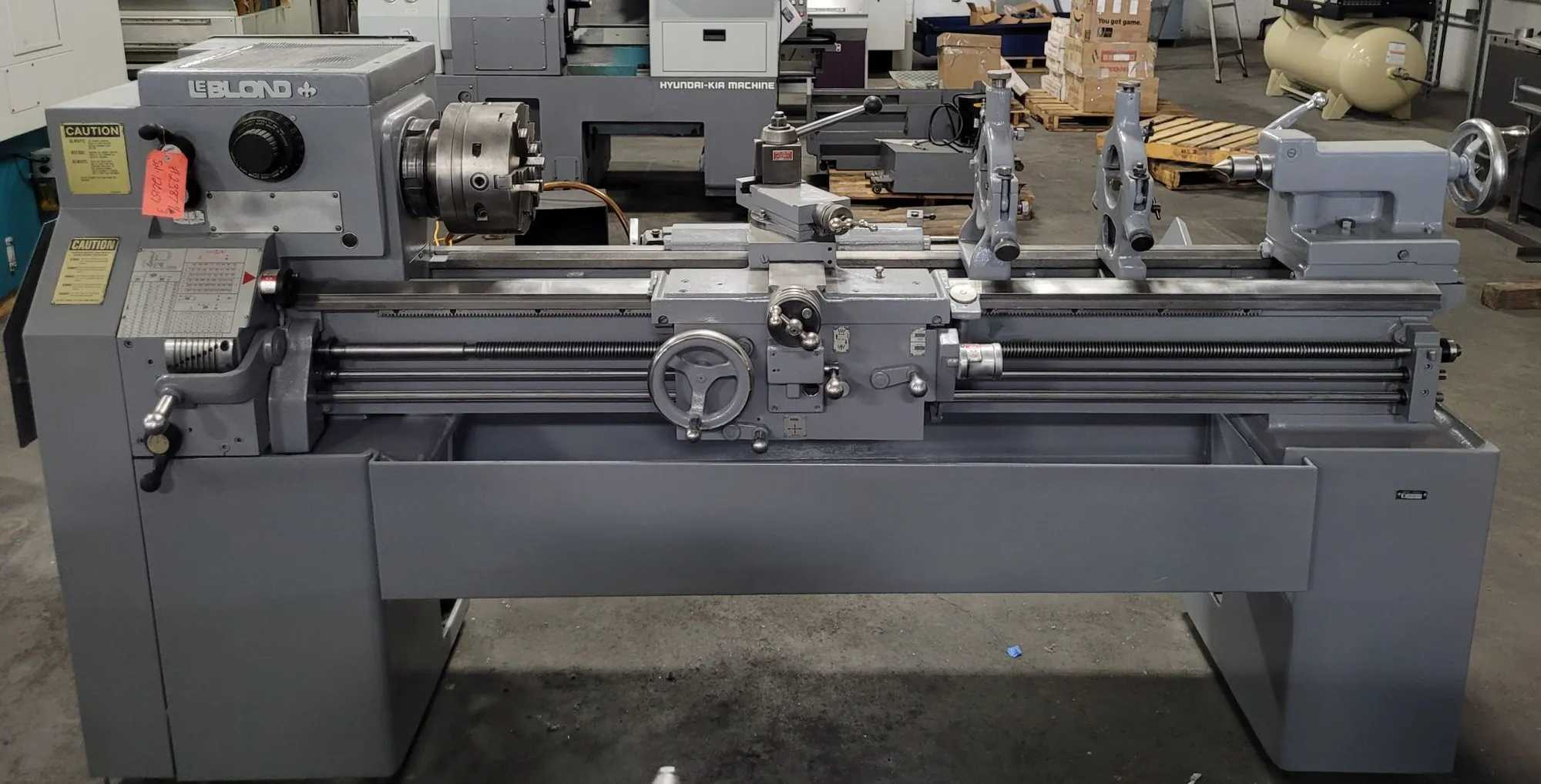
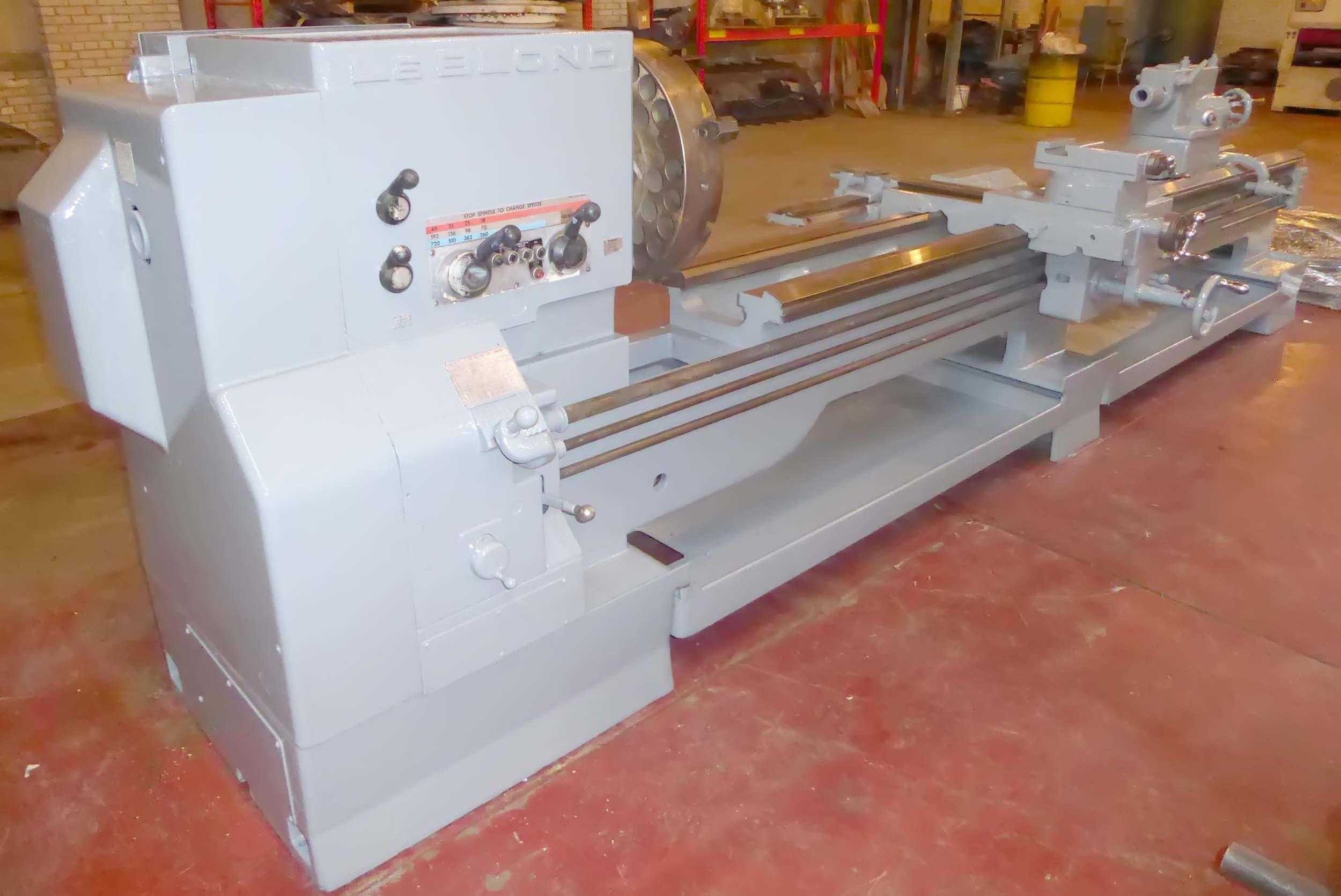
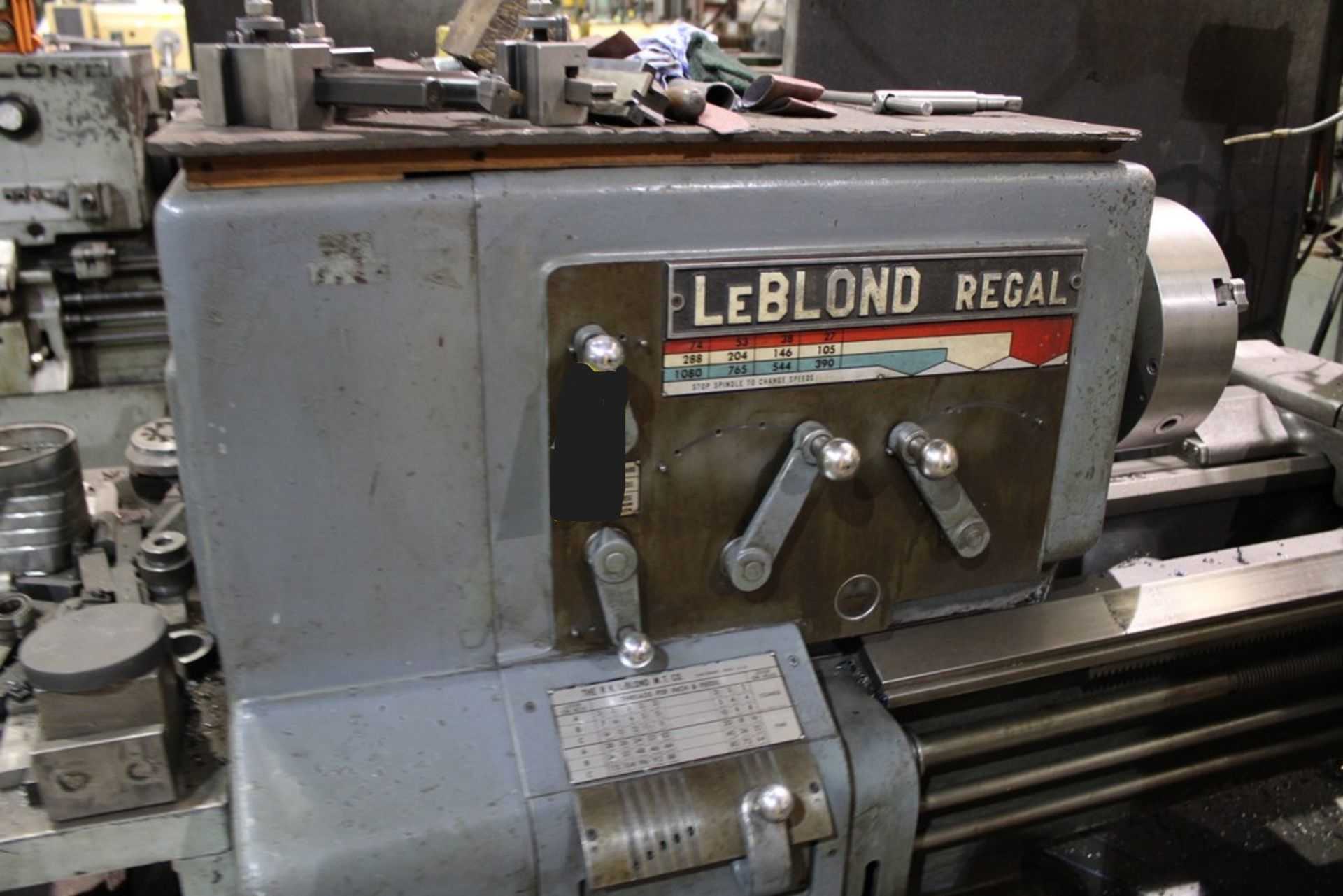
LEBLOND F21 REGAL ENGINE LATHE 22.25" SWING X 72" CTRS 10HP 27-1080 RPM DRO
$9,950
$165/moKentucky
Specifications & Market Value
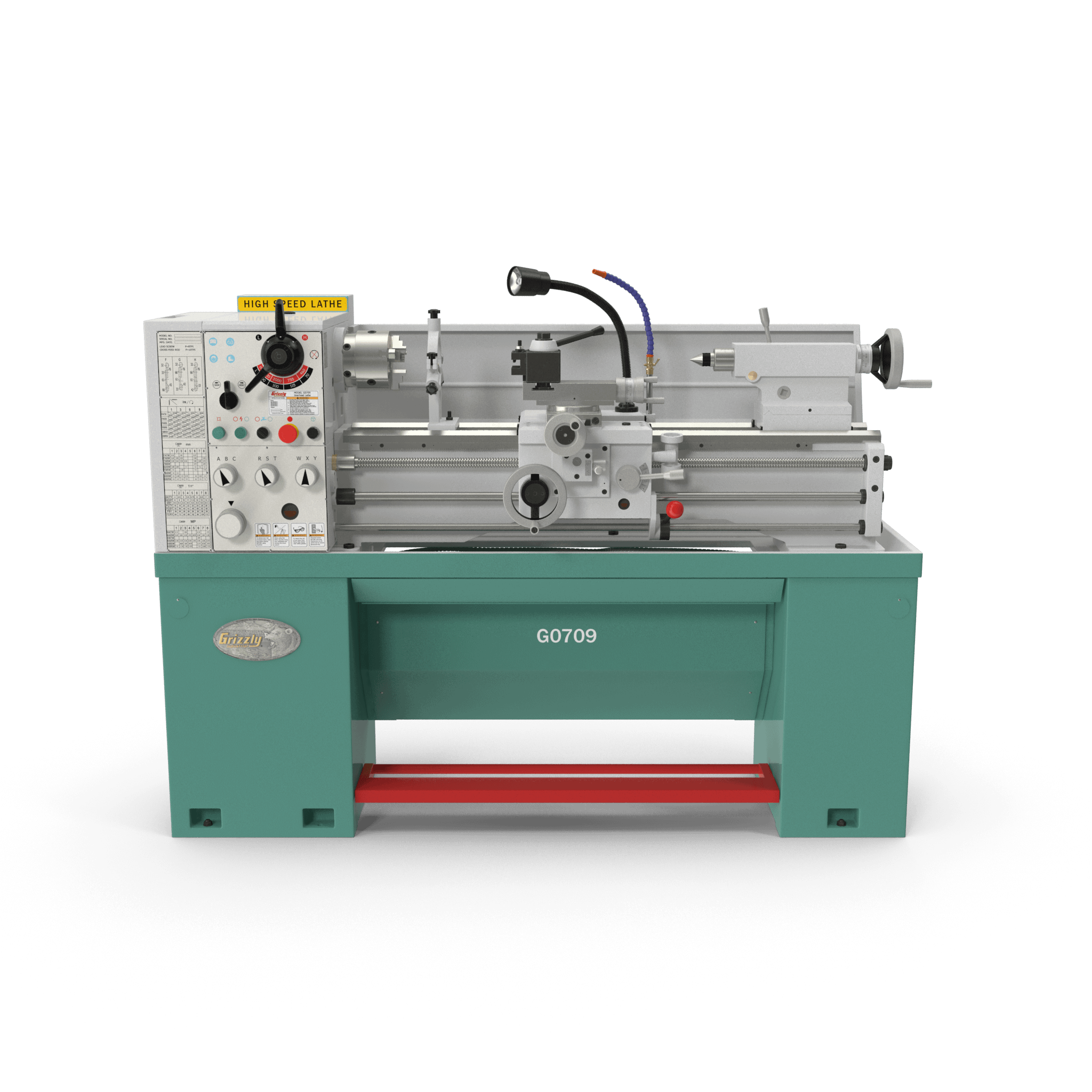
 Reference image
The VOEST ALPINE DA-260 manual lathe features a swing capacity over the bed of 19.69 inches (500 mm) and a maximum distance between centers of 78.74 inches (2000 mm), enabling it to handle medium to large workpieces. It is equipped with a 71 mm spindle bore, allowing the machining of long workpieces through the spindle. The lathe has a center height of approximately 260 mm, providing solid rigidity and support for substantial turning operations. The spindle offers multiple speed steps up to approximately 1,500 rpm, powered by a 7.5 kW motor that delivers high torque and power for heavy machining tasks. The lathe includes 12 spindle speeds and 66 feed rates, allowing for precise control over longitudinal and transverse feeds, with the ability to cut a wide range of metric threads (0.5 to 28 mm). The tailstock features a quill diameter of 65 mm with a travel stroke around 120-160 mm, taper MK4, ensuring versatility for drilling and boring operations. The machine’s bed width is approximately 330 mm, supporting stable and accurate cutting, aided by a lead screw and feed rod cover, spindle brake, and optional digital readout and LED lighting for improved usability. The DA-260 complies with industrial toolmaker accuracy standards (DIN 8605), emphasizing precision and durability for workshop and industrial environments. The machine weighs about 1500-1640 kg and has dimensions roughly 2800 x 750 x 1300 mm.
Specifications, market trends, and valuation estimates are compiled from manufacturer documentation, historical sales, and industry sources. While care is taken to ensure accuracy, this information is provided for reference purposes only and may contain errors or omissions. Users should independently verify all data before making buying or selling decisions. Valuations do not represent guaranteed transaction prices or binding offers, and Aucto assumes no liability for decisions made using this data.
Spot an error or missing detail? Help us keep our equipment guides accurate for the community.

 A+
A+ Auction Value
$10,625
 Range$2,500 – $15,000
 Sells in ~ 30 days
 Retail Value
—
Sells in ~ 180 days
Item functions as originally intended, shows signs of normal wear. Change the condition to see how it moves both values.
| Attribute | SelectedVOEST ALPINE DA-260 MANUAL LATHE | VOEST ALPINE DA-210 MANUAL LATHE | |
|---|---|---|---|
| OEM | VOEST ALPINE | VOEST ALPINE | |
| Model | DA-260 | DA-210 | |
| Year | - | - | |
| Max Swing | 19.69 '' | 16.50 '' | |
| Distance Between Centers | 78.74 '' | 79.90 '' | |
| Similarity | — | 99% | |
| Auction Value$2,500 - $15,000Retail Value— | Auction Value$1,000 - $6,000Retail Value— | |
| Current Machine | View Details |
Marketplace