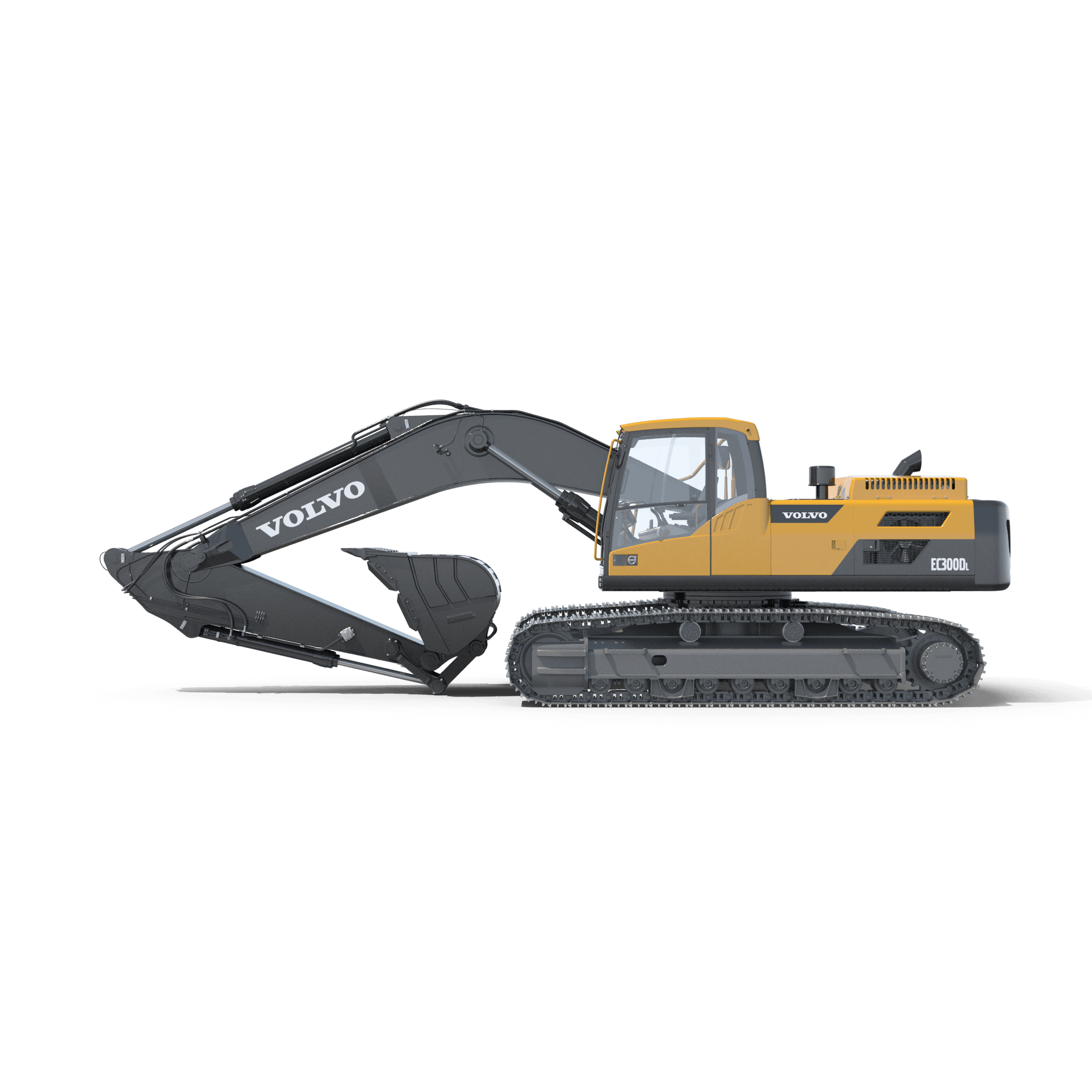
HITACHI ZX190W-3 CRAWLER EXCAVATOR
HITACHI · ZX190W-3
Specifications & Market Value
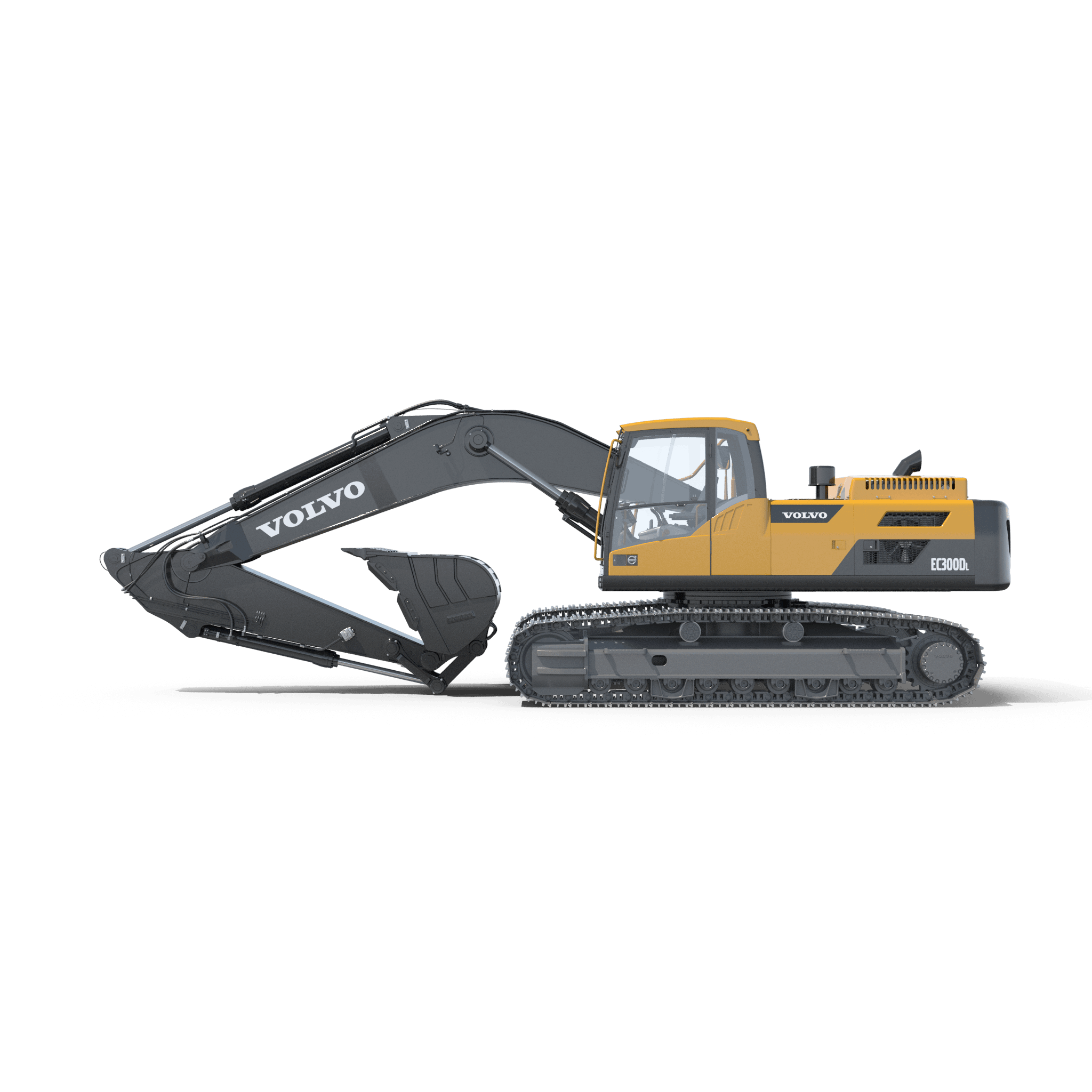
 Reference image
The Volvo ECR235E is a robust medium crawler excavator optimized for performance in confined job site conditions due to its short swing radius design. It features a 172 hp (128 kW) Tier 4 Final emission-compliant Volvo diesel engine that delivers smooth operation and improved fuel efficiency supported by an advanced hydraulics system with fully electronic control and an enhanced ECO mode. The excavator has a maximum digging depth of 22.2 feet and a maximum reach along the ground of 31.2 feet, providing effective excavation capabilities. Its operating weight is approximately 52,250 lbs, offering a stable platform for heavy-duty operations. The machine’s breakout force is rated at 28,100 lbf under normal conditions and can boost up to 29,710 lbf, ensuring powerful digging performance, while the tear-out forces reach up to 24,080 lbf. The durable undercarriage contributes to impressive tractive force and stability. Operator comfort is enhanced by a spacious, ROPS-certified cab featuring a wide entrance, ample legroom, ergonomic controls, and a responsive climate control system to reduce fatigue in low-noise conditions. The ECR235E also supports versatile attachments with bucket capacities ranging from 0.47 to 1.88 cubic yards, enabling adaptability across various tasks. Maintenance is simplified with convenient service access, lowering total cost of ownership by increasing uptime and reducing fuel consumption. Volvo offers comprehensive customer support agreements that include preventive maintenance and repairs, ensuring maximum productivity and profitability over the machine's lifecycle. The ECR235E is designed for operators seeking dependable performance and efficiency in a compact excavation platform.
Specifications, market trends, and valuation estimates are compiled from manufacturer documentation, historical sales, and industry sources. While care is taken to ensure accuracy, this information is provided for reference purposes only and may contain errors or omissions. Users should independently verify all data before making buying or selling decisions. Valuations do not represent guaranteed transaction prices or binding offers, and Aucto assumes no liability for decisions made using this data.
Spot an error or missing detail? Help us keep our equipment guides accurate for the community.

 A+
A+ Auction Value
$78,000
 Sells in ~ 30 days
 Retail Value
—
Sells in ~ 180 days
Item functions as originally intended, shows signs of normal wear. Change the condition to see how it moves both values.
Market Intelligence
HITACHI · ZX190W-3
HITACHI · ZX180W
LINK BELT · 210 X2
CATERPILLAR · 322C L
CASE · WX240
DOOSAN · DX210W
CATERPILLAR · 320C LN
TEREX · TXC 255LC-2