Buy Now
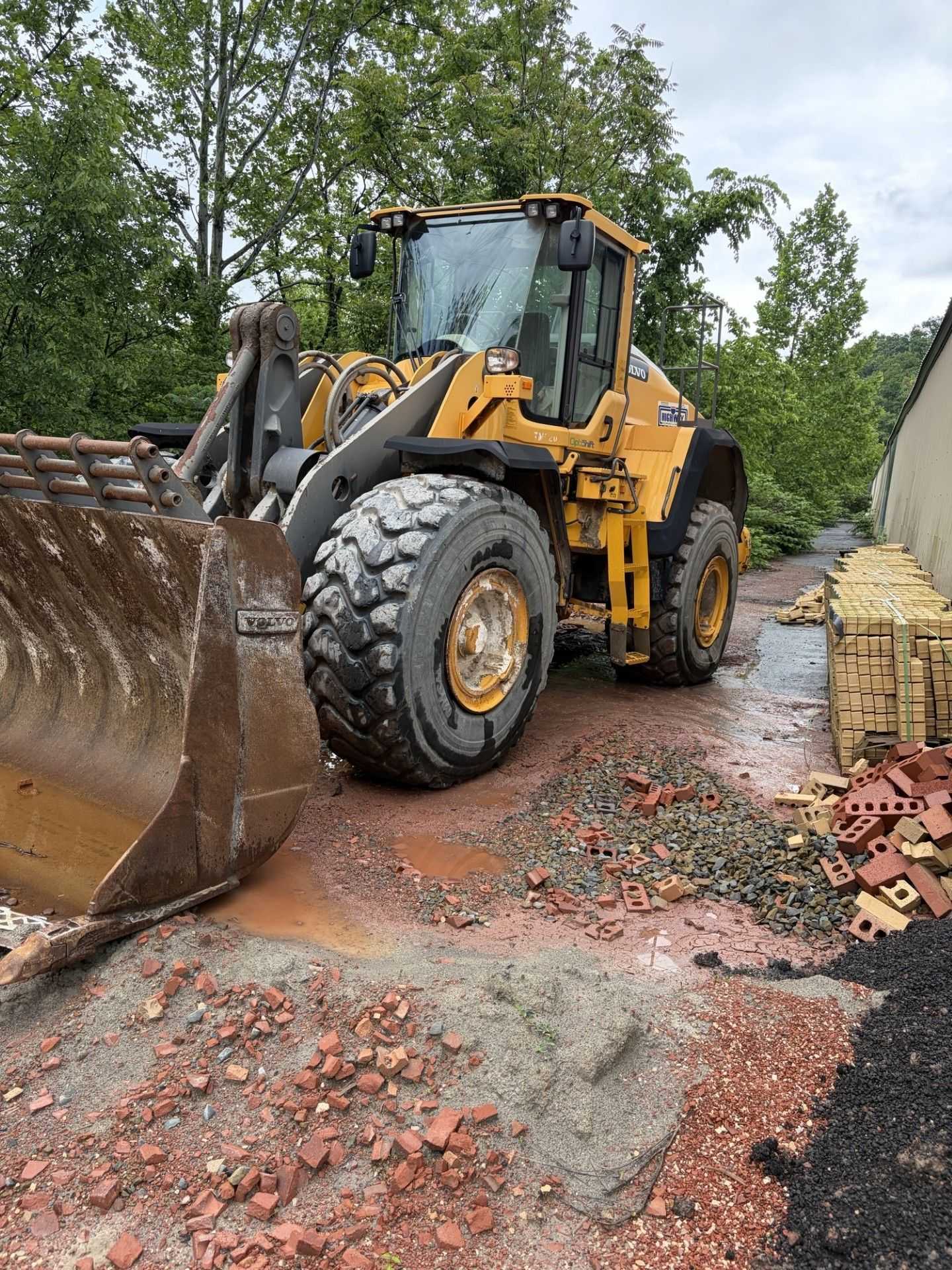
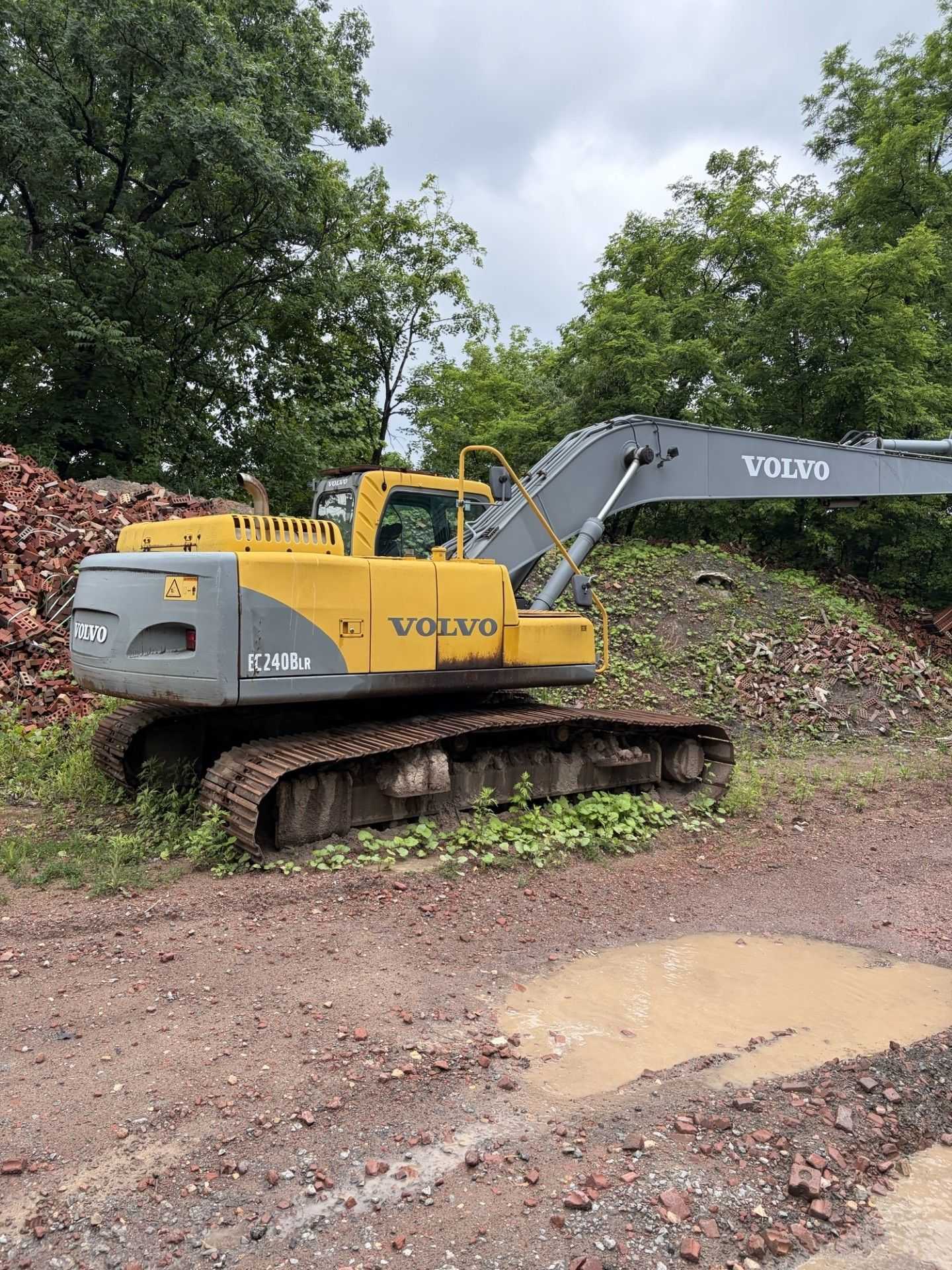
2004 Volvo EC240BLR Long Reach Crawler Excavator, 180HP, 60 ft Reach, Bucket Included
$62,894
$1,042/moPennsylvania
Specifications & Market Value
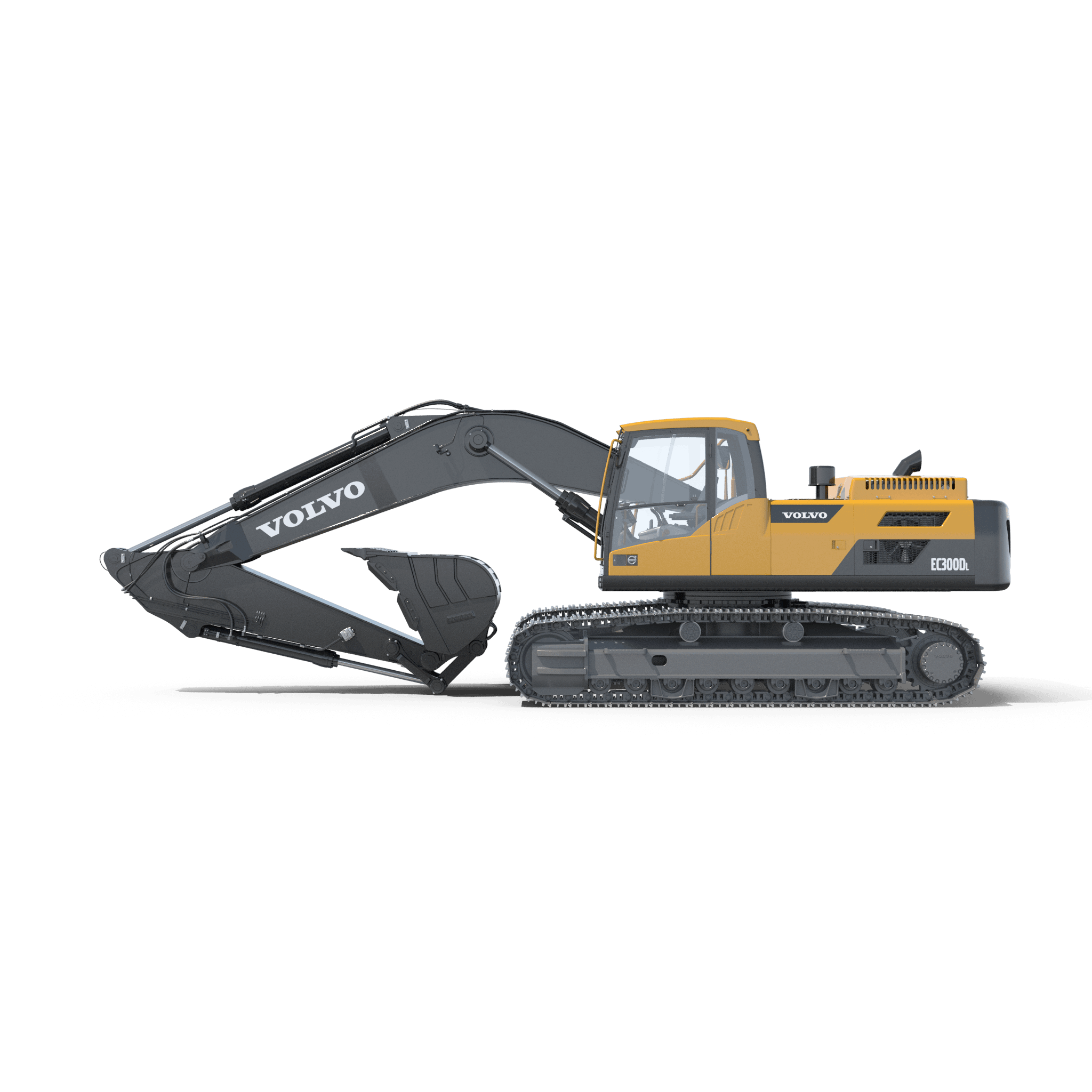
 Reference image
The Volvo EWR170E is a high-performance wheeled excavator engineered for versatility and efficiency in demanding construction environments. Powered by a Volvo D4J (T4) in-line turbocharged diesel engine, it delivers a net power of 150 hp (112 kW) at 2,000 rpm and a gross power of 154 hp (115 kW), with a maximum torque of 455.9 lb-ft. The engine features a 4-cylinder configuration, 246.6 cu in displacement, and advanced fuel injection for optimal fuel economy and reduced emissions. The hydraulic system utilizes a low-noise axial piston pump, providing a maximum flow of 72.7 gpm for responsive and precise operation. The EWR170E offers multiple boom and stick configurations, with a 2-piece boom (5.1 m) and arm options ranging from 2.0 m to 3.1 m, enabling maximum digging depths from 17.1 ft to 20.7 ft and maximum digging reaches from 28.9 ft to 32.3 ft. The machine boasts a short tail swing radius of 5.9 ft, making it ideal for confined spaces. It features a robust undercarriage with twin wheels (10/11-20), a wheelbase of 8.6 ft, and a ground clearance of 1.2 ft. The operator benefits from a spacious cab with excellent visibility, ergonomic controls, and advanced features such as Comfort Drive Control and an automatic digging brake. The EWR170E is equipped with a load-sensing hydraulic system, pressure-compensated valves, and a high-capacity hydraulic tank (60.8 gal total system), ensuring smooth and efficient operation. With a fuel tank capacity of 52.9 gal and a total operating weight of up to 19.2 tons, the EWR170E is designed for extended productivity and reliability on any jobsite.
Specifications, market trends, and valuation estimates are compiled from manufacturer documentation, historical sales, and industry sources. While care is taken to ensure accuracy, this information is provided for reference purposes only and may contain errors or omissions. Users should independently verify all data before making buying or selling decisions. Valuations do not represent guaranteed transaction prices or binding offers, and Aucto assumes no liability for decisions made using this data.
Spot an error or missing detail? Help us keep our equipment guides accurate for the community.

 A+
A+ Auction Value
$92,600
 Range$25,000 – $129,000
 Sells in ~ 30 days
 Retail Value
—
Sells in ~ 180 days
Item functions as originally intended, shows signs of normal wear. Change the condition to see how it moves both values.
| Attribute | SelectedVOLVO EWR170E CRAWLER EXCAVATOR | VOLVO EWR150E CRAWLER EXCAVATOR | |
|---|---|---|---|
| OEM | VOLVO | VOLVO | |
| Model | EWR170E | EWR150E | |
| Year | - | - | |
| Boom Length | 16.8 ft | 14.0 ft | |
| Max Digging Depth | 17.1 ft | 15.2 ft | |
| Similarity | — | 99% | |
| Auction Value$25,000 - $129,000Retail Value— | Auction Value$20,000 - $78,830Retail Value— | |
| Current Machine | View Details |
Marketplace