Buy Now
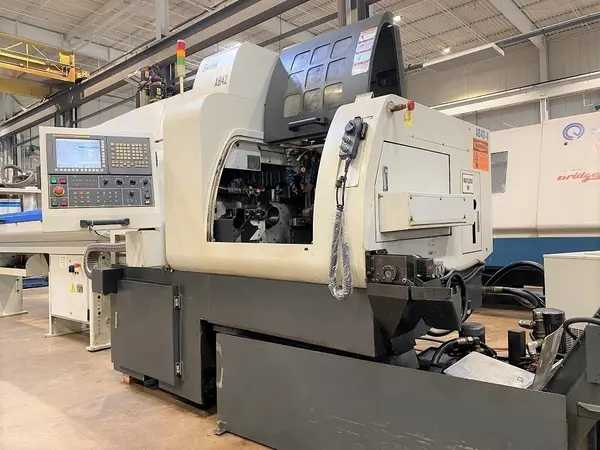
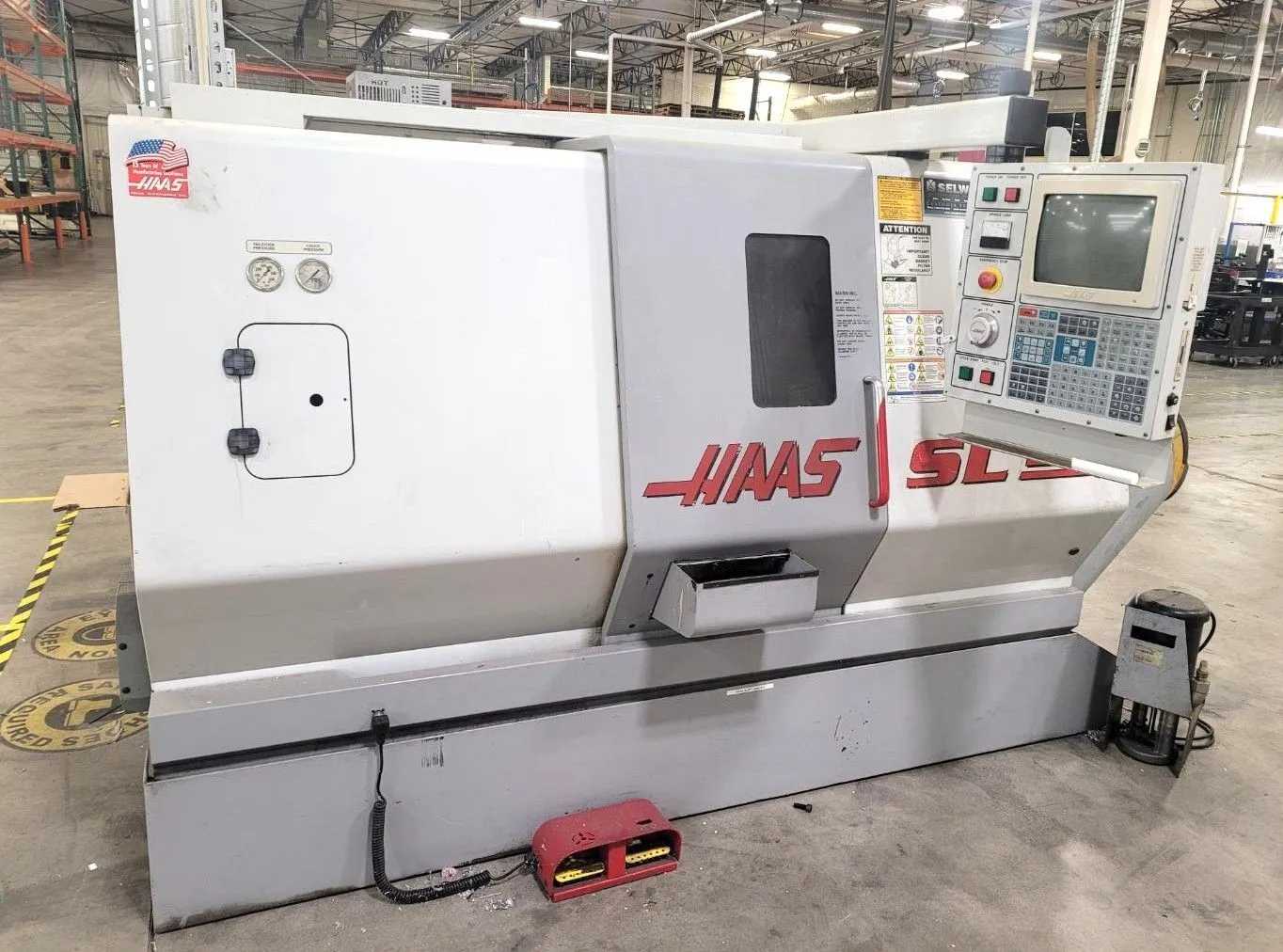
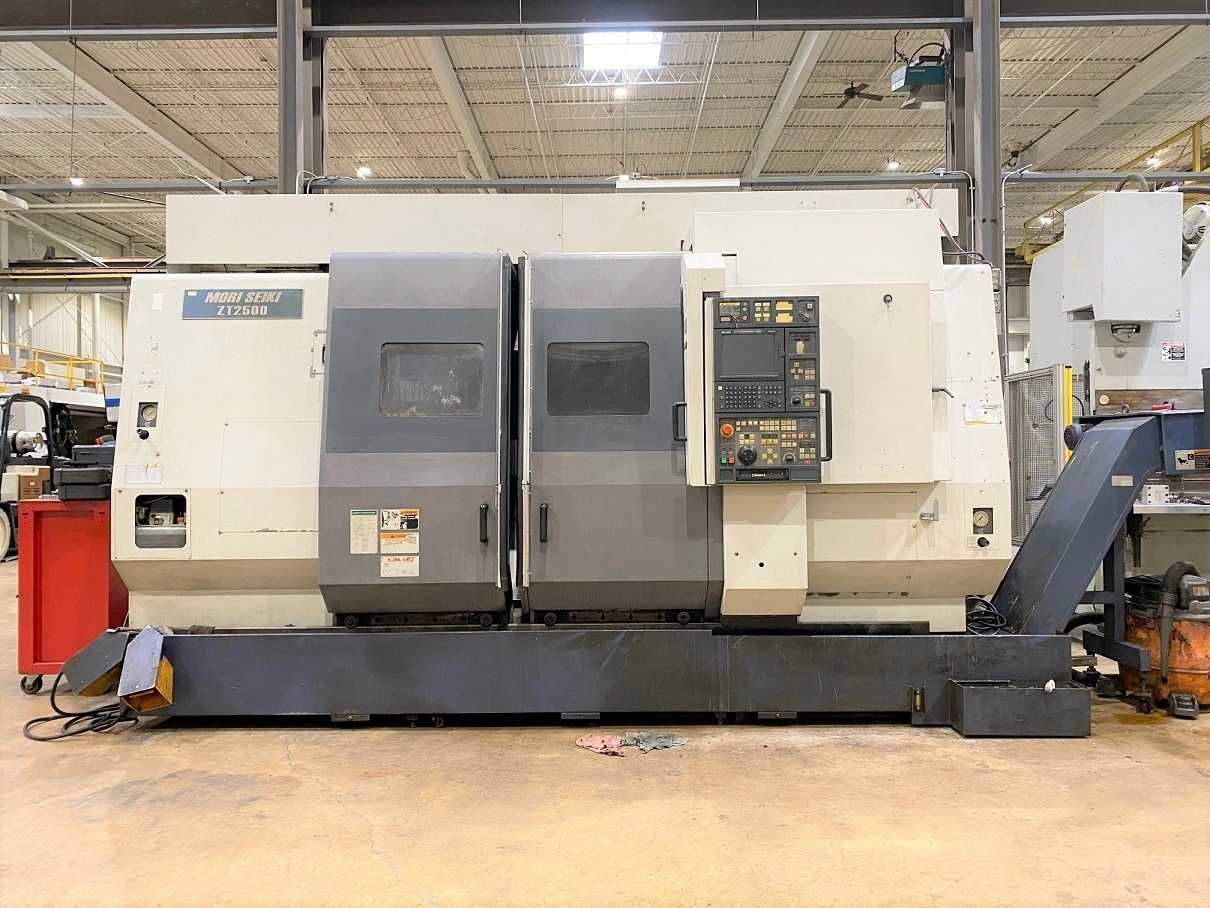
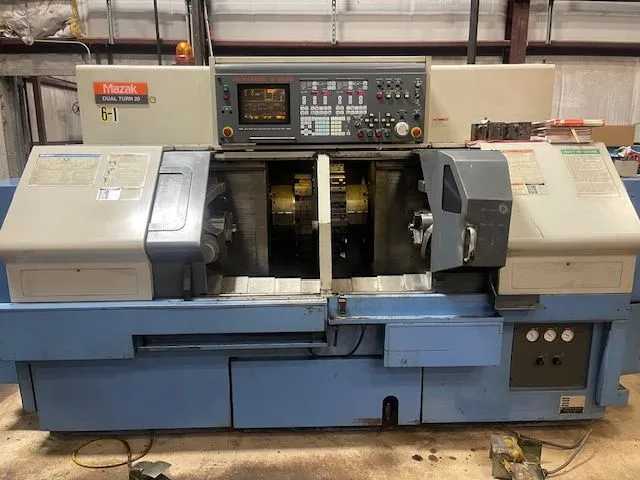
1995 Mazak Dual Turn 20 CNC Lathes, 12.6 in Turn Dia, 49.21 in Mach Len, 20 HP
$12,500
$207/moWisconsin
Specifications & Market Value
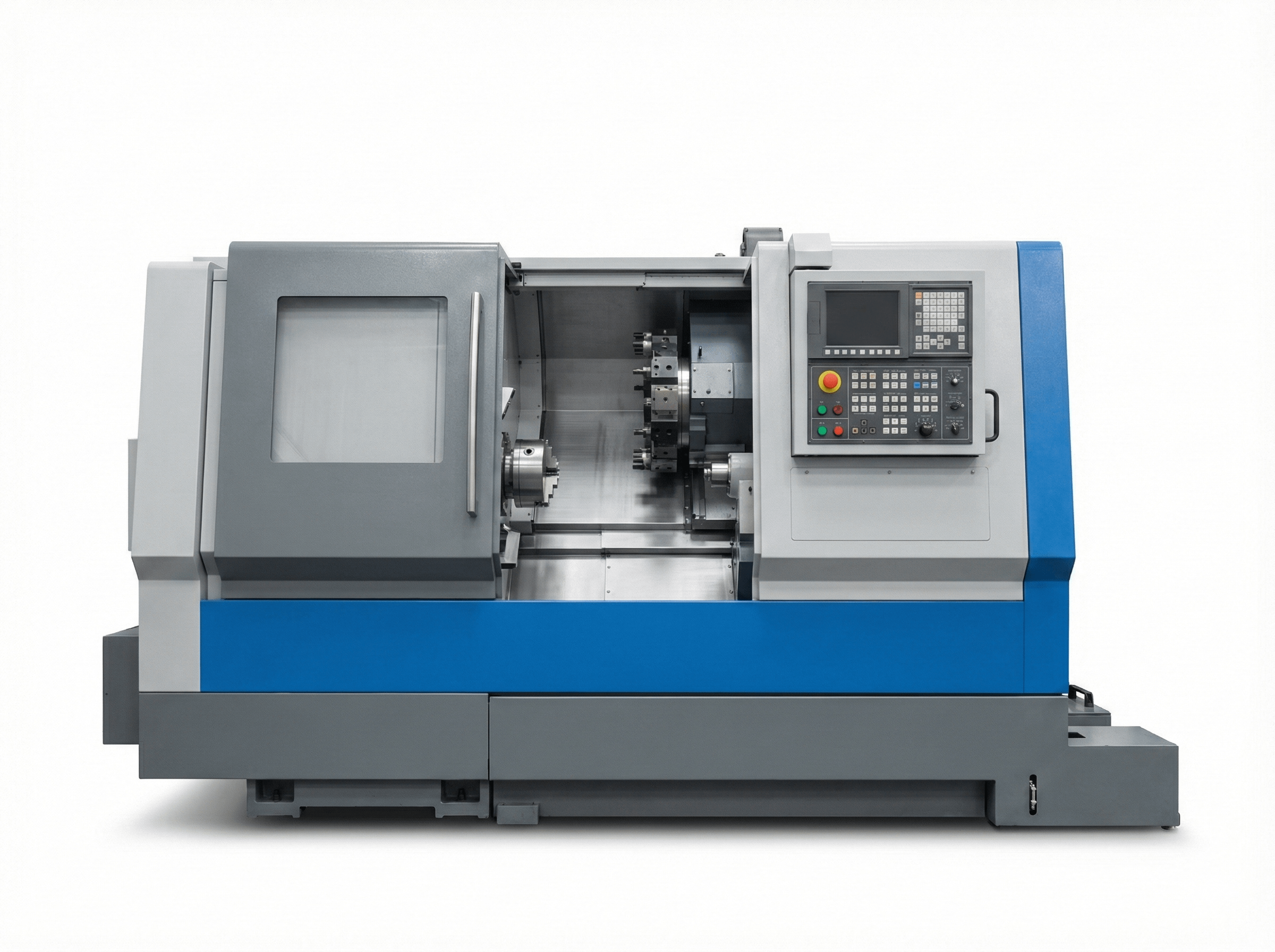
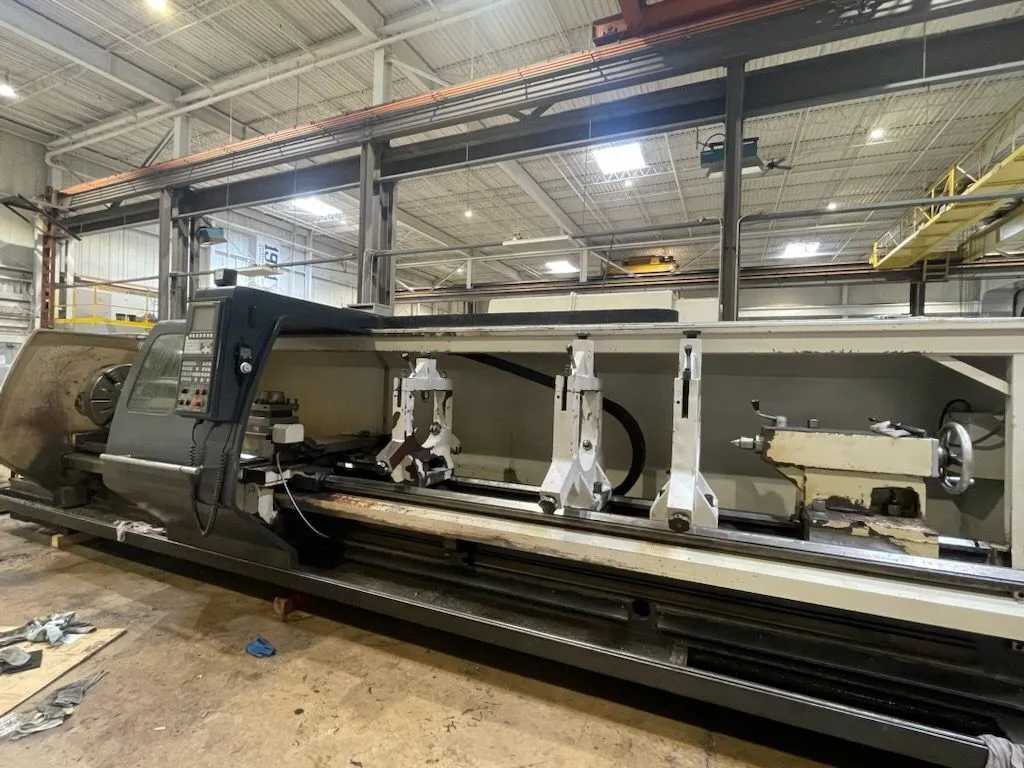
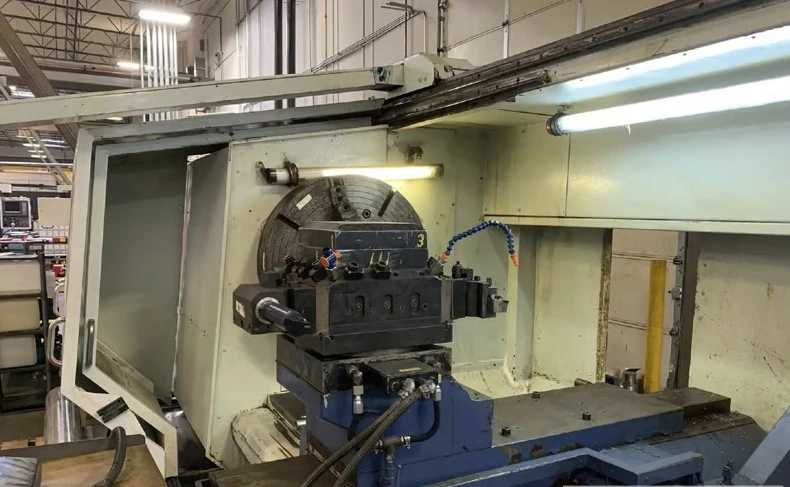
 Reference image
This CNC lathe chuck features an 11.81-inch (approximately 300mm) diameter, designed for precise and secure workholding in CNC turning operations. Controlled through CNC systems, it enables automated, rapid, and repeatable clamping, improving machining efficiency and accuracy. Typically constructed from high-strength materials like forged steel, these chucks offer high rigidity and durability to withstand substantial clamping forces and lathe spindle speeds. The chuck likely utilizes a three-jaw self-centering mechanism where the jaws move simultaneously to grip cylindrical or hexagonal workpieces, ensuring efficient centering with a broad clamping range. Its compact design minimizes inertia, which enhances dynamic spindle behavior at high rotational speeds. Through-bore capability in such chucks facilitates bar work by allowing long stock feed-through, increasing operational versatility. Hardened and precision-ground jaws may be reversible or interchangeable for external and internal gripping with high concentricity, often within tolerances as tight as 0.0005" TIR. The chuck integrates seamlessly with CNC machines, supporting quick-change jaw systems to reduce setup times and increase productivity. These attributes make it well-suited for high-speed, high-precision machining applications that demand strong, consistent clamping and minimal runout for superior surface finishes and dimensional accuracy. Overall, this CNC lathe chuck balances power clamping, precision, speed capability, and ease of use to optimize CNC turning center performance.
Specifications, market trends, and valuation estimates are compiled from manufacturer documentation, historical sales, and industry sources. While care is taken to ensure accuracy, this information is provided for reference purposes only and may contain errors or omissions. Users should independently verify all data before making buying or selling decisions. Valuations do not represent guaranteed transaction prices or binding offers, and Aucto assumes no liability for decisions made using this data.
Spot an error or missing detail? Help us keep our equipment guides accurate for the community.

 A+
A+ Auction Value
$42,825
 Range$10,000 – $60,500
 Sells in ~ 30 days
 Retail Value
—
Sells in ~ 180 days
Item functions as originally intended, shows signs of normal wear. Change the condition to see how it moves both values.
| Attribute | SelectedWAGNER WDC 560 CNC LATHE | WAGNER WDC 460 CNC LATHE | |
|---|---|---|---|
| OEM | WAGNER | WAGNER | |
| Model | WDC 560 | WDC 460 | |
| Year | - | - | |
| Max Spindle Speed | 2400 RPM | 3500 RPM | |
| Control System | SIEMENS SINUMERIK 840D | SIEMENS 828D | |
| Similarity | — | 99% | |
| Auction Value$10,000 - $60,500Retail Value— | Auction Value$5,000 - $35,000Retail Value— | |
| Current Machine | View Details |
Marketplace