Buy Now
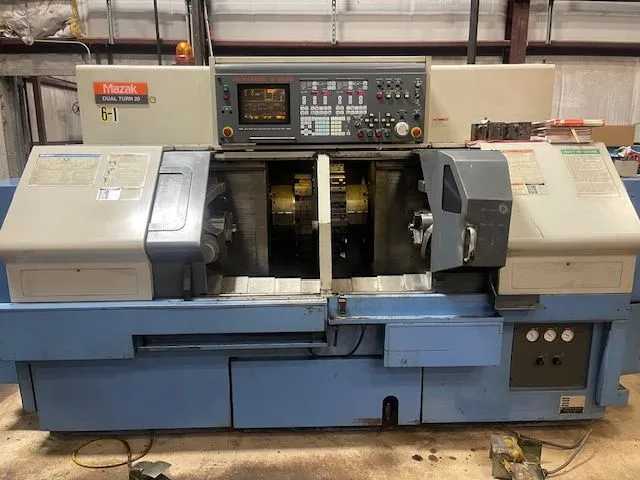
1995 Mazak Dual Turn 20 CNC Lathes, 12.6 in Turn Dia, 49.21 in Mach Len, 20 HP
$12,500
$207/moWisconsin
Specifications & Market Value
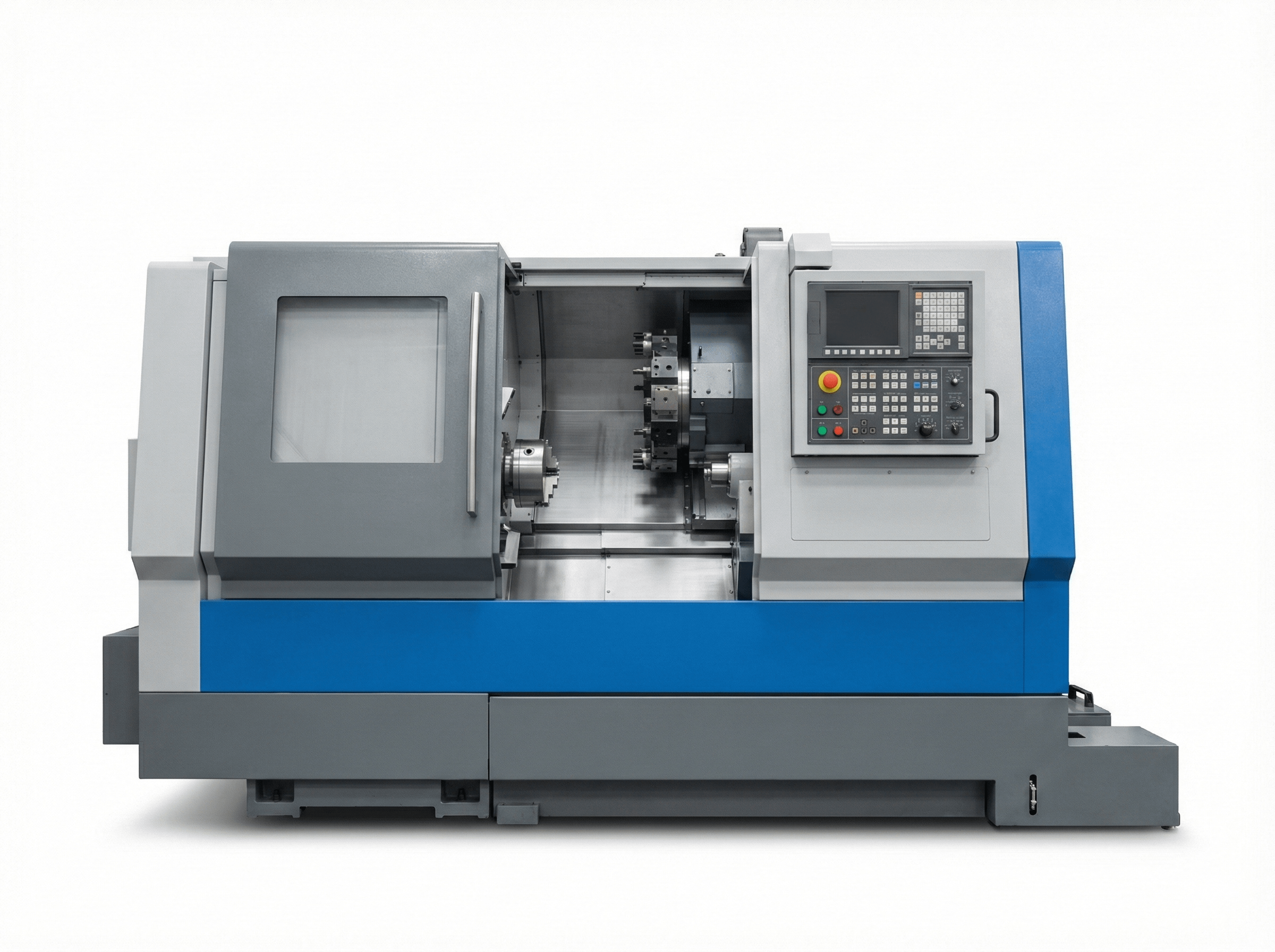
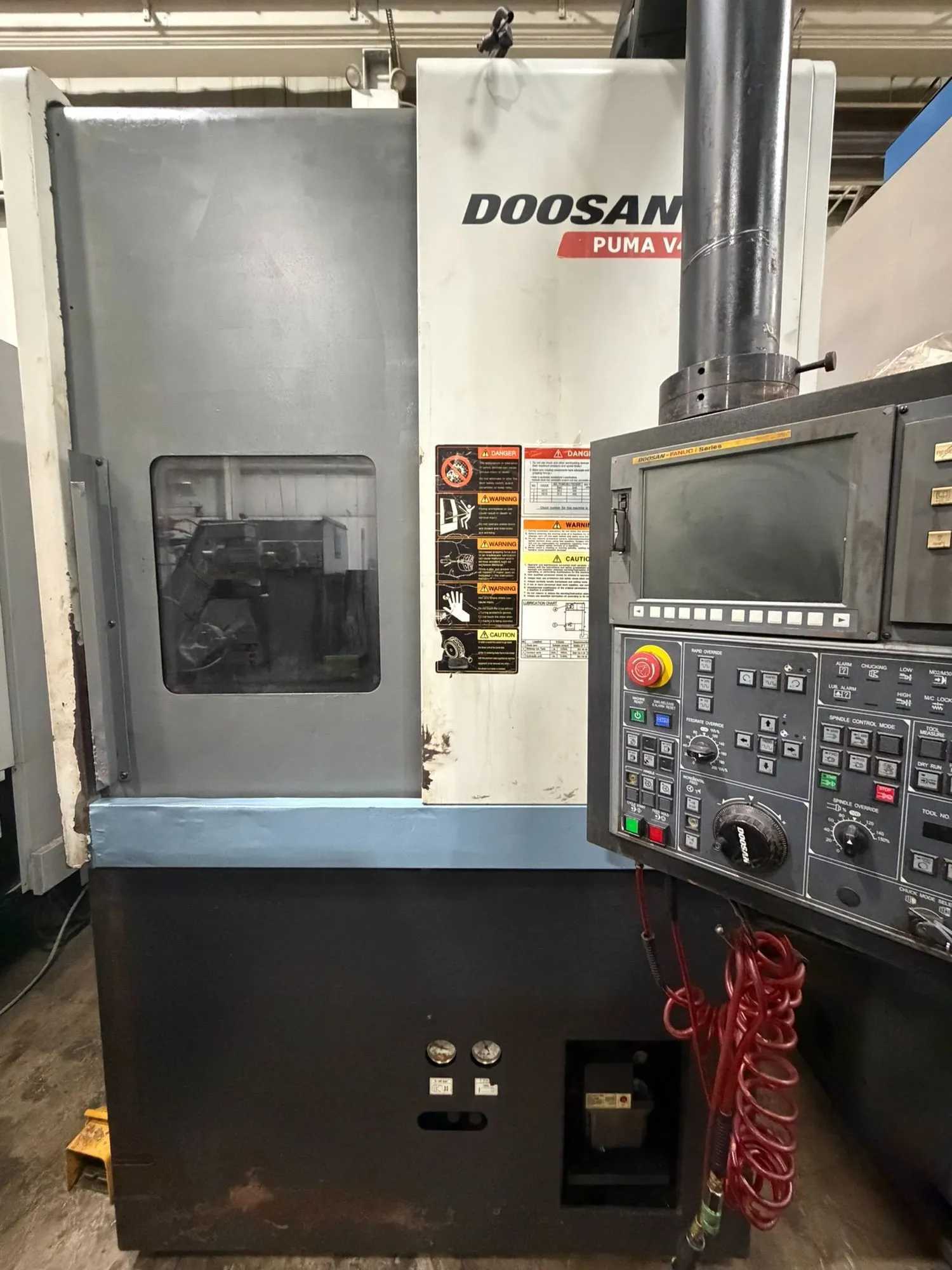
 Reference image
This industrial sewing machine features a **swing of 35.4 inches** and a **machining length of 59.1 inches**, indicating a large work envelope suitable for handling substantial fabric pieces or heavy-duty sewing tasks. The machine’s controls are unspecified but likely include standard manual and possibly electronic adjustments typical in industrial models, such as stitch length, speed, and tension control. Designed for medium to heavy-weight materials, such machines typically utilize a **single needle lockstitch mechanism**, providing strong, durable seams suitable for garments, denim, canvas, or technical textiles. The machining length supports extended straight or curved seams without frequent repositioning, enhancing productivity on large-scale projects. Industrial machines in this category often incorporate **servo motors** for precise speed control and energy efficiency, though this model's motor type is not detailed. Other common features would include a high-lift presser foot for thick materials, reinforced feed dogs for consistent fabric advance, and robust needle bars capable of supporting various needle sizes. The extended swing and machining length enhance accessibility and fabric handling, reducing operator strain and enabling complex sewing operations. While the specific controls’ make and model are not listed, typical industrial sewing machine controls involve digital or analog panels for adjusting sewing speed, stitch length (usually up to 5 mm), and other parameters critical to seam quality and efficiency. The machine's construction likely balances rigidity and vibration reduction, ensuring consistent stitch quality at high speeds, potentially up to 5,000–5,500 stitches per minute as seen in comparable models. Overall, this machine is engineered for heavy-duty production environments requiring long, uninterrupted sewing lengths and versatile material handling.
Specifications, market trends, and valuation estimates are compiled from manufacturer documentation, historical sales, and industry sources. While care is taken to ensure accuracy, this information is provided for reference purposes only and may contain errors or omissions. Users should independently verify all data before making buying or selling decisions. Valuations do not represent guaranteed transaction prices or binding offers, and Aucto assumes no liability for decisions made using this data.
Spot an error or missing detail? Help us keep our equipment guides accurate for the community.

 A+
A+ Auction Value
$31,000
 Range$5,000 – $45,000
 Sells in ~ 30 days
 Retail Value
—
Sells in ~ 180 days
Item functions as originally intended, shows signs of normal wear. Change the condition to see how it moves both values.
Marketplace

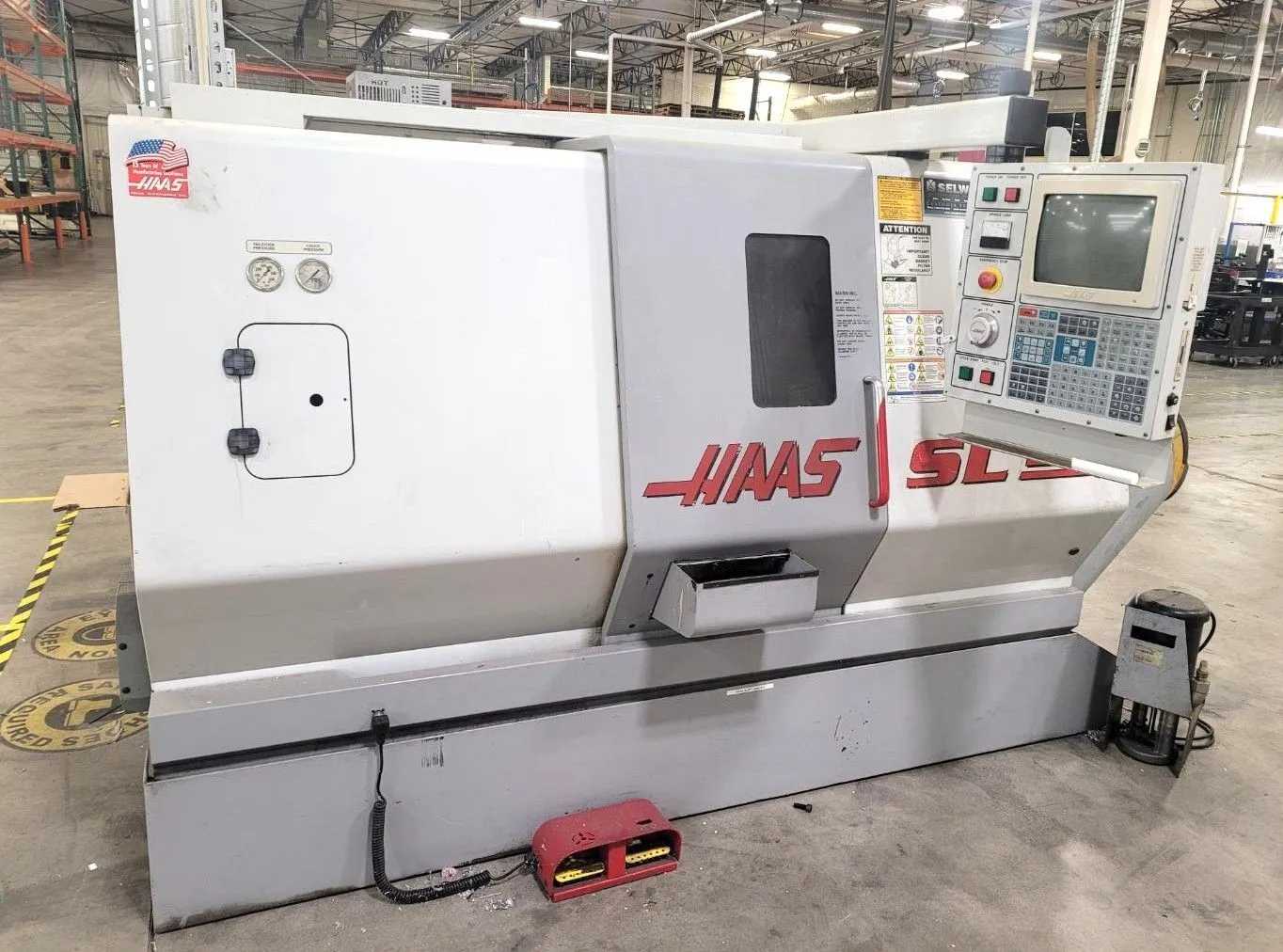
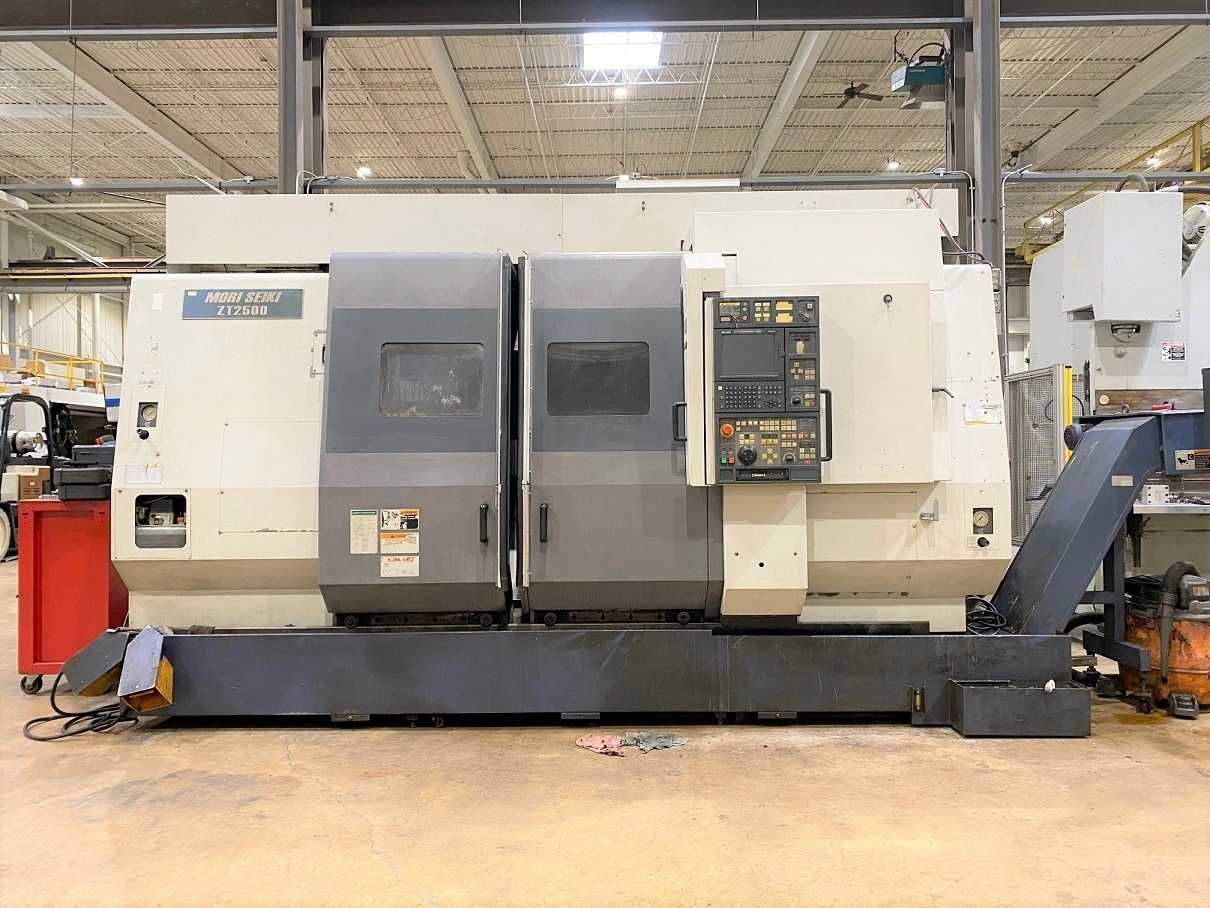
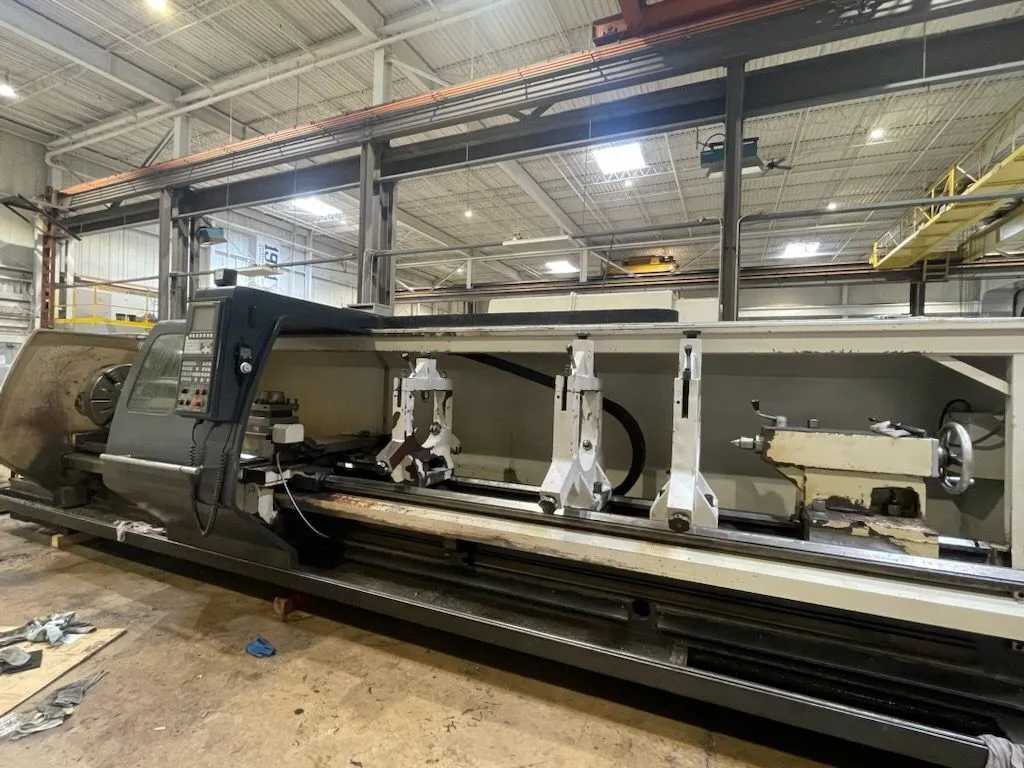
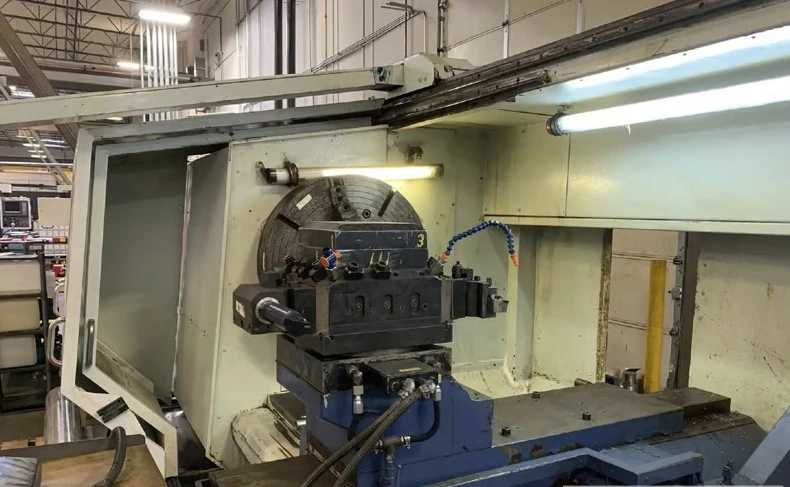
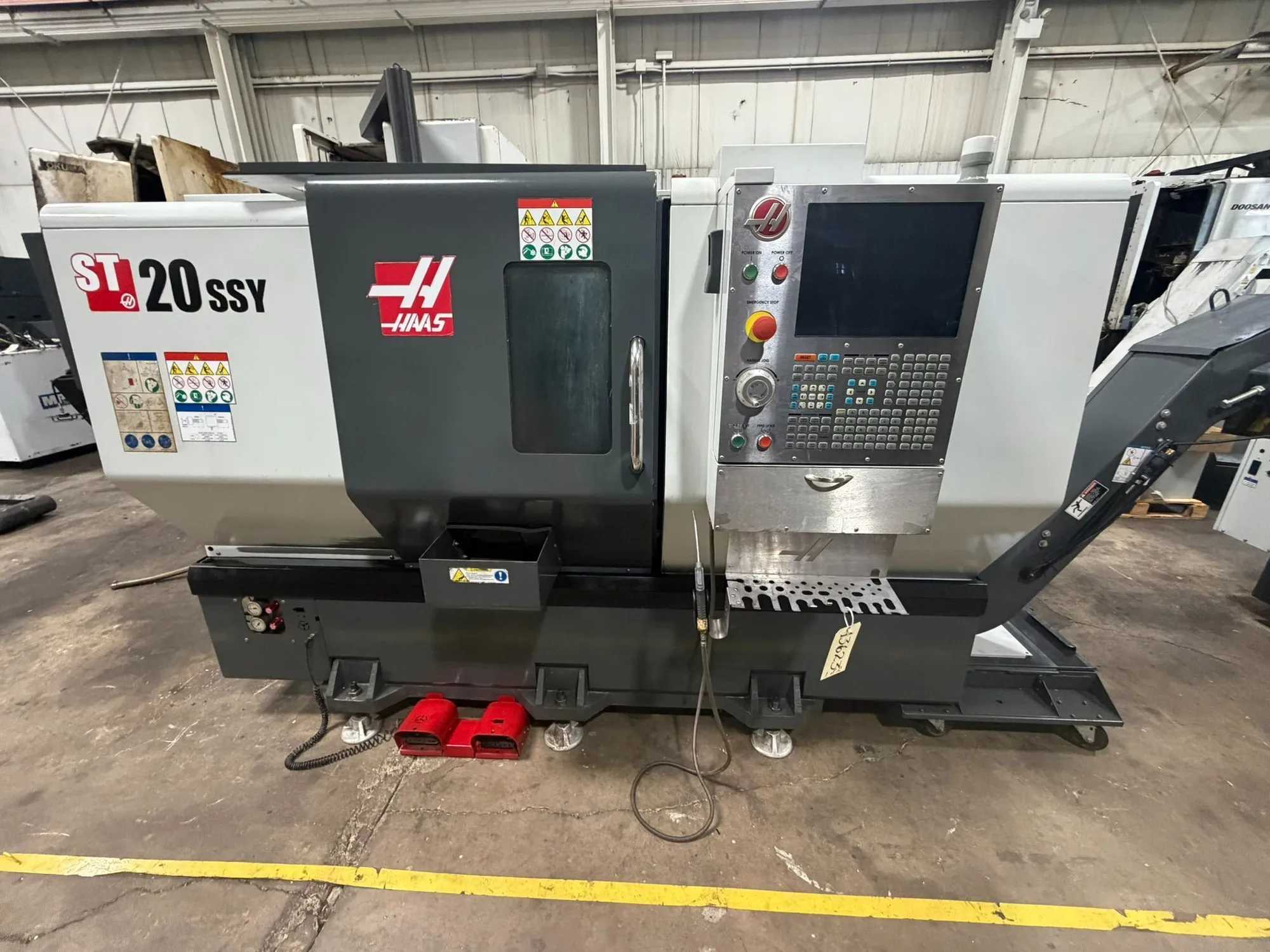
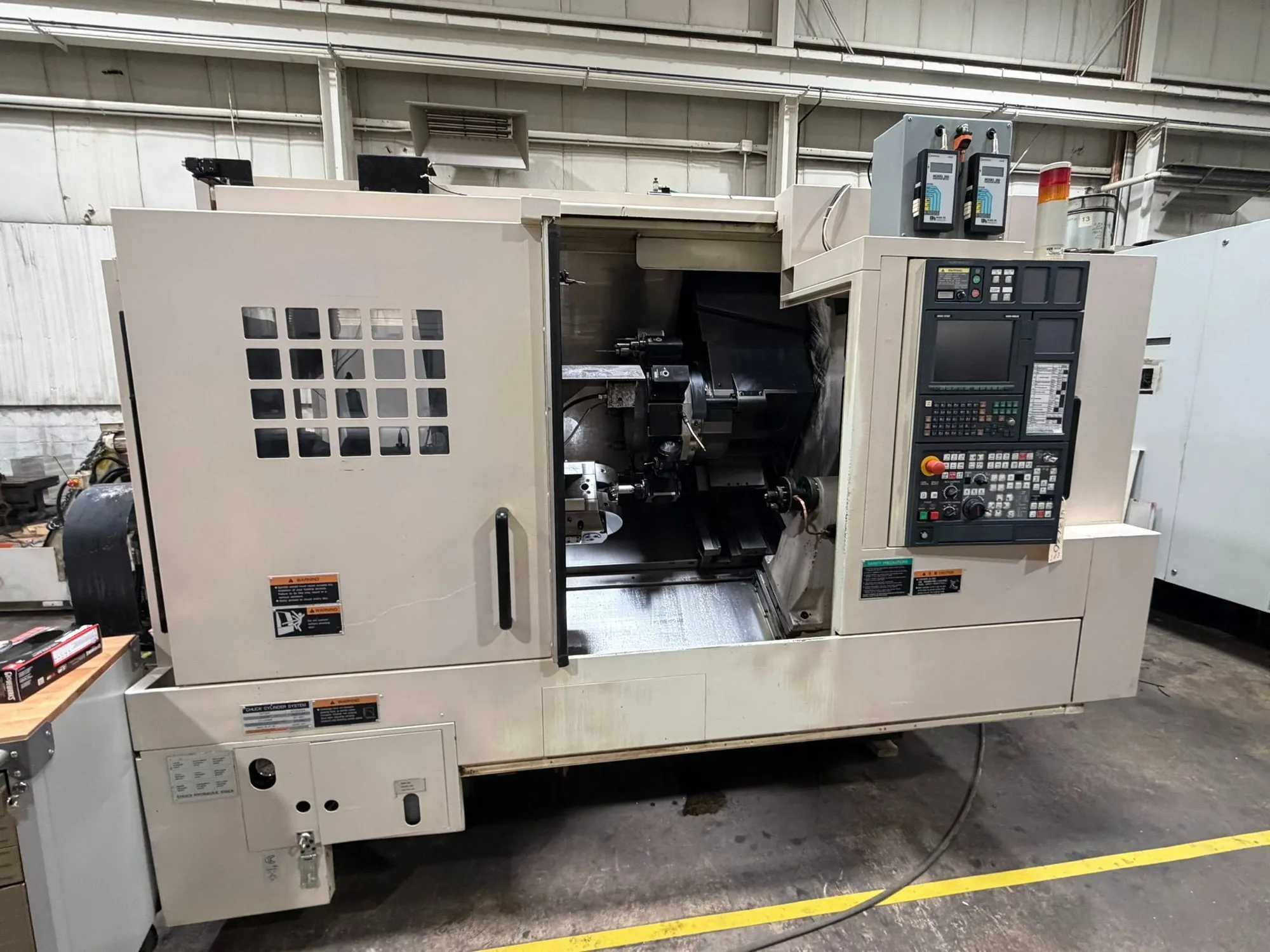
| Attribute | SelectedWEIPERT W903 X1500 CNC LATHE | WEYRAUCH SBL 500/750 CNC LATHE | |
|---|---|---|---|
| OEM | WEIPERT | WEYRAUCH | |
| Model | W903 X1500 | SBL 500/750 | |
| Year | - | - | |
| Max Swing | 35.40 '' | 19.68 '' | |
| Similarity | — | 97% | |
| Auction Value$5,000 - $45,000Retail Value— | Auction Value$5,000 - $35,000Retail Value— | |
| Current Machine | View Details |