Buy Now
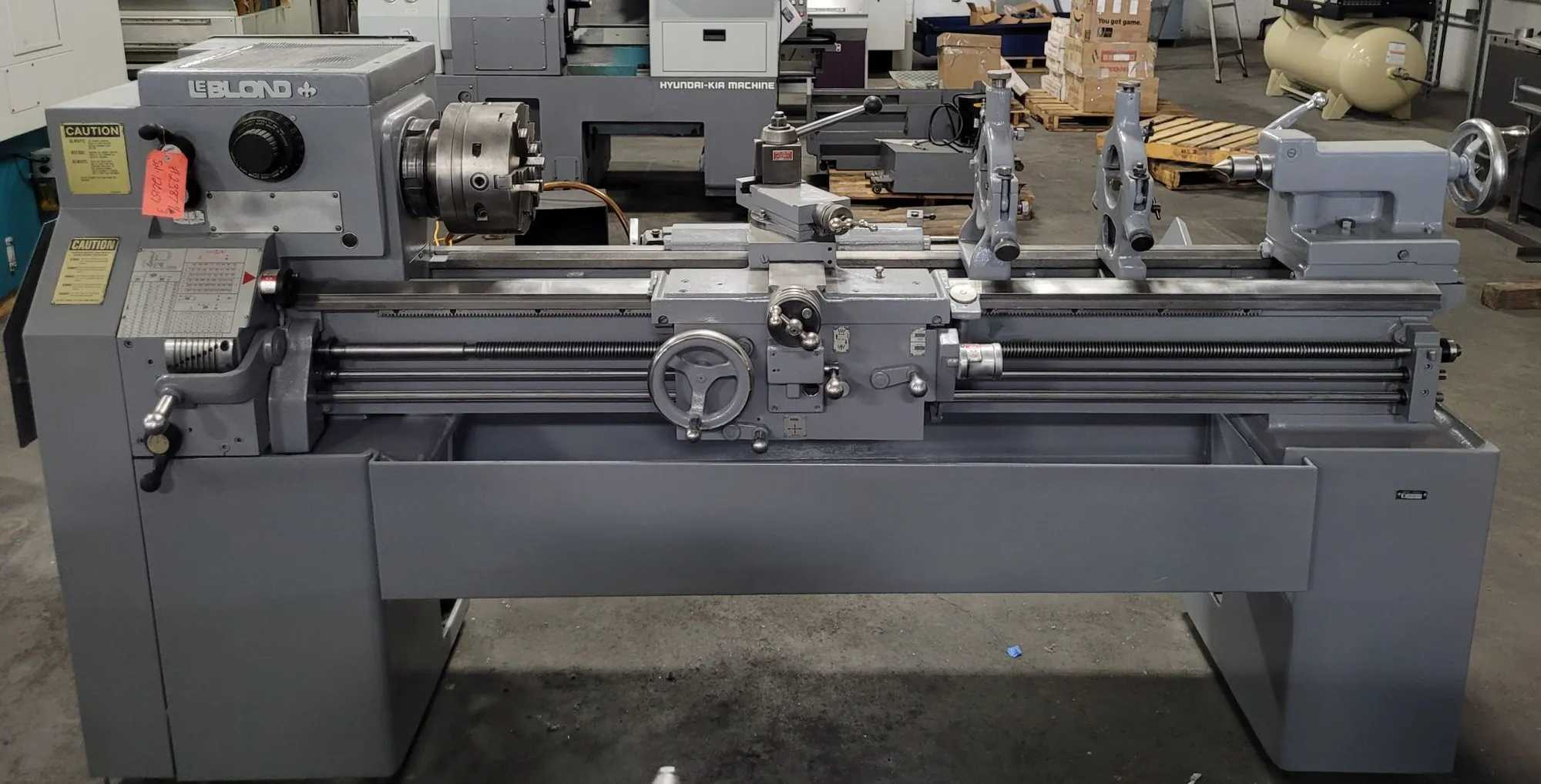
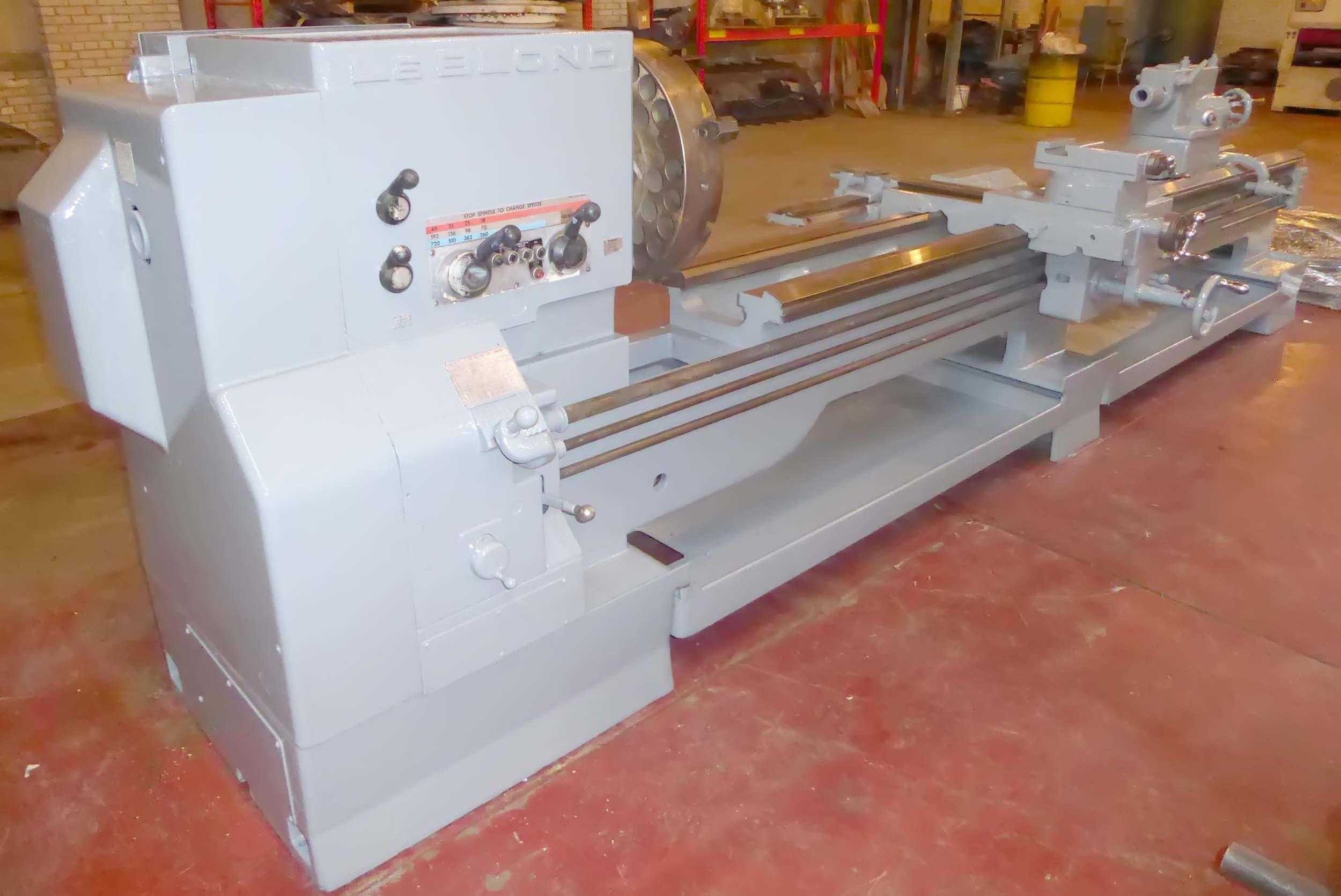
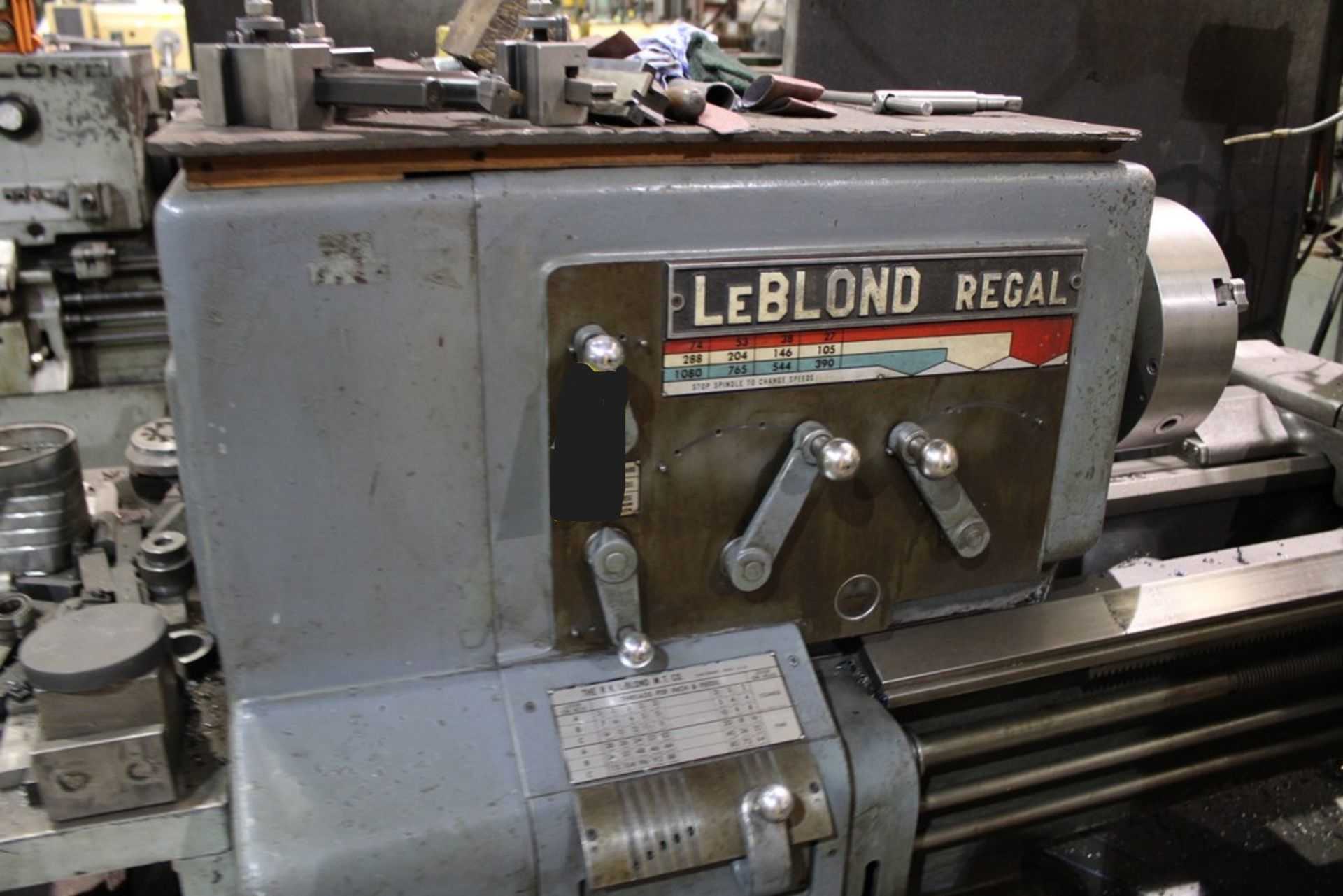
LEBLOND F21 REGAL ENGINE LATHE 22.25" SWING X 72" CTRS 10HP 27-1080 RPM DRO
$9,950
$165/moKentucky
Specifications & Market Value
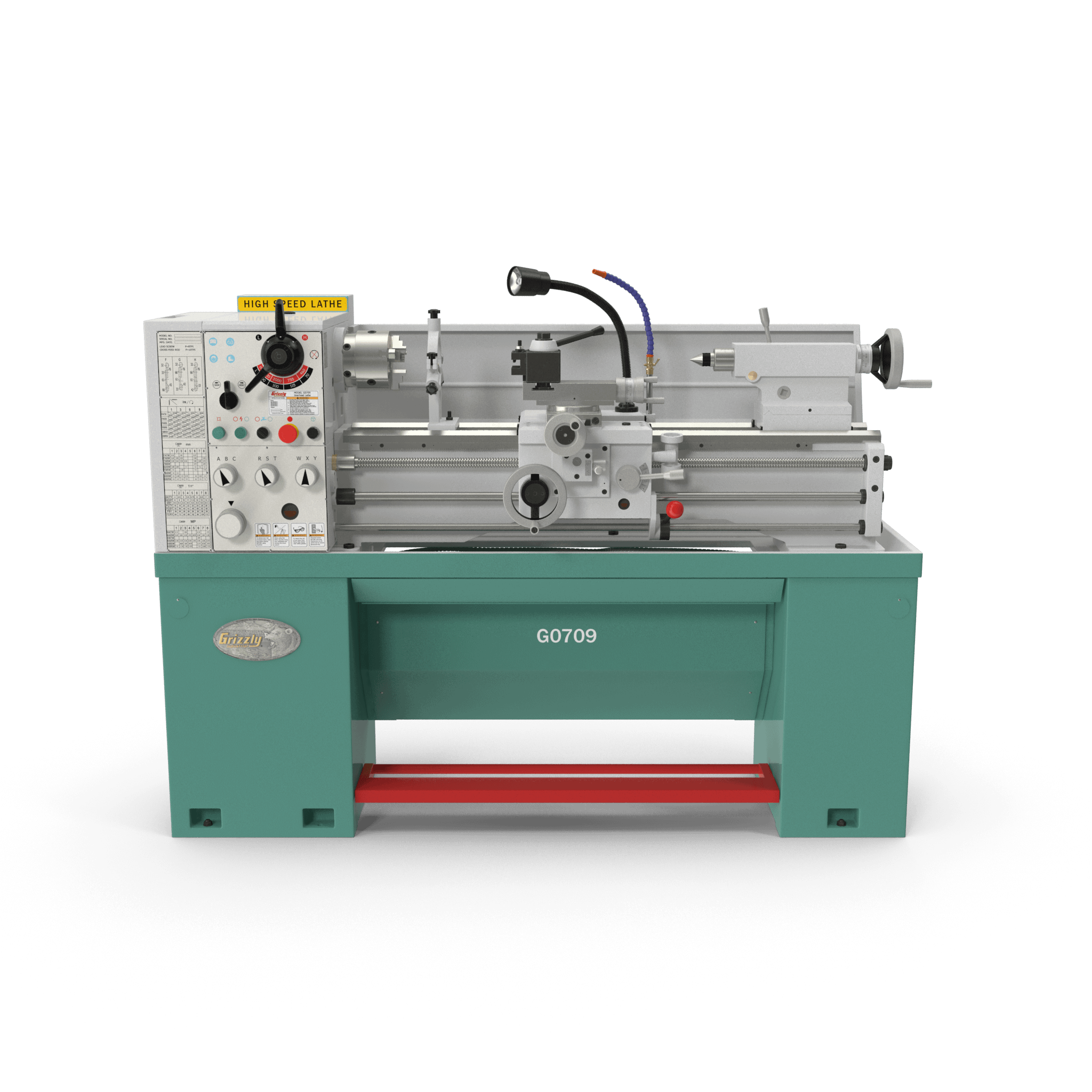
 Reference image
The WEISS MACHINERY WM410 Manual Lathe is a robust, precision-engineered engine lathe designed for demanding industrial applications. Featuring a 16.1-inch swing over bed and 78.6 inches between centers, it provides ample capacity for large workpieces. The lathe is equipped with a 3.14-inch spindle bore, allowing for the machining of long or large-diameter stock. Powered by a 5.5 horsepower motor, the WM410 delivers strong, consistent performance with a maximum spindle speed of 1,800 RPM, ensuring efficient material removal and fine surface finishes. The machine’s bed is induction hardened and precision ground with V-way construction, providing exceptional rigidity, stability, and long-term accuracy. The headstock incorporates hardened, precision-ground gears and a D1-5 spindle supported by high-quality bearings for reliable operation and minimal vibration. The WM410 also features a high-precision directly mounting chuck and a gap bed section, enabling the handling of oversized components. Designed for versatility, the lathe supports a wide range of turning, facing, threading, and boring operations. Its robust cast iron construction and industrial-grade components ensure durability and reliability in heavy-duty environments. The WM410 is ideal for workshops requiring high-precision, high-capacity manual turning with consistent repeatability and ease of use.
Specifications, market trends, and valuation estimates are compiled from manufacturer documentation, historical sales, and industry sources. While care is taken to ensure accuracy, this information is provided for reference purposes only and may contain errors or omissions. Users should independently verify all data before making buying or selling decisions. Valuations do not represent guaranteed transaction prices or binding offers, and Aucto assumes no liability for decisions made using this data.
Spot an error or missing detail? Help us keep our equipment guides accurate for the community.

 A+
A+ Auction Value
$5,225
 Range$1,000 – $7,500
 Sells in ~ 30 days
 Retail Value
—
Sells in ~ 180 days
Item functions as originally intended, shows signs of normal wear. Change the condition to see how it moves both values.
| Attribute | SelectedWEISS MACHINERY WM410 MANUAL LATHE | WEISS MACHINERY WM410E MANUAL LATHE | |
|---|---|---|---|
| OEM | WEISS MACHINERY | WEISS MACHINERY | |
| Model | WM410 | WM410E | |
| Year | - | - | |
| Max Swing | 16.10 '' | 16.18 '' | |
| Distance Between Centers | 78.60 '' | 59.06 '' | |
| Spindle Bore Diameter | 3.14 '' | 2.05 '' | |
| Similarity | — | 99% | |
| Auction Value$1,000 - $7,500Retail Value— | Auction Value$1,000 - $8,388Retail Value— | |
| Current Machine | View Details |
Marketplace