Buy Now
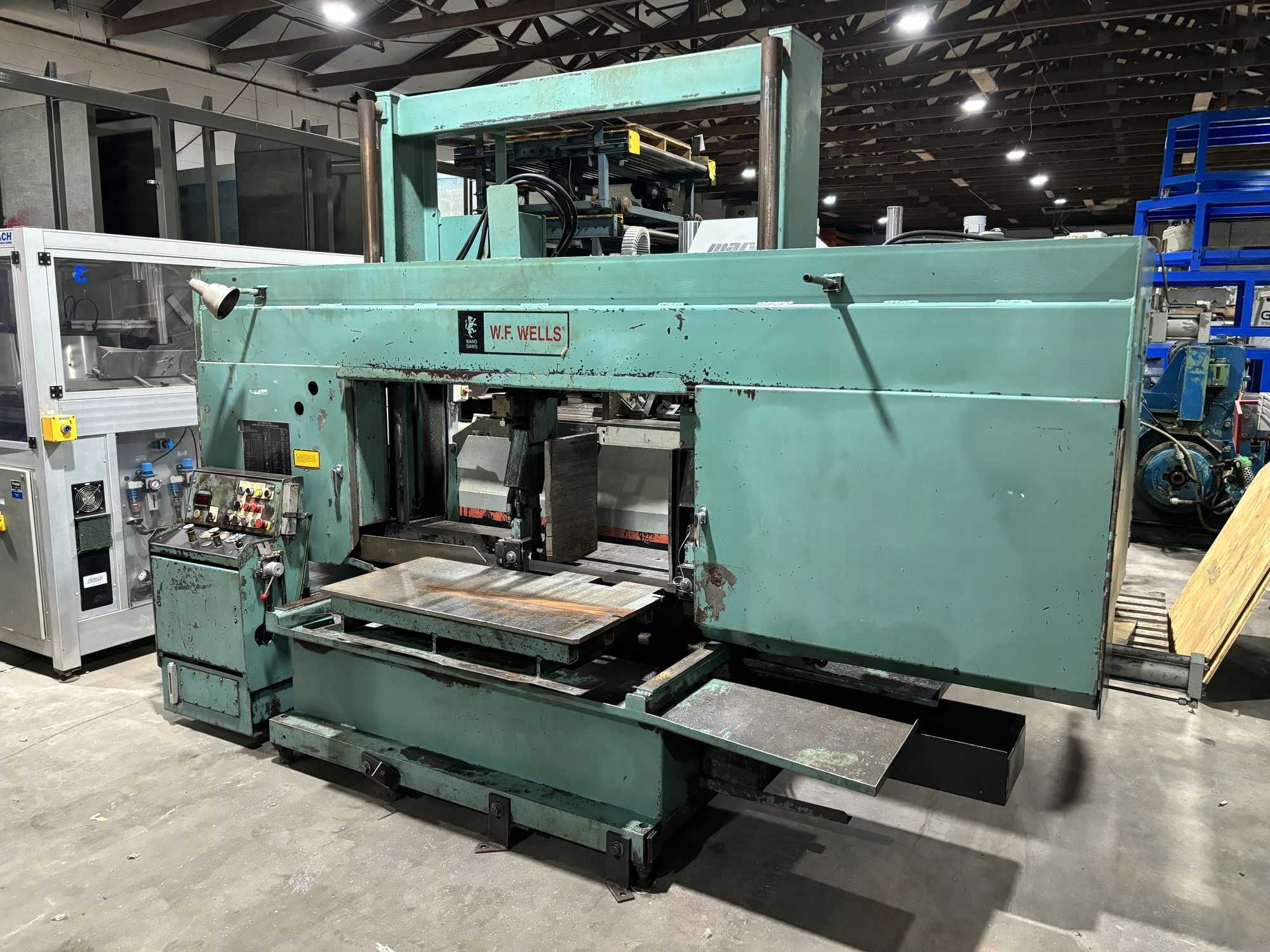
W. F. Wells Model B-25-2 Band Saw, 10 HP, 25.5" Cutting Capacity, Hydraulic Clamping
$36,900
$611/moIndiana
Specifications & Market Value
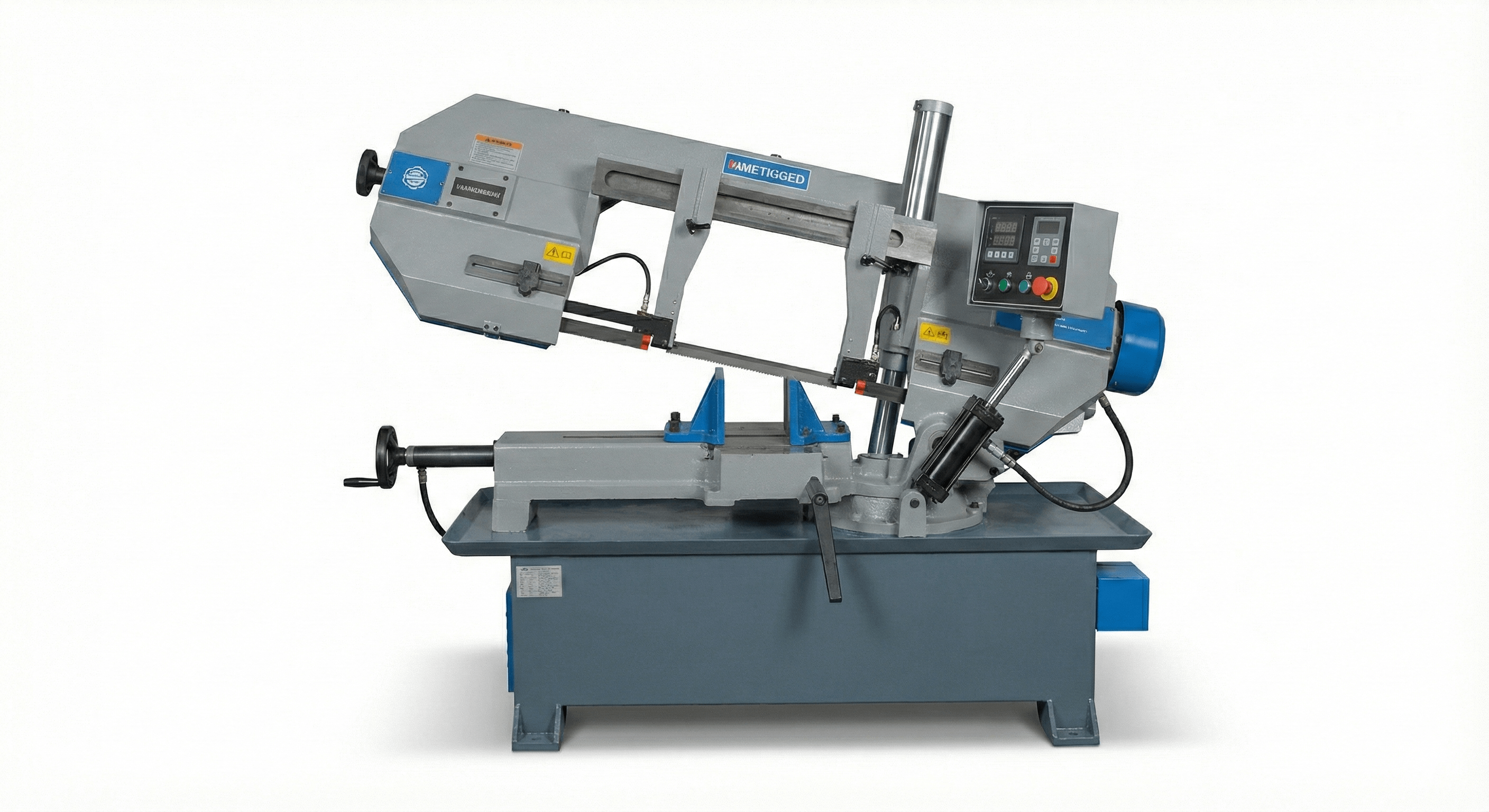
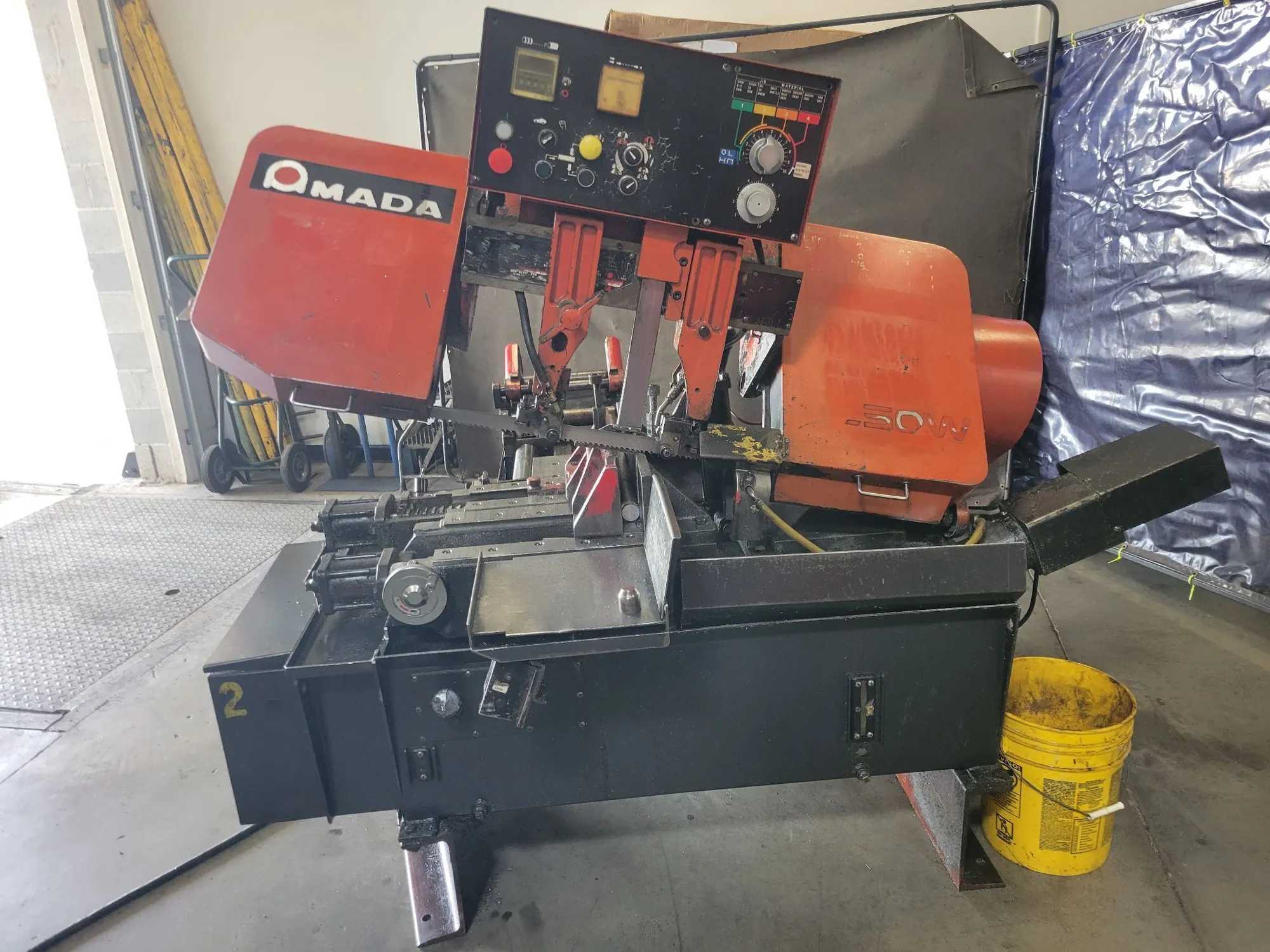
 Reference image
The W.F. Wells F-16-2A Horizontal Band Saw is engineered for precision and efficiency, featuring a cutting capacity of 16” x 17” and a robust saw bed weight capacity of 5,000 lbs. Designed to handle heavy-duty applications, the bar feed supports up to 9,000 lbs. The saw operates at variable blade speeds ranging from 60 to 425 SPM, utilizing a 1.25” x .042” x 15’ blade, guided by durable carbide guides with backup rollers for enhanced stability. The hydraulic blade tension system ensures optimal performance, while the 20” diameter bandwheel contributes to smooth operation. The hydraulic vise allows for secure clamping, and the sawing pressure can be adjusted between 0-300 lbs. Powered by a 7.5 HP blade drive motor and a 2 HP hydraulic drive motor, this machine is designed for efficiency. The work height of 35” provides ergonomic access, and the coolant system has a capacity of 10 gallons to maintain blade performance. With a hydraulic capacity of 20 gallons, the machine supports extensive operations. The barfeed projection ranges from .125” to 24” per stroke, with length calibration accurate to .001” and projection accuracy of +/- .005” per shuttle. Measuring 93” x 97” x 85” in height and weighing 3,650 lbs. for shipping, the F-16-2A is a robust solution for demanding cutting tasks in industrial environments.
Specifications, market trends, and valuation estimates are compiled from manufacturer documentation, historical sales, and industry sources. While care is taken to ensure accuracy, this information is provided for reference purposes only and may contain errors or omissions. Users should independently verify all data before making buying or selling decisions. Valuations do not represent guaranteed transaction prices or binding offers, and Aucto assumes no liability for decisions made using this data.
Spot an error or missing detail? Help us keep our equipment guides accurate for the community.

 A+
A+ Auction Value
$8,025
 Range$2,500 – $11,000
 Sells in ~ 30 days
 Retail Value
—
Sells in ~ 180 days
Item functions as originally intended, shows signs of normal wear. Change the condition to see how it moves both values.
Marketplace

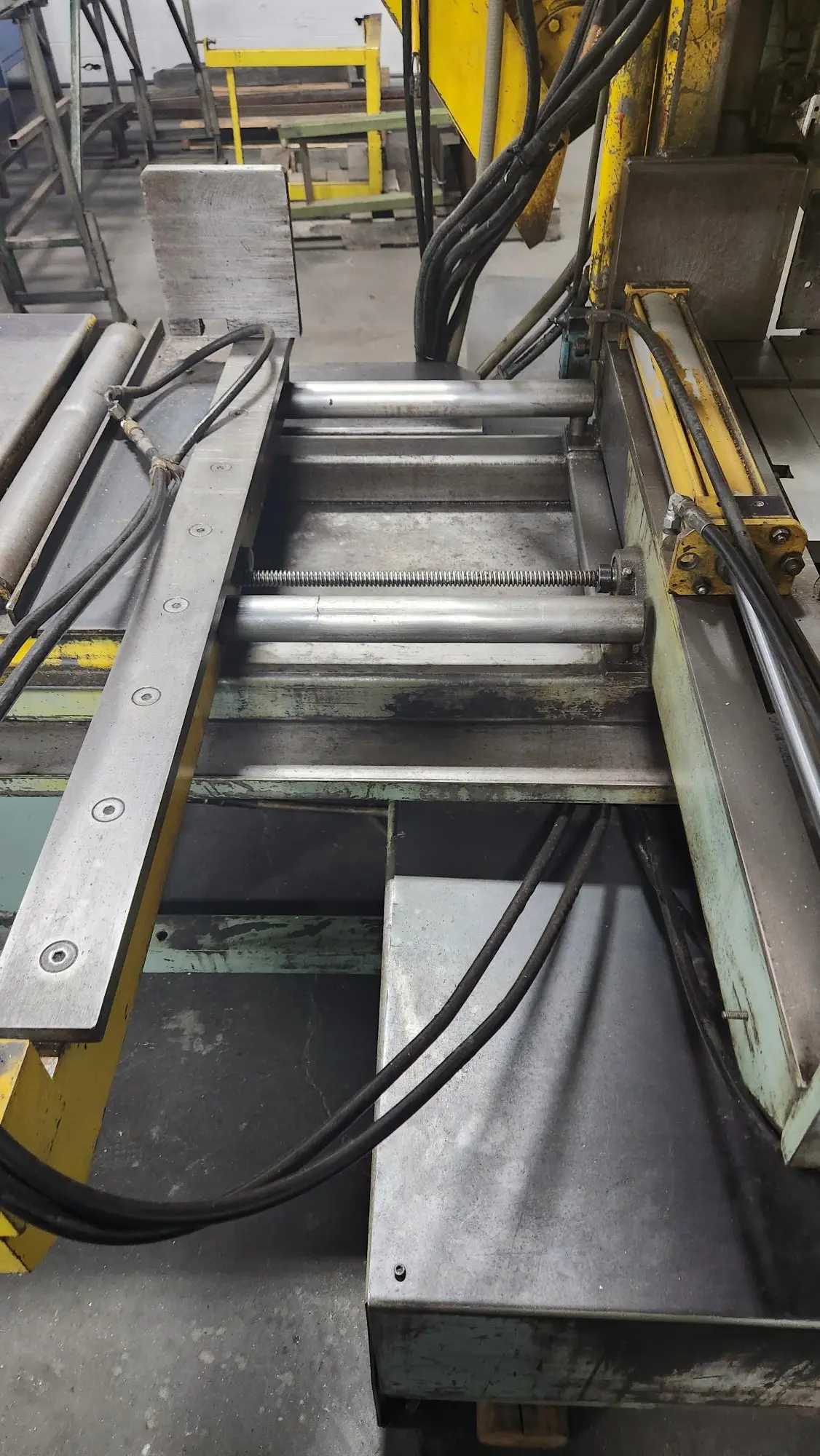
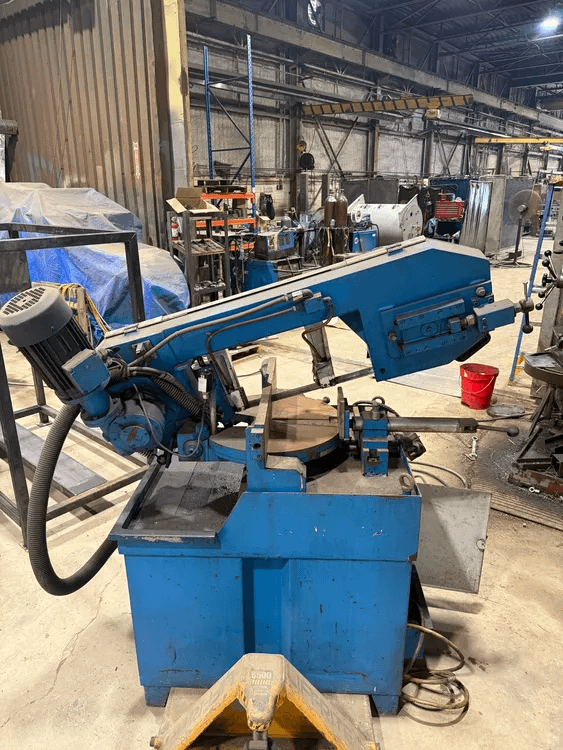
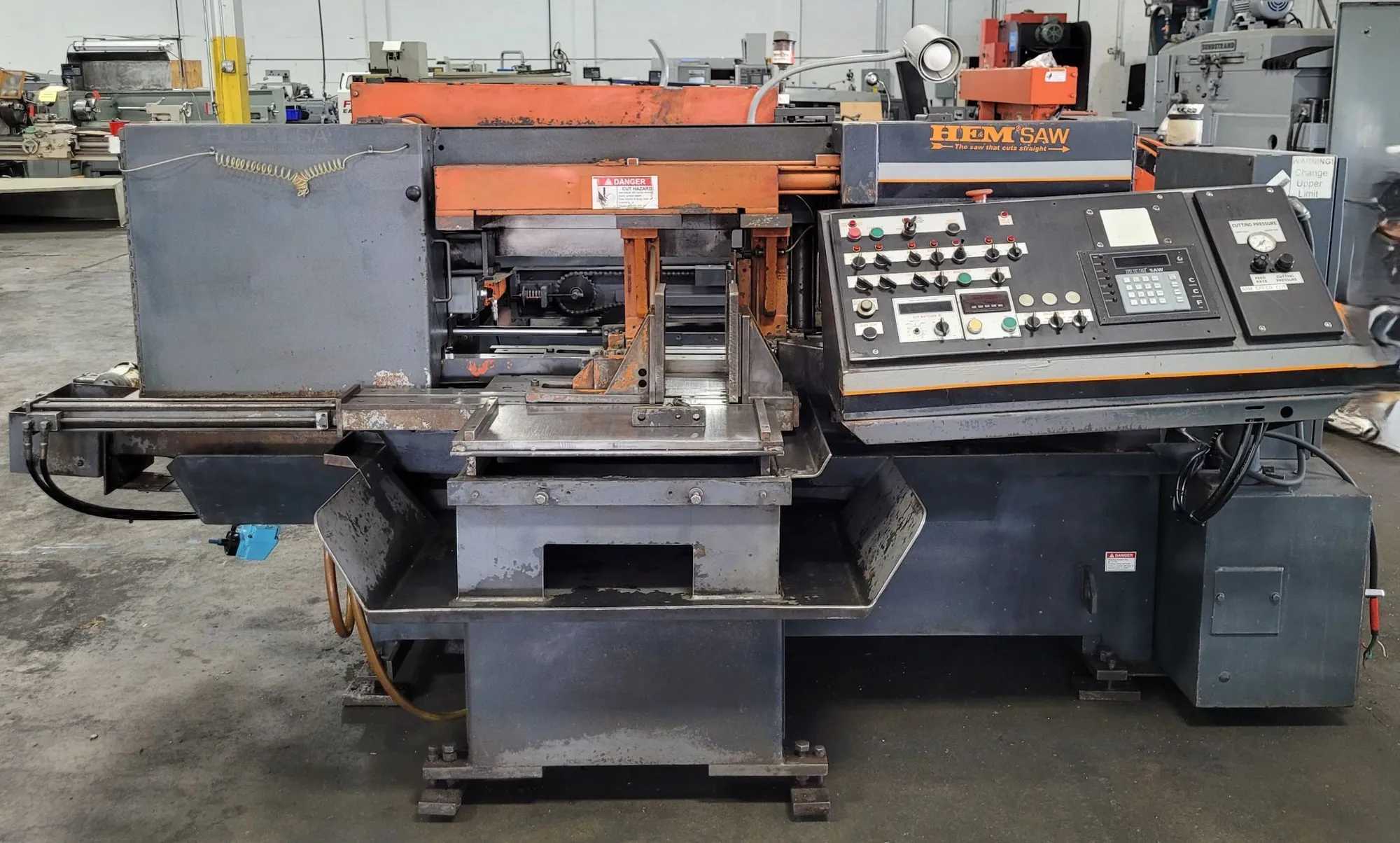
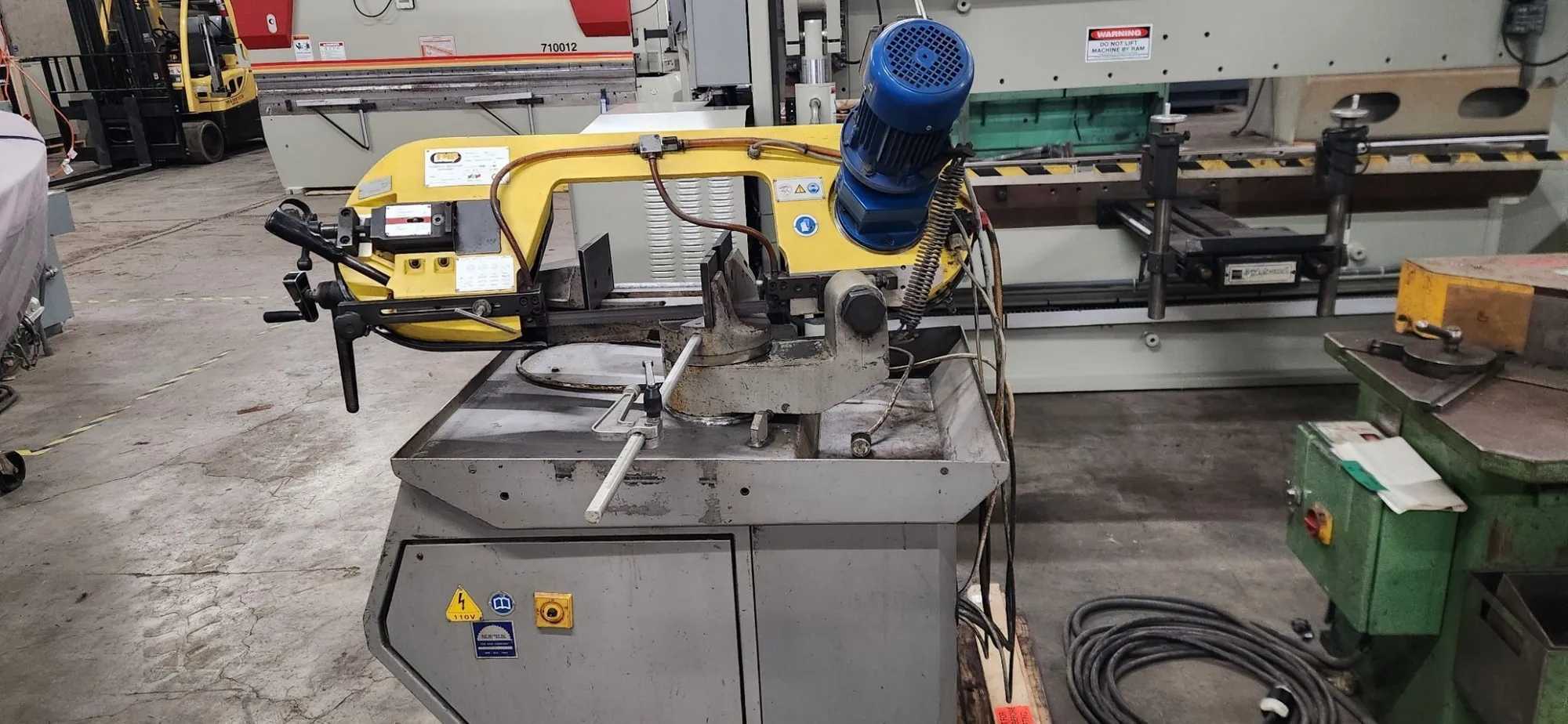
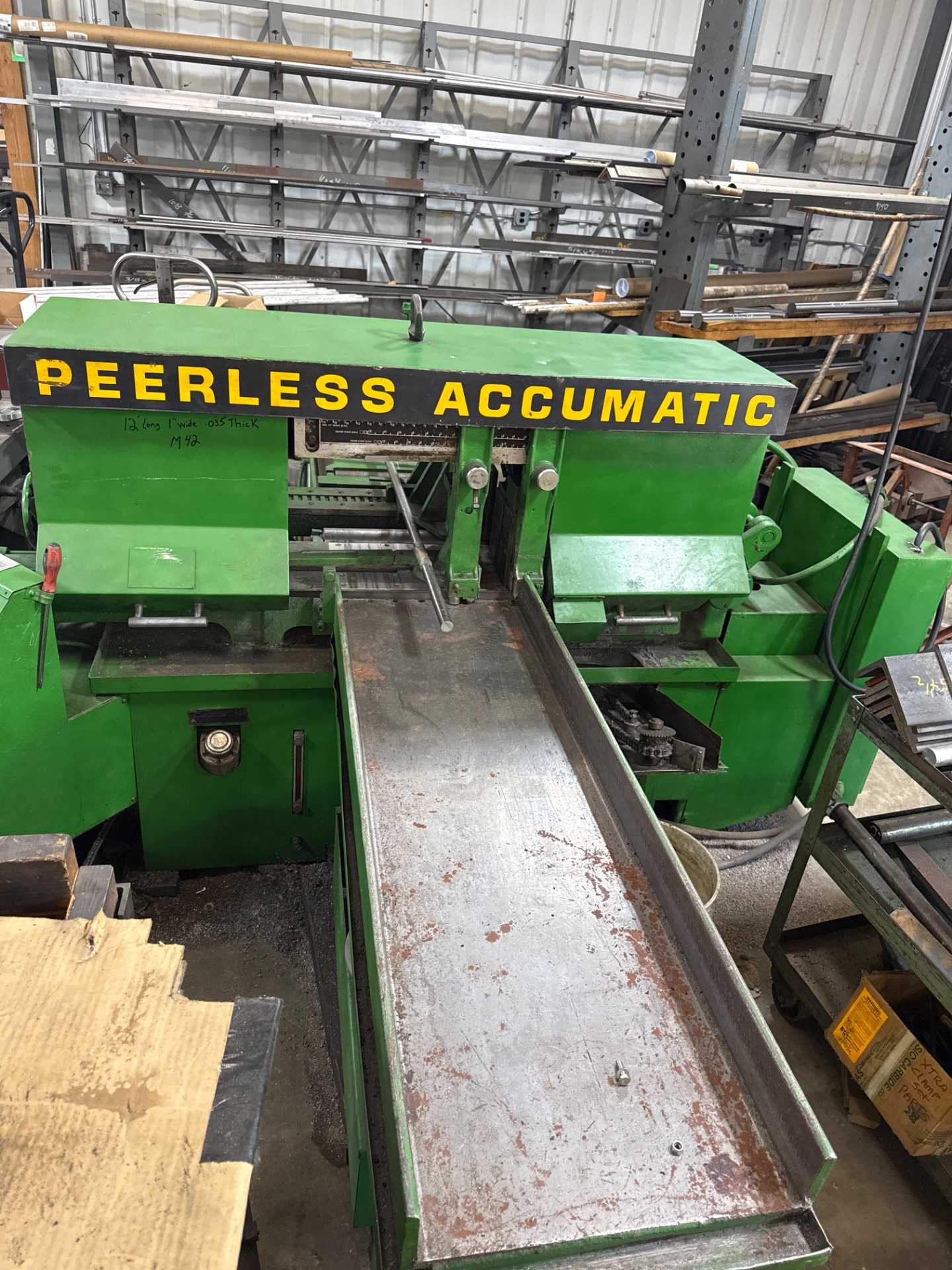
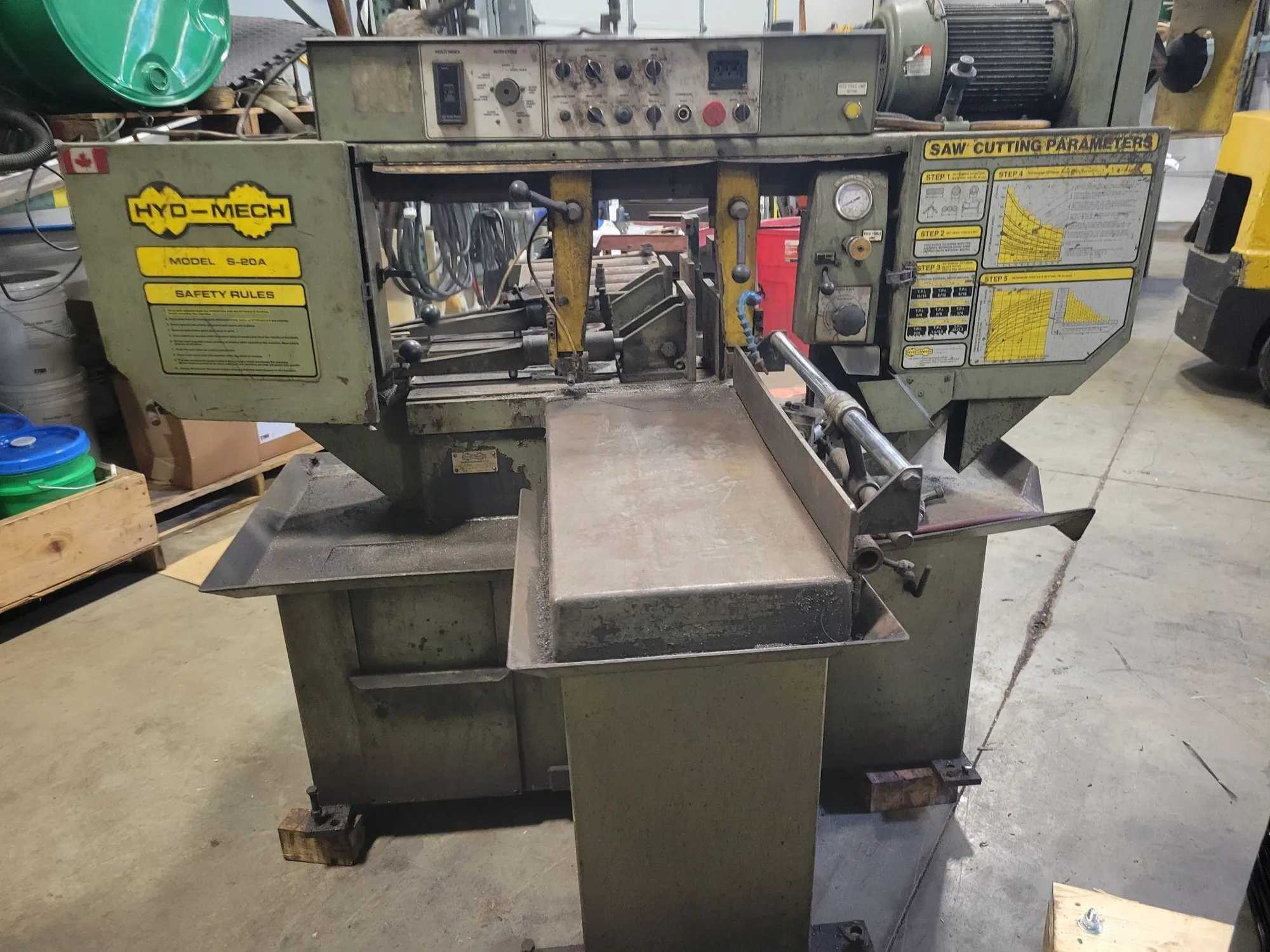
| Attribute | SelectedW.F. WELLS F-16-2A HORIZONTAL BAND SAW | W.F. WELLS F-16-1 HORIZONTAL BAND SAW | |
|---|---|---|---|
| OEM | WF WELLS | WF WELLS | |
| Model | F-16-2A | F-16-1 | |
| Year | - | - | |
| Workpiece Clamping | Hydraulic | Mechanical | |
| Rated Power | 7.50 HP | — | |
| Blade Speed | 60 - 425 | — | |
| Similarity | — | 99% | |
| Auction Value$2,500 - $11,000Retail Value— | Auction Value$2,500 - $11,000Retail Value— | |
| Current Machine | View Details |