Buy Now
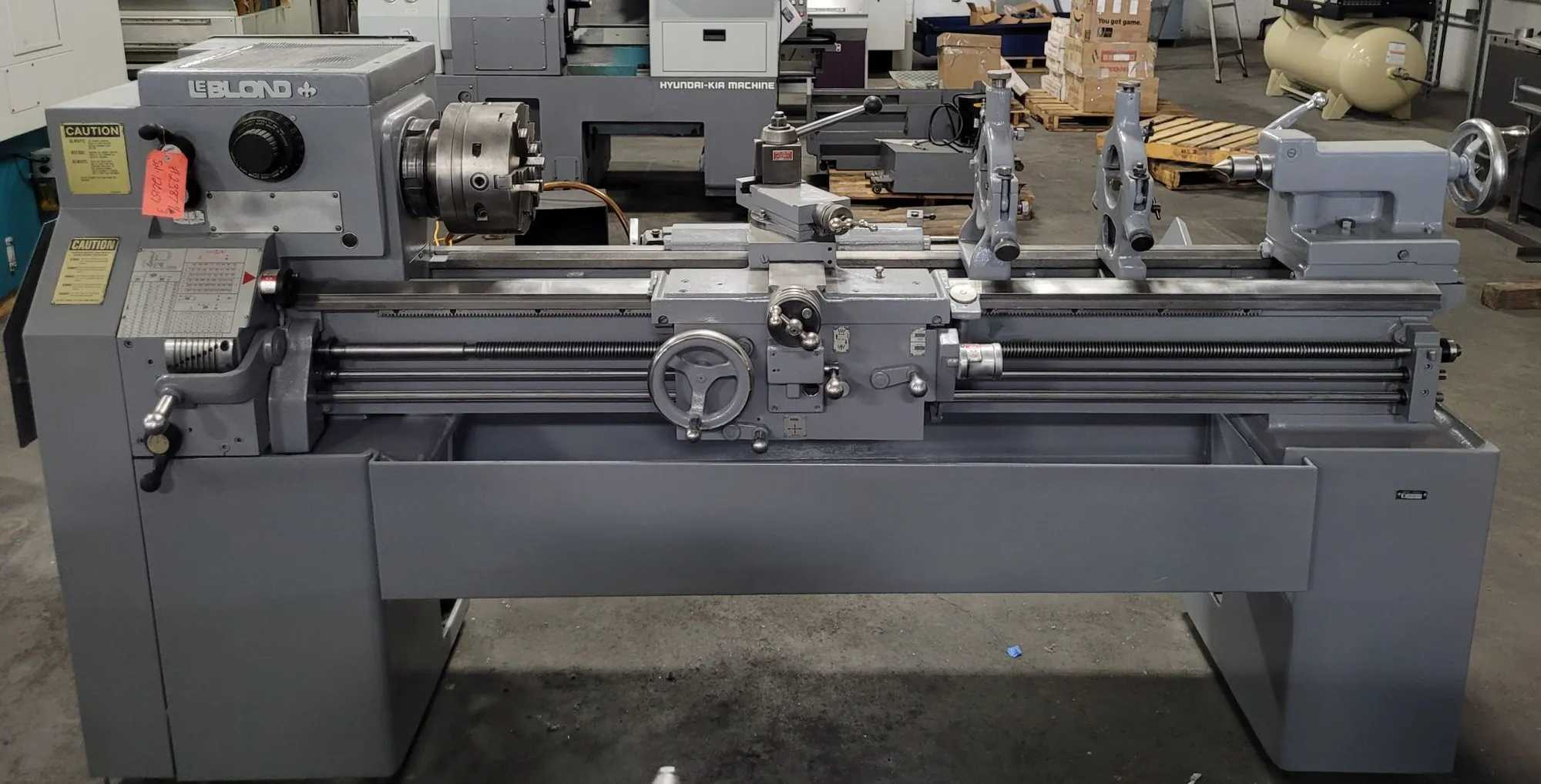
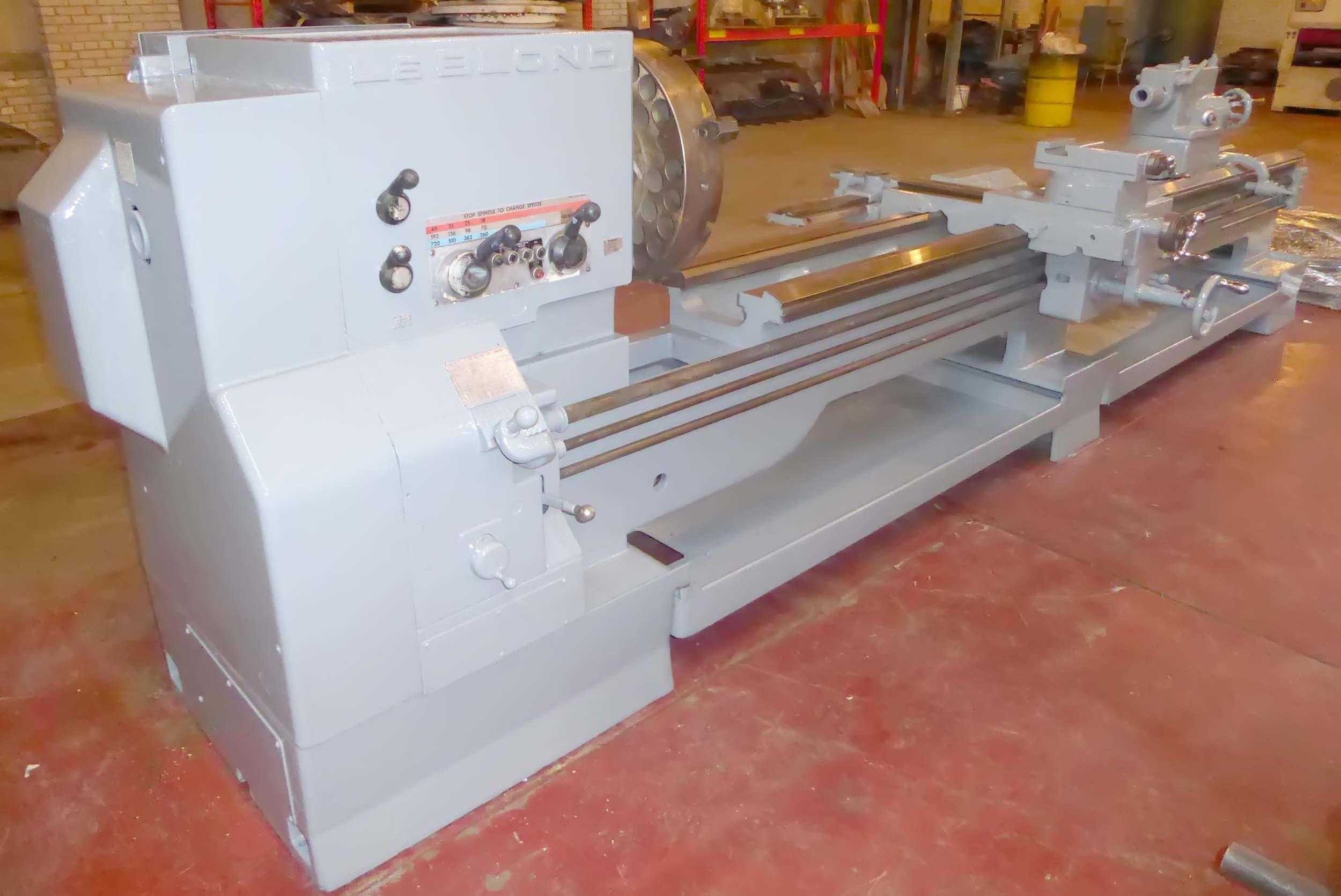
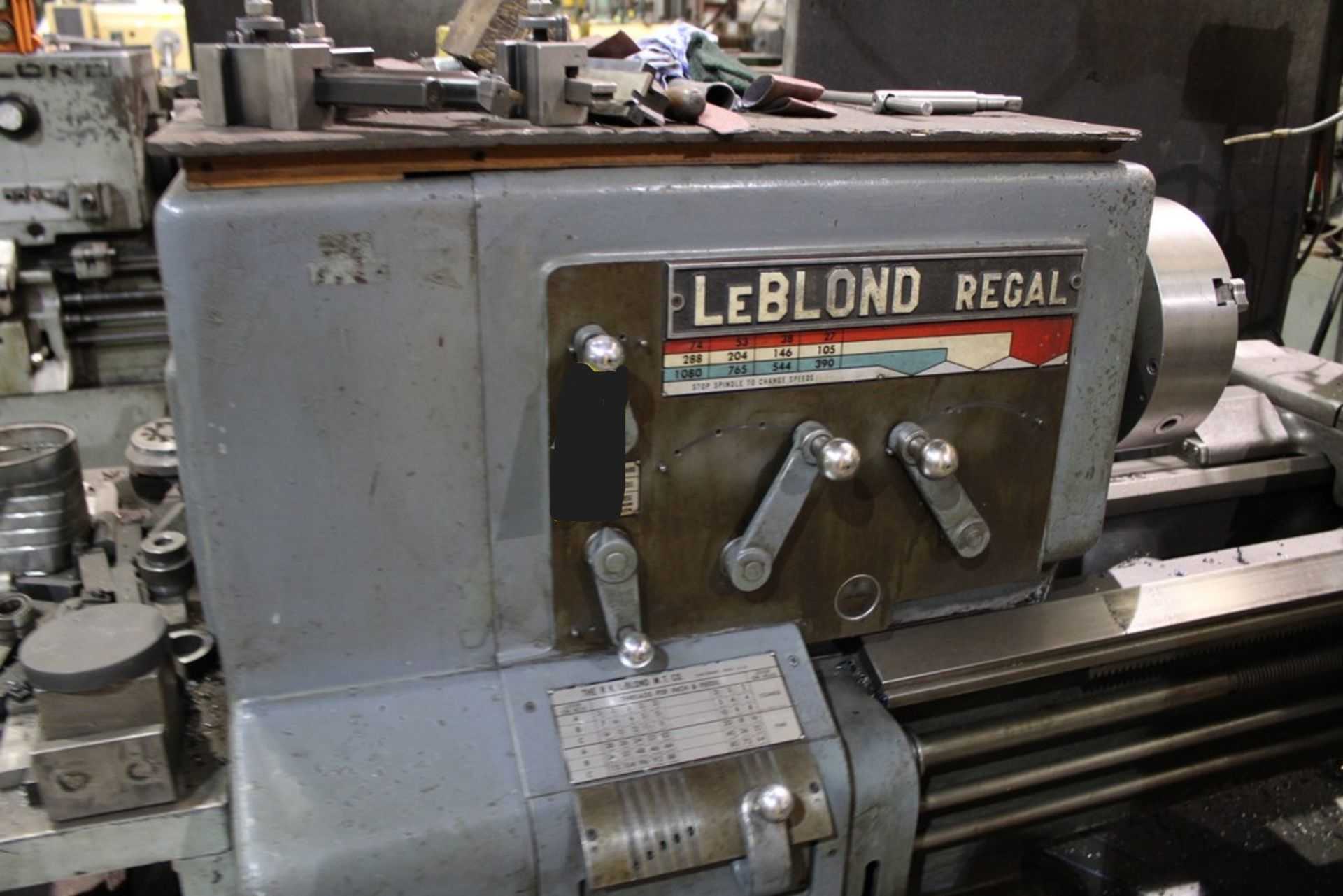
LEBLOND F21 REGAL ENGINE LATHE 22.25" SWING X 72" CTRS 10HP 27-1080 RPM DRO
$9,950
$165/moKentucky
Specifications & Market Value
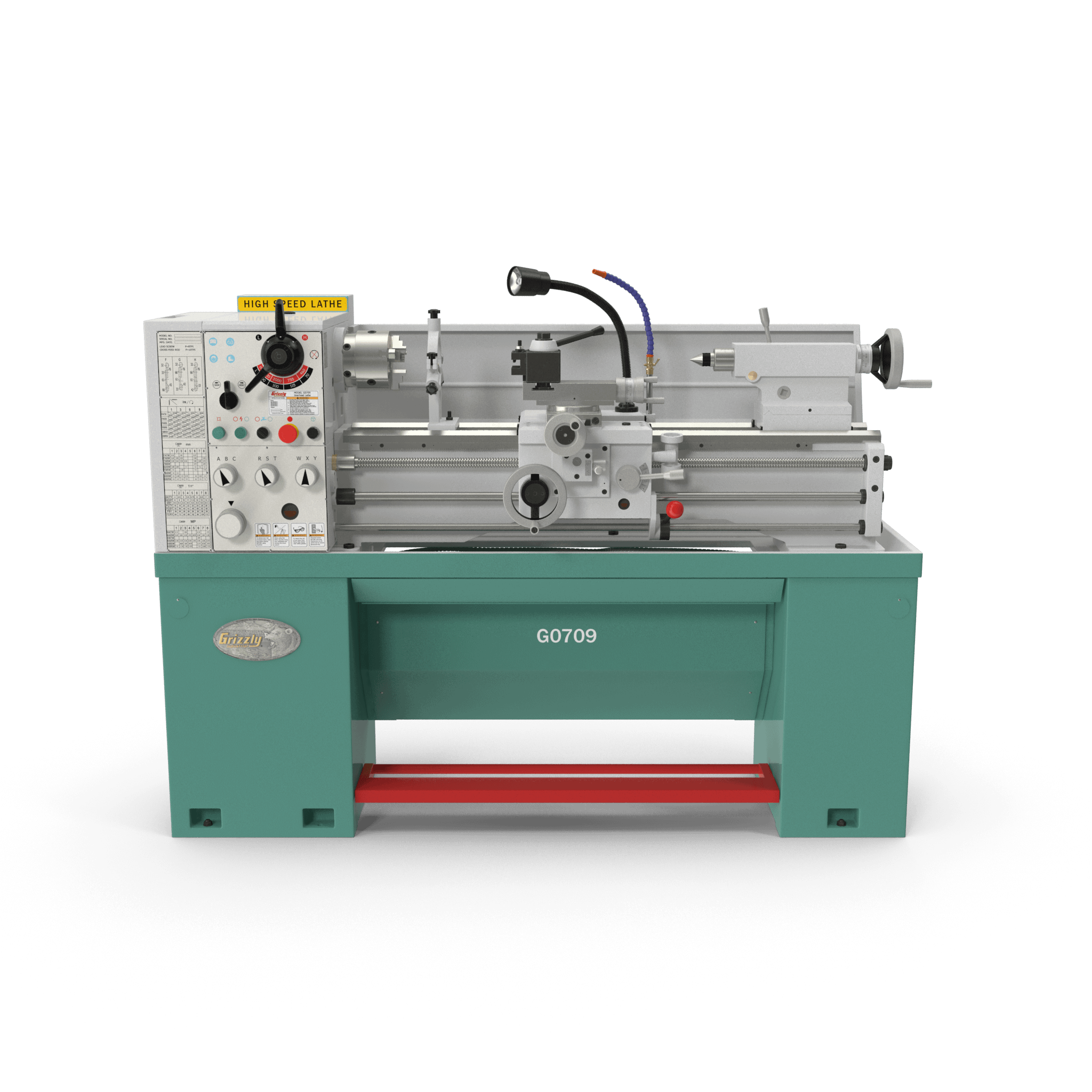
 Reference image
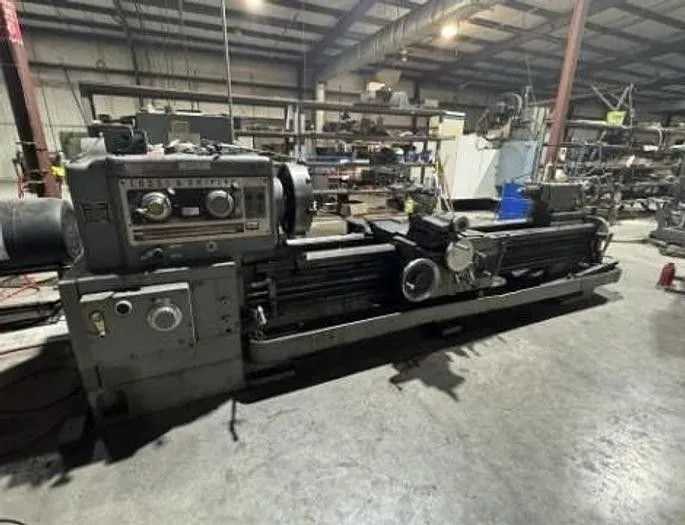
The WROCLAW TUR-630A manual lathe is a robust heavy-duty machine designed for precision turning tasks. It features a 25-inch swing capacity and a substantial 17-inch wide bed for stable machining operations. The lathe can accommodate workpieces up to 80 inches between centers, allowing for the machining of long shafts and components. It is fitted with a 12-inch diameter chuck and a large spindle bore of 5.5 inches, facilitating the handling of sizable and heavy workpieces. The spindle nose uses the D1-11 design, supporting a maximum spindle speed of 1,400 RPM to balance power and precision. Powered by a 20 HP motor, the machine delivers strong torque for cutting through tough materials, while its overall weight of 7,716 pounds ensures stability and reduces vibration during operation. The TUR-630A is engineered for durability with a tri-V belt drive and supports manual tool changes, making it suitable for a range of industrial machining applications. This lathe is ideal for metalworking tasks requiring a combination of capacity, power, and rigid construction, such as in automotive, aerospace, or heavy machinery manufacturing settings. Its design emphasizes stable, accurate turning of large-diameter and long workpieces with moderate to high power input, making it an essential tool for heavy engineering workshops.
Specifications, market trends, and valuation estimates are compiled from manufacturer documentation, historical sales, and industry sources. While care is taken to ensure accuracy, this information is provided for reference purposes only and may contain errors or omissions. Users should independently verify all data before making buying or selling decisions. Valuations do not represent guaranteed transaction prices or binding offers, and Aucto assumes no liability for decisions made using this data.
Spot an error or missing detail? Help us keep our equipment guides accurate for the community.

 A+
A+ Auction Value
$26,450
 Range$5,000 – $38,000
 Sells in ~ 30 days
 Retail Value
—
Sells in ~ 180 days
Item functions as originally intended, shows signs of normal wear. Change the condition to see how it moves both values.
| Attribute | SelectedWROCLAW TUR-630A MANUAL LATHE | TOOLMEX TUR 630M/80 MANUAL LATHE | |
|---|---|---|---|
| OEM | WROCLAW | TOOLMEX | |
| Model | TUR-630A | TUR 630M/80 | |
| Year | - | - | |
| Spindle Bore Diameter | 5.50 '' | 4.10 '' | |
| Max Swing | 25.00 '' | 23.00 '' | |
| Chuck Size | 12 - 12 | 16 - 16 | |
| Distance Between Centers | 80.00 '' | 120.00 '' | |
| Bed Length | 17.00 '' | — | |
| Similarity | — | 97% | |
| Auction Value$5,000 - $38,000Retail Value— | Auction Value$2,500 - $18,500Retail Value— | |
| Current Machine | View Details |
Marketplace