Buy Now
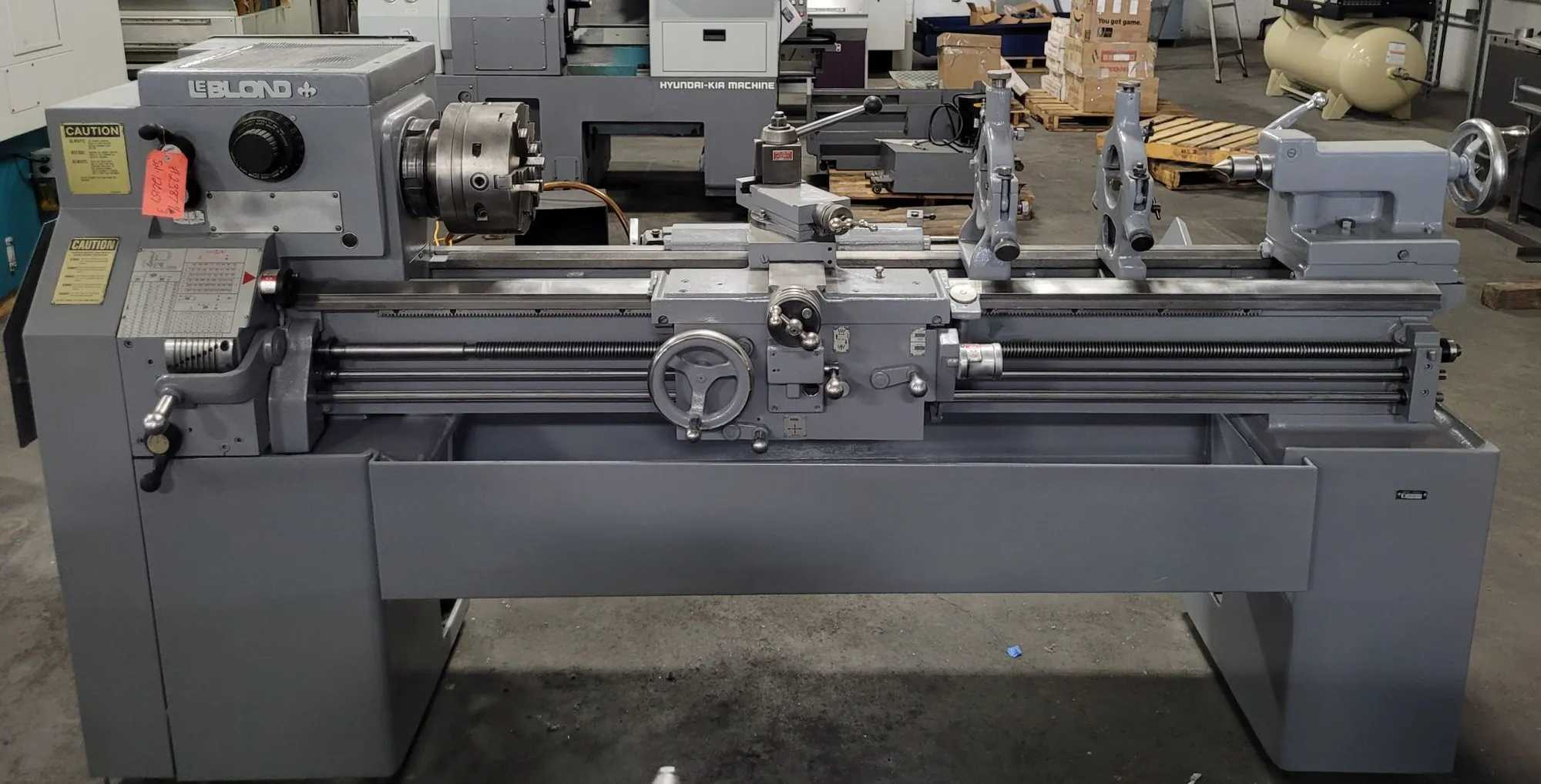
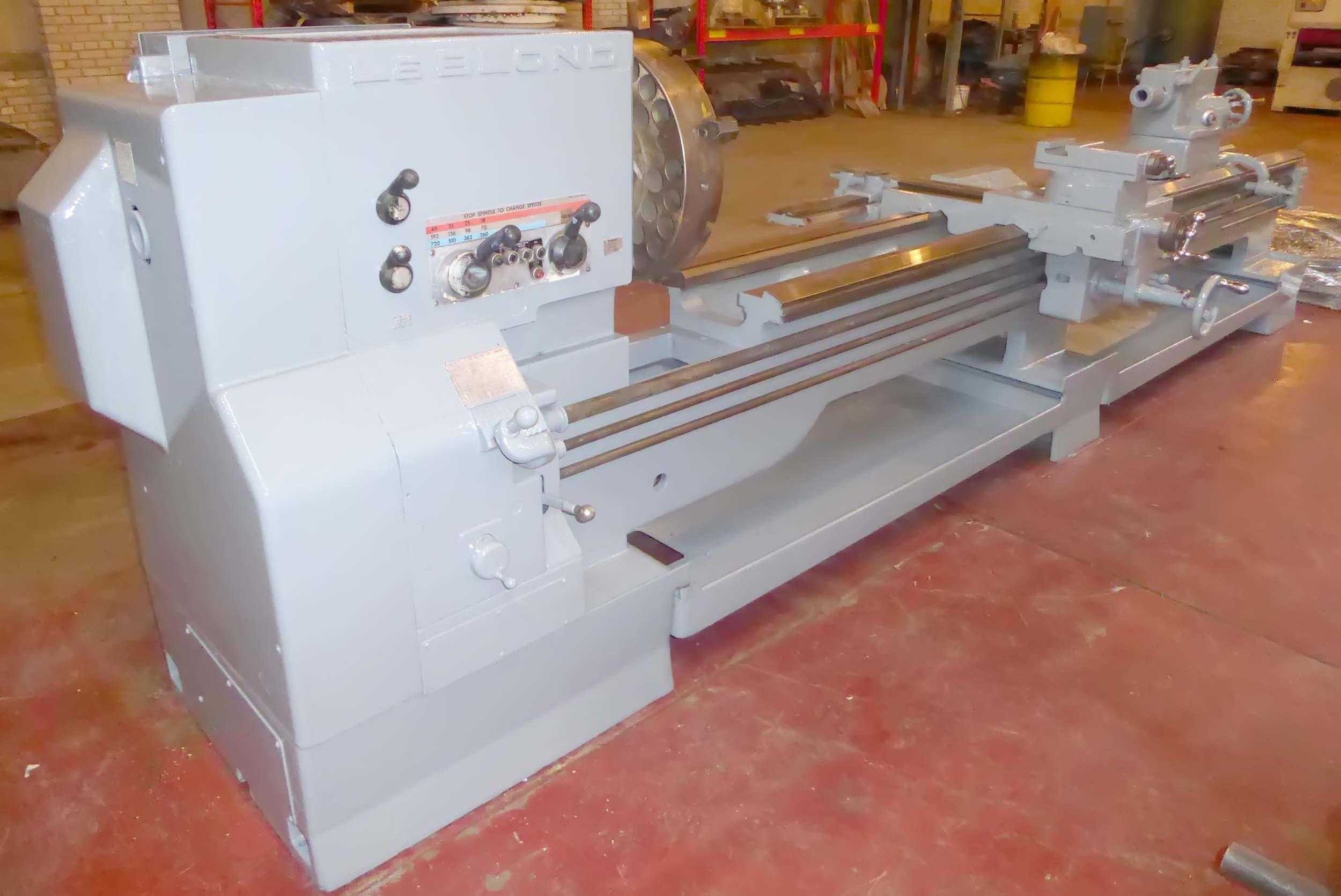
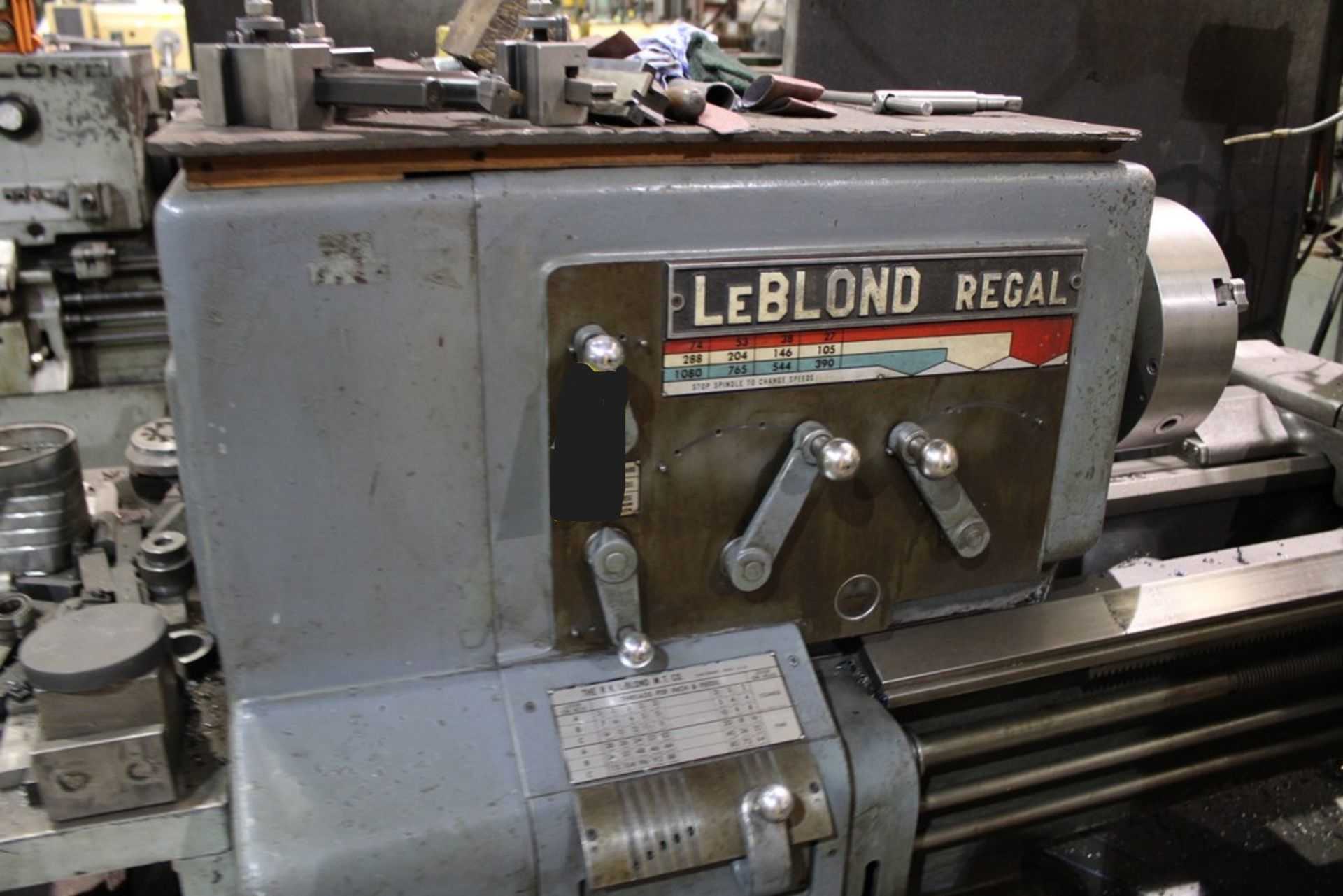
LEBLOND F21 REGAL ENGINE LATHE 22.25" SWING X 72" CTRS 10HP 27-1080 RPM DRO
$9,950
$165/moKentucky
Specifications & Market Value
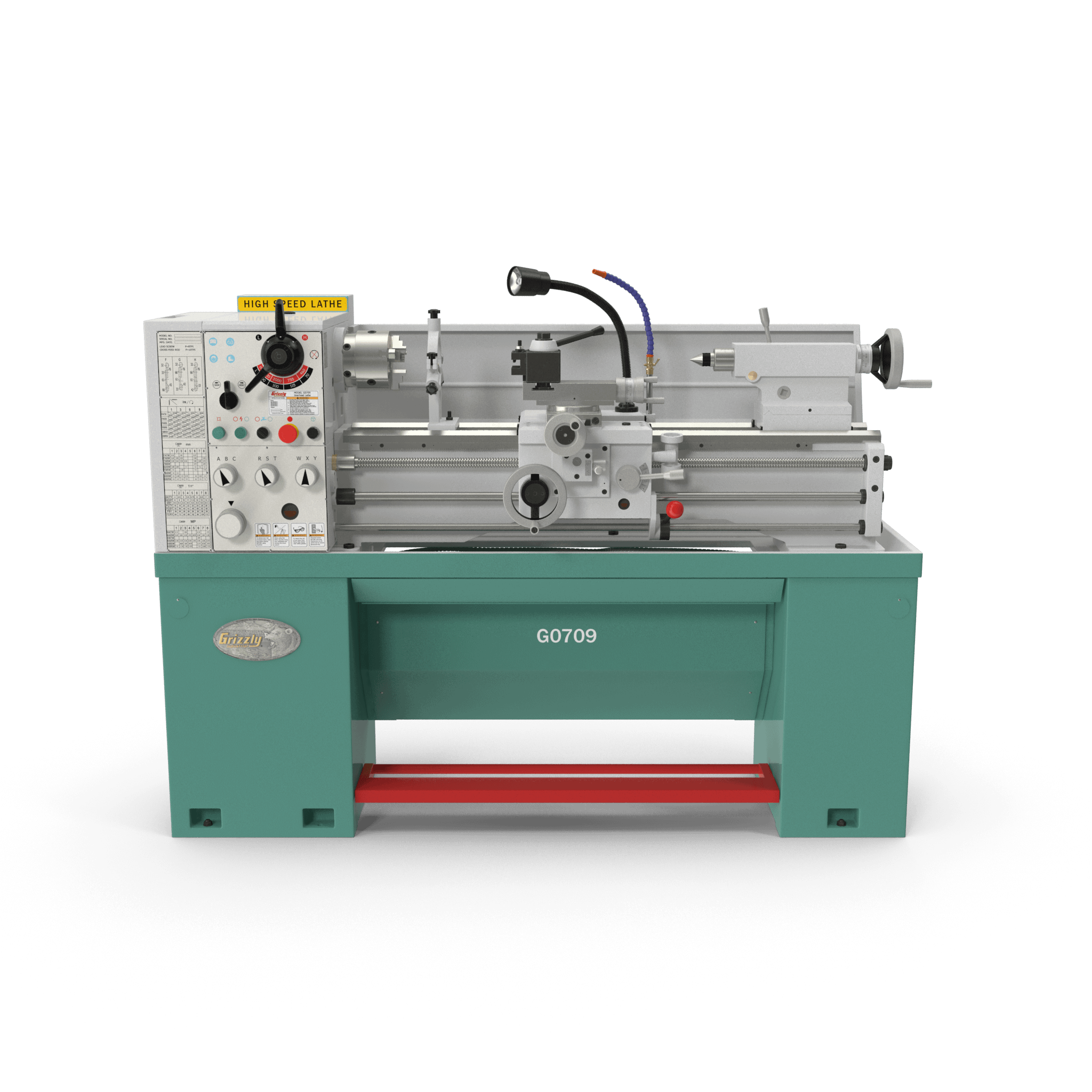
 Reference image
The WYJC GH-1340W manual lathe features a robust 13.0-inch swing over the bed and a maximum center distance of 39.4 inches, accommodating a wide range of turning operations. Its spindle bore measures 1.6 inches, allowing it to accept larger workpieces and tooling. The lathe is powered by a 3 HP motor enabling speeds up to 1,800 RPM, providing optimal turning power and versatility for varying material removal rates. It utilizes a geared head design with 12 spindle speeds for precision control, combining hardened and ground gears for durability and smooth operation. The machine’s bed is constructed from high-grade cast iron with precision ground vee slideways, reinforced by heat hardening and cross ribs, ensuring high rigidity and low vibration during use. The lathe includes a 7/8" x 49-1/2" leadscrew capable of handling a wide range of threading operations, including 22 metric thread pitches from 0.45 to 7.5 mm. Its electrical system is designed for 230/460V three-phase power, typical for industrial environments, and features a forward-reverse lever for easy spindle direction control. The lathe is ideal for metal turning tasks requiring accuracy and durability, suitable for both production and toolroom applications. Additional features often integrated with this model include taper attachments and digital readouts for enhanced precision.
Specifications, market trends, and valuation estimates are compiled from manufacturer documentation, historical sales, and industry sources. While care is taken to ensure accuracy, this information is provided for reference purposes only and may contain errors or omissions. Users should independently verify all data before making buying or selling decisions. Valuations do not represent guaranteed transaction prices or binding offers, and Aucto assumes no liability for decisions made using this data.
Spot an error or missing detail? Help us keep our equipment guides accurate for the community.

 A+
A+ Auction Value
$9,650
 Range$2,500 – $13,500
 Sells in ~ 30 days
 Retail Value
—
Sells in ~ 180 days
Item functions as originally intended, shows signs of normal wear. Change the condition to see how it moves both values.
| Attribute | SelectedWYJC GH-1340W MANUAL LATHE | WYJC GH-1340A MANUAL LATHE | |
|---|---|---|---|
| OEM | WYJC | WYJC | |
| Model | GH-1340W | GH-1340A | |
| Year | - | - | |
| Max Swing | 13.00 '' | 12.99 '' | |
| Distance Between Centers | 39.40 '' | 39.37 '' | |
| Spindle Bore Diameter | 1.60 '' | 1.50 '' | |
| Similarity | — | 99% | |
| Auction Value$2,500 - $13,500Retail Value— | Auction Value$2,500 - $19,689Retail Value— | |
| Current Machine | View Details |
Marketplace