BAOMA BM260 WIRE EDM MACHINE
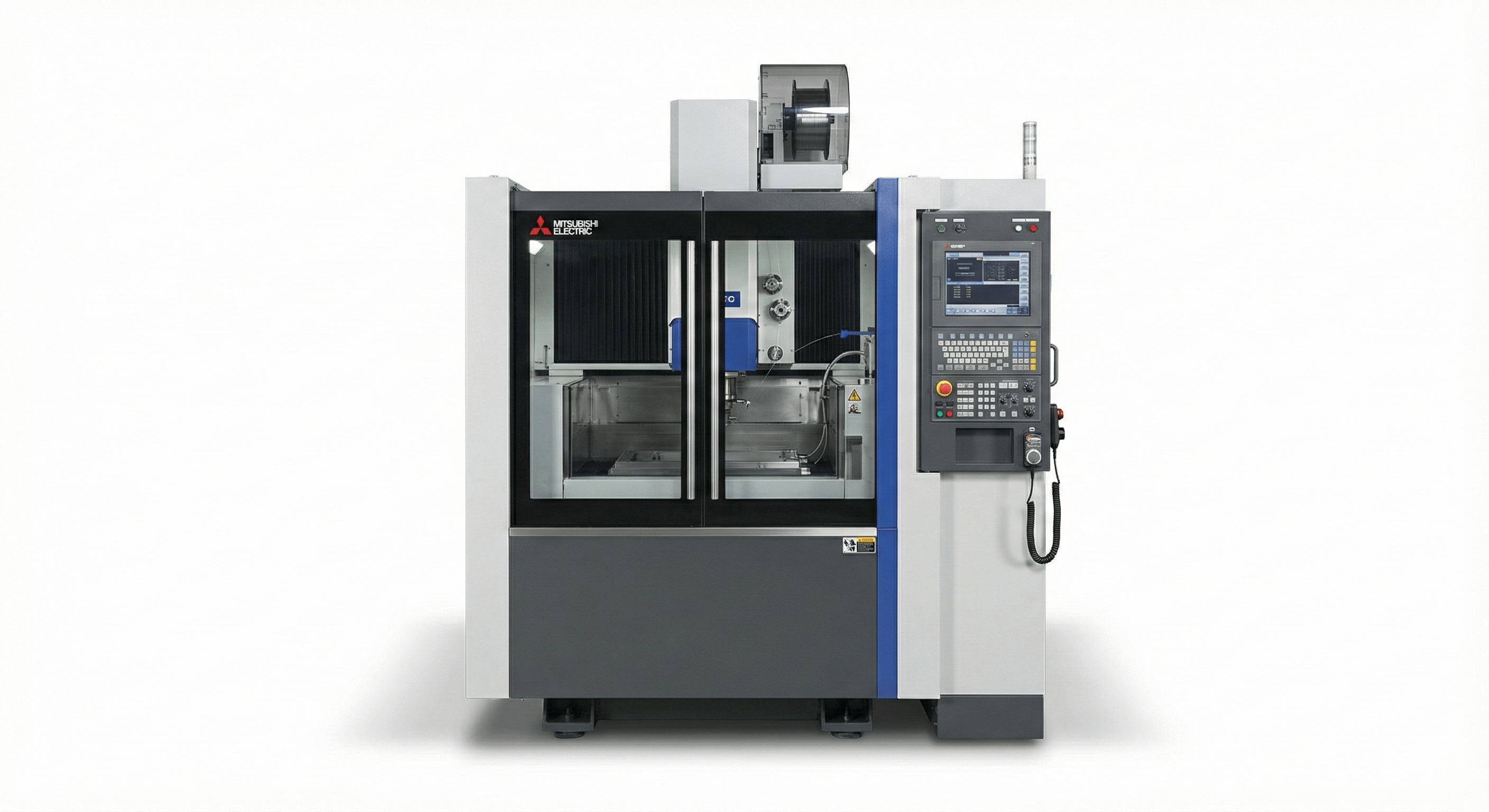
Equipment Overview
Share Link- OEM
- BAOMA
- Model
- BM260
- Year of Manufacture
- -
- Category
- WIRE EDM MACHINES
Market Value Calculator
A+Technical Description
The BAOMA BM260 Wire EDM Machine is a high-precision CNC-controlled electro discharge machining system designed for intricate metal cutting applications. Featuring an X-axis travel of 63.0 inches (1600 mm) and a Y-axis travel of 78.7 inches (2000 mm), this machine provides extensive work envelope capabilities suitable for large and complex components. The CNC control system ensures accurate and repeatable machining, supporting advanced programming and direct import of 2D CAD data such as AutoCAD .dxf files for streamlined job setup. The BM260 utilizes a closed-loop design with high-precision linear guideways and ball screws, delivering superior rigidity and accuracy for demanding production environments. It incorporates an automatic wire tension system and a motorized Z-axis wire frame, enhancing cutting consistency and surface finish. The machine supports a range of wire diameters, typically 0.18 mm as standard with options for 0.15 mm, 0.12 mm, and 0.10 mm, allowing flexibility for various applications. With a maximum cutting speed of up to 150 mm²/min and a wire traveling speed of 5–11 m/min, the BM260 efficiently handles both thin and thick materials. The system is equipped with an auto-lubrication feature, a large built-in database of cutting parameters, and a user-friendly interface with USB connectivity for data transfer. Designed for reliability and ease of maintenance, the BM260 features a robust construction, module-based control cabinet, and comprehensive filtration system to prolong the life of the working solution. This machine is ideal for industries requiring high accuracy, excellent surface finish, and the ability to produce complex geometries in conductive materials.
Technical Attributes
- X-Axis Travel
- 63.0 ''
- Y-Axis Travel
- 78.7 ''
Data Accuracy and Verification
Specifications and technical details are compiled from manufacturer documentation, historical records, and third-party industry sources. While care is taken to ensure accuracy, this information is provided for reference purposes only and may contain errors or omissions. Users should independently verify all details before relying on them.
If you identify any inaccuracies, please help us improve our data by reporting them here.