Buy Now
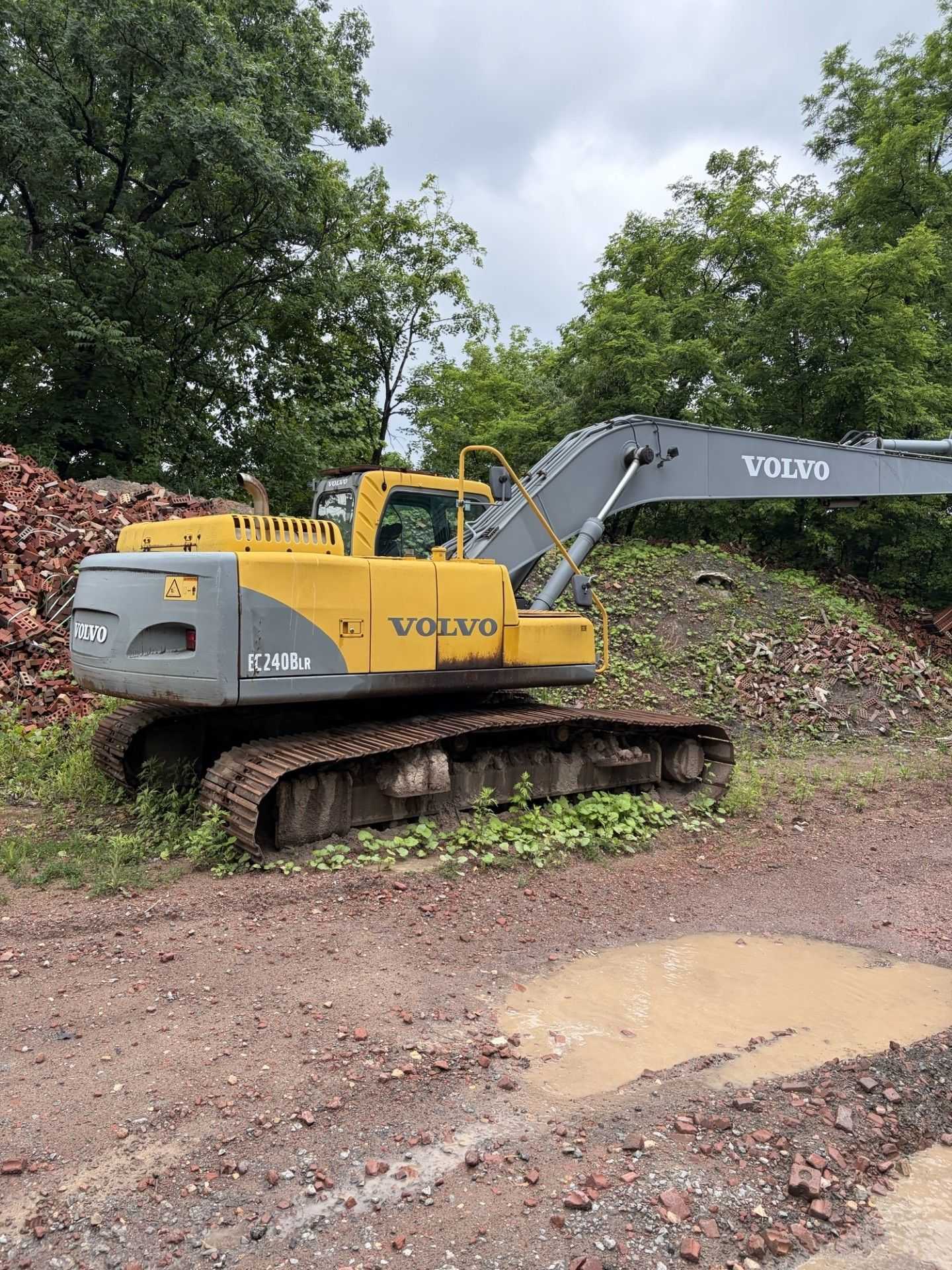
2004 Volvo EC240BLR Long Reach Crawler Excavator, 180HP, 60 ft Reach, Bucket Included
$62,894
$1,042/moPennsylvania
Specifications & Market Value
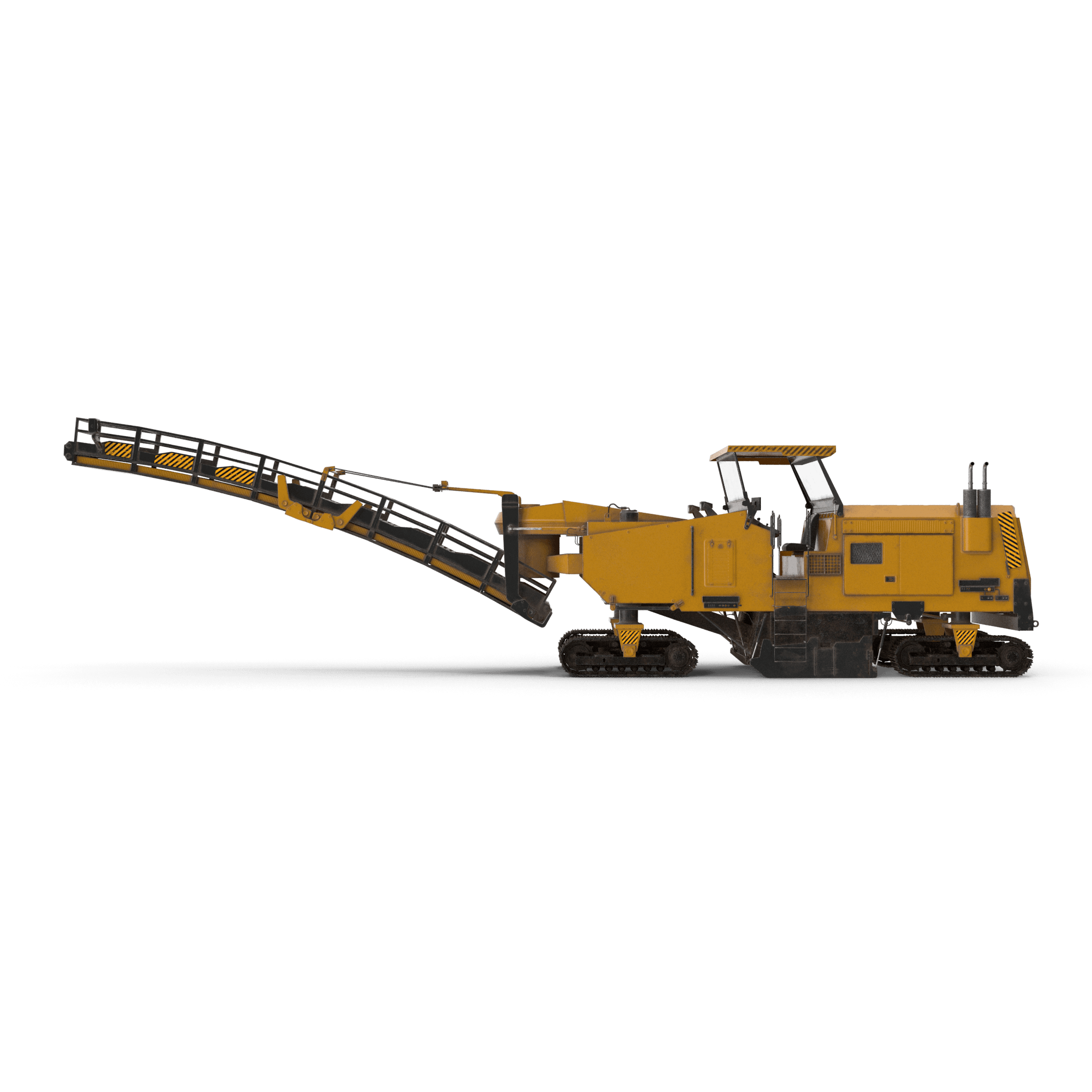
 Reference image
The BOMAG BW 120 AD-4 is a compact, articulated tandem vibratory roller designed for efficient asphalt and soil compaction in confined and urban environments. It features two smooth drums with a 47.3-inch drum width and 27.6-inch diameter, providing a static linear load of 60.5 lb/in for consistent, high-quality surface finish. The machine is powered by a Kubota D 1703 MDI 3-cylinder diesel engine delivering 34.3 hp at 2700 rpm, ensuring reliable performance with low fuel consumption. With an operating weight of 5732 lb and a compact overall length of 8.2 ft, the BW 120 AD-4 offers excellent maneuverability and a tight inner turning radius of 103.1 in, ideal for working in tight spaces. It delivers dual vibration frequencies of 3300 vpm (55 Hz) and 4200 vpm (70 Hz), with a medium amplitude of 0.1 in and a centrifugal force of 6294.7 lb per drum, enabling effective compaction across various lift thicknesses. The hydrostatic drive system provides infinitely variable speed control up to 7.5 mph, while the oscillating articulation joint ensures both drums follow the same path for uniform compaction. Standard features include a pressurized water spray system, isolated operator platform, ROPS, and a 10.6-gallon fuel tank, making it a durable, operator-friendly solution for asphalt finishing, patching, and light soil work.
Specifications, market trends, and valuation estimates are compiled from manufacturer documentation, historical sales, and industry sources. While care is taken to ensure accuracy, this information is provided for reference purposes only and may contain errors or omissions. Users should independently verify all data before making buying or selling decisions. Valuations do not represent guaranteed transaction prices or binding offers, and Aucto assumes no liability for decisions made using this data.
Spot an error or missing detail? Help us keep our equipment guides accurate for the community.

 A+
A+ Auction Value
$23,174
 Range$5,000 – $32,960
 Sells in ~ 30 days
 Retail Value
—
Sells in ~ 180 days
Item functions as originally intended, shows signs of normal wear. Change the condition to see how it moves both values.
| Attribute | SelectedBOMAG BW 120 AD-4 STATIC SMOOTH DRUM ROLLER | BOMAG BW 120 AD-5 STATIC SMOOTH DRUM ROLLER | |
|---|---|---|---|
| OEM | BOMAG | BOMAG | |
| Model | BW 120 AD-4 | BW 120 AD-5 | |
| Year | - | - | |
| Drum Width | 47 '' | 47 '' | |
| Centrifugal Force | 6295 lb-ft | 9217 lb-ft | |
| Similarity | — | 99% | |
| Auction Value$5,000 - $32,960Retail Value— | Auction Value$10,000 - $37,010Retail Value— | |
| Current Machine | View Details |
Marketplace