Buy Now
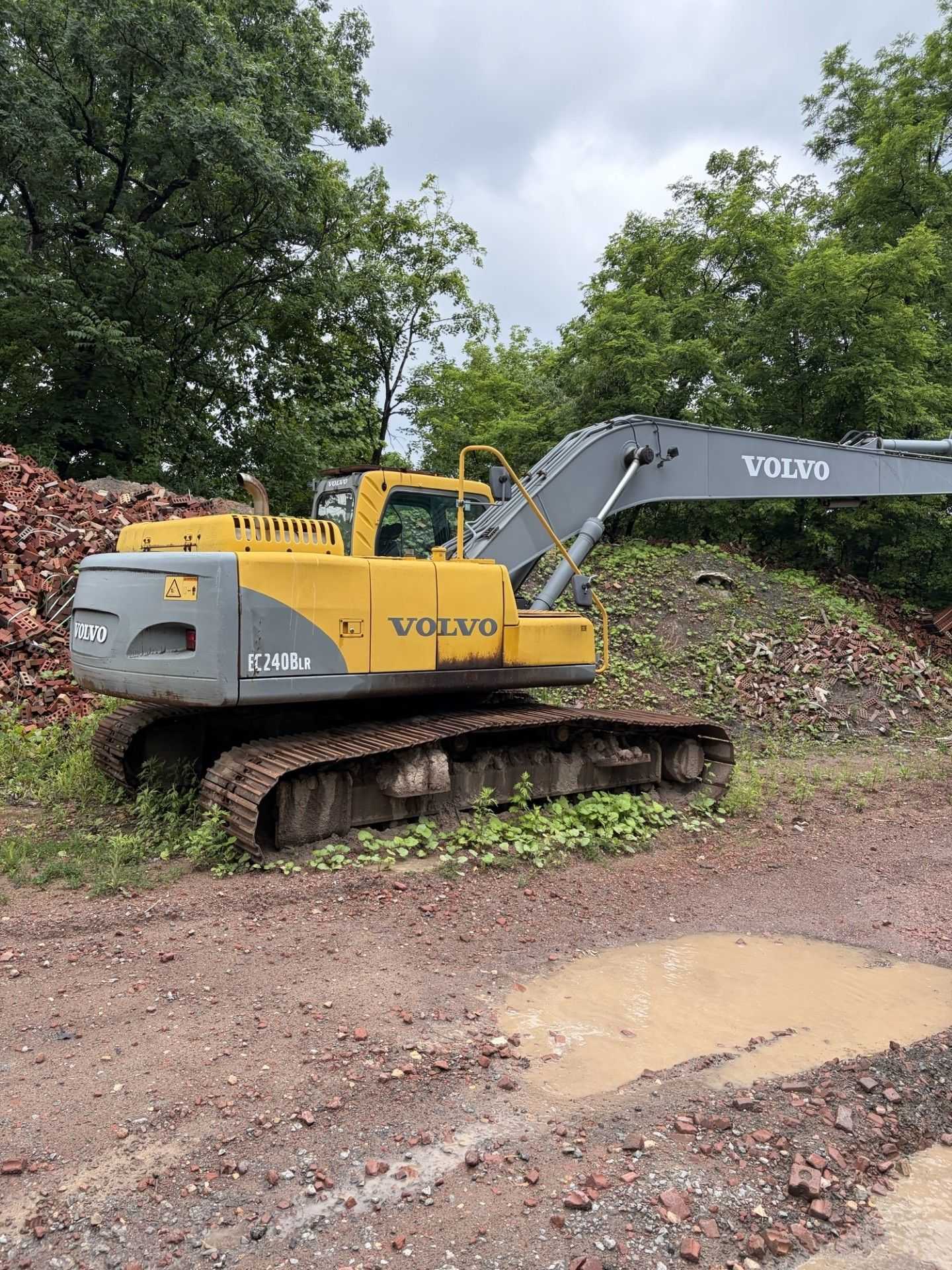
2004 Volvo EC240BLR Long Reach Crawler Excavator, 180HP, 60 ft Reach, Bucket Included
$62,894
$1,042/moPennsylvania
Specifications & Market Value
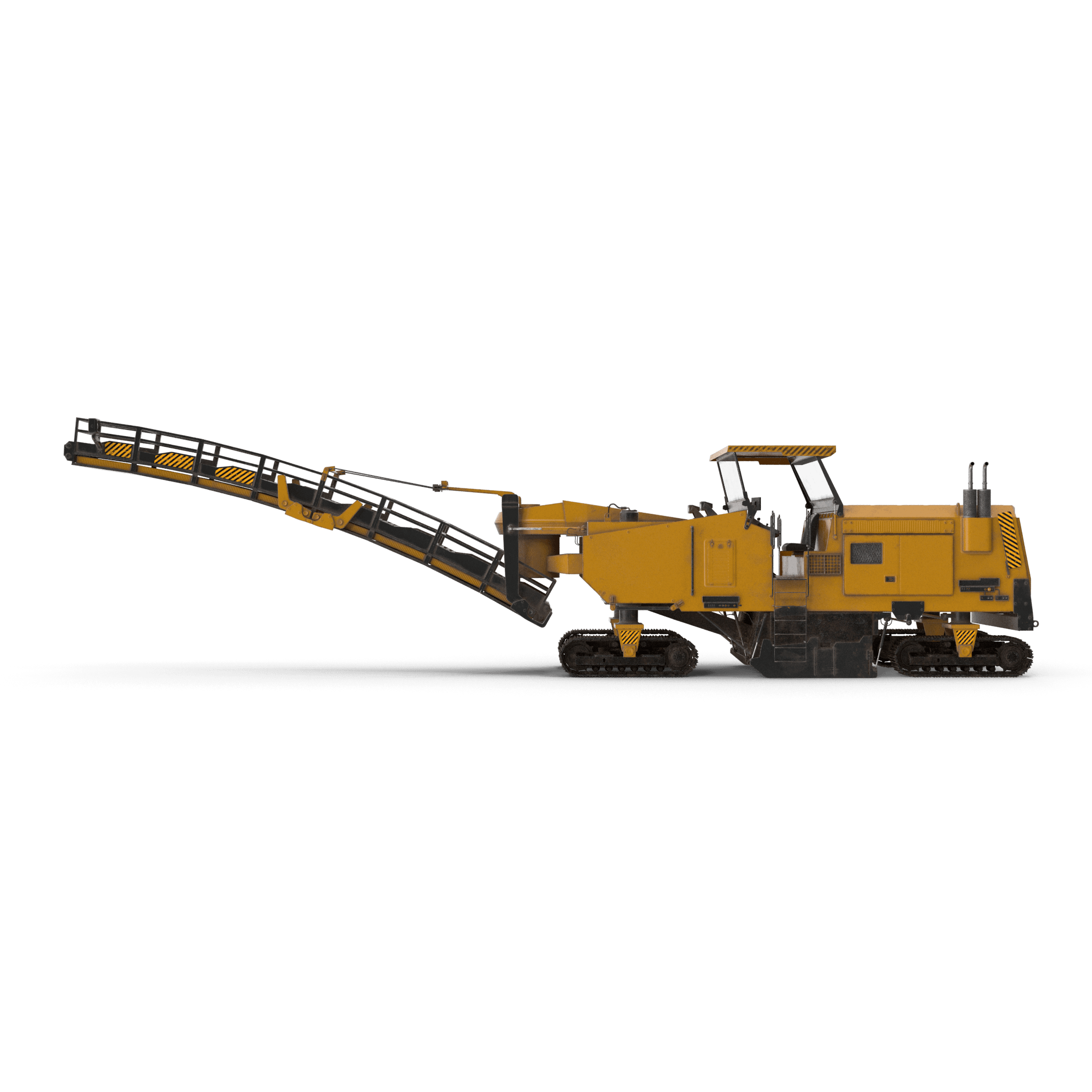
 Reference image
The CASE DV209C Static Smooth Drum Roller is a robust compaction machine designed for asphalt and soil applications, featuring a powerful Deutz TCD 3.6 L4 four-cylinder, 3.6-liter diesel engine delivering 100 hp (74.4 kW) and maximum torque of 369 lb-ft. It operates at an inside turning radius of 215 inches, with a drum width of 66 inches and an overall operating width of 71 inches. The roller weighs 21,030 lb, balancing weight and maneuverability efficiently. Vibration frequency ranges from 42 to 67 vpm, ensuring effective compaction through smooth, consistent drum vibrations, supported by a linear drum load of 159 lb/in to optimize ground contact. The machine’s fuel tank holds 58.1 gallons, and the water tank for drum sprinkling has a capacity of 222 gallons, facilitating extended operations with dust and material-stick prevention. Its dimensions include an overall length of 185 inches, height over the rollover protective structure (ROPS) of 118 inches, and ground clearance of 11.8 inches, allowing versatility on varied terrains. The Deutz engine employs turbocharging, external exhaust gas recirculation, and electronic common rail injection for efficient fuel consumption and lowered emissions, complying with modern environmental standards. Designed for durability and low maintenance, the DV209C combines high torque performance with a smooth drum roller system to provide superior compaction results in construction and paving projects. Its size and power class make it suitable for medium to large-scale jobs demanding reliable and steady surface finishing.
Specifications, market trends, and valuation estimates are compiled from manufacturer documentation, historical sales, and industry sources. While care is taken to ensure accuracy, this information is provided for reference purposes only and may contain errors or omissions. Users should independently verify all data before making buying or selling decisions. Valuations do not represent guaranteed transaction prices or binding offers, and Aucto assumes no liability for decisions made using this data.
Spot an error or missing detail? Help us keep our equipment guides accurate for the community.

 A+
A+ Auction Value
$83,500
 Range$25,000 – $115,000
 Sells in ~ 30 days
 Retail Value
—
Sells in ~ 180 days
Item functions as originally intended, shows signs of normal wear. Change the condition to see how it moves both values.
| Attribute | SelectedCASE DV209C STATIC SMOOTH DRUM ROLLER | CASE DV209 HF STATIC SMOOTH DRUM ROLLER | |
|---|---|---|---|
| OEM | CASE | CASE | |
| Model | DV209C | DV209 HF | |
| Year | - | - | |
| Drum Width | 66 '' | 66 '' | |
| Similarity | — | 99% | |
| Auction Value$25,000 - $115,000Retail Value— | Auction Value$25,000 - $120,000Retail Value— | |
| Current Machine | View Details |
Marketplace