Buy Now
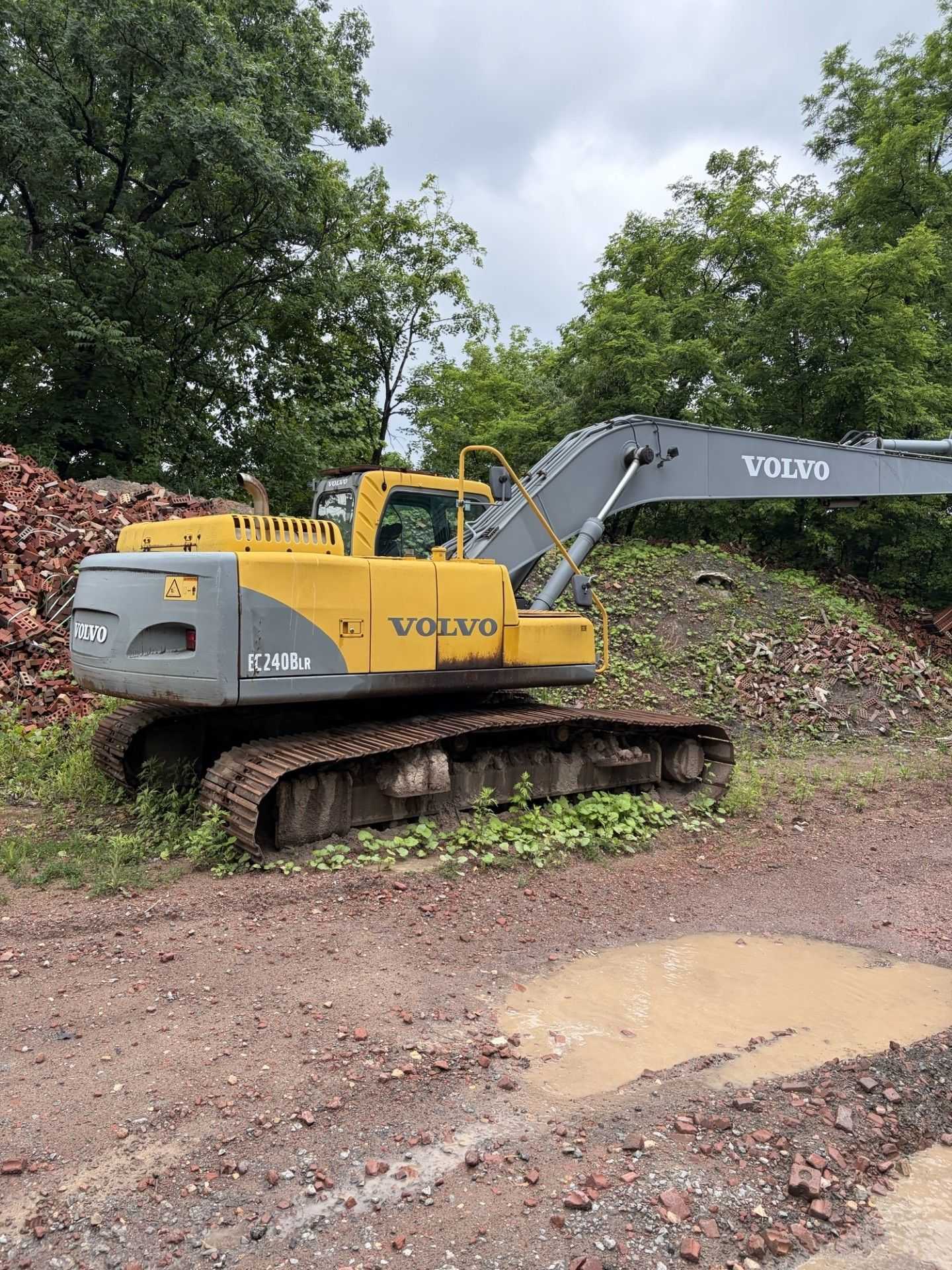
2004 Volvo EC240BLR Long Reach Crawler Excavator, 180HP, 60 ft Reach, Bucket Included
$62,894
$1,042/moPennsylvania
Specifications & Market Value
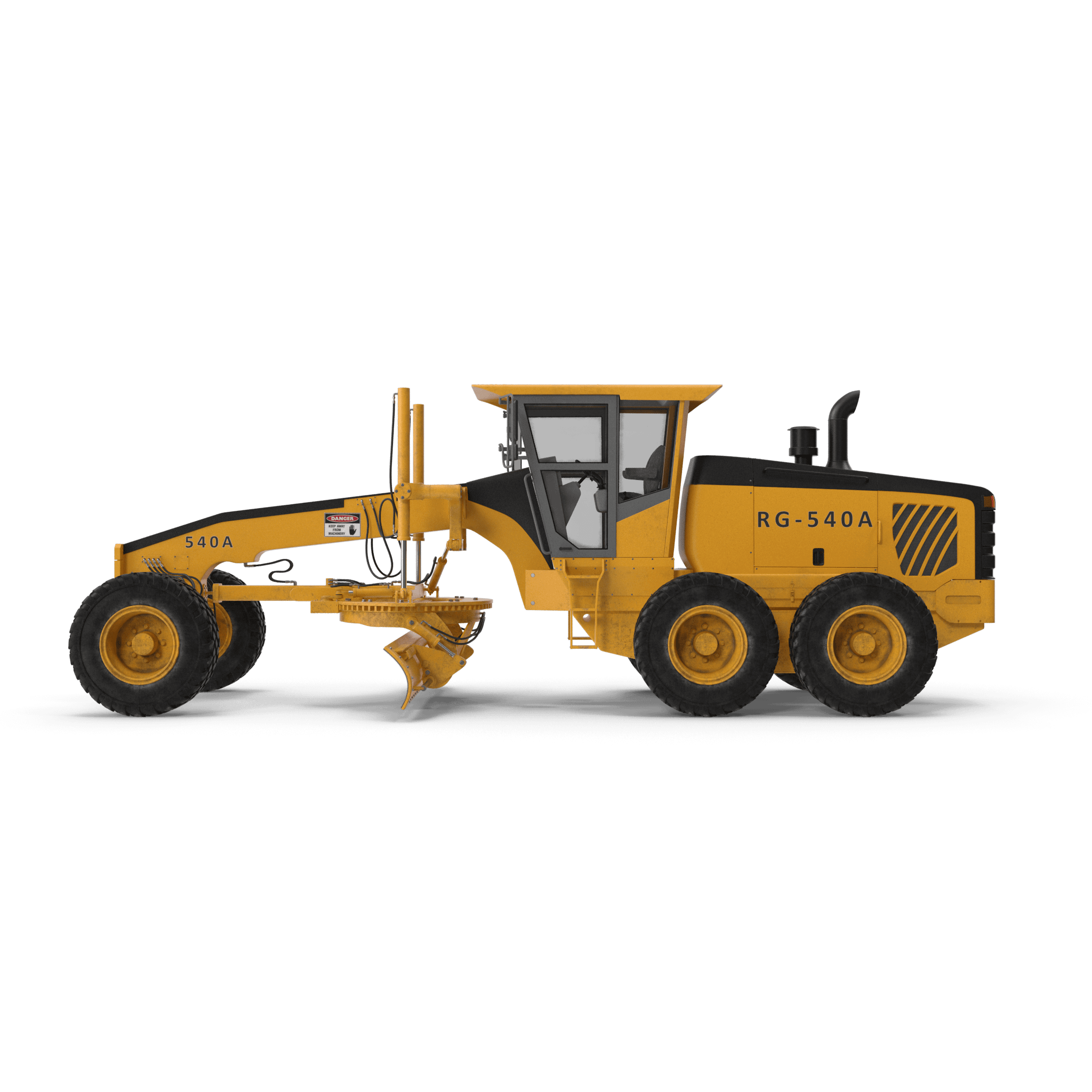
 Reference image
The 2023 CATERPILLAR 150 Motor Grader is a high-performance machine engineered for precision grading and earthmoving tasks. Powered by a Cat C9.3 engine meeting U.S. EPA Tier 4 Final/EU Stage V emissions standards, it delivers up to 250 hp (188 kW) with a displacement of 9.3 liters and a 6-cylinder configuration. The engine features a bore of 4.5 inches and stroke of 5.9 inches, operating at a rated speed of 2,000 rpm, with no derating required up to 10,000 ft altitude. The transmission offers 8 forward and 6 reverse gears, supporting efficient operation across diverse terrains. The grader is equipped with a 12-foot blade, 24 inches high and 0.87 inches thick, providing robust cutting and grading capability. Maximum blade tip forward angle reaches 40°, with a throat clearance of 6.5 inches and arc radius of 16.3 inches. The machine’s typical operating weight is approximately 43,950 lb, with a maximum gross vehicle weight of 55,144 lb. Front and rear axle oscillation angles are 15° and 22°, respectively, enhancing stability on uneven surfaces. Tire size is 17.5 inch, with an overall diameter of about 50.8 inches and a load rating up to 6,008 lb per tire. Forward top speed reaches 29 mph, while reverse tops out at 23 mph. The 150 Motor Grader features advanced hydraulic and braking systems, electronic controls, and ergonomic operator amenities, making it a versatile and reliable solution for demanding grading applications.
Specifications, market trends, and valuation estimates are compiled from manufacturer documentation, historical sales, and industry sources. While care is taken to ensure accuracy, this information is provided for reference purposes only and may contain errors or omissions. Users should independently verify all data before making buying or selling decisions. Valuations do not represent guaranteed transaction prices or binding offers, and Aucto assumes no liability for decisions made using this data.
Spot an error or missing detail? Help us keep our equipment guides accurate for the community.

 A+
A+ Auction Value
$142,421
 Range$25,000 – $205,647
 Sells in ~ 30 days
 Retail Value
—
Sells in ~ 180 days
Item functions as originally intended, shows signs of normal wear. Change the condition to see how it moves both values.
Marketplace


| Attribute | SelectedCATERPILLAR 150 MOTOR GRADERS | CATERPILLAR 150 AWD MOTOR GRADERS | |
|---|---|---|---|
| OEM | CATERPILLAR | CATERPILLAR | |
| Model | 150 | 150 AWD | |
| Year | - | - | |
| Engine Power | 250 HP | 250 HP | |
| Engine Model | CAT C7.1 | CAT C7.1 | |
| Max Speed | 25.0 mph | 25.0 mph | |
| Operating Weight | 50,000.00 | — | |
| Similarity | — | 99% | |
| Auction Value$25,000 - $205,647Retail Value— | Auction Value$25,000 - $205,647Retail Value— | |
| Current Machine | View Details |