Buy Now
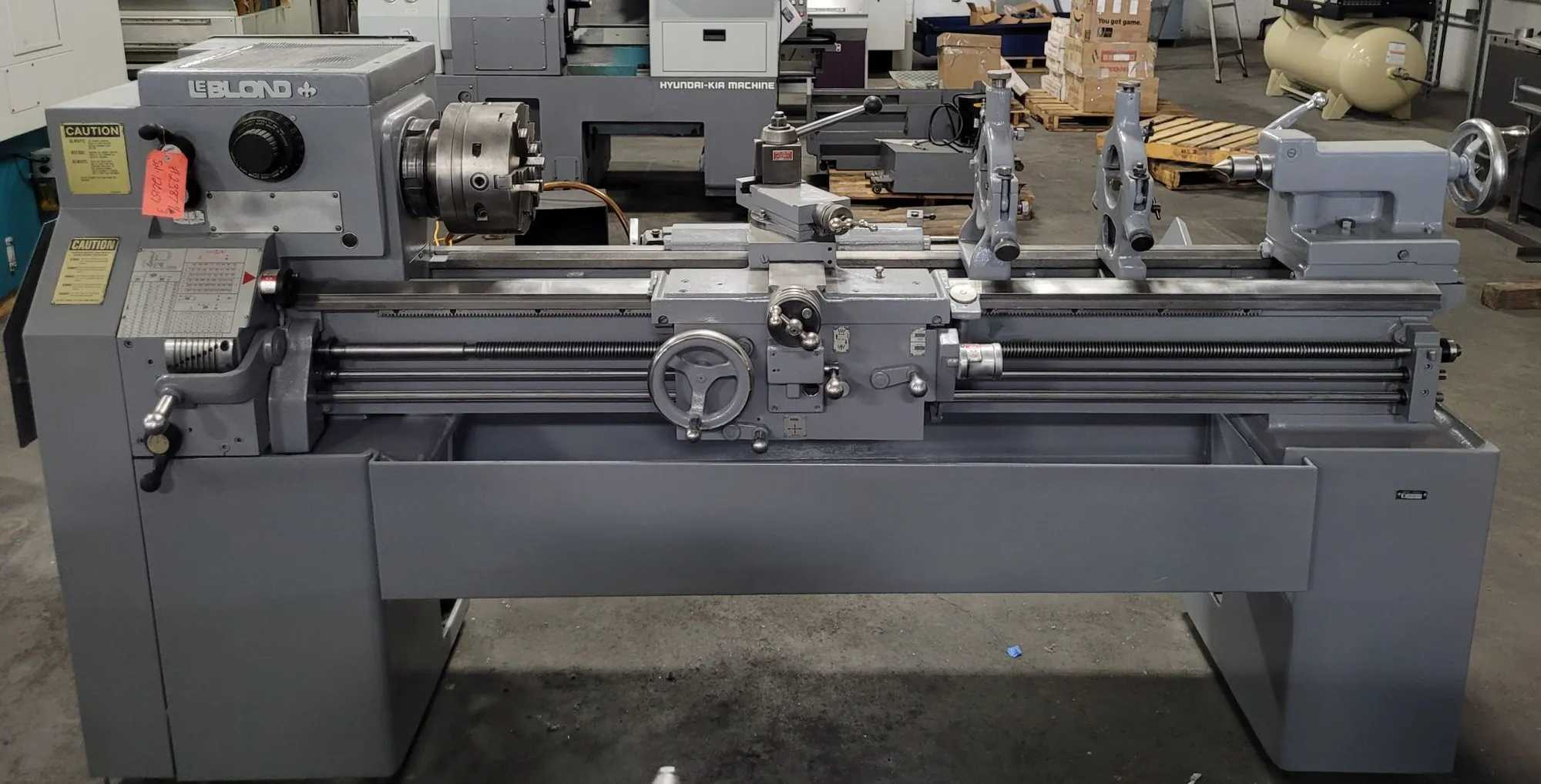
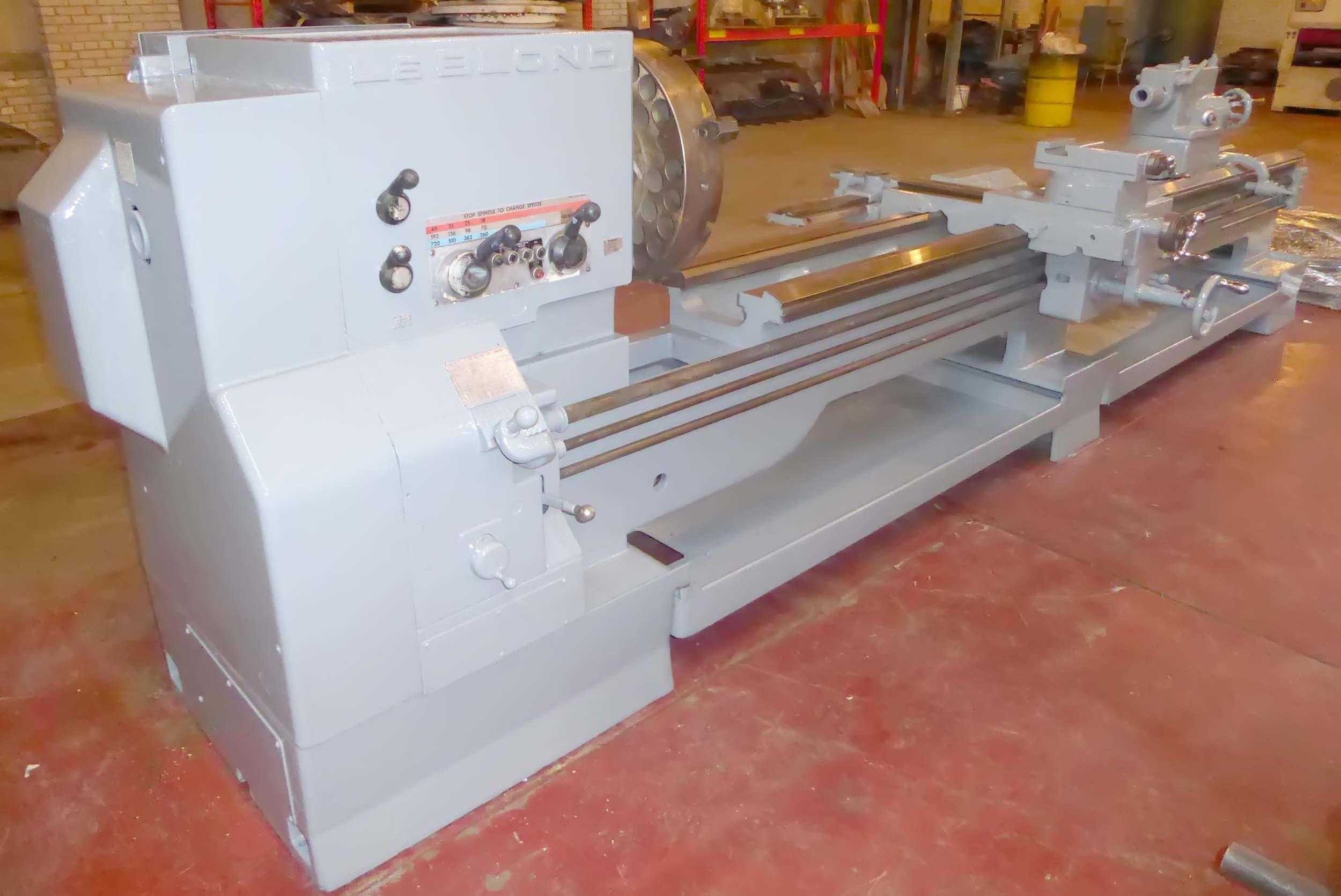
LEBLOND F21 REGAL ENGINE LATHE 22.25" SWING X 72" CTRS 10HP 27-1080 RPM DRO
$9,950
$165/moKentucky
Specifications & Market Value
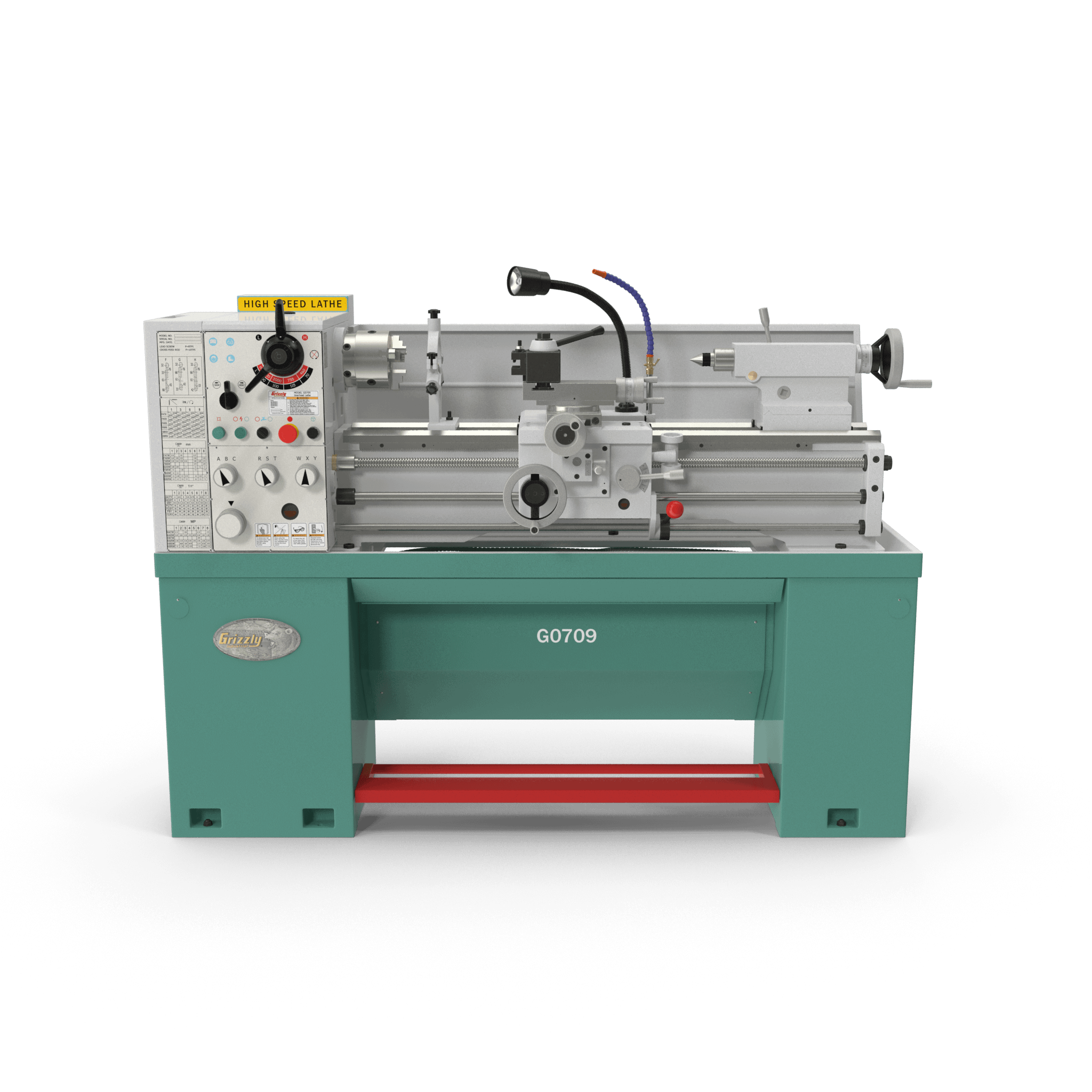
 Reference image
The CHIZHOU WHITE EAGLE DIY1619 manual lathe features a swing over bed of 16.54 inches (420 mm) and a center distance of 19.69 inches (500 mm), accommodating a wide range of machining tasks. It includes a spindle bore of 1.10 inches, allowing for robust workpiece mounting and through-spindle operations. The lathe supports a maximum longitudinal travel of approximately 17.32 inches (440 mm) and a maximum cross travel of about 4.72 inches (120 mm), providing precise control during turning, facing, and other operations. The spindle utilizes an MT4 taper to facilitate standard tooling attachments. Standard accessories typically include change gears, a tool post wrench, an Allen wrench, and a 3-jaw chuck with its wrench to enable versatile functionality immediately upon setup. Optional attachments like a machine stand, follow rest, steady rest, and additional lathe tools expand its operational flexibility. Designed with gear-driven precision and a square column for stability, this lathe supports not only turning but also milling, drilling, tapping, boring, and reaming operations. The headstock can swivel 90 degrees vertically, enhancing machining versatility. It is a multi-purpose manual lathe suitable for precision metalworking applications, offering reliable performance for workshops and fabrication settings requiring moderate-sized turning capacity.
Specifications, market trends, and valuation estimates are compiled from manufacturer documentation, historical sales, and industry sources. While care is taken to ensure accuracy, this information is provided for reference purposes only and may contain errors or omissions. Users should independently verify all data before making buying or selling decisions. Valuations do not represent guaranteed transaction prices or binding offers, and Aucto assumes no liability for decisions made using this data.
Spot an error or missing detail? Help us keep our equipment guides accurate for the community.

 A+
A+ Auction Value
$1,388
 Range$250 – $2,000
 Sells in ~ 30 days
 Retail Value
—
Sells in ~ 180 days
Item functions as originally intended, shows signs of normal wear. Change the condition to see how it moves both values.
| Attribute | SelectedCHIZHOU WHITE EAGLE DIY1619 MANUAL LATHE | CHIZHOU WHITE EAGLE C6246A-1500 MANUAL LATHE | |
|---|---|---|---|
| OEM | CHIZHOU WHITE EAGLE | CHIZHOU WHITE EAGLE | |
| Model | DIY1619 | C6246A-1500 | |
| Year | - | - | |
| Max Swing | 16.54 '' | 18.00 '' | |
| Spindle Bore Diameter | 1.10 '' | 2.20 '' | |
| Distance Between Centers | 19.69 '' | 59.00 '' | |
| Similarity | — | 99% | |
| Auction Value$250 - $2,000Retail Value— | Auction Value$2,000 - $11,800Retail Value— | |
| Current Machine | View Details |
Marketplace