Buy Now
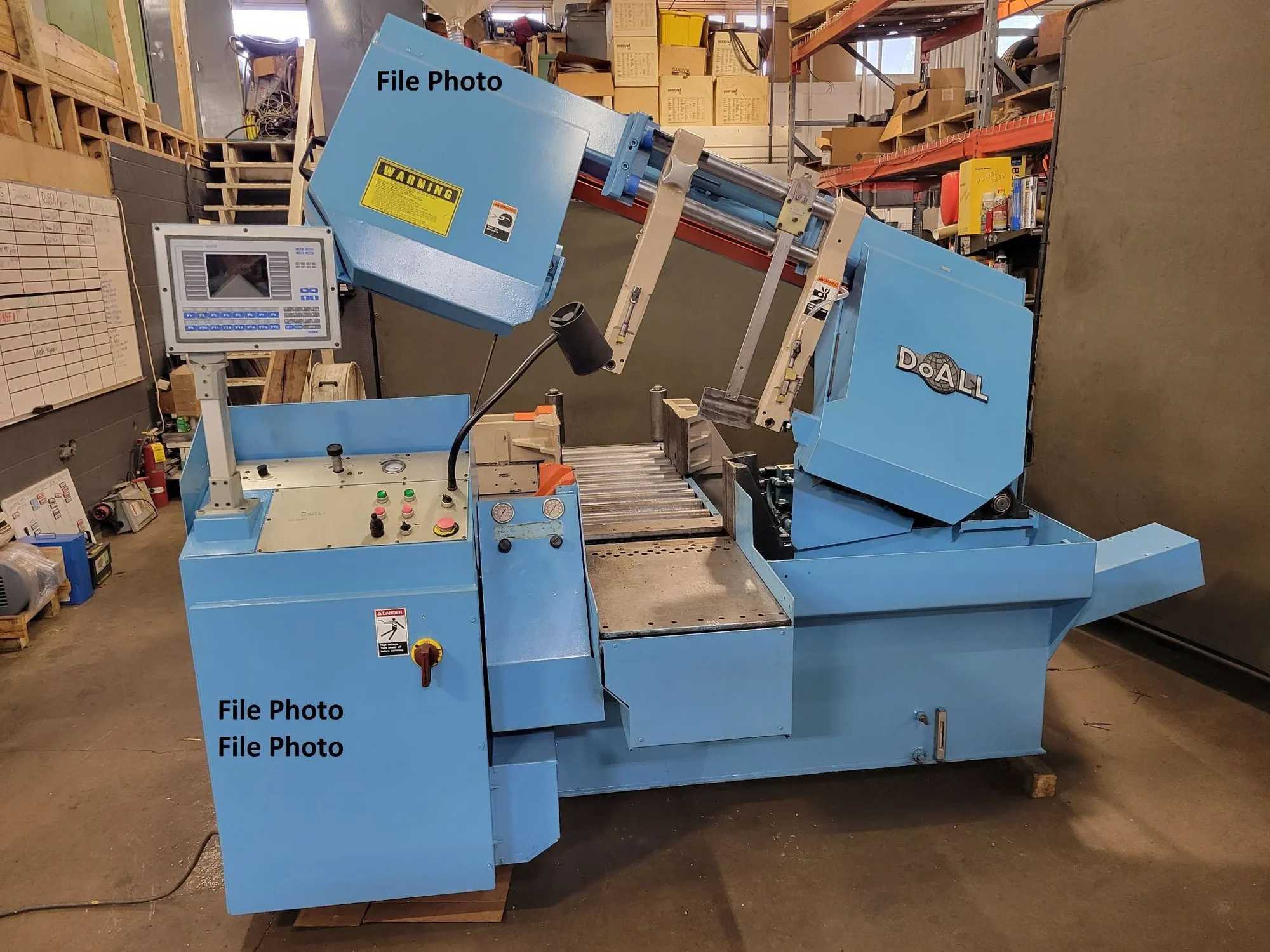
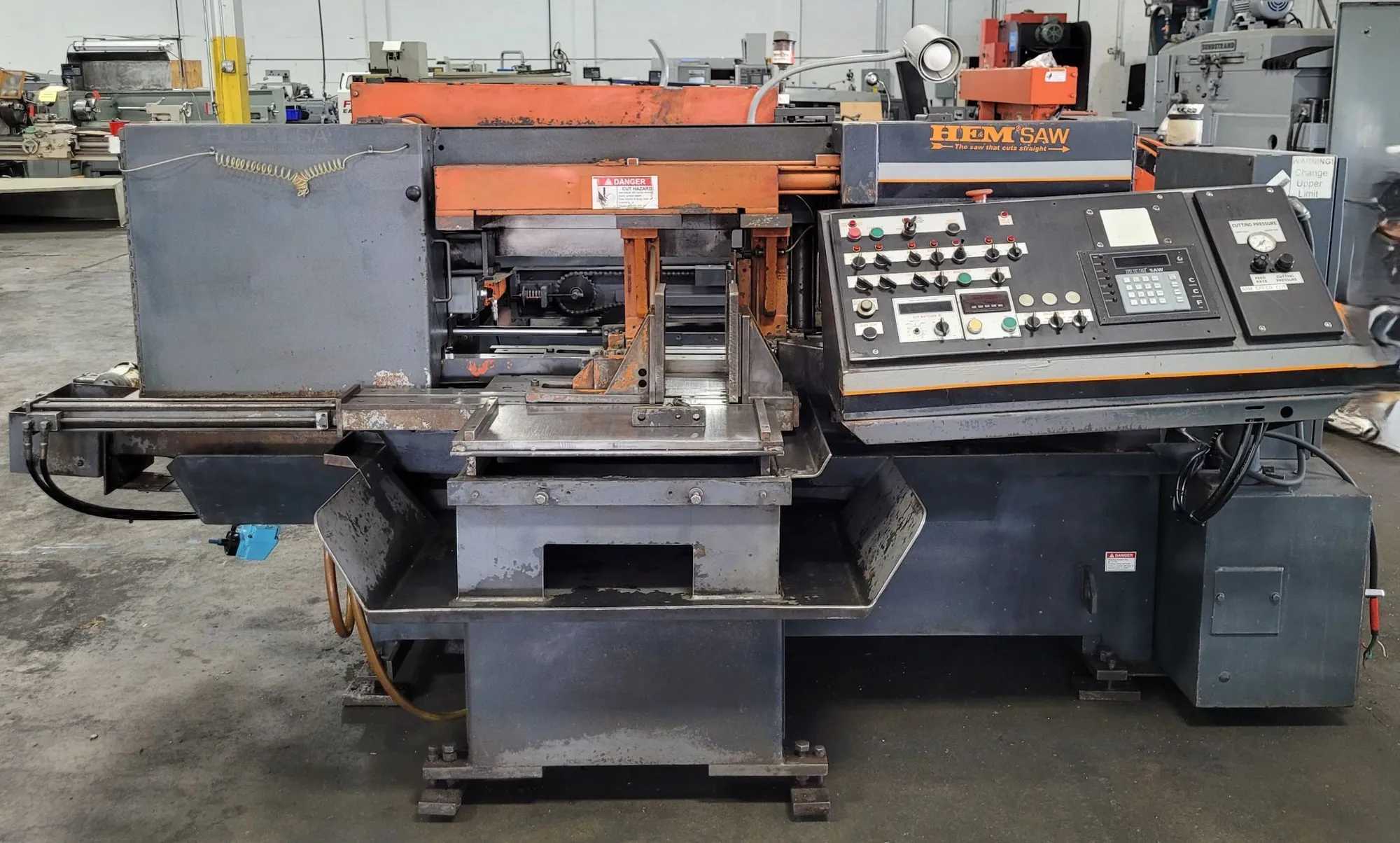
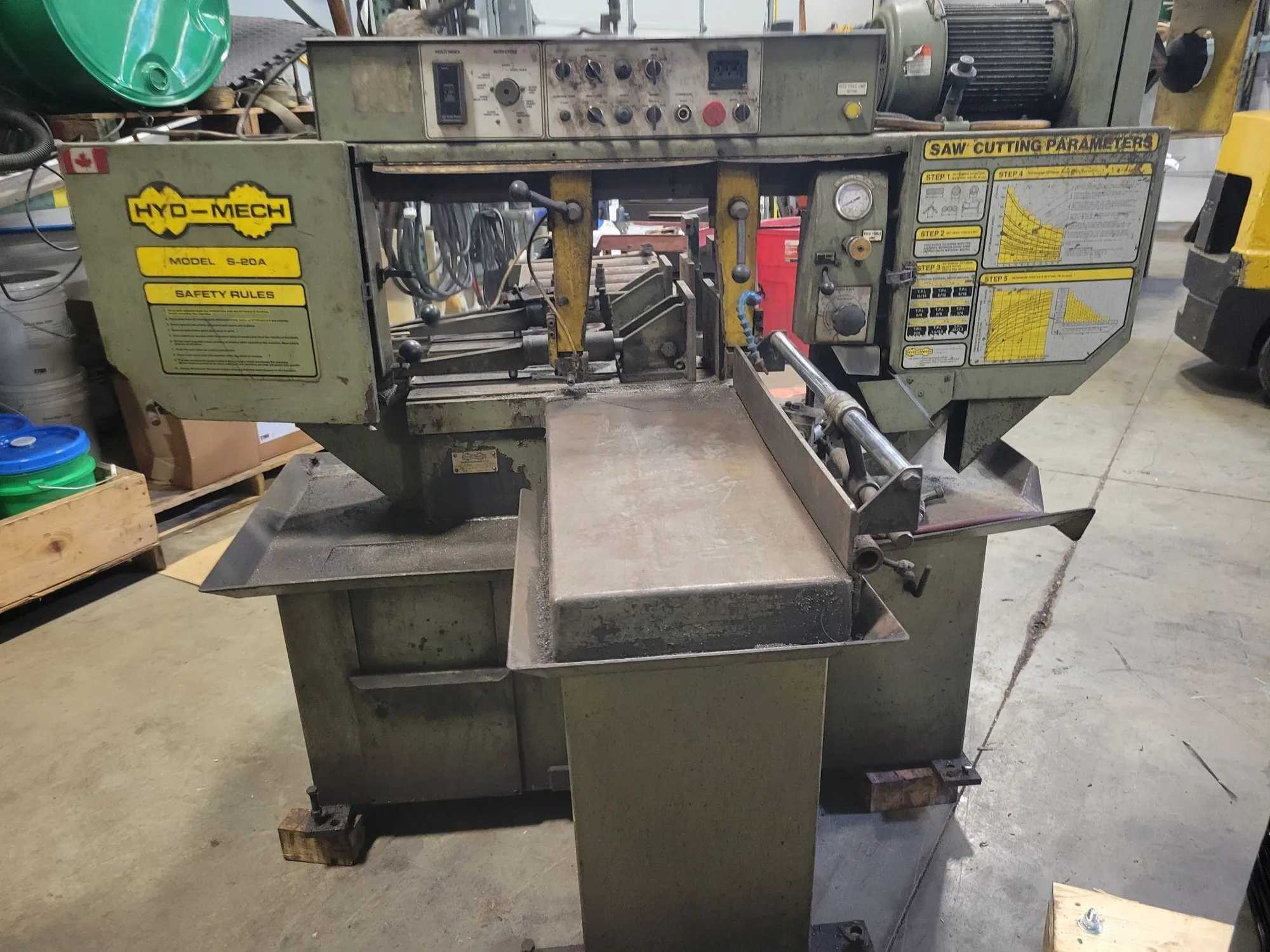
2004 DoALL C-4100 NC 16" Programmable Horizontal Bandsaw, 10 HP Heavy Duty
$17,900
$297/moIllinois
Specifications & Market Value
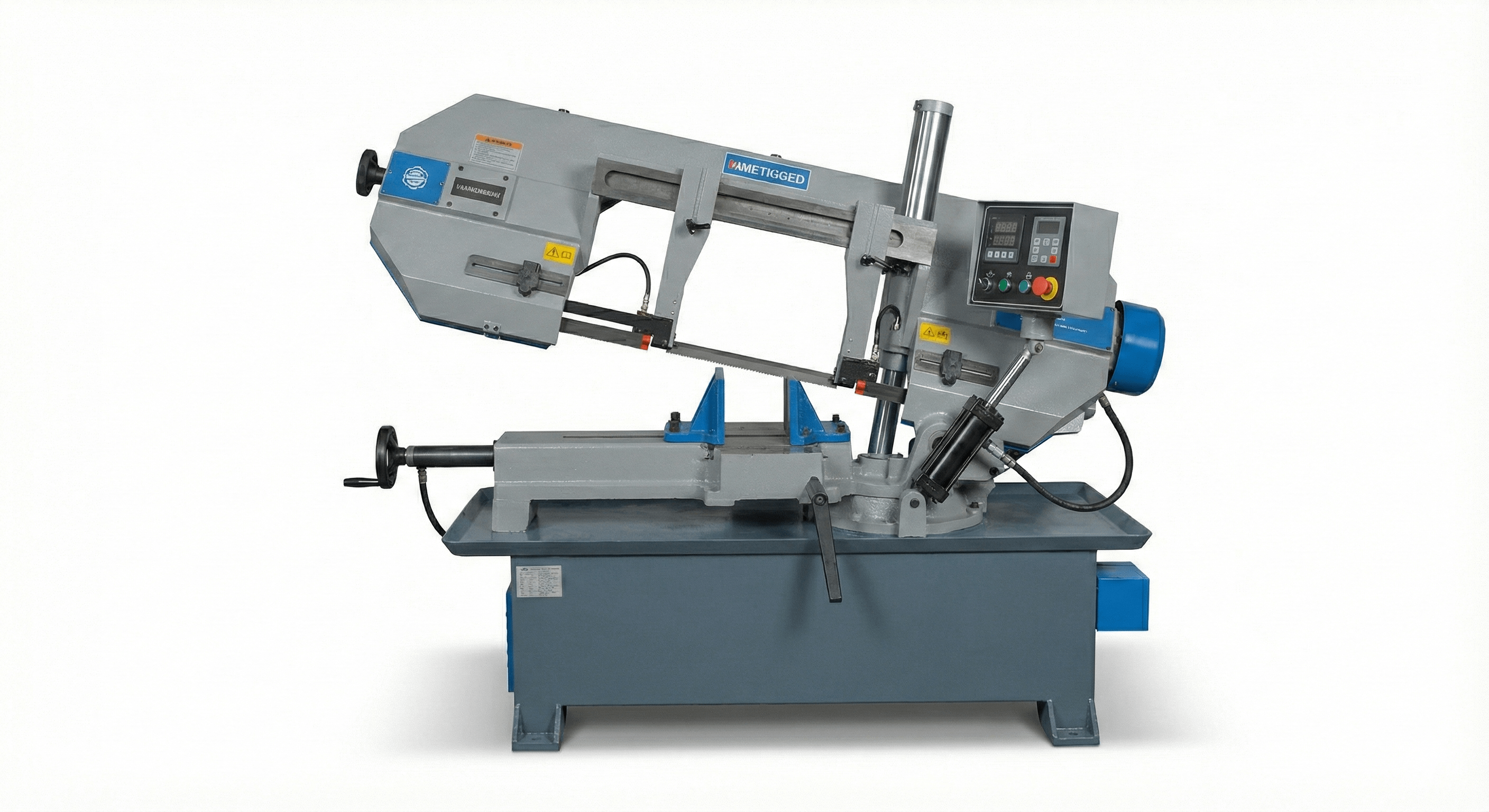
 Reference image
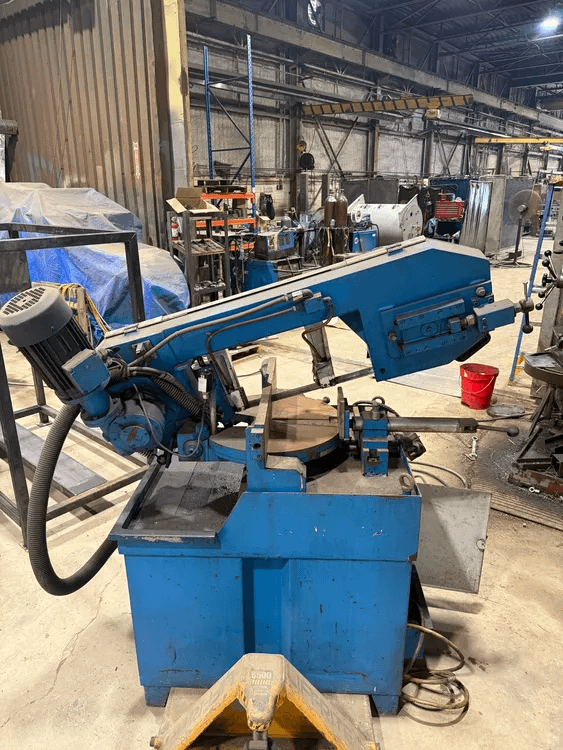
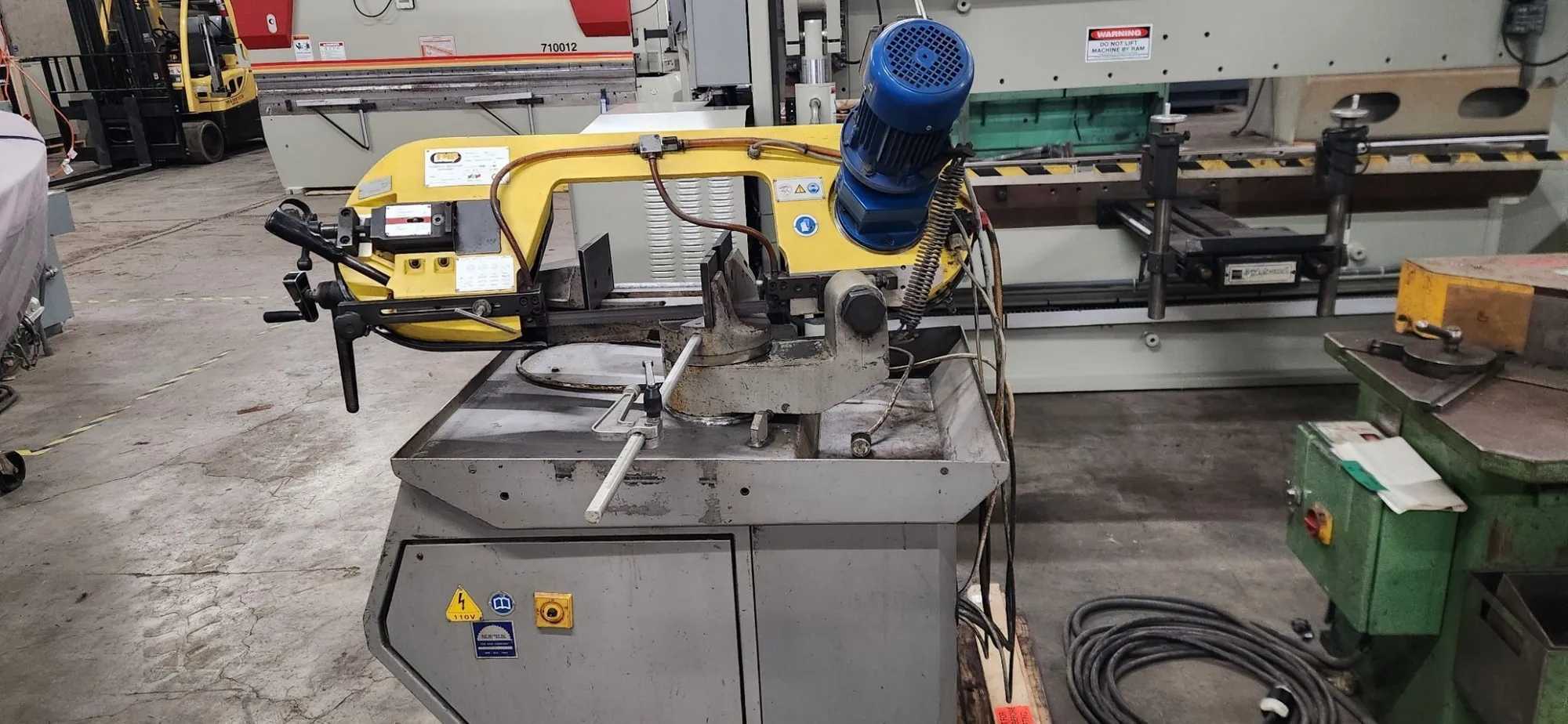
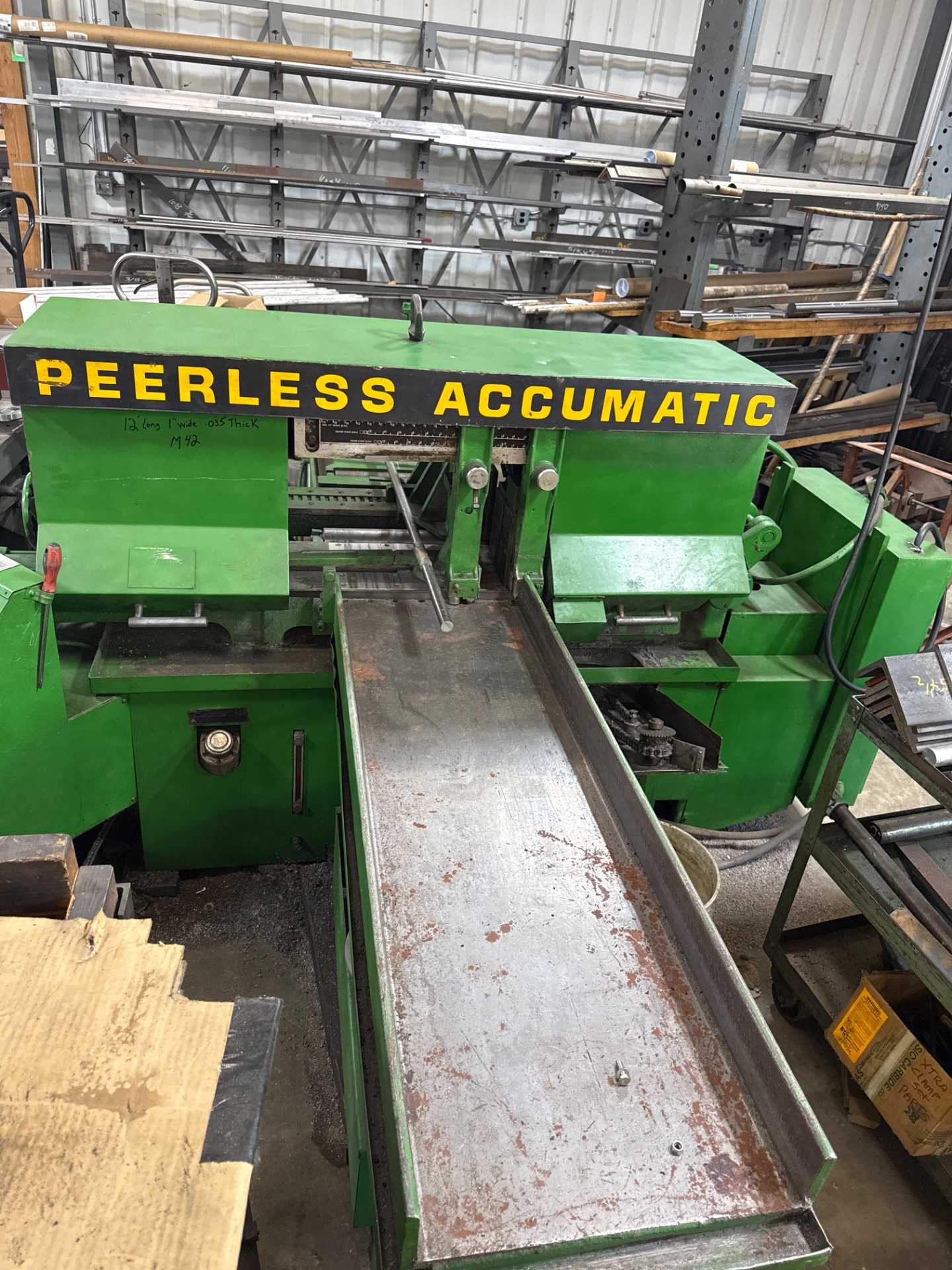
The DOALL DS-320SA Horizontal Band Saw is a robust semi-automatic cutting solution designed for precision and efficiency in metalworking applications. With a rectangular capacity of 11.75 inches in height and 12.5 inches in width, as well as a round capacity of 11.75 inches, this machine is capable of handling a variety of materials. Powered by a 3 HP motor, it delivers reliable performance across a range of cutting tasks. The saw features a 1-inch wide blade with a thickness of 0.035 inches and a length of 144.5 inches, ensuring optimal cutting capabilities. The band speed ranges from 65 to 328 feet per minute, allowing for versatile operation depending on the material and desired finish. The DS-320SA offers dual-miter intermittent semi-automatic functionality, enhancing productivity while maintaining accuracy. It can accommodate 90-degree cuts with a capacity of 11-3/4 x 12-1/2 inches for rectangles and 11-3/4 inches for rounds, while 45-degree cuts can handle 9-3/4 x 11-3/4 inches for rectangles and 11-3/4 inches for rounds. The machine's dimensions are 90 inches in length, 46 inches in width, and 81 inches in height, making it a substantial addition to any workshop. The DOALL DS-320SA is engineered for durability and precision, making it an essential tool for professionals seeking high-quality cutting performance.
Specifications, market trends, and valuation estimates are compiled from manufacturer documentation, historical sales, and industry sources. While care is taken to ensure accuracy, this information is provided for reference purposes only and may contain errors or omissions. Users should independently verify all data before making buying or selling decisions. Valuations do not represent guaranteed transaction prices or binding offers, and Aucto assumes no liability for decisions made using this data.
Spot an error or missing detail? Help us keep our equipment guides accurate for the community.

 A+
A+ Auction Value
$10,624
 Range$2,500 – $14,999
 Sells in ~ 30 days
 Retail Value
—
Sells in ~ 180 days
Item functions as originally intended, shows signs of normal wear. Change the condition to see how it moves both values.
Marketplace

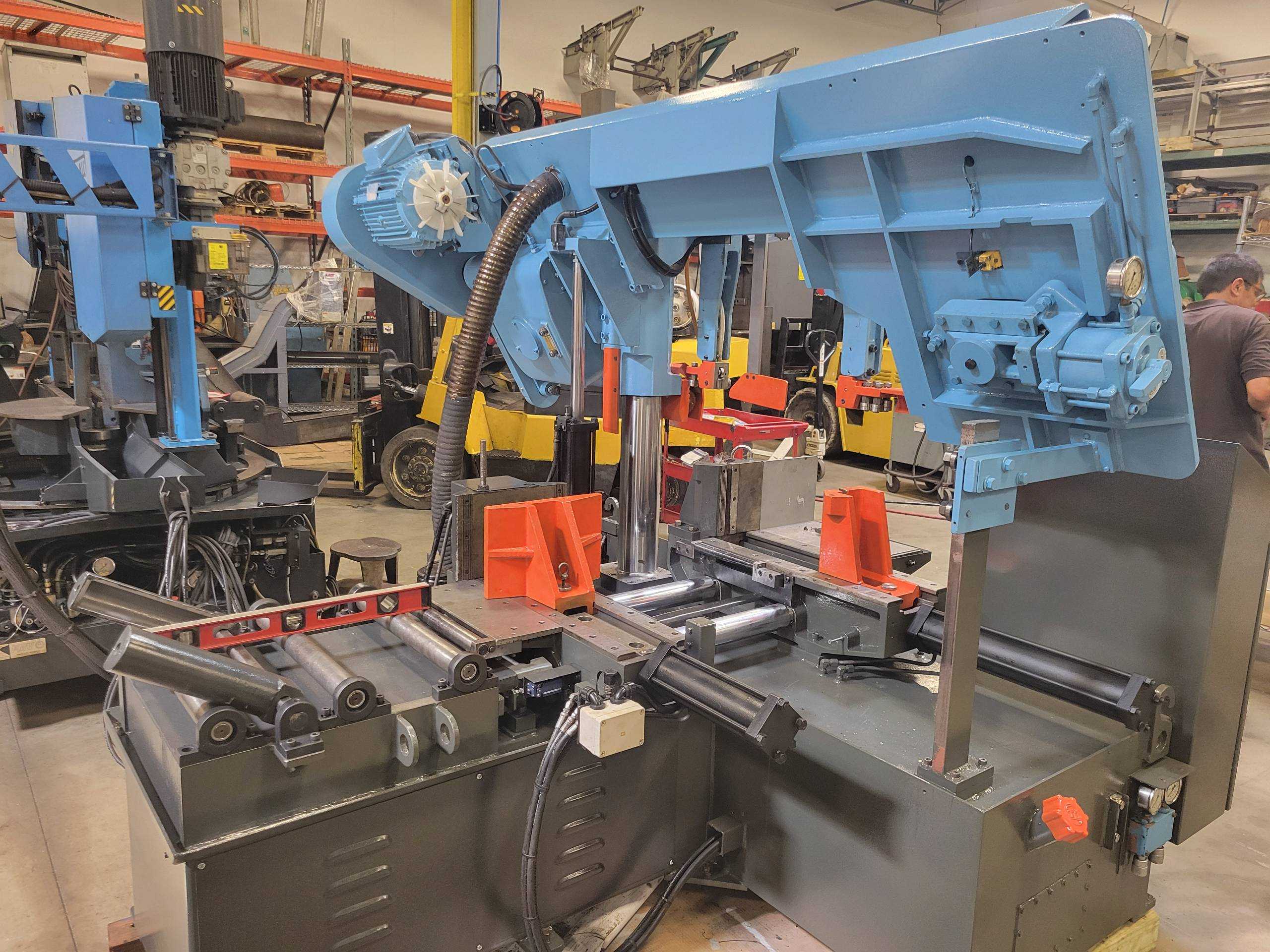
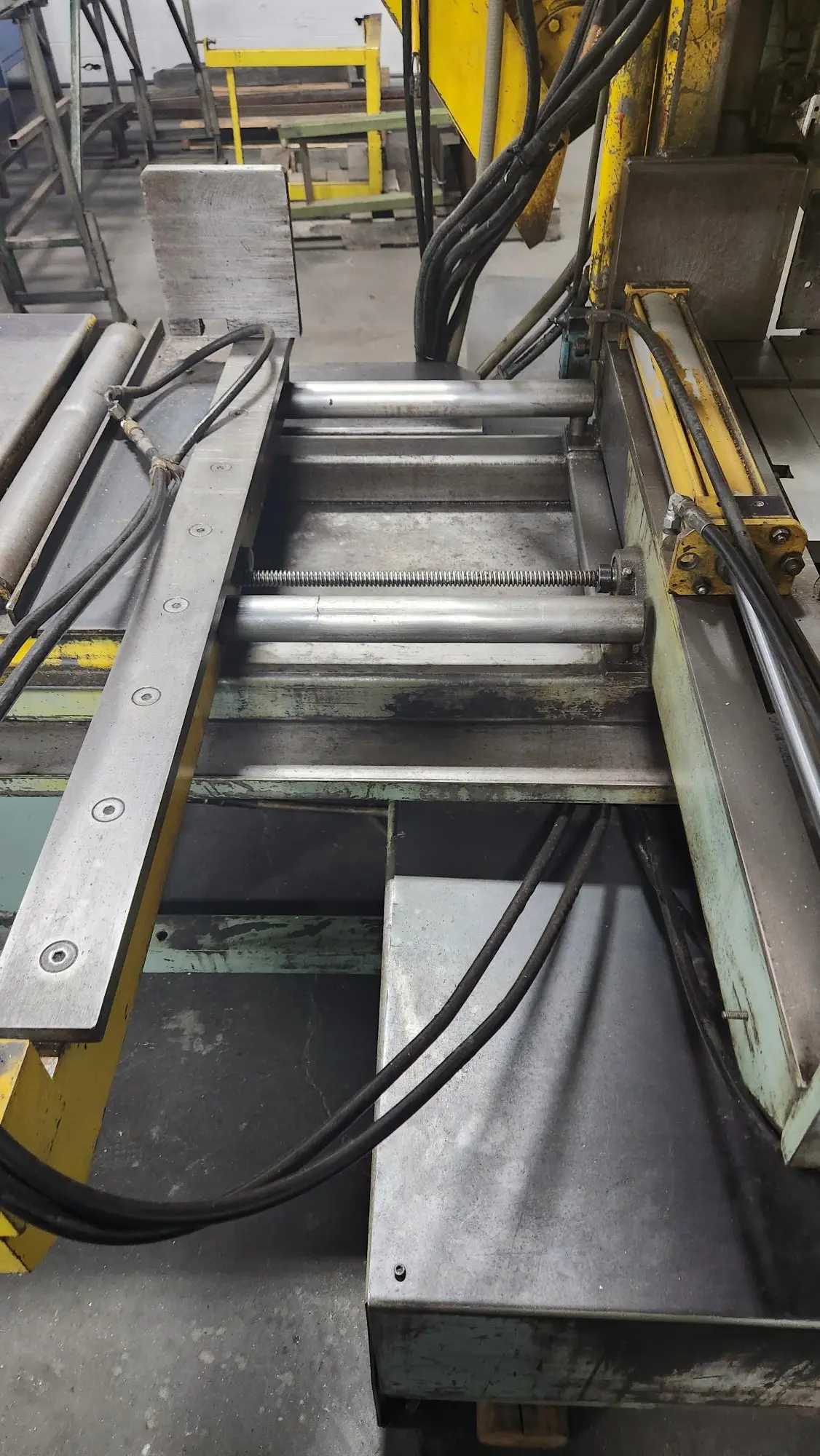
| Attribute | SelectedDOALL DS-320SA HORIZONTAL BAND SAW | DOALL DS-320M HORIZONTAL BAND SAW | |
|---|---|---|---|
| OEM | DOALL | DOALL | |
| Model | DS-320SA | DS-320M | |
| Year | - | - | |
| Rated Power | 3.00 HP | — | |
| Blade Length | 144.5 '' | — | |
| Max Cutting Capacity (Round) | 11.8 '' | — | |
| Material Feed Automation | Semi-Automatic | — | |
| Similarity | — | 100% | |
| Auction Value$2,500 - $14,999Retail Value— | Auction Value$2,500 - $10,954Retail Value— | |
| Current Machine | View Details |