Buy Now
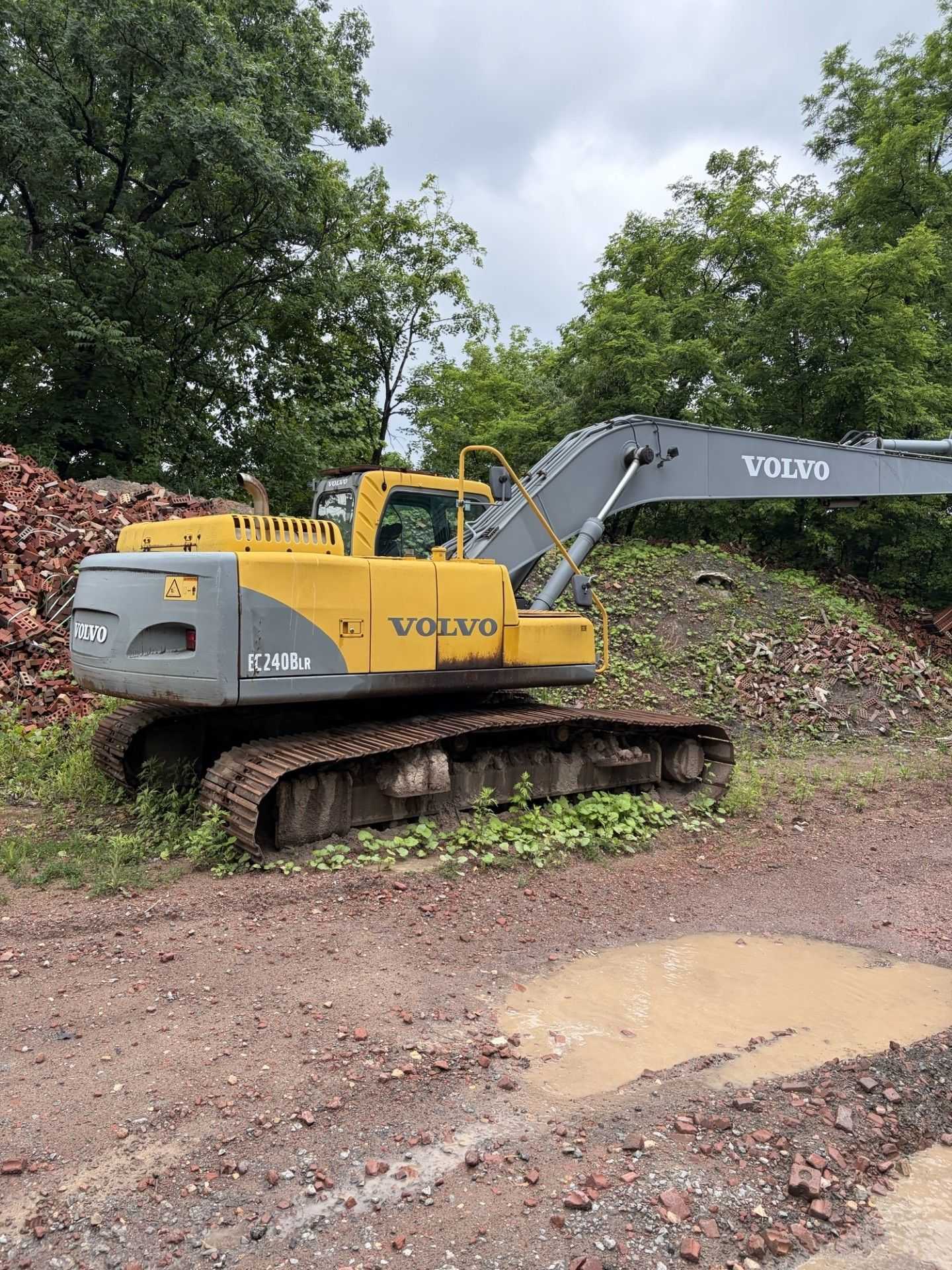
2004 Volvo EC240BLR Long Reach Crawler Excavator, 180HP, 60 ft Reach, Bucket Included
$62,894
$1,042/moPennsylvania
Specifications & Market Value
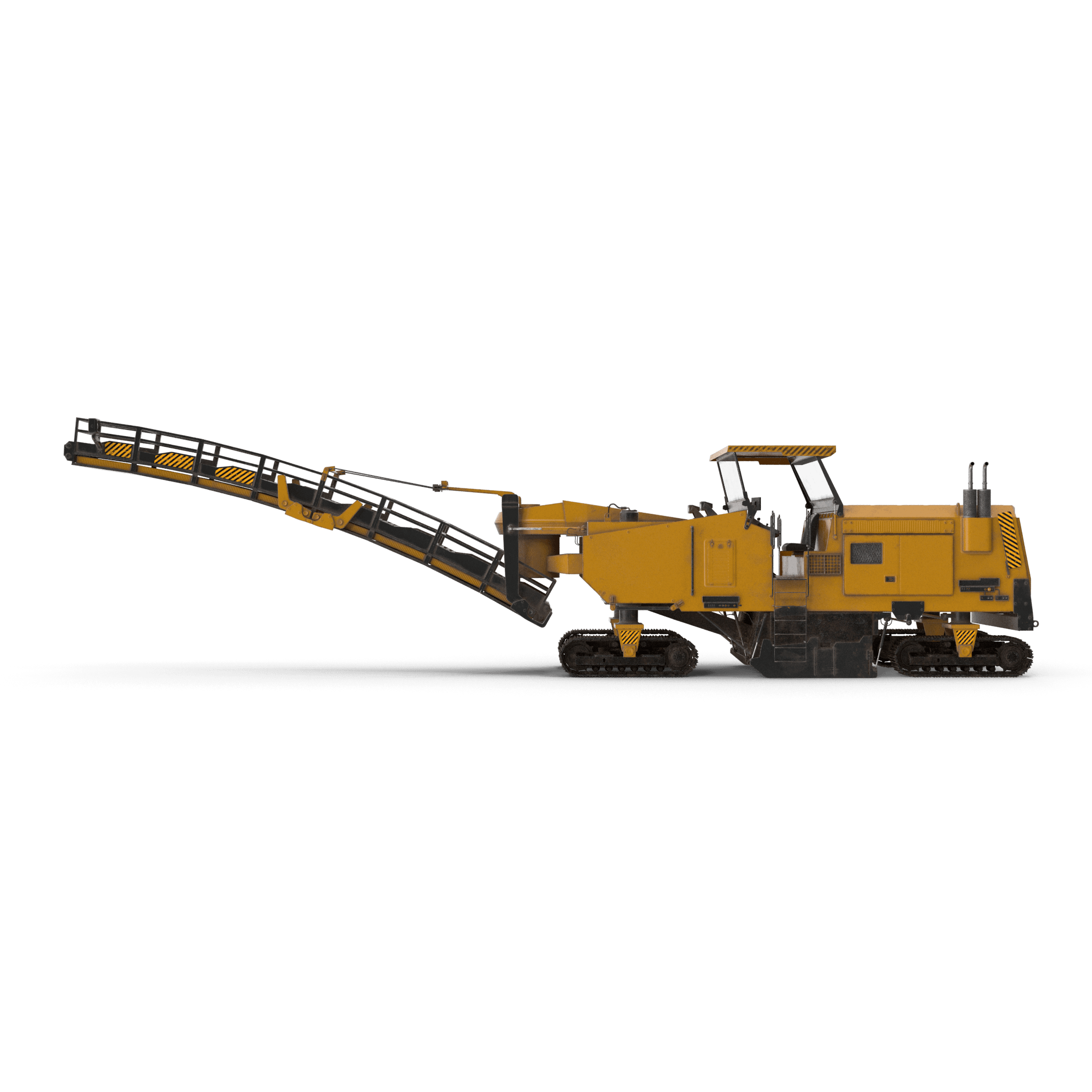
 Reference image
The Dynapac CA150D is a static smooth drum roller designed for efficient compaction with high operational performance. It features a single 48-inch diameter, 66-inch wide smooth drum with a 0.9-inch thickness, delivering a static linear load of 382.7 pounds per inch. The drum’s vibration system operates at frequencies between 31 to 43 vibrations per minute (vpm) with a nominal amplitude of 0.1 inches, providing strong and consistent compaction force—with centrifugal forces of 33,721 lbs at high and 24,504 lbs at low settings. Powered by a Cummins QSB3.3 water-cooled turbo diesel engine, producing 80.5 hp (60 kW) at 2200 rpm, it ensures reliable and efficient performance. The roller has a maximum speed of 5 mph and a fuel capacity of 225 gallons, suitable for extended job site operation. It supports an impressive gradeability of 55%, allowing effective operation on inclined surfaces. The overall machine dimensions include a length of approximately 188 inches, a width of 6.1 feet, and a height of 6.8 feet to the frame and 9.3 feet to the top of the cab or ROPS/FOPS structure. The operating weight is around 20,283 lbs, with reduced weight in ROPS-only configuration (approximately 15,873 lbs). Equipped with 420-70B24 tires, the CA150D combines stable driving and compaction performance to accommodate various construction and paving projects requiring smooth asphalt or granular soil compaction.
Specifications, market trends, and valuation estimates are compiled from manufacturer documentation, historical sales, and industry sources. While care is taken to ensure accuracy, this information is provided for reference purposes only and may contain errors or omissions. Users should independently verify all data before making buying or selling decisions. Valuations do not represent guaranteed transaction prices or binding offers, and Aucto assumes no liability for decisions made using this data.
Spot an error or missing detail? Help us keep our equipment guides accurate for the community.

 A+
A+ Auction Value
$83,660
 Range$25,000 – $115,246
 Sells in ~ 30 days
 Retail Value
—
Sells in ~ 180 days
Item functions as originally intended, shows signs of normal wear. Change the condition to see how it moves both values.
Marketplace

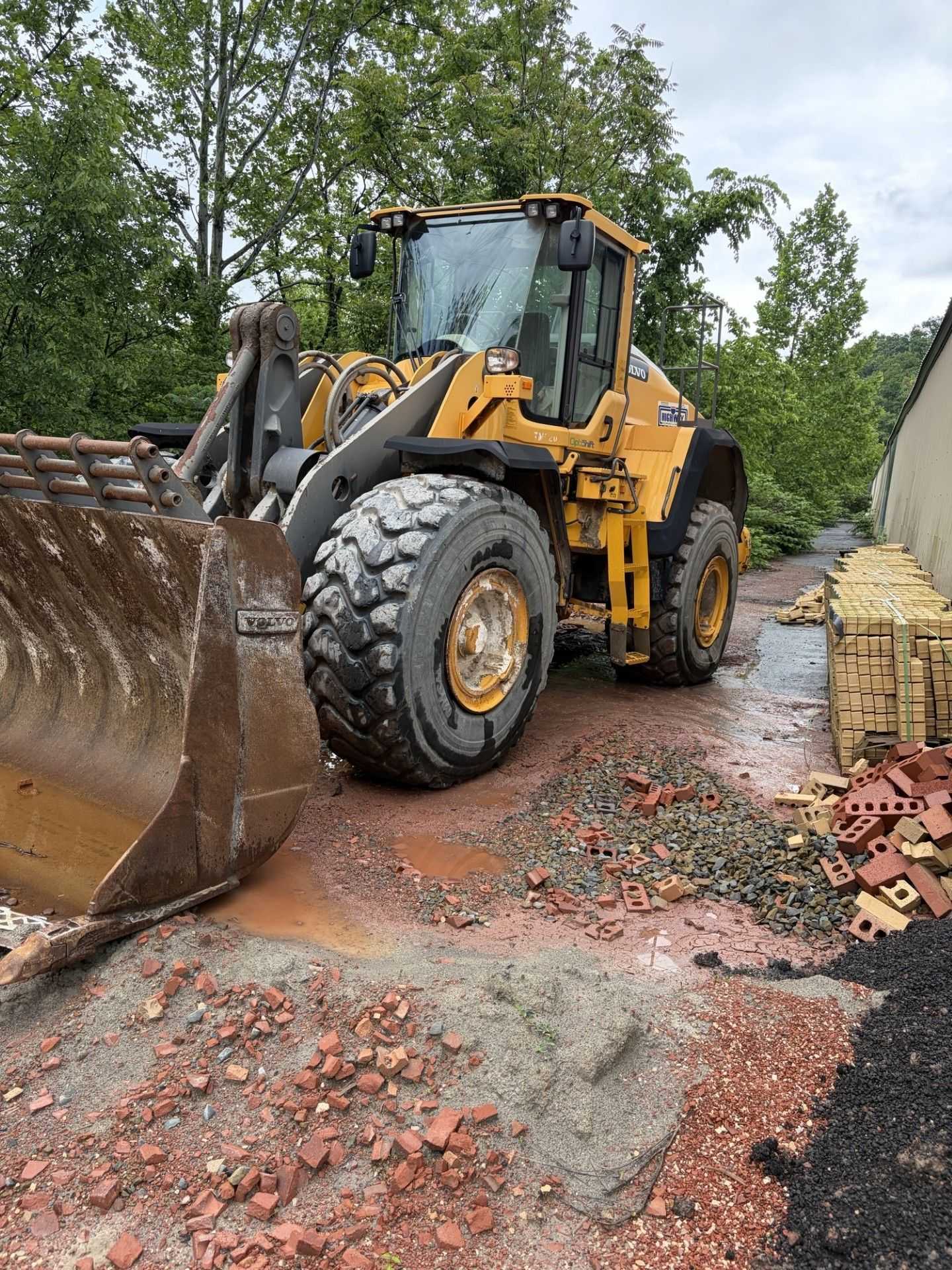
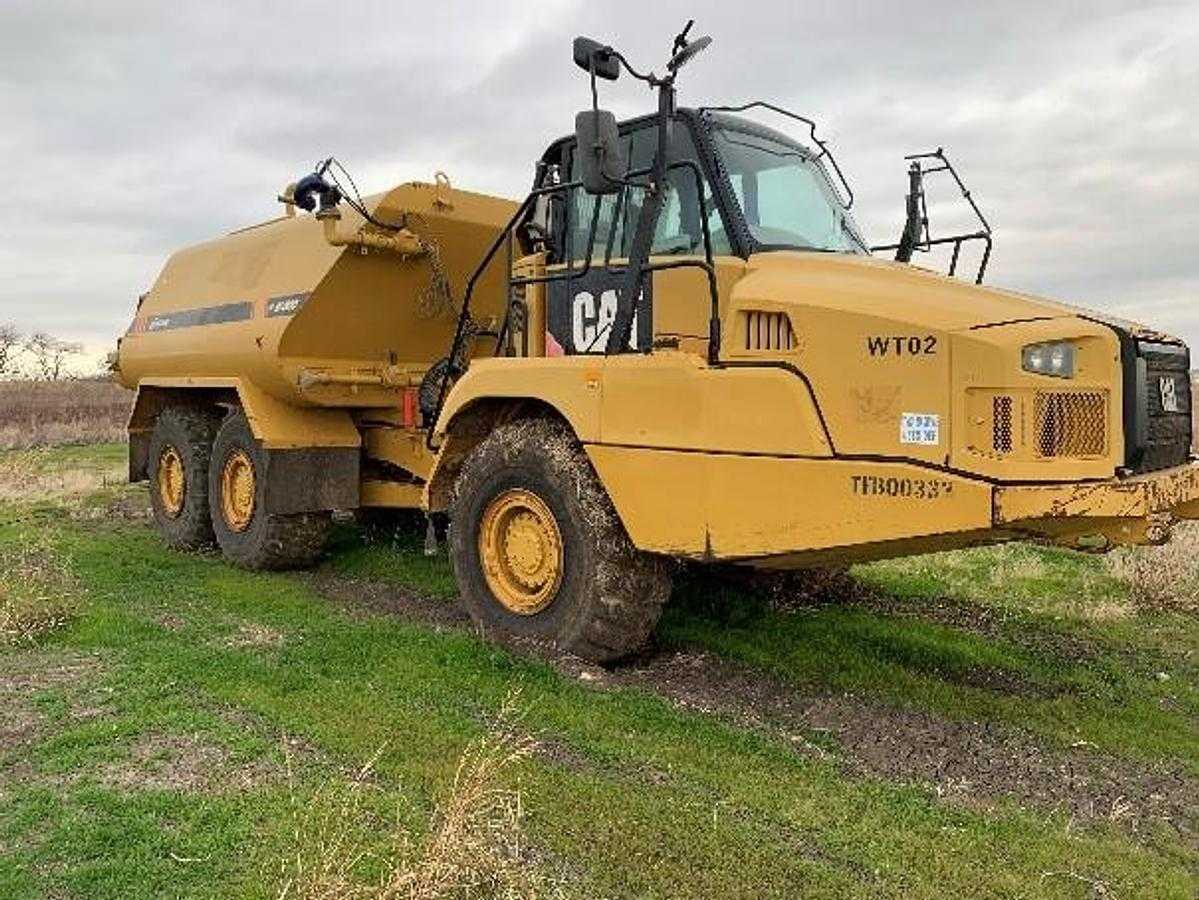
| Attribute | SelectedDYNAPAC CA150D STATIC SMOOTH DRUM ROLLER | DYNAPAC CA150 STATIC SMOOTH DRUM ROLLER | |
|---|---|---|---|
| OEM | DYNAPAC | DYNAPAC | |
| Model | CA150D | CA150 | |
| Year | - | - | |
| Drum Width | 66 '' | 66 '' | |
| Centrifugal Force | 33721 lb-ft | 25628 lb-ft | |
| Similarity | — | 100% | |
| Auction Value$25,000 - $115,246Retail Value— | Auction Value$25,000 - $115,246Retail Value— | |
| Current Machine | View Details |