Buy Now
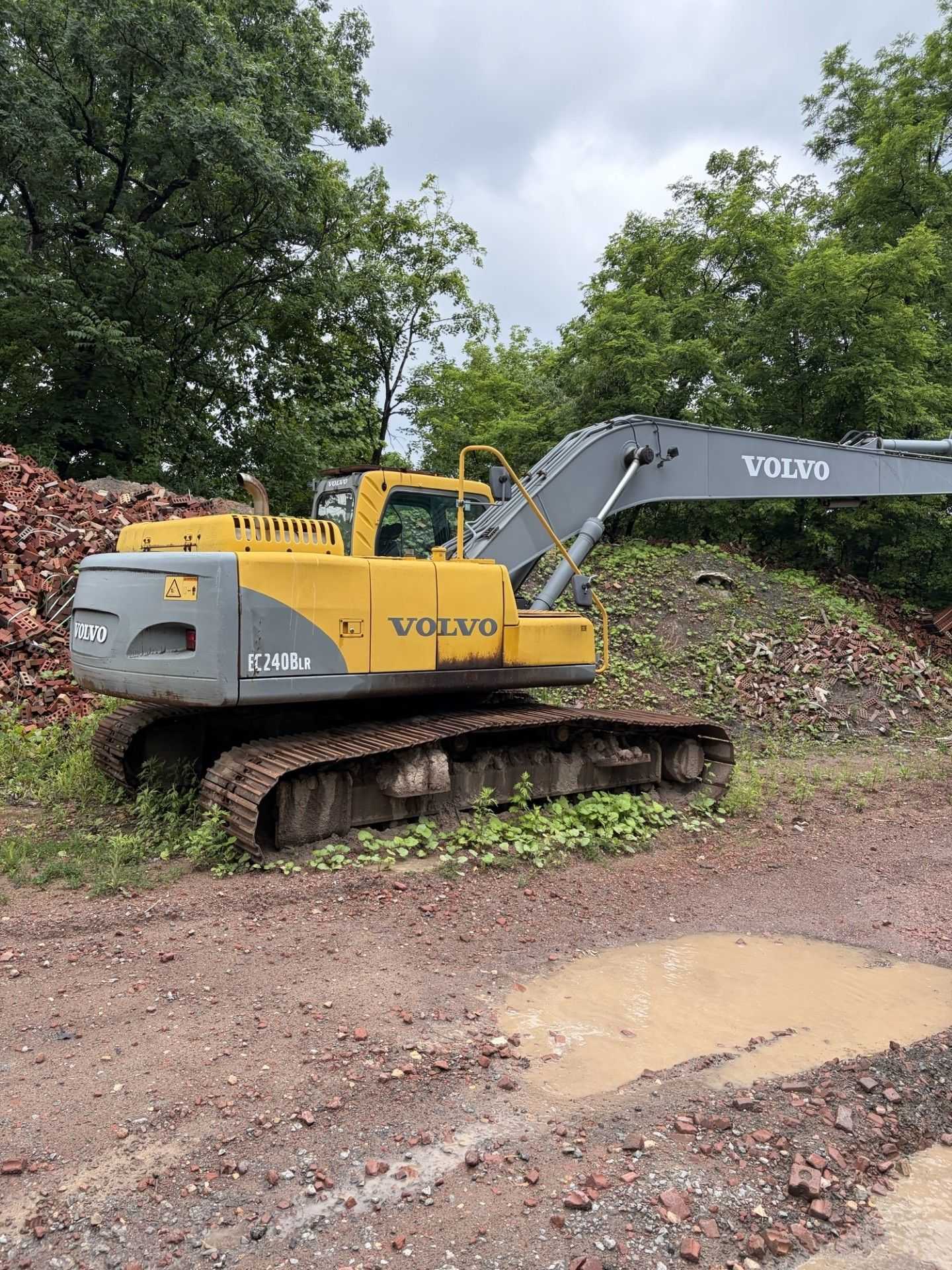
2004 Volvo EC240BLR Long Reach Crawler Excavator, 180HP, 60 ft Reach, Bucket Included
$62,894
$1,042/moPennsylvania
Specifications & Market Value
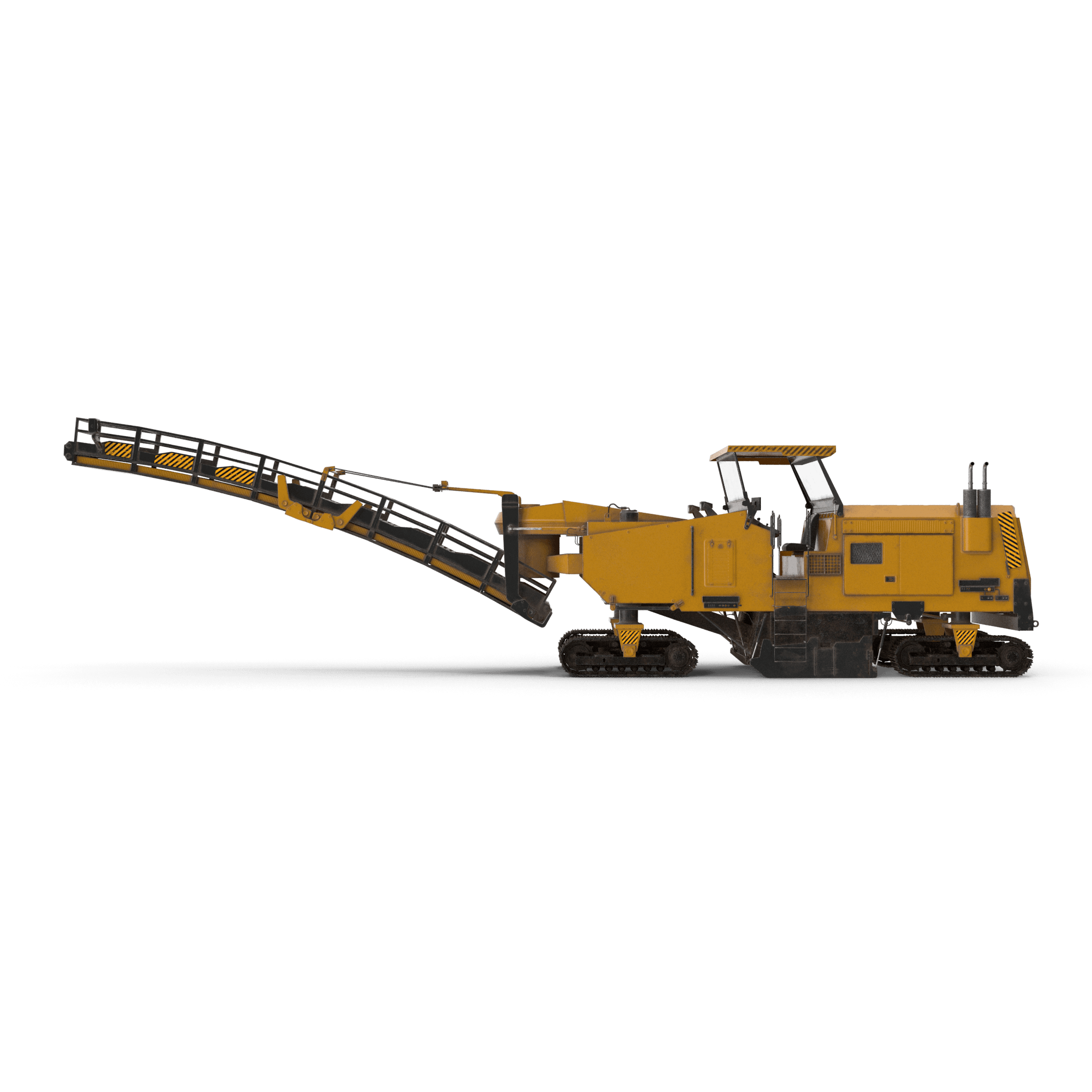
 Reference image
The Dynapac CC102/122/142 is a series of static smooth drum rollers designed specifically for compacting granular soils and asphalt surfaces. These models feature a single steel drum with variable widths of 42, 47, and 51 inches respectively, providing flexibility for different jobsite requirements. The rollers operate with vibration frequencies of 57, 58, and 52 vibrations per minute (vpm) for the CC102, CC122, and CC142 models, enhancing compaction effectiveness by combining static weight and vibratory forces. This vibratory action increases compactive effort, promoting deeper soil or asphalt densification. Built by Dynapac, a recognized manufacturer in compaction equipment, these rollers offer robust performance for road construction and maintenance applications. Their static smooth drum design ensures a uniform finish on surfaces, making them ideal for achieving the final smooth layer on asphalt or granular base courses. These models are typically powered by reliable engines such as Cummins, with suitable lubricants specified for varying ambient temperatures to maintain engine performance and longevity. The Dynapac CC102/122/142 rollers provide a balance of compact size, effective compaction force, and ease of maneuverability. They are widely used in infrastructure projects where smooth, consistent compaction is critical to the durability and quality of paved surfaces. Their vibration frequencies and drum widths cater to different compaction depths and widths, ensuring adaptability across diverse project specifications. Parts and maintenance components are readily available, supporting operational uptime in various field conditions.
Specifications, market trends, and valuation estimates are compiled from manufacturer documentation, historical sales, and industry sources. While care is taken to ensure accuracy, this information is provided for reference purposes only and may contain errors or omissions. Users should independently verify all data before making buying or selling decisions. Valuations do not represent guaranteed transaction prices or binding offers, and Aucto assumes no liability for decisions made using this data.
Spot an error or missing detail? Help us keep our equipment guides accurate for the community.

 A+
A+ Auction Value
$28,556
 Range$10,000 – $38,547
 Sells in ~ 30 days
 Retail Value
—
Sells in ~ 180 days
Item functions as originally intended, shows signs of normal wear. Change the condition to see how it moves both values.
Marketplace

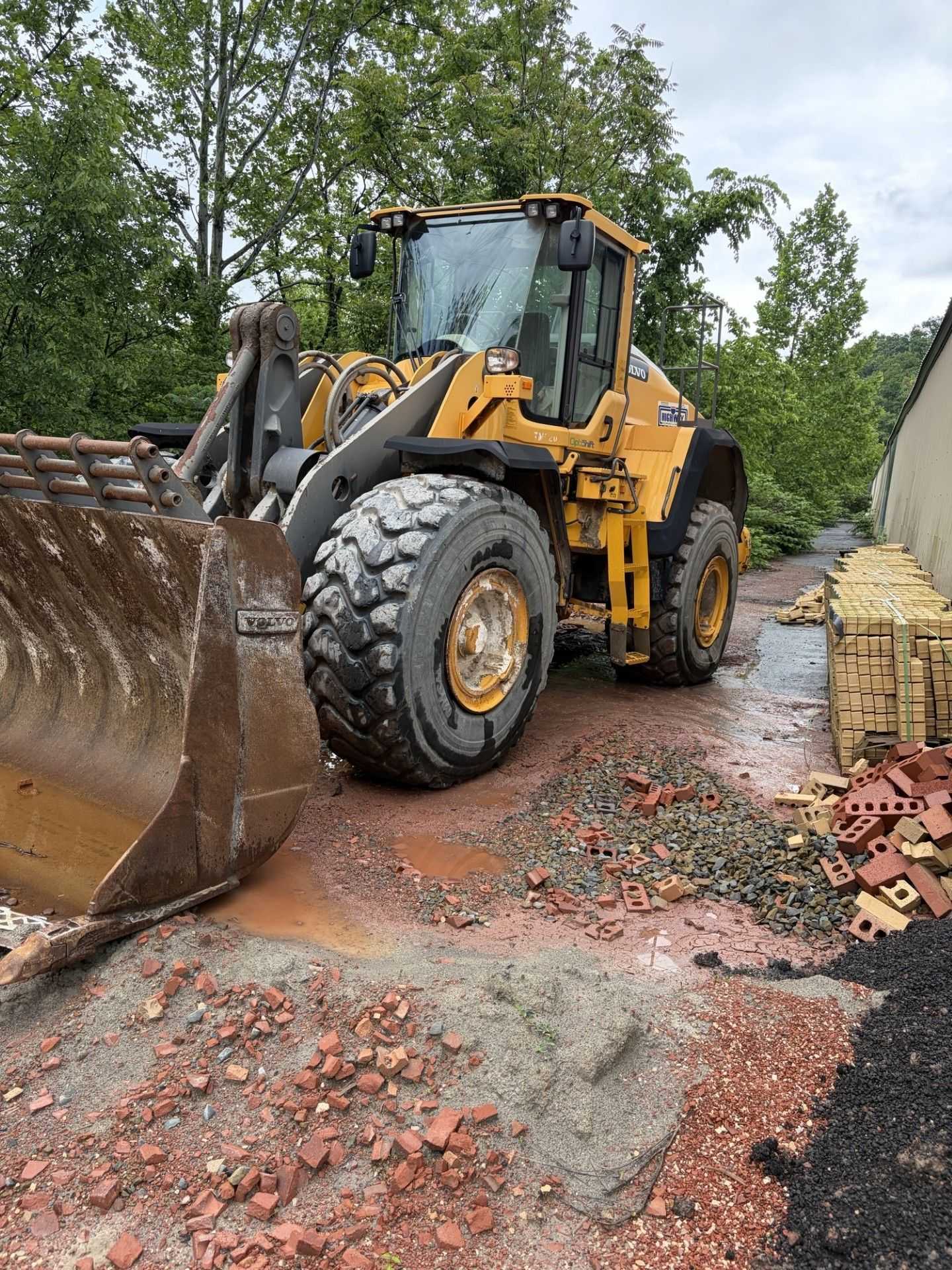
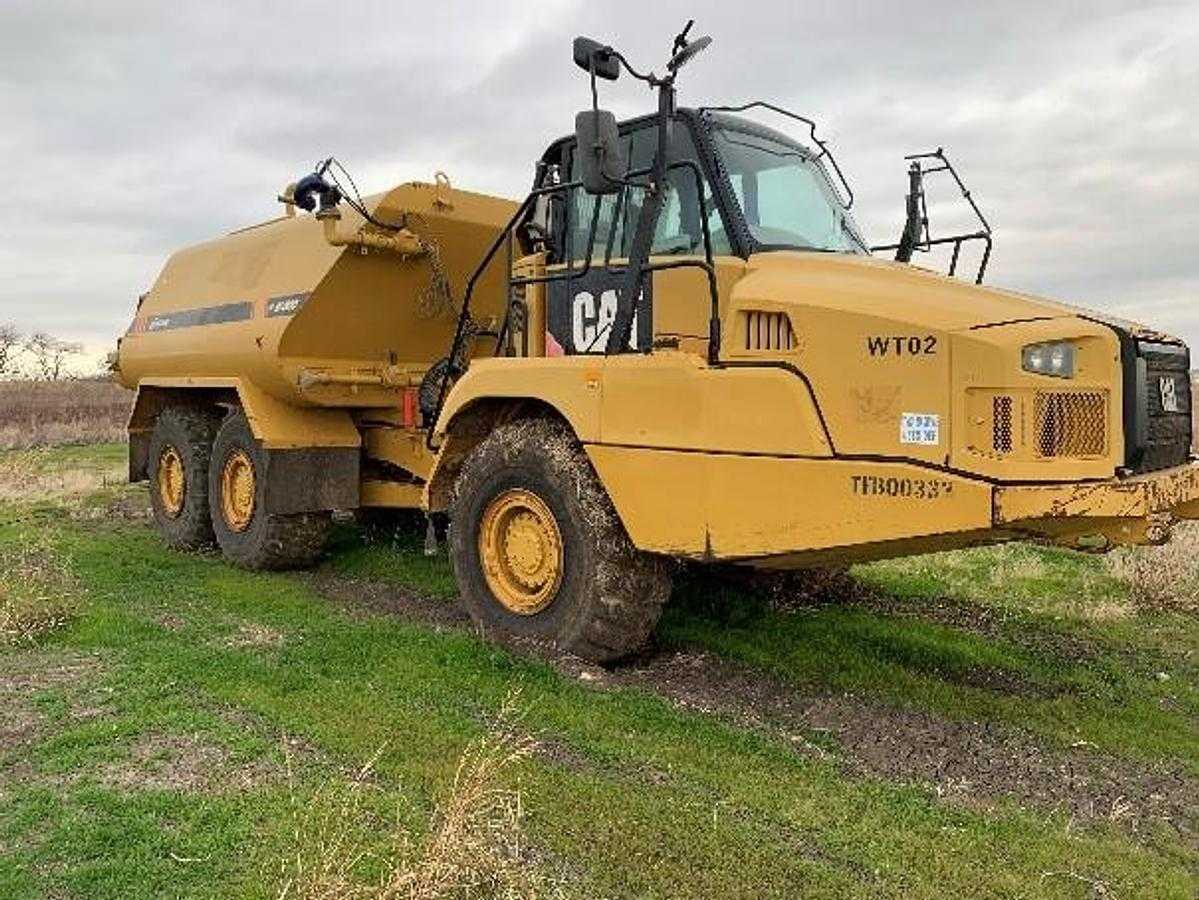
| Attribute | SelectedDYNAPAC CC102/122/142 STATIC SMOOTH DRUM ROLLER | DYNAPAC CC122 STATIC SMOOTH DRUM ROLLER | |
|---|---|---|---|
| OEM | DYNAPAC | DYNAPAC | |
| Model | CC102/122/142 | CC122 | |
| Year | - | - | |
| Drum Width | 42/47/51 | — | |
| Similarity | — | 99% | |
| Auction Value$10,000 - $38,547Retail Value— | Auction Value$10,000 - $38,547Retail Value— | |
| Current Machine | View Details |