Buy Now
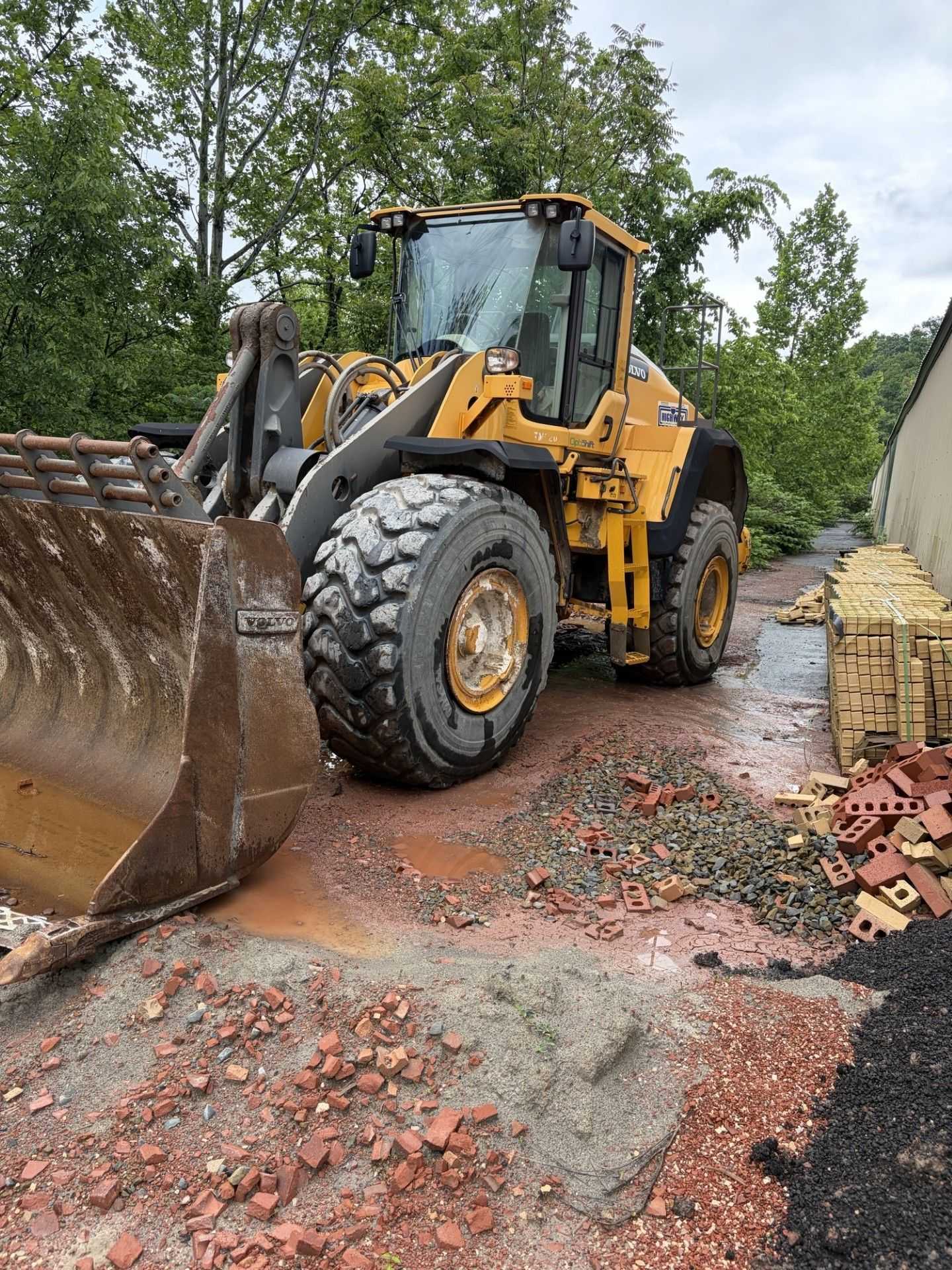
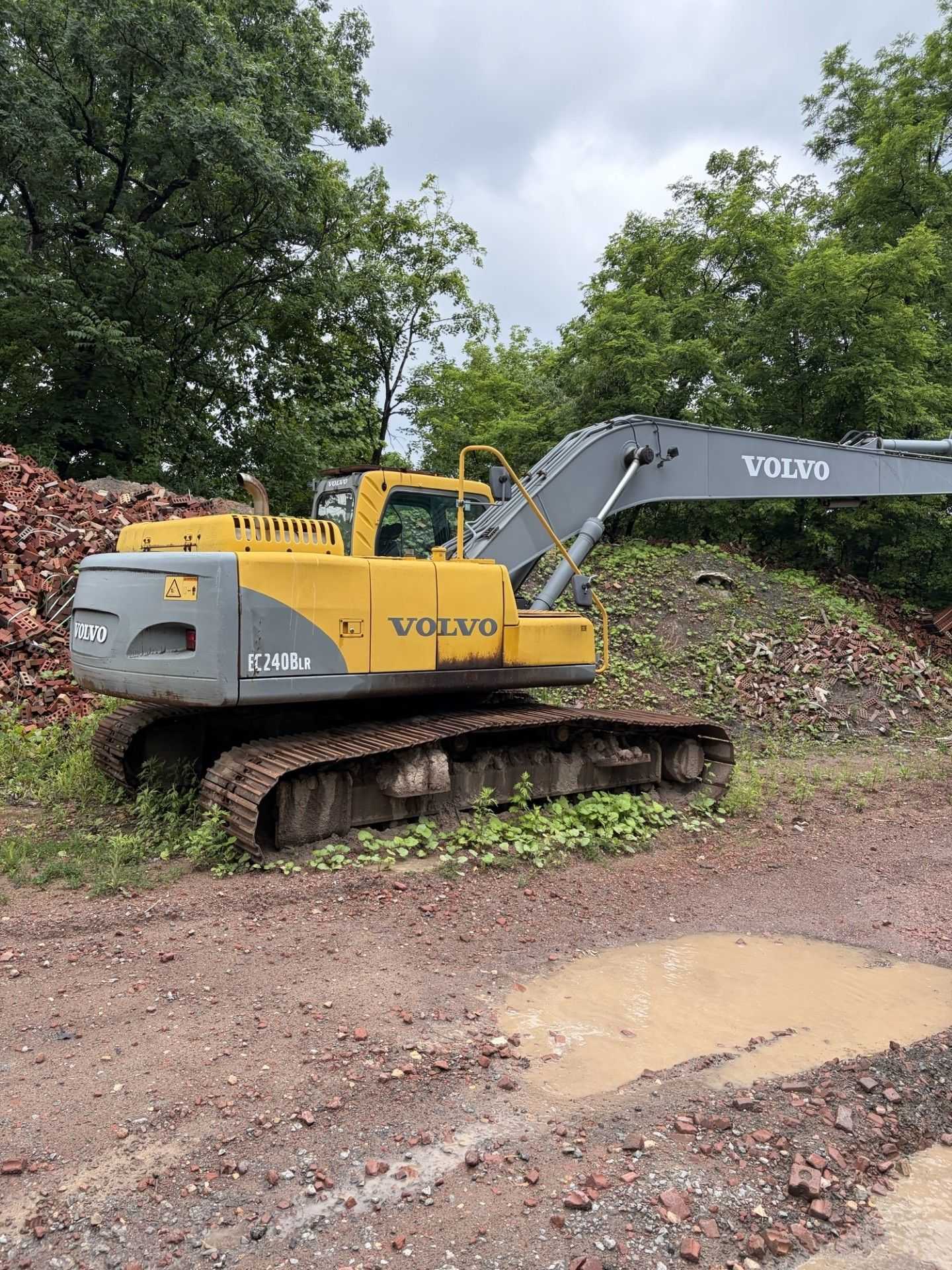
2004 Volvo EC240BLR Long Reach Crawler Excavator, 180HP, 60 ft Reach, Bucket Included
$62,894
$1,042/moPennsylvania
Specifications & Market Value
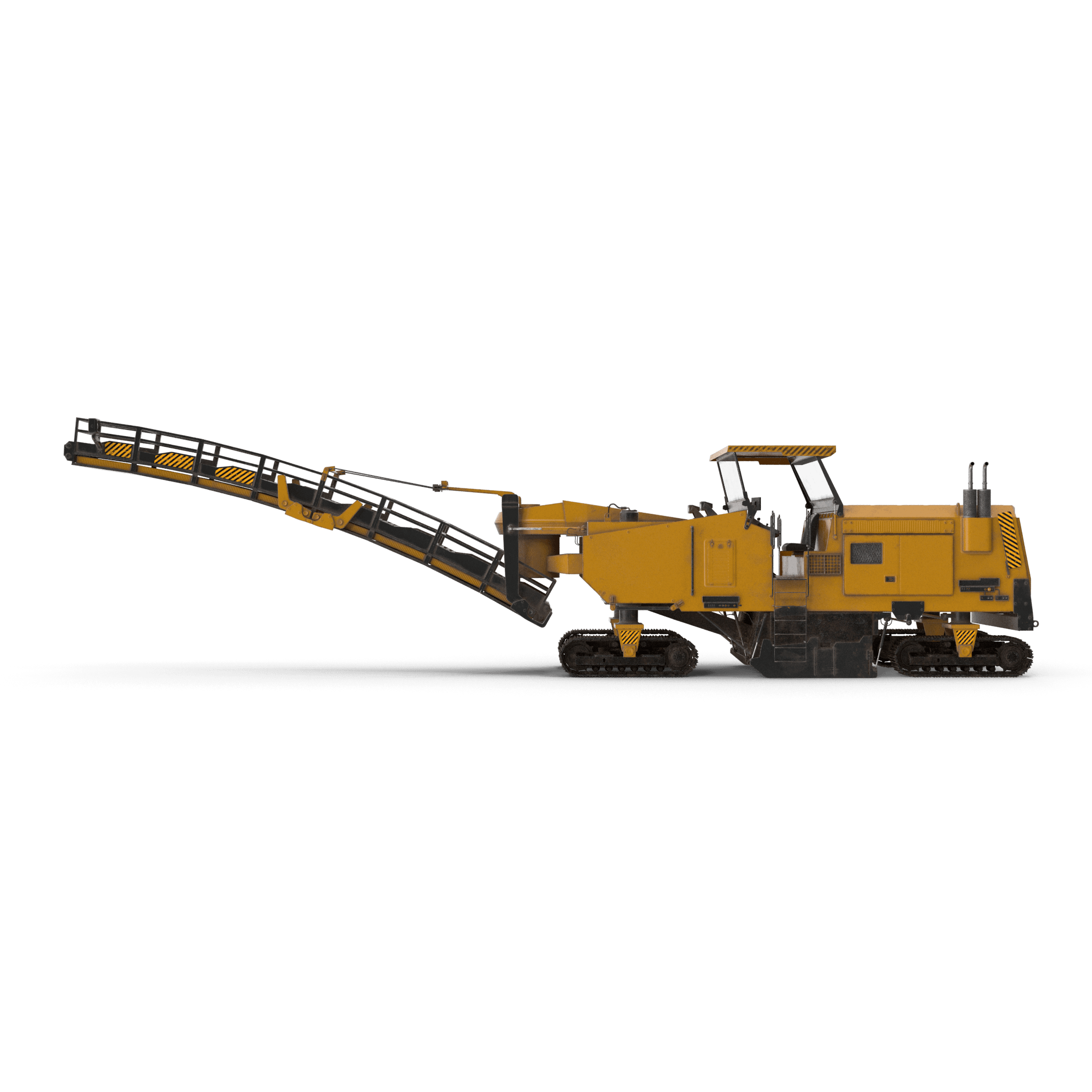
 Reference image
The 2023 Dynapac CC2200 Static Smooth Drum Roller is a high-performance tandem compactor designed for efficient soil and asphalt compaction. It features a 59.1-inch (1.5 m) wide drum with a diameter of 45.3 inches (1.15 m) and 0.8-inch drum shell thickness, providing uniform compaction with a nominal amplitude of 0.7 mm on high and 0.3 mm on low settings. Powered by a water-cooled turbo diesel engine delivering 74 hp @ 2200 rpm, it offers a maximum travel speed of 7.5 mph (12 km/h) and a maximum operating mass of approximately 19,800 lbs (9,000 kg). The roller achieves a theoretical maximum gradeability of 42%, aided by an articulated steering system with a steering angle up to 32°, and vertical oscillation of ±7° that enhances ground contact on uneven surfaces. Standard with Dyn@Link telematics, the CC2200 facilitates real-time machine monitoring, fleet management, and remote diagnostics, improving operational efficiency and reducing downtime. The hydraulic system uses axial piston pumps/motors for dynamic hydrostatic drive control, complemented by failsafe multi-disc brakes on both drums for safety. Its compact dimensions (14.75 ft length, 7.5 ft height without ROPS) ensure maneuverability with an inside turning radius of about 16.7 ft. The machine is engineered for operator comfort and service efficiency, featuring easy access to maintenance points, corrosion-resistant water tanks for drum spray systems, and optional eco-mode for fuel savings of up to 15%. The combination of high-frequency vibration, compact design, precise control, and intelligent documentation systems makes the Dynapac CC2200 a versatile solution for quality compaction in diverse construction environments.
Specifications, market trends, and valuation estimates are compiled from manufacturer documentation, historical sales, and industry sources. While care is taken to ensure accuracy, this information is provided for reference purposes only and may contain errors or omissions. Users should independently verify all data before making buying or selling decisions. Valuations do not represent guaranteed transaction prices or binding offers, and Aucto assumes no liability for decisions made using this data.
Spot an error or missing detail? Help us keep our equipment guides accurate for the community.

 A+
A+ Auction Value
$63,134
 Range$25,000 – $83,668
 Sells in ~ 30 days
 Retail Value
—
Sells in ~ 180 days
Item functions as originally intended, shows signs of normal wear. Change the condition to see how it moves both values.
| Attribute | SelectedDYNAPAC CC2200 STATIC SMOOTH DRUM ROLLER | DYNAPAC CC3800 STATIC SMOOTH DRUM ROLLER | |
|---|---|---|---|
| OEM | DYNAPAC | DYNAPAC | |
| Model | CC2200 | CC3800 | |
| Year | - | - | |
| Drum Width | 59 '' | 68 '' | |
| Centrifugal Force | 17535 lb-ft | 20233 lb-ft | |
| Similarity | — | 99% | |
| Auction Value$25,000 - $83,668Retail Value— | Auction Value$10,000 - $48,795Retail Value— | |
| Current Machine | View Details |
Marketplace