Buy Now
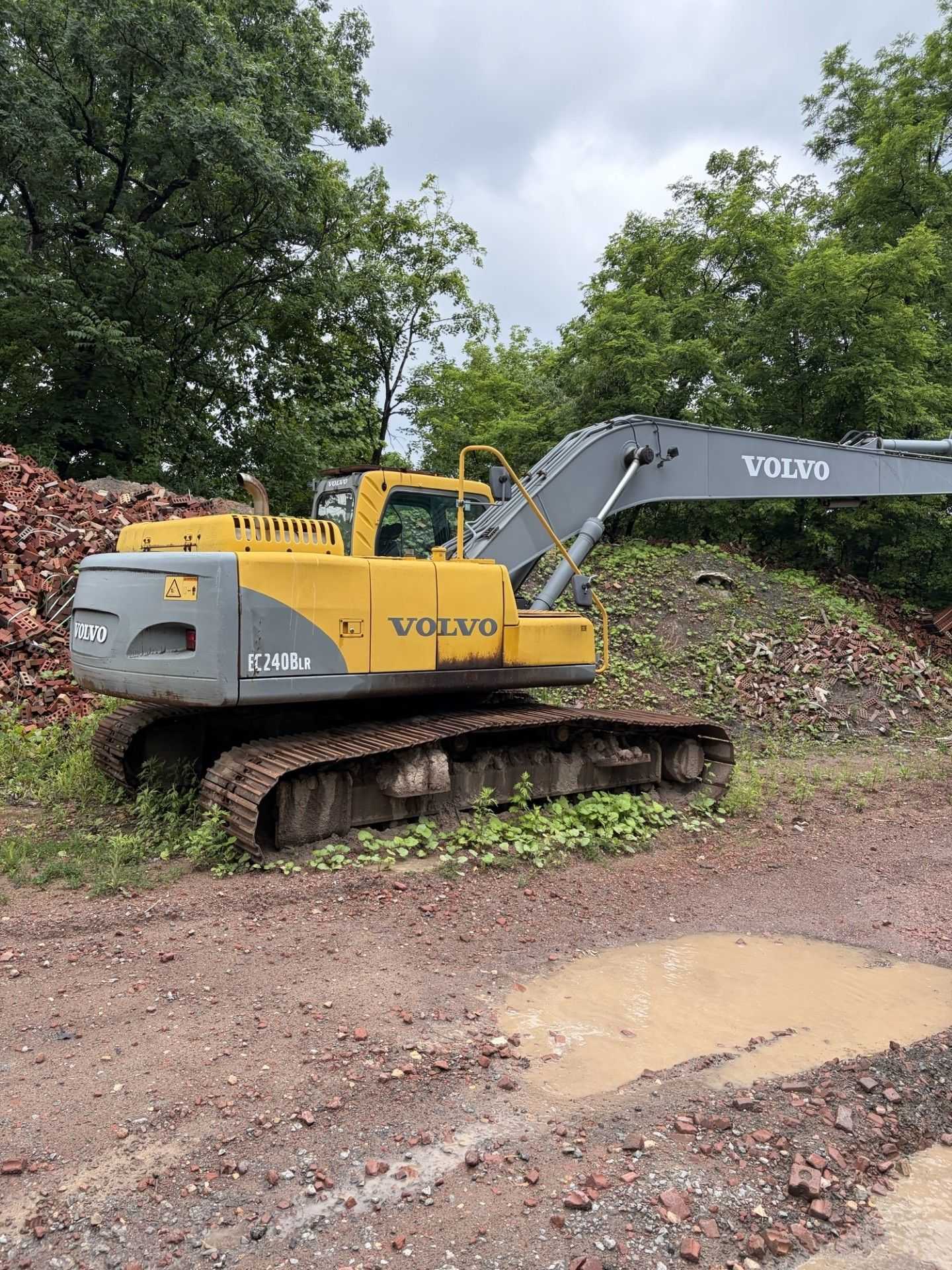
2004 Volvo EC240BLR Long Reach Crawler Excavator, 180HP, 60 ft Reach, Bucket Included
$62,894
$1,042/moPennsylvania
Specifications & Market Value
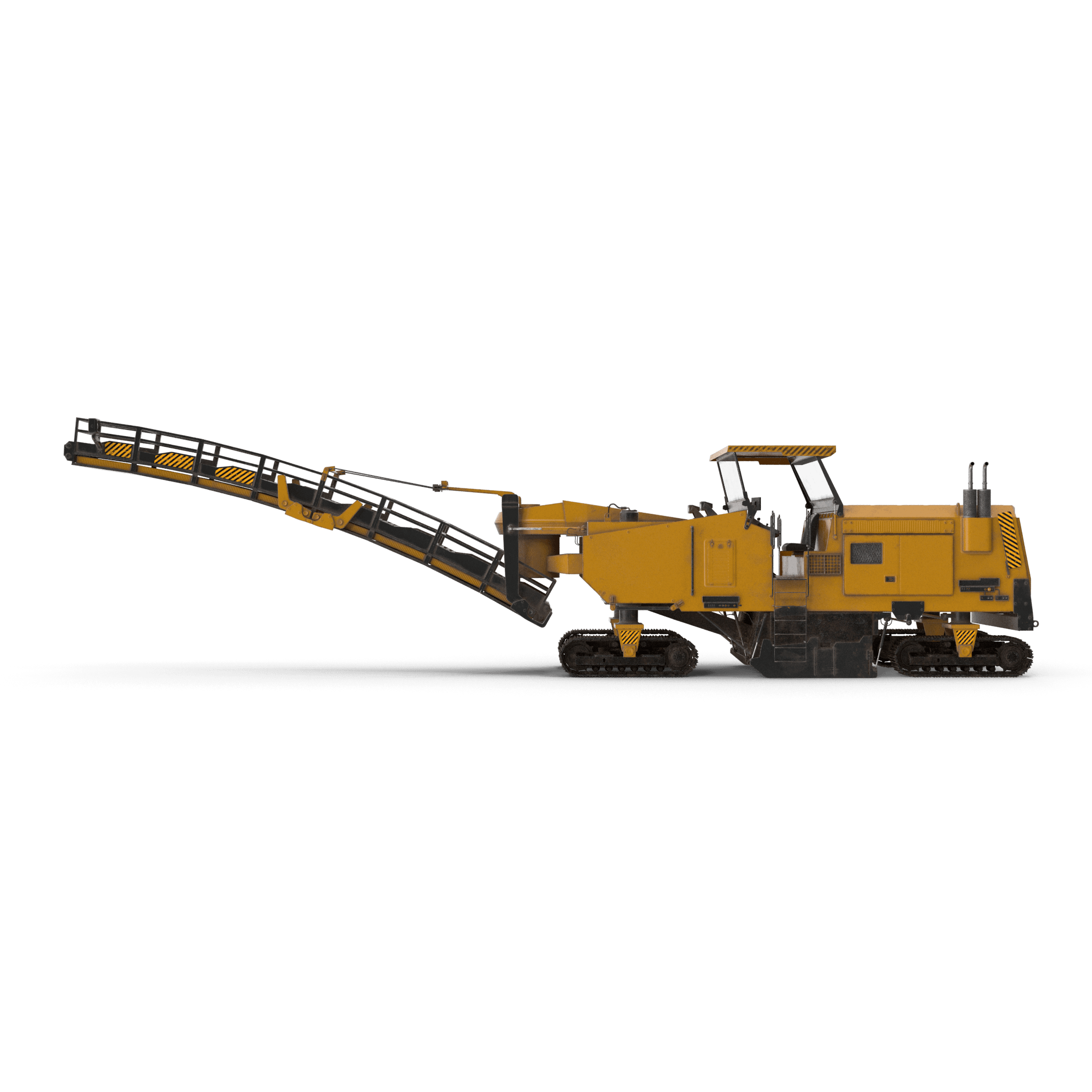
 Reference image
The Dynapac CC722 is a heavy-duty static smooth drum roller designed primarily for large-scale compaction tasks. It features a powerful Cummins QSB 6.7 turbocharged water-cooled diesel engine with aftercooler, delivering 228 hp at 2100 rpm. The machine’s operating weight is approximately 36,983 lbs (16,780 kg with ROPS), making it one of the heaviest serially produced tandem rollers globally. The CC722 has a drum diameter of 60.2 inches and a 96-inch operating width, enabling effective ground coverage. Its compaction system offers a high centrifugal force of 48,334 lbs and a low setting of 22,930.6 lbs, both operating at a vibration frequency of 48 vibrations per minute (vpm) and a nominal amplitude of 0.1 inches. The roller supports a maximum speed of 6.9 mph and has a fuel capacity of 88.5 gallons, suitable for extended operation periods. Dimensionally, the machine provides a ground clearance of 15.8 inches, a cab height of 11.3 feet, an overall length of approximately 18.6 feet, and a wheelbase of 12.4 feet, offering robust stability and operator visibility. The CC722 employs a hydrostatic service brake for forward and reverse motions and a failsafe multidisc parking brake integrated into the drums for safety. The roller's oscillation capability supports vertical movement to adapt to surface contours, enhancing compaction uniformity and machine control on slopes up to 30%. Its hydraulic system includes axial piston pumps with variable and constant displacement, powering both the drivetrain and vibration functions effectively. Overall, the Dynapac CC722 is engineered for demanding compaction applications, combining high power, efficient vibration, and operator comfort.
Specifications, market trends, and valuation estimates are compiled from manufacturer documentation, historical sales, and industry sources. While care is taken to ensure accuracy, this information is provided for reference purposes only and may contain errors or omissions. Users should independently verify all data before making buying or selling decisions. Valuations do not represent guaranteed transaction prices or binding offers, and Aucto assumes no liability for decisions made using this data.
Spot an error or missing detail? Help us keep our equipment guides accurate for the community.

 A+
A+ Auction Value
$26,250
 Range$10,000 – $35,000
 Sells in ~ 30 days
 Retail Value
—
Sells in ~ 180 days
Item functions as originally intended, shows signs of normal wear. Change the condition to see how it moves both values.
| Attribute | SelectedDYNAPAC CC722 STATIC SMOOTH DRUM ROLLER | DYNAPAC CC6200 STATIC SMOOTH DRUM ROLLER | |
|---|---|---|---|
| OEM | DYNAPAC | DYNAPAC | |
| Model | CC722 | CC6200 | |
| Year | - | - | |
| Drum Width | 96 '' | 84 '' | |
| Centrifugal Force | 48334 lb-ft | 37318 lb-ft | |
| Similarity | — | 99% | |
| Auction Value$10,000 - $35,000Retail Value— | Auction Value$5,000 - $28,900Retail Value— | |
| Current Machine | View Details |
Marketplace