Buy Now
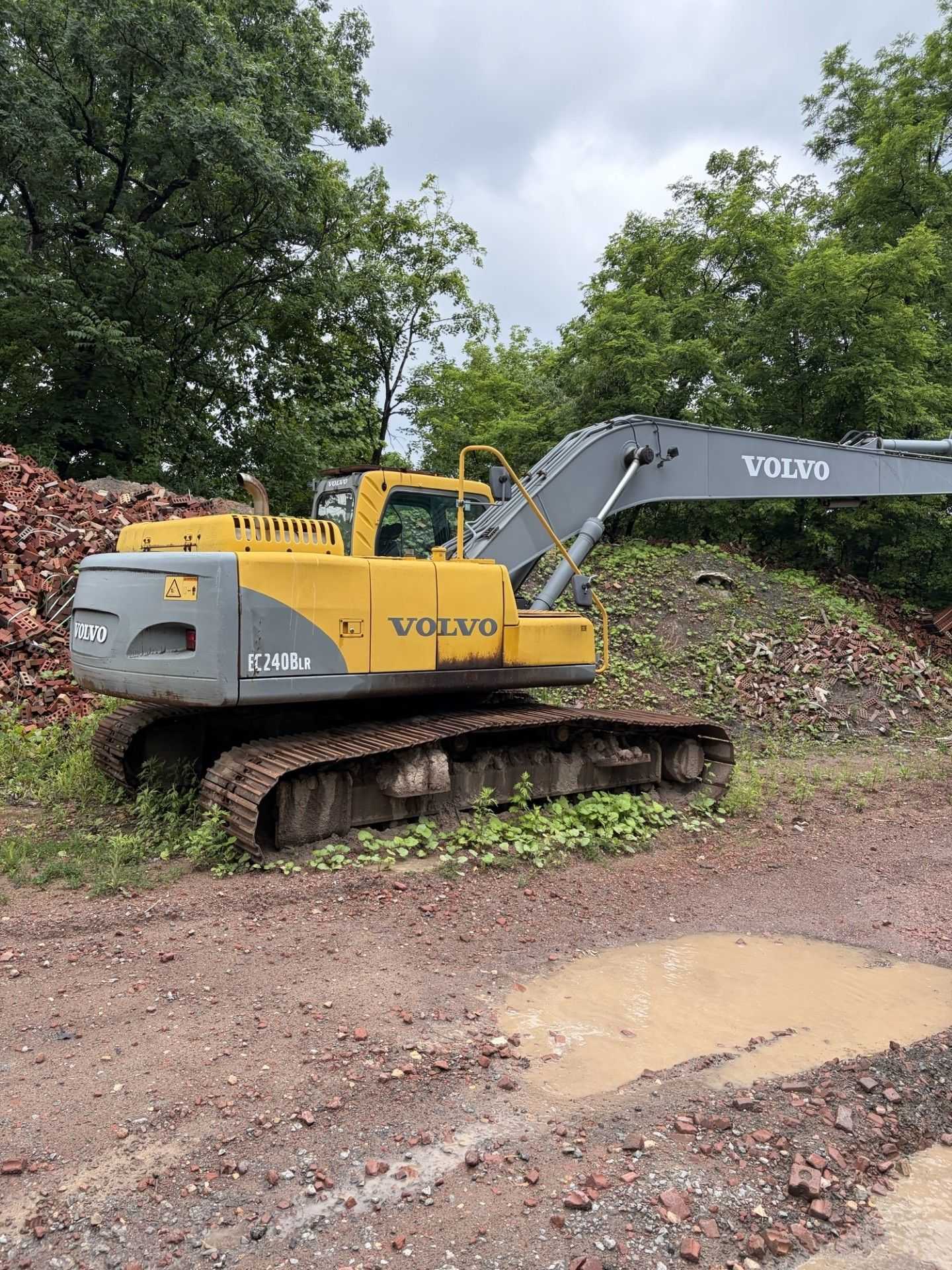
2004 Volvo EC240BLR Long Reach Crawler Excavator, 180HP, 60 ft Reach, Bucket Included
$62,894
$1,042/moPennsylvania
Specifications & Market Value
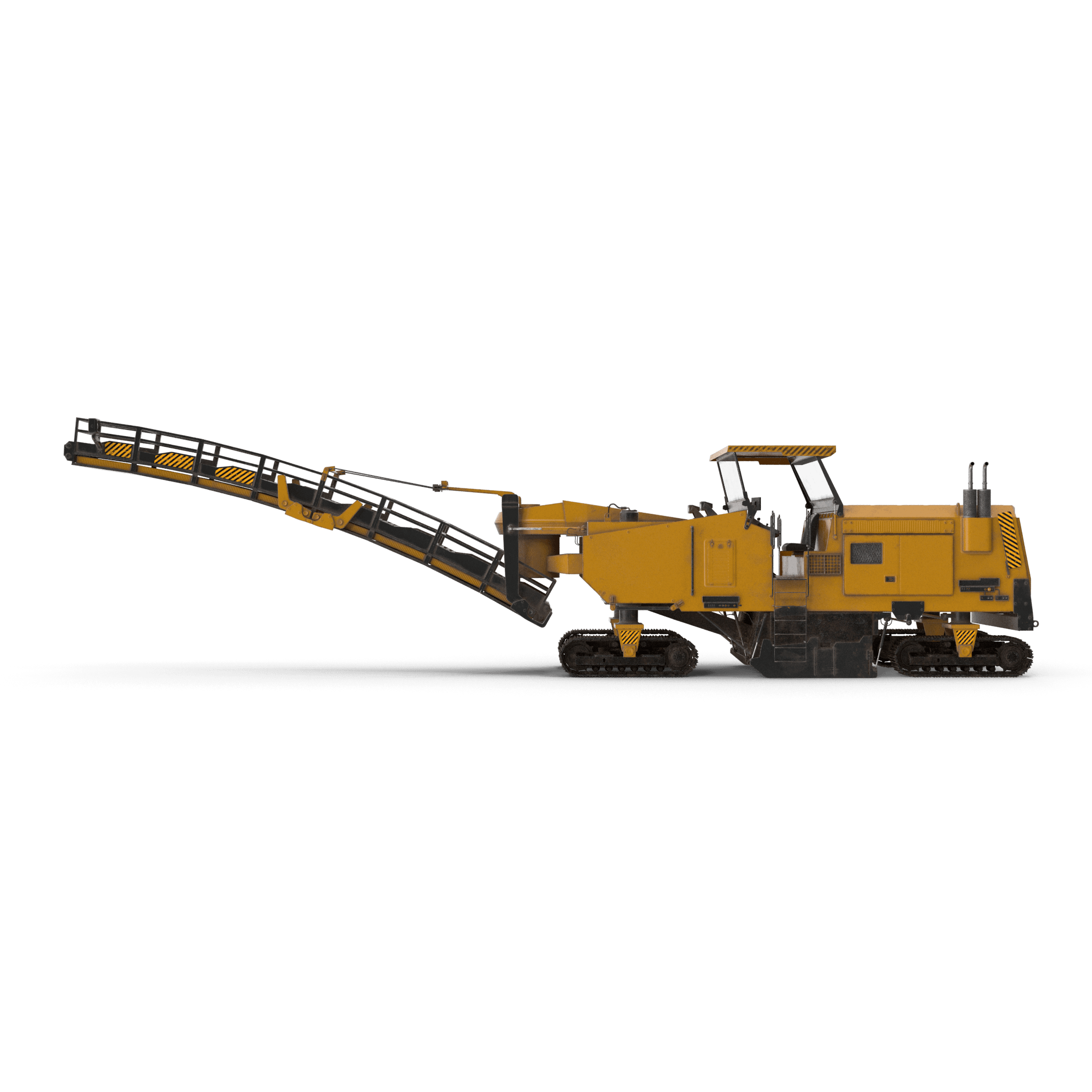
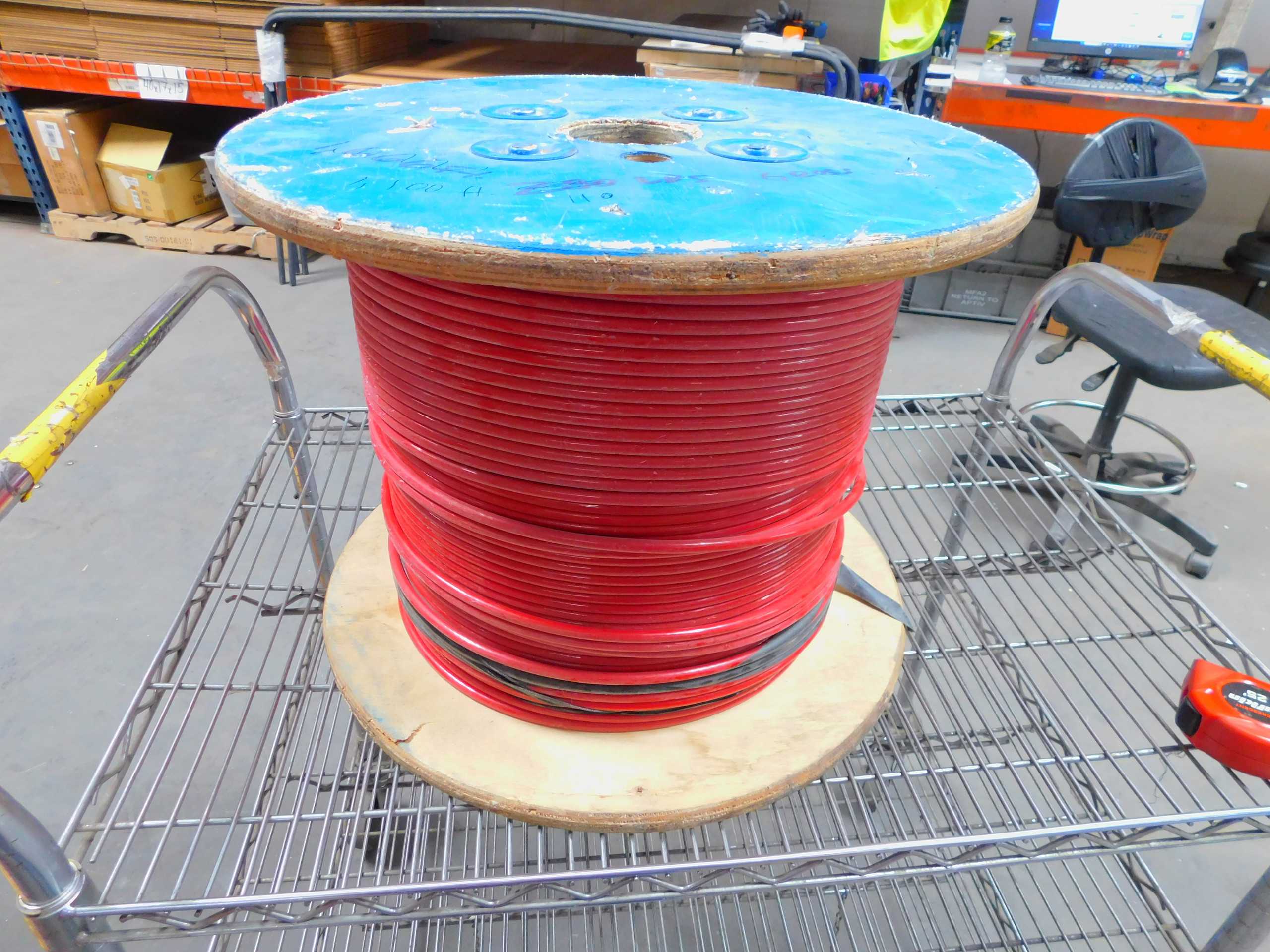
 Reference image
The FTS SYSTEM SF-1A Static Smooth Drum Roller operates on a 120-volt, 60 Hz electrical power supply with a 5-amp draw, making it suitable for standard industrial and construction site power sources. It is engineered for effective static compaction, featuring an initial pressure of 1270 psig and a maintained static pressure of 75 psig, ensuring consistent and reliable soil or asphalt compaction without the use of vibration. This roller is designed to deliver a smooth finish on surfaces by applying uniform pressure through its smooth steel drum, optimizing density and surface evenness. Its static compaction approach is ideal for applications requiring minimal disturbance of the substrate or surface finish, such as asphalt finishing, granular soil compaction, and situations where vibratory roller use is restricted. The unit’s electrical operation simplifies maintenance and reduces emissions compared to diesel-powered alternatives, aligning with eco-conscious construction practices. While emphasizing static compaction, the SF-1A is suitable for project environments demanding steady pressure application and controlled compaction without the additional forces of vibration, thereby protecting delicate sub-surfaces or finished layers from damage. Overall, the SF-1A Static Smooth Drum Roller represents a compact, electrically powered solution for producing dense, smooth, and consistent compaction results across varied construction and paving tasks.
Specifications, market trends, and valuation estimates are compiled from manufacturer documentation, historical sales, and industry sources. While care is taken to ensure accuracy, this information is provided for reference purposes only and may contain errors or omissions. Users should independently verify all data before making buying or selling decisions. Valuations do not represent guaranteed transaction prices or binding offers, and Aucto assumes no liability for decisions made using this data.
Spot an error or missing detail? Help us keep our equipment guides accurate for the community.

 A+
A+ Auction Value
$56,725
 Range$20,000 – $76,500
 Sells in ~ 30 days
 Retail Value
—
Sells in ~ 180 days
Item functions as originally intended, shows signs of normal wear. Change the condition to see how it moves both values.
Marketplace

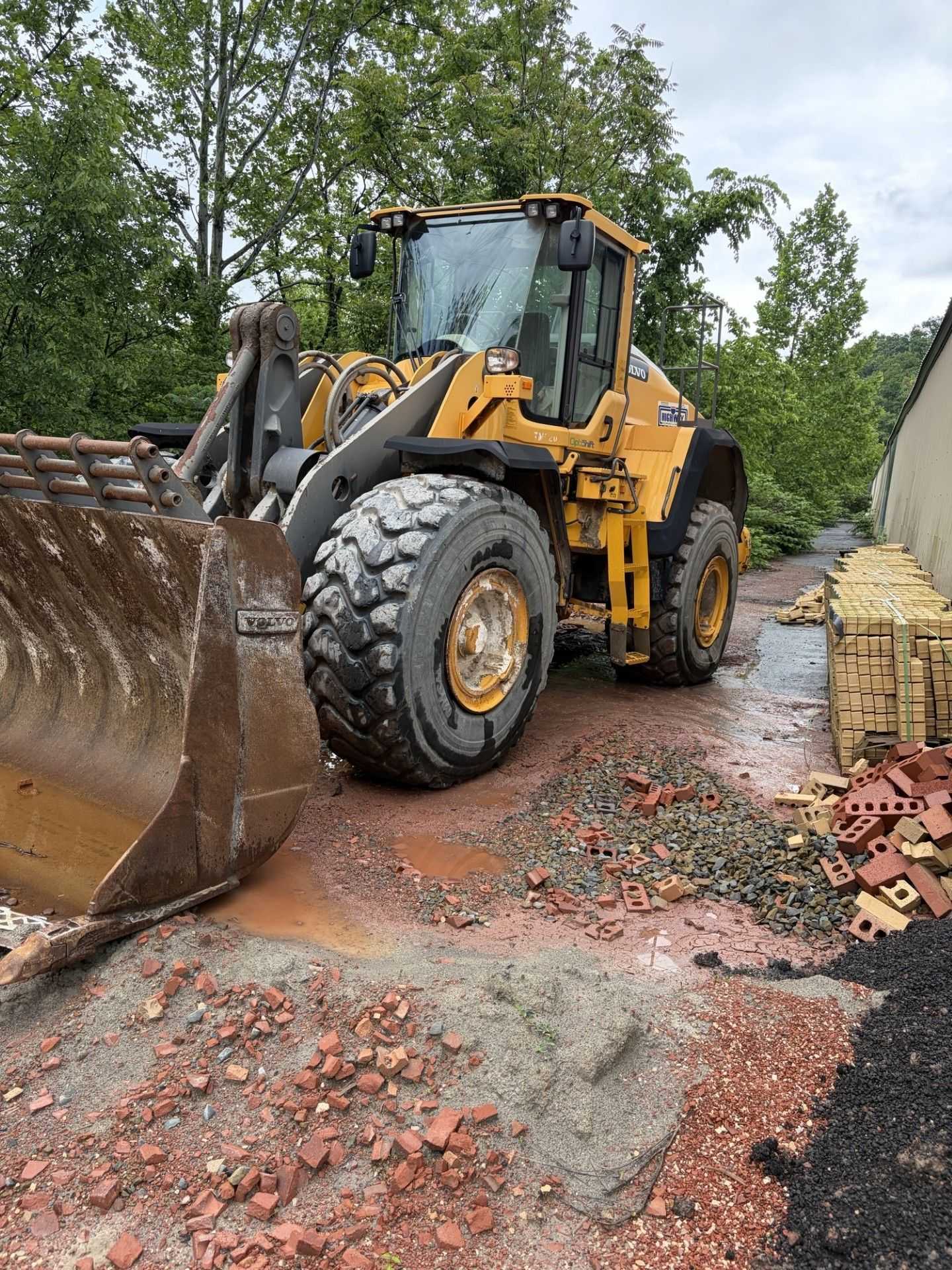
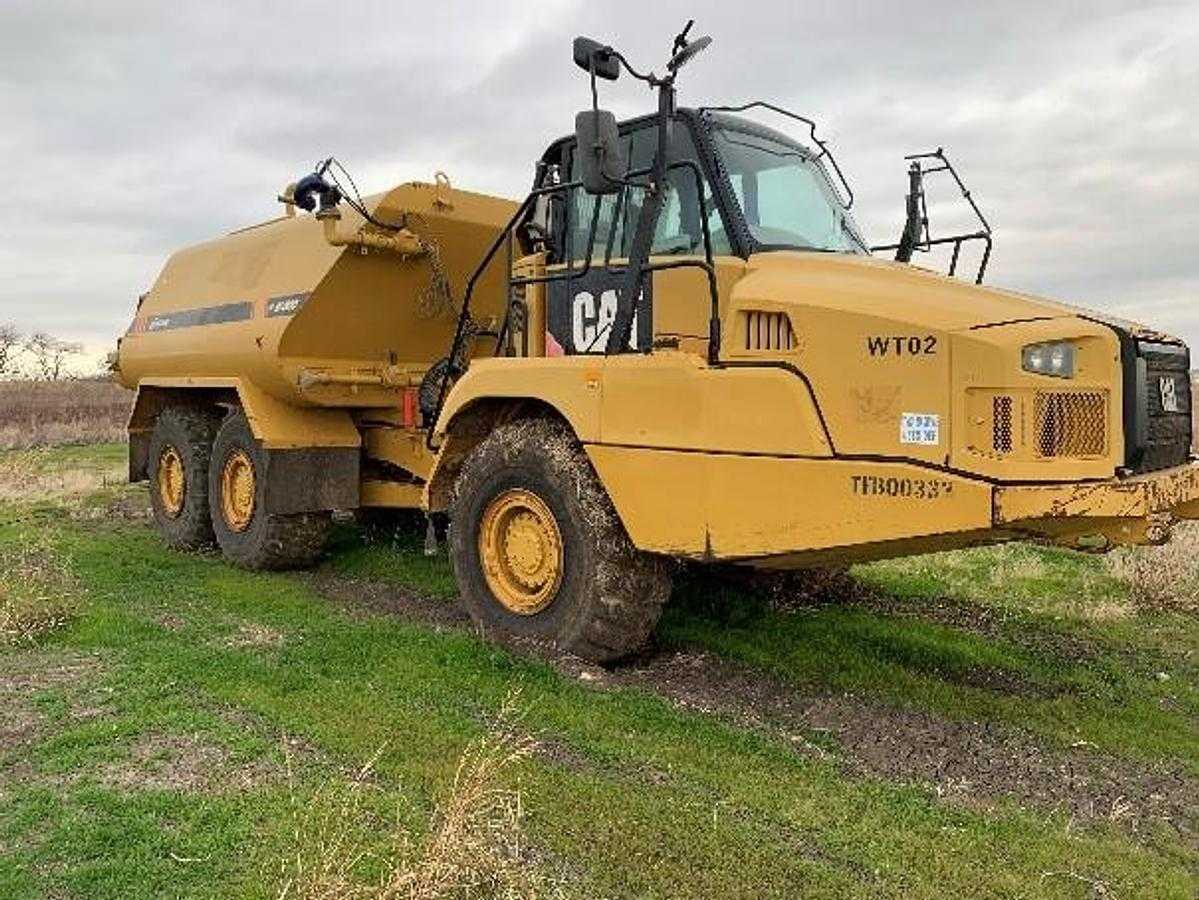
| Attribute | SelectedFTS SYSTEM SF-1A STATIC SMOOTH DRUM ROLLER | INGERSOLL RAND SD-116F TF SERIES STATIC SMOOTH DRUM ROLLER | |
|---|---|---|---|
| OEM | FTS SYSTEM | INGERSOLL RAND | |
| Model | SF-1A | SD-116F TF SERIES | |
| Year | - | - | |
| Similarity | — | 96% | |
| Auction Value$20,000 - $76,500Retail Value— | Auction Value$5,000 - $25,040Retail Value— | |
| Current Machine | View Details |