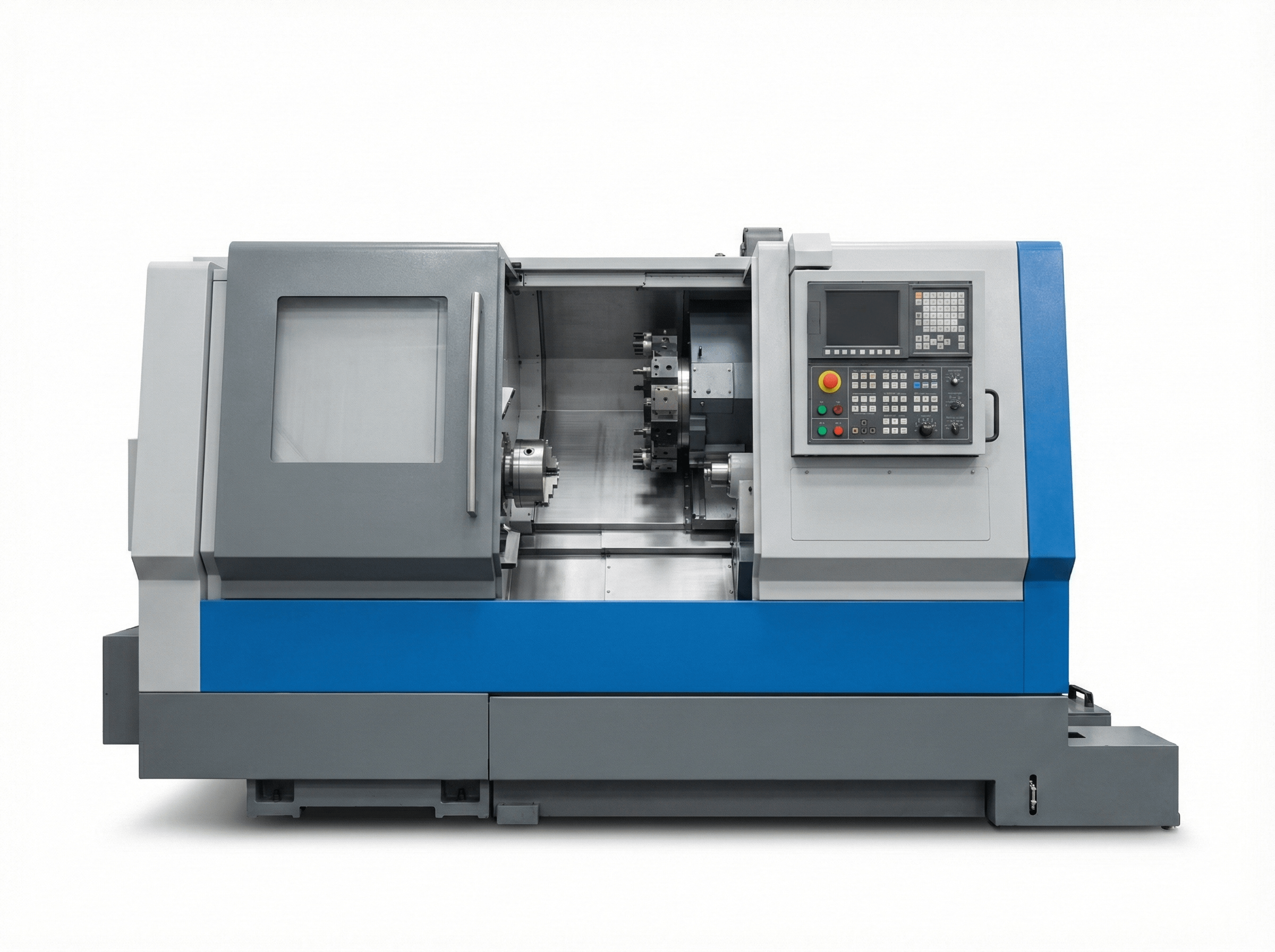
FOLLOW CNC620-3000 CNC LATHE
FOLLOW · CNC620-3000
Specifications & Market Value
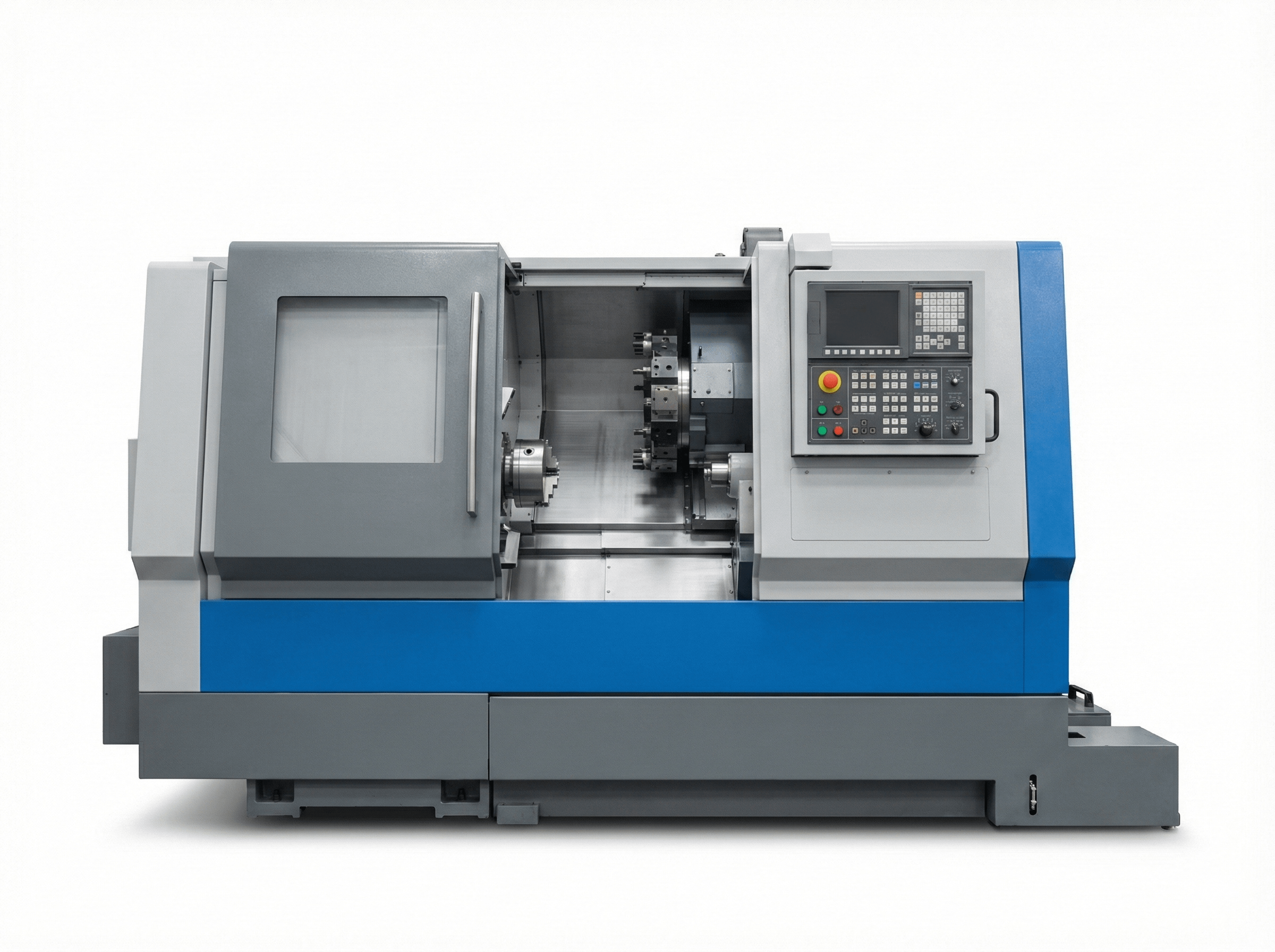
 Reference image
The CK6132 2-axis flat bed CNC lathe is a precision horizontal turning center designed for high-volume production of components with simple to moderate geometries. This machine operates on two linear axes—X and Z—where the X-axis controls diameter by moving the tool radially, while the Z-axis governs length along the workpiece. The system features an 11 kW spindle motor with a maximum speed of 1,400 RPM, suitable for heavy-duty cutting operations on larger workpieces. With a maximum swing diameter of 25.6 inches over the bed and a generous 59-inch machining length, this lathe accommodates components up to 25.6 inches in diameter. The machine incorporates a precision ballscrew drive system with servo motors for both X and Z axes, delivering rapid traverse rates and exceptional repeatability accuracy of ±0.005 inches. Control is managed by a FANUC 32I-A CNC system with ISO code programming, keyboard input, and RS232 communication interface, complete with power-off protection and self-diagnosis functions. The integrated tailstock provides additional support for longer workpieces, enhancing rigidity during turning operations. Multiple tool rest configurations—four-station, six-station, vertical, or horizontal—are available to accommodate various production requirements. Precision end-tooth plate positioning ensures consistent tool alignment and repeat positioning accuracy. This robust design makes the machine ideal for cell manufacturing environments where gang tooling and high rigidity are essential for consistent, repeatable results across production runs.
Specifications, market trends, and valuation estimates are compiled from manufacturer documentation, historical sales, and industry sources. While care is taken to ensure accuracy, this information is provided for reference purposes only and may contain errors or omissions. Users should independently verify all data before making buying or selling decisions. Valuations do not represent guaranteed transaction prices or binding offers, and Aucto assumes no liability for decisions made using this data.
Spot an error or missing detail? Help us keep our equipment guides accurate for the community.

 A+
A+ Auction Value
$38,763
 Range$10,000 – $54,250
 Sells in ~ 30 days
 Retail Value
—
Sells in ~ 180 days
Item functions as originally intended, shows signs of normal wear. Change the condition to see how it moves both values.
Market Intelligence
FOLLOW · CNC620-3000
FOLLOW · CNC620-1500
HWACHEON · VT 450 2SP
JINAN FIRST · MJ-630MC/1335
PINACHO · ST-285/3000
JINAN FIRST · MJ-630MC/635
WEILER · E60/2000
OMG · CNC 300