Hitachi Seiki HG-500II HORIZONTAL MACHINING CENTER
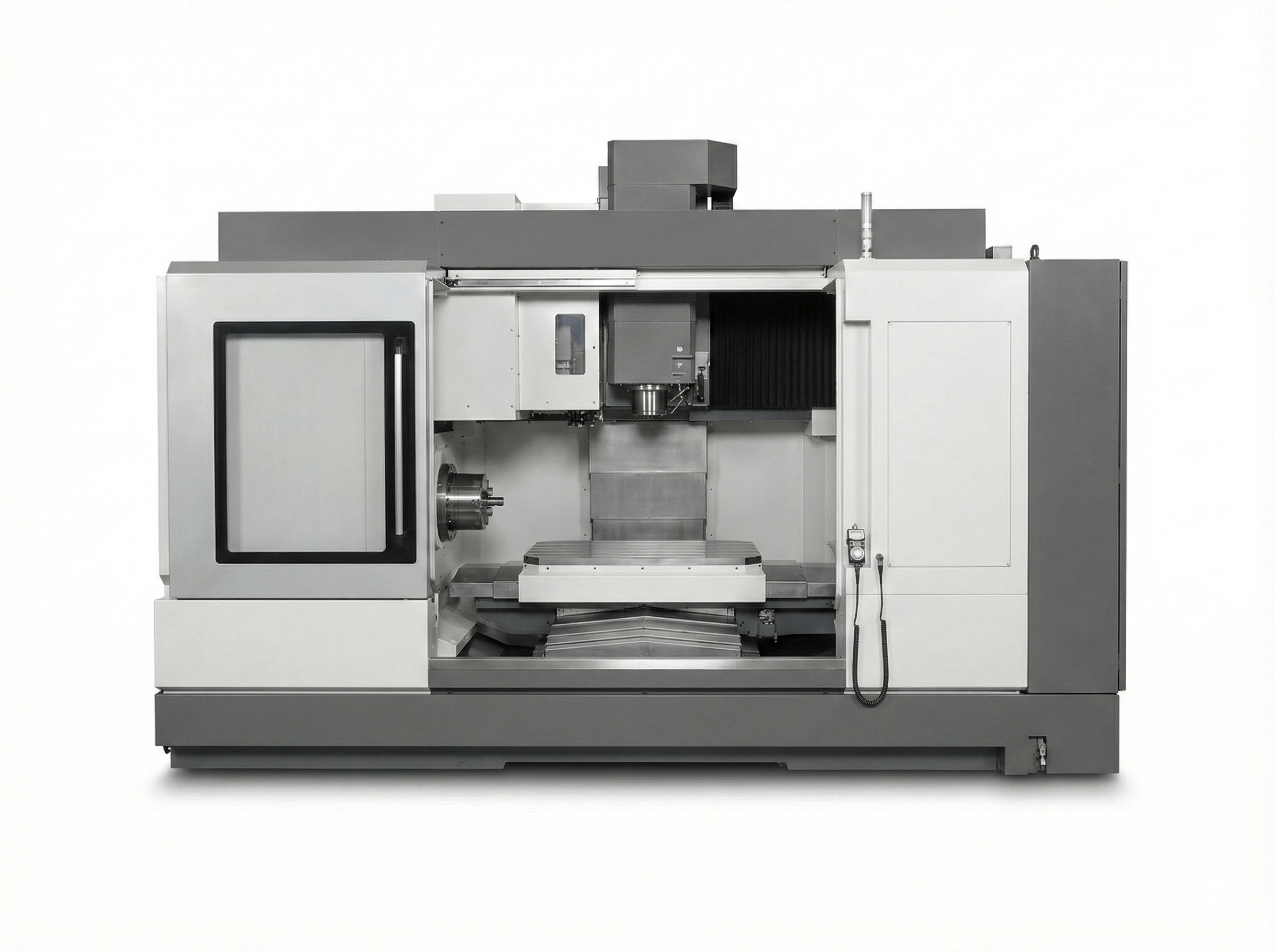
Equipment Overview
Share Link- OEM
- HITACHI-SEIKI
- Model
- HG-500II
- Year of Manufacture
- -
- Category
- HORIZONTAL MACHINING CENTERS
Market Value Calculator
A+Technical Description
The Hitachi Seiki HG-500II is a robust horizontal machining center engineered for high-precision production environments. With an approximate shipping weight of 25,000 lbs and dimensions of 190" L x 122" W x 108" H, this machine is built for stability and durability. It features dual 20" x 20" pallets, each capable of supporting up to 1,800 lbs, enabling efficient workpiece handling and reduced downtime. The machine offers X-axis travel of 28", Y-axis travel of 27", and Z-axis travel of 24", providing ample workspace for a wide range of machining tasks. Rapid traverse rates reach 900 IPM across all axes, while cutting feed rates are adjustable from 0.1 to 500 IPM, ensuring both speed and precision. The spindle utilizes a CAT 50 taper and achieves a maximum speed of 6,000 RPM, powered by a 30 HP motor for demanding cutting operations. Tool management is streamlined with a 60-tool automatic tool changer (ATC), enhancing productivity and flexibility. The spindle center to pallet top ranges from 0" to 27", and the spindle nose to pallet center spans 6" to 30", accommodating various workpiece configurations. The machine operates on a 220V/3PH electrical system and is equipped with the Seicos 16M CNC control system, known for its reliability and advanced programming capabilities. This control system supports complex machining routines and ensures smooth integration into modern manufacturing workflows. The Hitachi Seiki HG-500II is designed for versatility, accuracy, and long-term performance in heavy-duty machining applications.
Technical Attributes
- Y-Axis Travel
- 27.00 ''
- Z-Axis Travel
- 24.00 ''
- X-Axis Travel
- 28.00 ''
- Spindle Taper
- CAT 50
- Table Size (LxW)
- 24.803 x 24.803
- Max Spindle Speed
- 6,000.00
- Control System
- HITACHI SEIKI HG-500II
Data Accuracy and Verification
Specifications and technical details are compiled from manufacturer documentation, historical records, and third-party industry sources. While care is taken to ensure accuracy, this information is provided for reference purposes only and may contain errors or omissions. Users should independently verify all details before relying on them.
If you identify any inaccuracies, please help us improve our data by reporting them here.