Buy Now
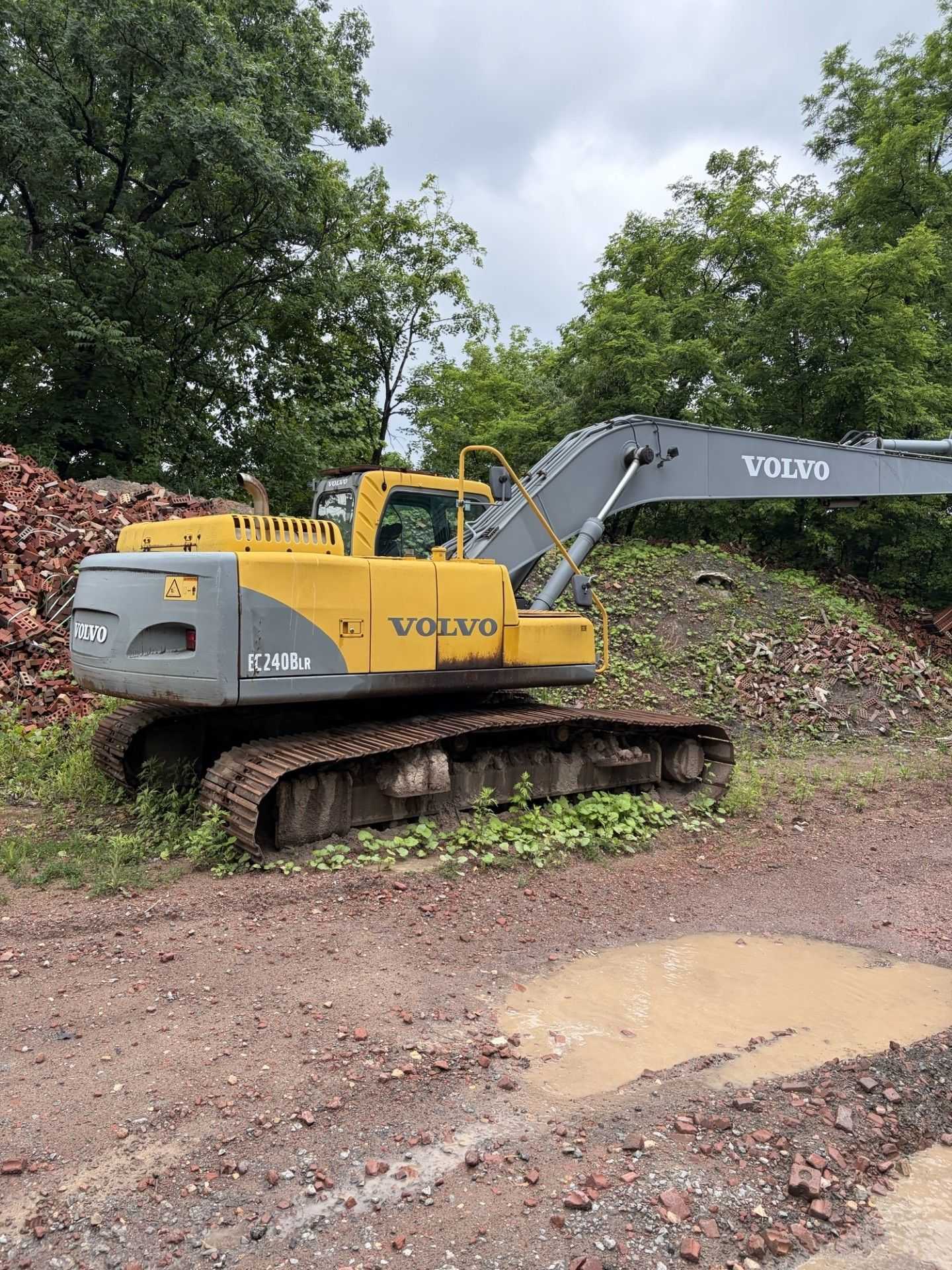
2004 Volvo EC240BLR Long Reach Crawler Excavator, 180HP, 60 ft Reach, Bucket Included
$62,894
$1,042/moPennsylvania
Specifications & Market Value
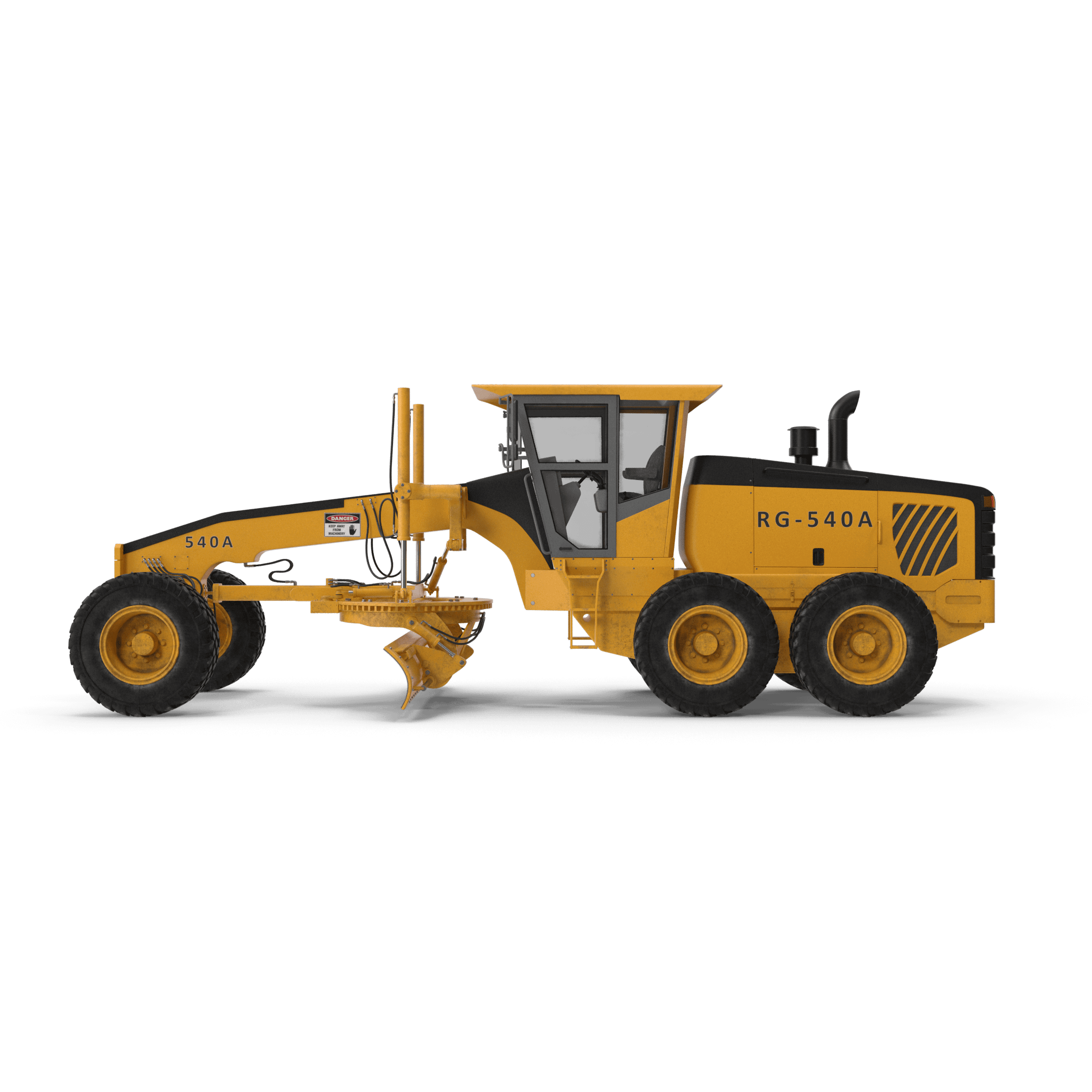
 Reference image
The 1990 Huber 883 Motor Grader is powered by a Komatsu 6V653 engine, a robust 6-cylinder diesel known for reliability and performance in heavy-duty applications. This engine delivers between 165 hp and 218 hp, depending on the specific configuration, operating at 2,100 rpm. The grader’s operating weight ranges from approximately 27,624 lb to 41,667 lb, varying with model and setup. The moldboard width typically spans 12.1 to 14 feet, with a blade length of about 14 feet, providing substantial grading capacity. The transmission features dual-mode operation, offering selectable eco and power modes, and incorporates a torque converter with stall prevention technology for improved efficiency and control. The hydraulic system is a closed-center load-sensing design, enabling simultaneous operation of multiple circuits independent of engine speed. Additional features include blade lift cylinders with impact absorption, an air suspension operator seat for comfort, a rearview monitor system for enhanced visibility, and a hydraulic cooling fan with variable speed control based on engine temperature and load. The moldboard offers side shift capability, with maximum shoulder reach dependent on model and attachments. This configuration ensures high productivity, durability, and operator comfort, making the Huber 883 with Komatsu 6V653 engine well-suited for demanding grading tasks.
Specifications, market trends, and valuation estimates are compiled from manufacturer documentation, historical sales, and industry sources. While care is taken to ensure accuracy, this information is provided for reference purposes only and may contain errors or omissions. Users should independently verify all data before making buying or selling decisions. Valuations do not represent guaranteed transaction prices or binding offers, and Aucto assumes no liability for decisions made using this data.
Spot an error or missing detail? Help us keep our equipment guides accurate for the community.

 A+
A+ Auction Value
$13,875
 Range$2,500 – $20,000
 Sells in ~ 30 days
 Retail Value
—
Sells in ~ 180 days
Item functions as originally intended, shows signs of normal wear. Change the condition to see how it moves both values.
Marketplace

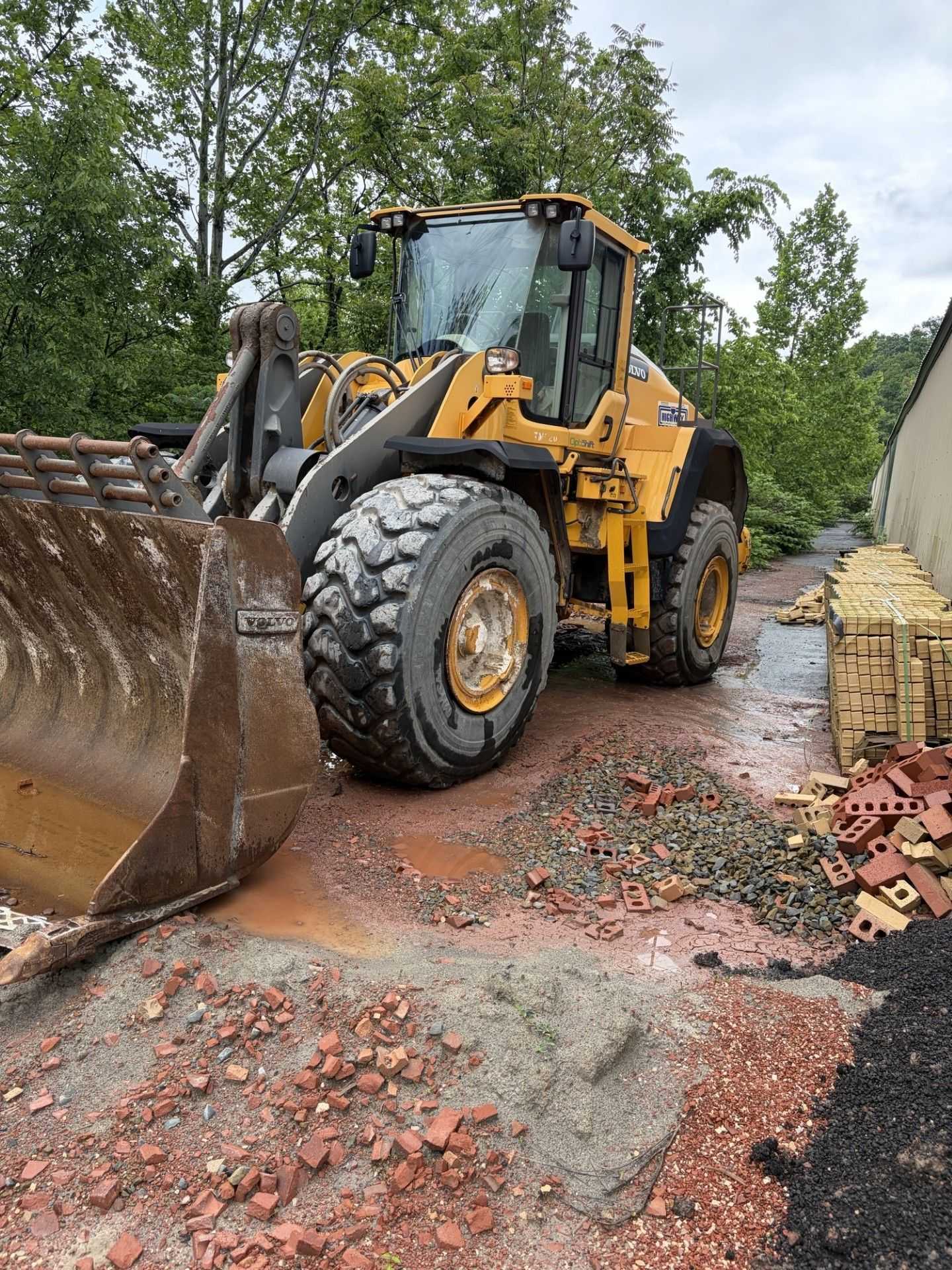
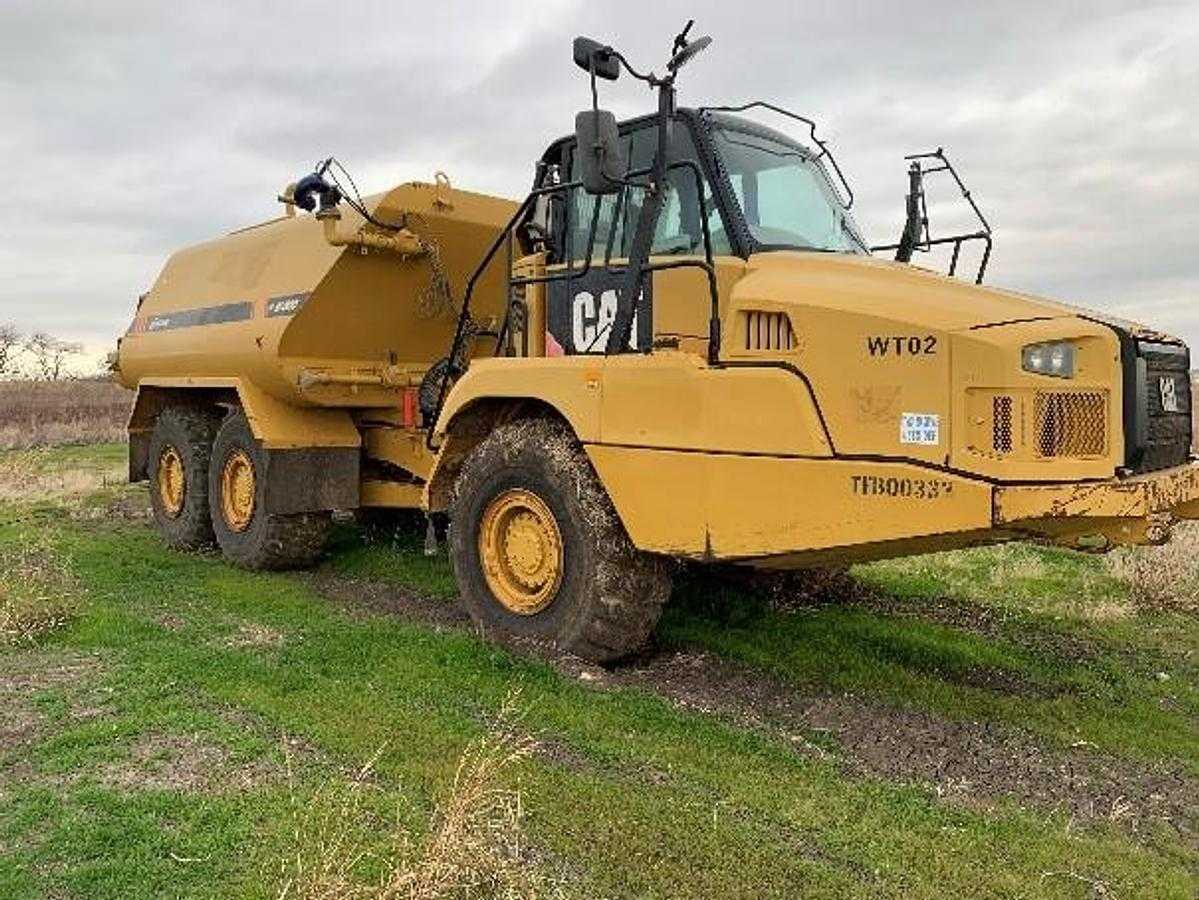
| Attribute | SelectedHUBER 883 MOTOR GRADERS | NEW HOLLAND RG80 MOTOR GRADERS | |
|---|---|---|---|
| OEM | HUBER | NEW HOLLAND | |
| Model | 883 | RG80 | |
| Year | - | - | |
| Operating Weight | 41,667.00 | 15,500.00 | |
| Blade Length | 14.33 ft | — | |
| Similarity | — | 95% | |
| Auction Value$2,500 - $20,000Retail Value— | Auction Value$5,000 - $30,000Retail Value— | |
| Current Machine | View Details |