Buy Now
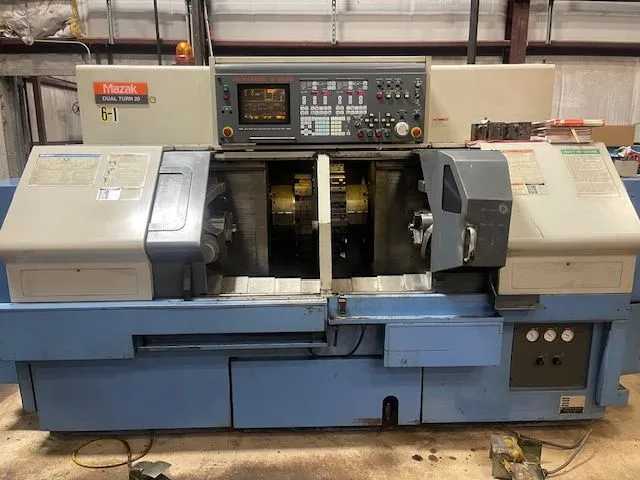
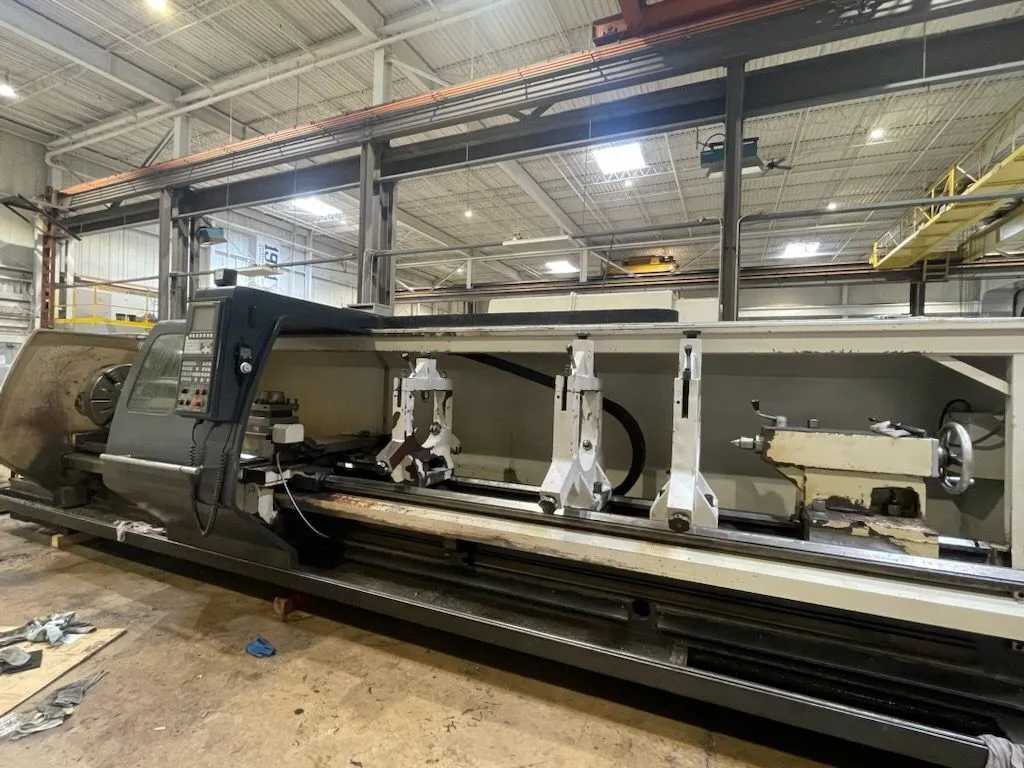
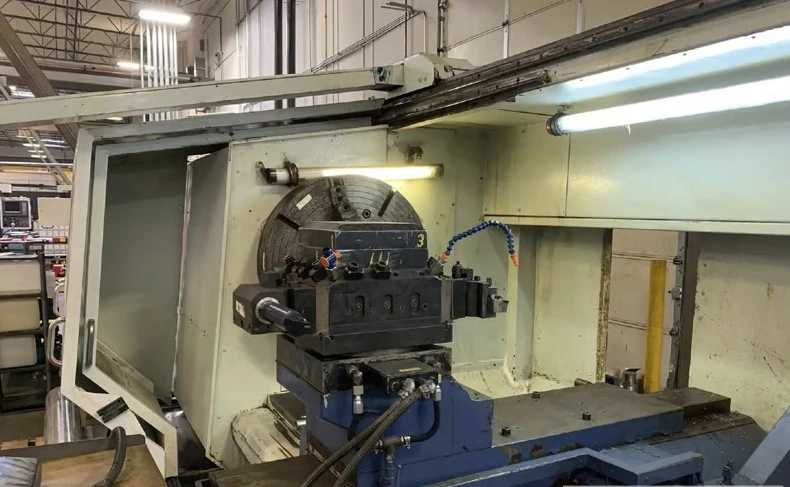
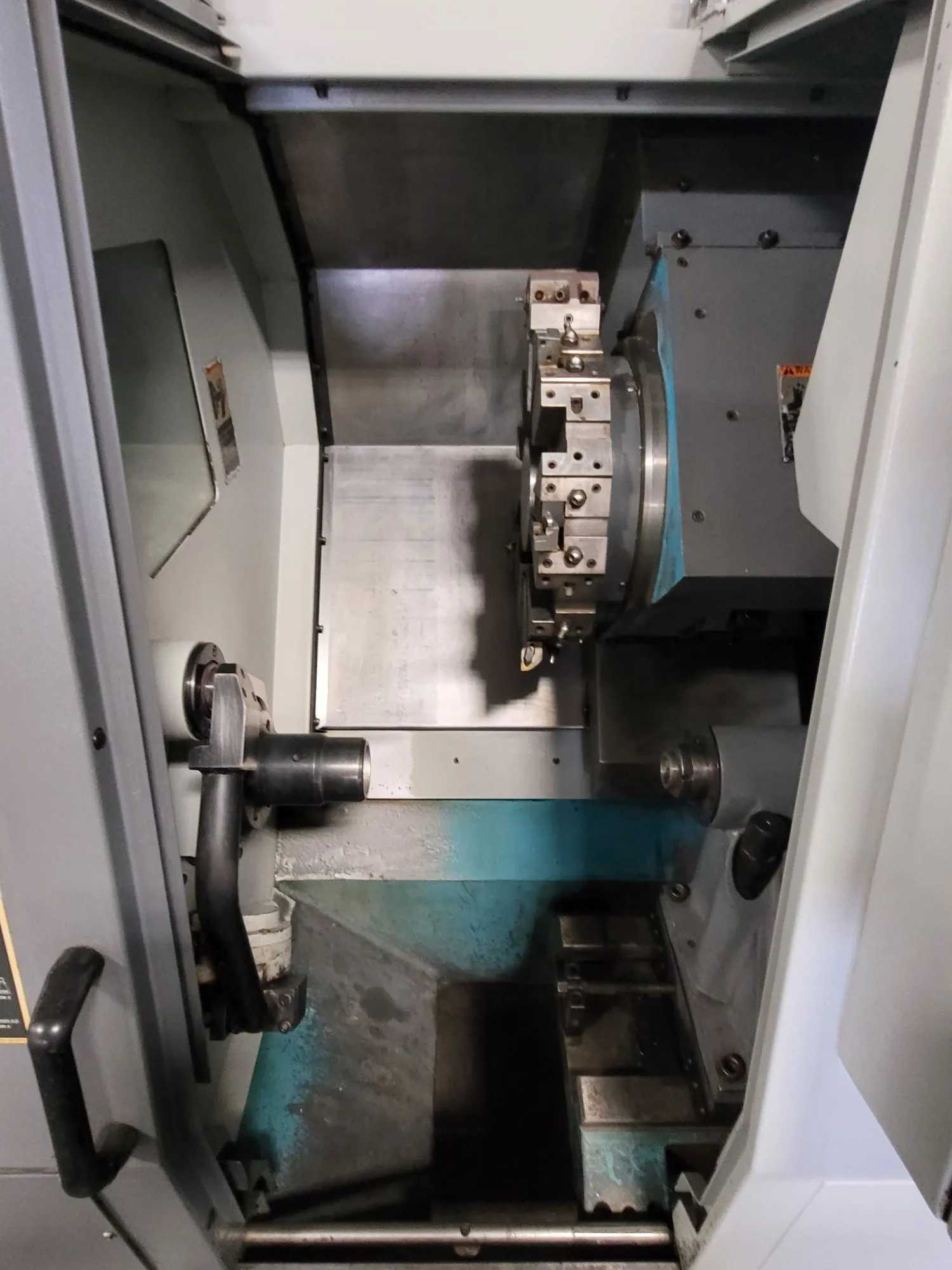
Hyundai-Kia SKT100 CNC Turning Center, 12 Pos. Turret, 6000RPM, 21.7" Swing, 8377lbs
$12,500
$207/moKentucky
Specifications & Market Value
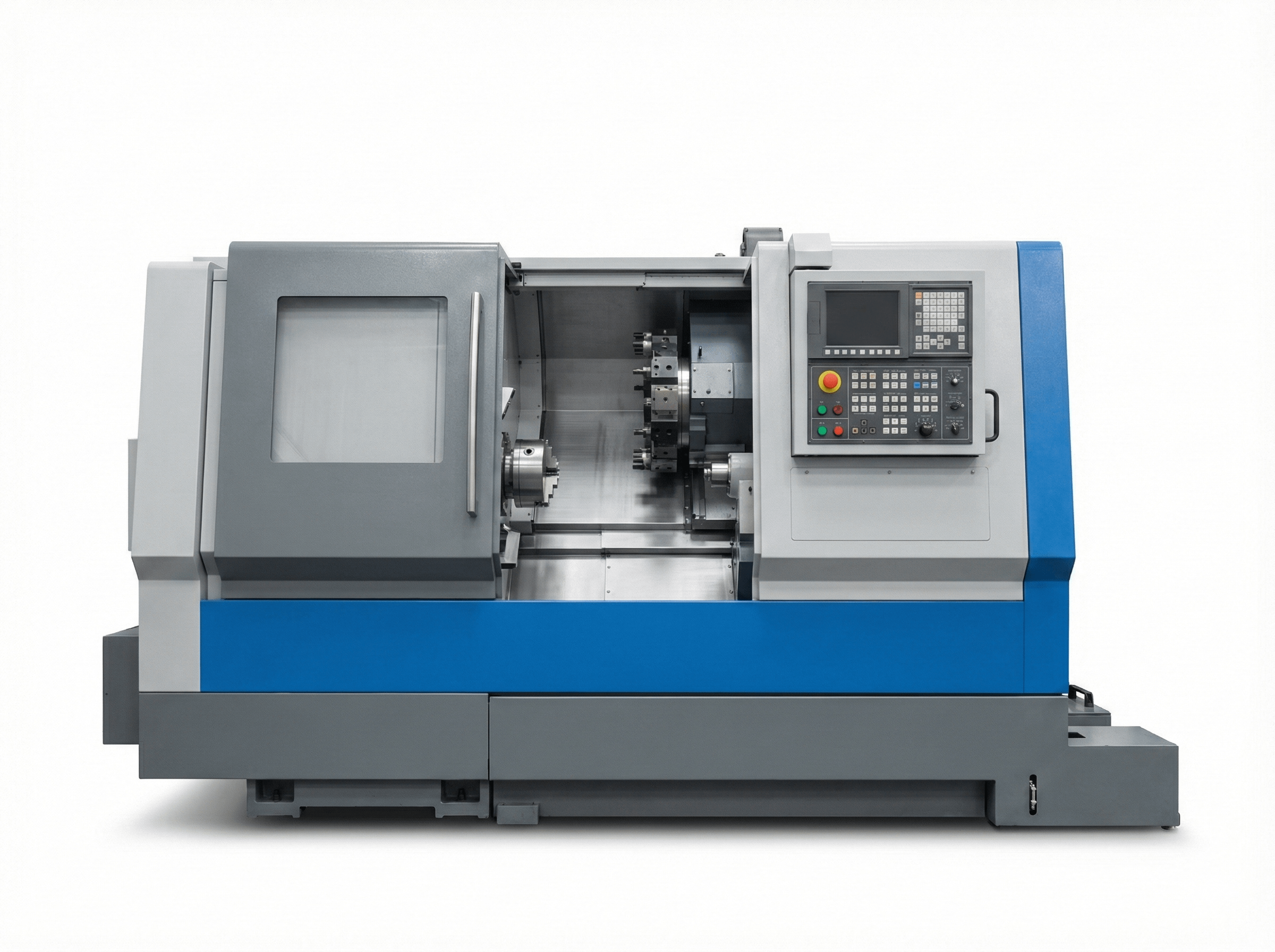
 Reference image
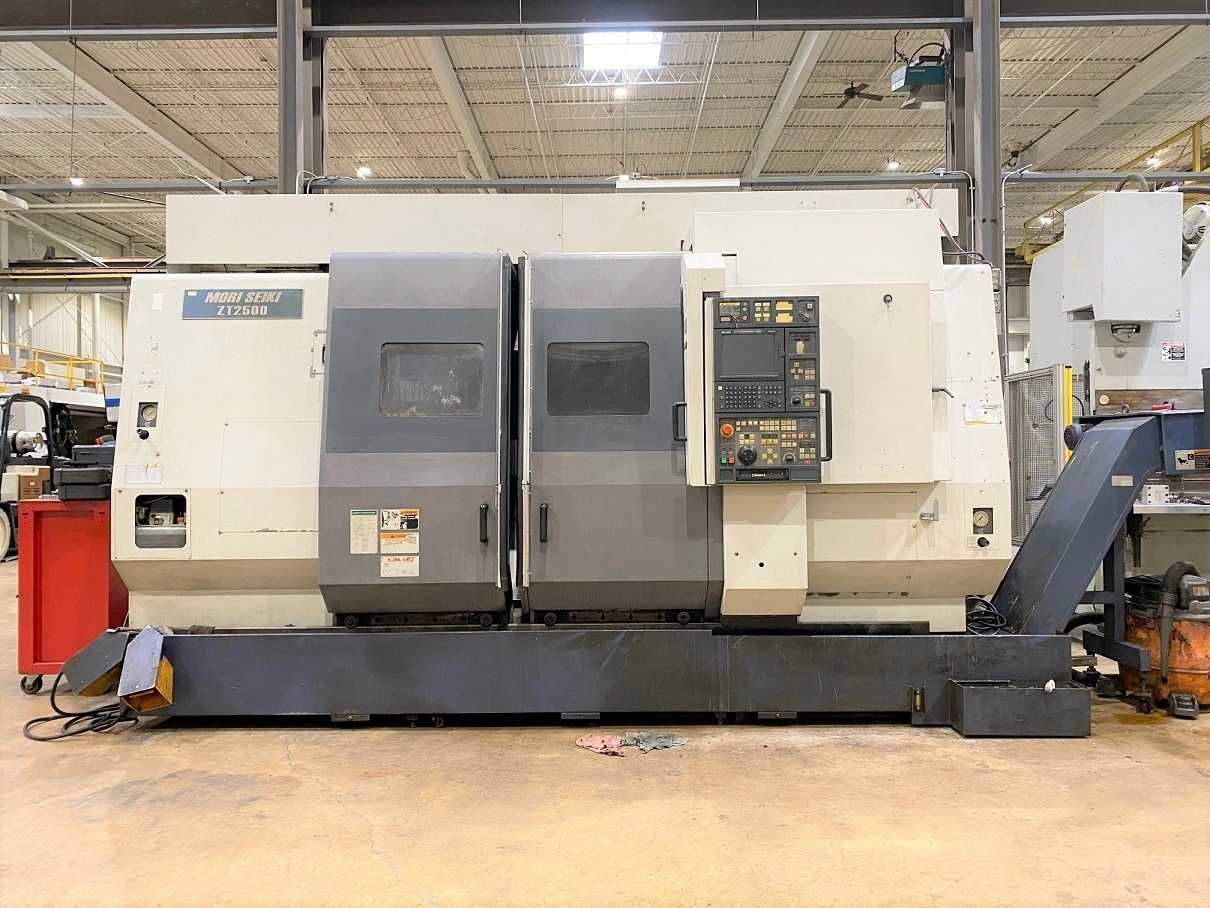
This industrial CNC lathe is engineered for high-precision turning operations on medium to large cylindrical workpieces. The machine features a robust 15-inch chuck capable of gripping bar stock up to 4.6 inches in diameter, while the maximum swing over bed of 30.7 inches accommodates substantial part geometries. The 5.12-inch spindle bore provides versatile tool compatibility for various applications including turning, threading, and facing operations. With a 10-position tool turret and an exceptionally fast 0.2-second single-step index rate, the machine delivers rapid tool changes to minimize production downtime. The X and Z axes travel distances of 12.6 and 47.2 inches respectively, enabling maximum turning lengths of 47.2 inches for extended workpieces. Rapid traverse rates of 787 IPM on the X-axis and 984 IPM on the Z-axis ensure efficient positioning between cutting sequences. The tailstock incorporates a 3.9-inch quill diameter with MT#4 taper compatibility, supporting up to 5.12 inches of quill travel and 43.3 inches of full tailstock travel along the bed. Weighing 18,739 pounds with substantial footprint dimensions of 158.2 x 84.9 x 86.7 inches, this machine provides the rigidity and stability necessary for consistent precision in high-volume production environments. The specification set indicates capability for tight tolerances and repeatability essential for aerospace, medical device, and automotive component manufacturing.
Specifications, market trends, and valuation estimates are compiled from manufacturer documentation, historical sales, and industry sources. While care is taken to ensure accuracy, this information is provided for reference purposes only and may contain errors or omissions. Users should independently verify all data before making buying or selling decisions. Valuations do not represent guaranteed transaction prices or binding offers, and Aucto assumes no liability for decisions made using this data.
Spot an error or missing detail? Help us keep our equipment guides accurate for the community.

 A+
A+ Auction Value
$27,425
 Range$5,000 – $39,500
 Sells in ~ 30 days
 Retail Value
—
Sells in ~ 180 days
Item functions as originally intended, shows signs of normal wear. Change the condition to see how it moves both values.
| Attribute | SelectedHYUNDAI KIA SKT 400C CNC LATHE | HYUNDAI KIA SKT 300L CNC LATHE | |
|---|---|---|---|
| OEM | HYUNDAI KIA | HYUNDAI KIA | |
| Model | SKT 400C | SKT 300L | |
| Year | - | - | |
| Control System | FANUC 21I-TB | FANUC 0IT | |
| Z-Axis Travel | 47.20 '' | 53.00 '' | |
| X-Axis Travel | 12.60 '' | 14.00 '' | |
| Max Swing | 30.70 '' | 29.50 '' | |
| Spindle Bore Diameter | 5.12 '' | 3.54 '' | |
| Max Spindle Speed | 2000 RPM | 3000 RPM | |
| Similarity | — | 99% | |
| Auction Value$5,000 - $39,500Retail Value— | Auction Value$5,000 - $39,500Retail Value— | |
| Current Machine | View Details |
Marketplace