Buy Now
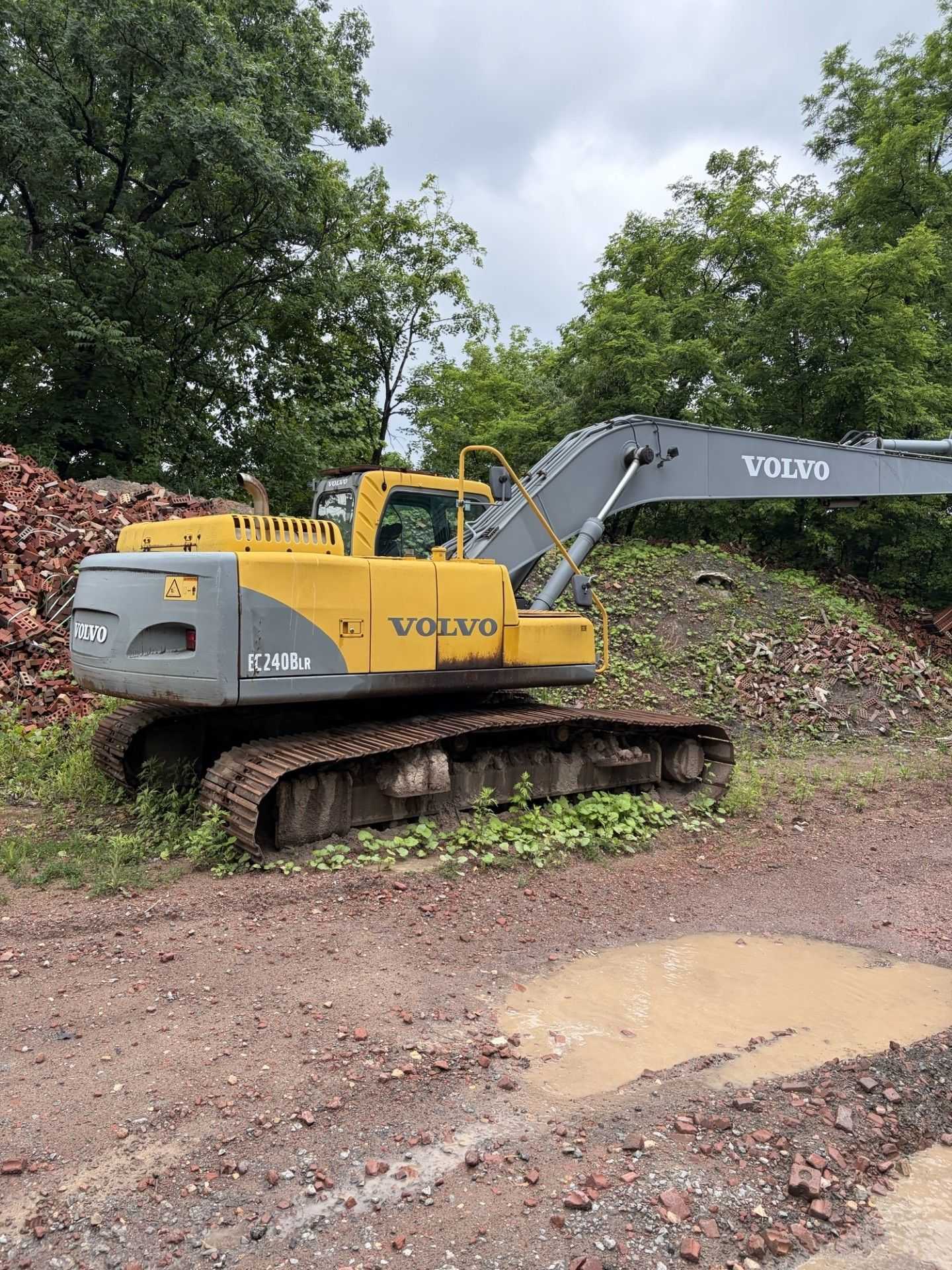
2004 Volvo EC240BLR Long Reach Crawler Excavator, 180HP, 60 ft Reach, Bucket Included
$62,894
$1,042/moPennsylvania
Specifications & Market Value
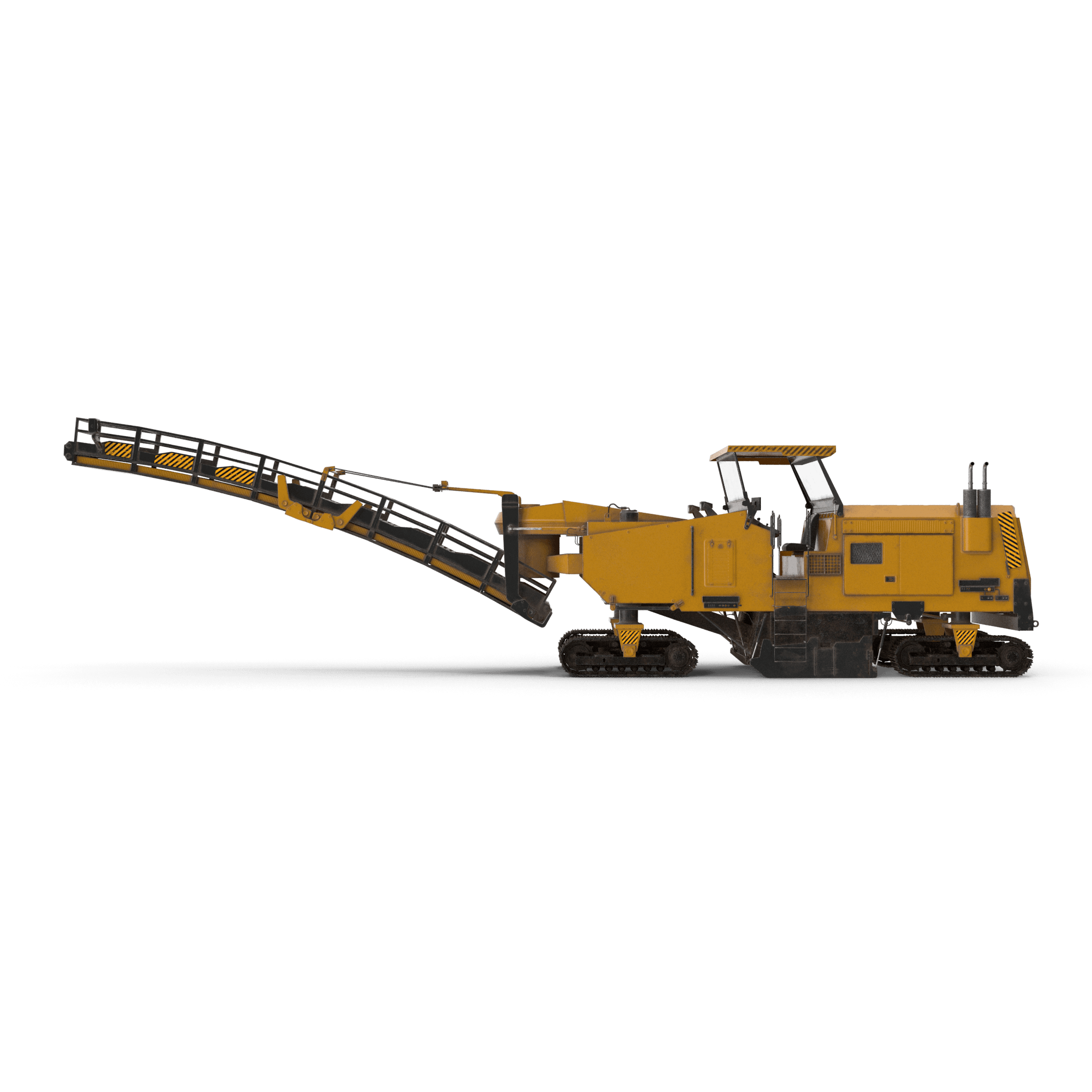
 Reference image
The Ingersoll Rand DD110 is a heavy-duty static smooth drum roller equipped with dual 78-inch-wide drums, designed for efficient compaction on various surfaces. It features a combustion-powered Cummins B3.9 engine delivering 125 horsepower at 2200 rpm, providing robust performance for demanding construction tasks. This inline four-cylinder, 3.9-liter turbocharged diesel engine offers a balance of power, torque, and reliability essential for vibratory compaction operations. The drum vibration frequency ranges from 1850 to 2500 vibrations per minute (vpm), allowing optimized soil and asphalt settlement. The machine’s operating width is 87.2 inches with a turning radius inside of 152.4 inches, enabling manageable maneuverability in confined areas. Weighing 25,315 pounds, the DD110 achieves effective ground contact pressure for consistent compaction results. It operates at speeds from 0 to 7.9 mph, providing versatility in project pacing. The unit’s overall length is approximately 222.5 inches. The engine is designed with mechanical fuel injection and meets Tier 2 emissions standards, ensuring efficient fuel use and compliance with environmental regulations. The compact design of the drum roller is suitable for a range of paving and compaction applications, such as road construction and foundation work. Its vibration isolated operator platform enhances user comfort by reducing fatigue during extended operation. The DD110’s rugged build and hydraulic drive system enable stable, reliable performance in diverse working conditions. Overall, the Ingersoll Rand DD110 is engineered for high productivity and durability in smooth drum compaction tasks.
Specifications, market trends, and valuation estimates are compiled from manufacturer documentation, historical sales, and industry sources. While care is taken to ensure accuracy, this information is provided for reference purposes only and may contain errors or omissions. Users should independently verify all data before making buying or selling decisions. Valuations do not represent guaranteed transaction prices or binding offers, and Aucto assumes no liability for decisions made using this data.
Spot an error or missing detail? Help us keep our equipment guides accurate for the community.

 A+
A+ Auction Value
$10,950
 Range$2,500 – $15,500
 Sells in ~ 30 days
 Retail Value
—
Sells in ~ 180 days
Item functions as originally intended, shows signs of normal wear. Change the condition to see how it moves both values.
| Attribute | SelectedINGERSOLL RAND DD110 STATIC SMOOTH DRUM ROLLER | INGERSOLL RAND DD110HF STATIC SMOOTH DRUM ROLLER | |
|---|---|---|---|
| OEM | INGERSOLL RAND | INGERSOLL RAND | |
| Model | DD110 | DD110HF | |
| Year | - | - | |
| Drum Width | 78 '' | 78 '' | |
| Similarity | — | 99% | |
| Auction Value$2,500 - $15,500Retail Value— | Auction Value$5,000 - $32,000Retail Value— | |
| Current Machine | View Details |
Marketplace