Buy Now
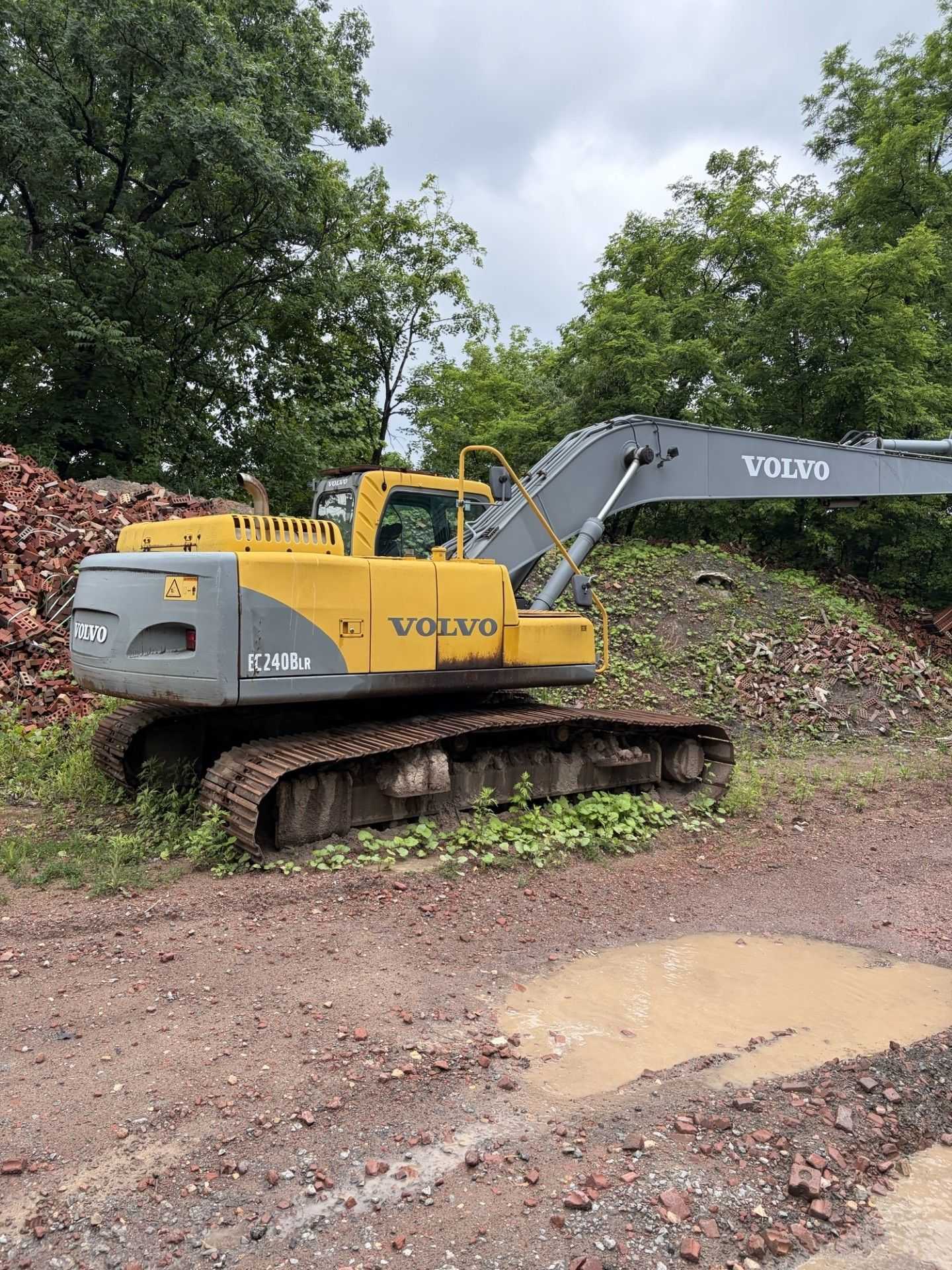
2004 Volvo EC240BLR Long Reach Crawler Excavator, 180HP, 60 ft Reach, Bucket Included
$62,894
$1,042/moPennsylvania
Specifications & Market Value
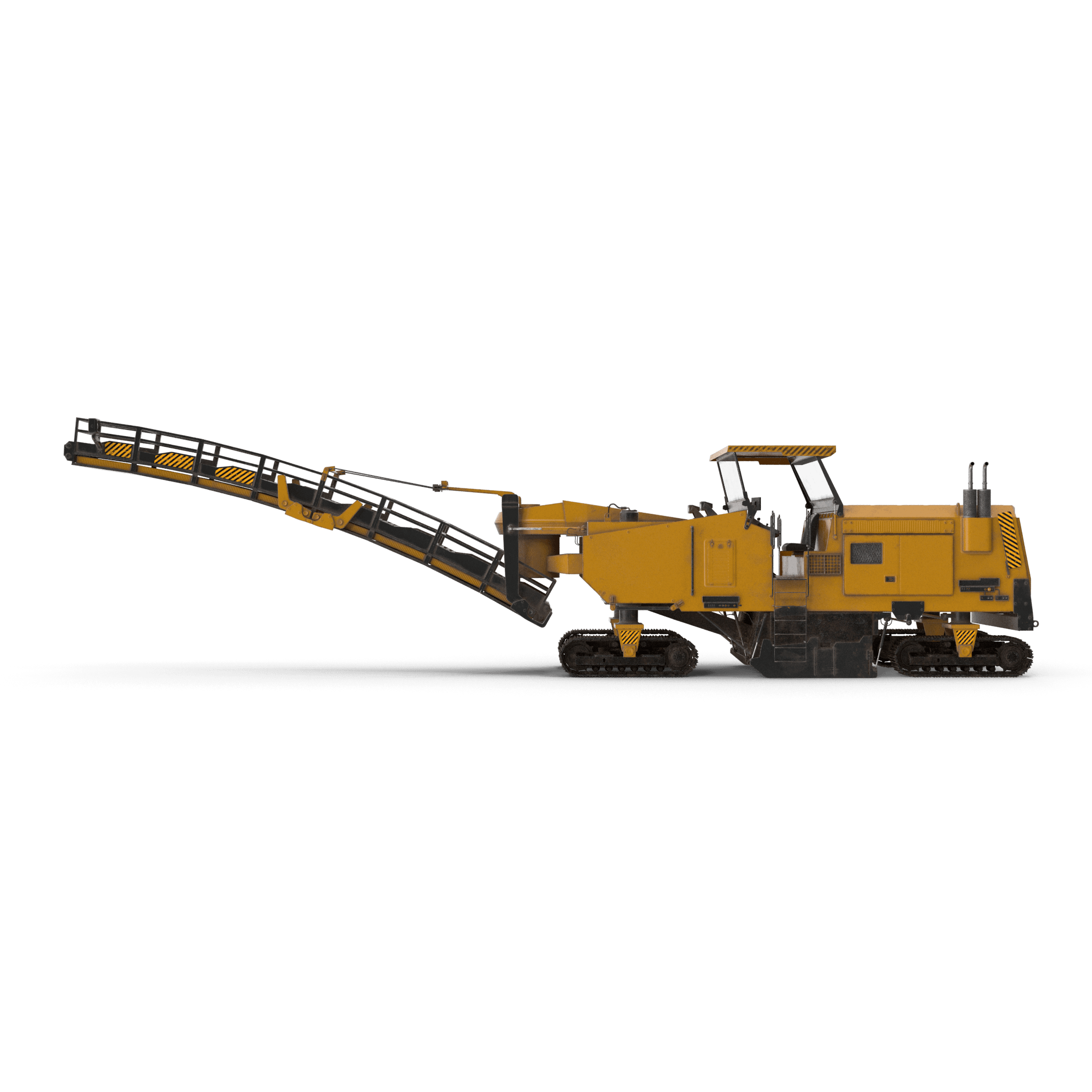
 Reference image
The Ingersoll Rand SD-40D is a robust smooth drum vibratory compactor designed for efficient soil and asphalt compaction. It features a 54-inch wide steel drum with a nominal shell thickness of 0.75 inches and a diameter of either 38 inches (965 mm) or 44.1 inches (1120 mm), providing a compact and uniform roller surface. The drum operates at a vibration frequency of 1800 vibrations per minute (vpm), generating a centrifugal force of 16,000 lbs (71.2 kN) to ensure deep and effective compaction. Powered by an 80 hp John Deere diesel engine, the SD-40D offers reliable and fuel-efficient performance to handle a variety of compaction tasks. Its hydrostatic drive provides smooth and controllable machine movement, complemented by an inside turning radius of 104 inches and an outside turning radius of 158 inches, allowing effective maneuverability on site. The compactor has an operating width of 61 inches and a wheelbase of 95 inches, with a ground clearance of 13.4 inches suitable for uneven terrain. The machine features a robust rollover protective structure (ROPS) raising its overall height to 115 inches, ensuring operator safety. The articulation angle is ±40° with an oscillation angle of ±10°, improving ground contact and operator comfort on slopes up to a theoretical gradeability of 56%. Fuel and hydraulic oil capacities are 27 and 29 gallons respectively, supporting extended operation without frequent refueling. Overall dimensions measure approximately 157 inches in length, making the SD-40D a maneuverable yet powerful compactor ideal for a range of road-building and soil compaction projects.
Specifications, market trends, and valuation estimates are compiled from manufacturer documentation, historical sales, and industry sources. While care is taken to ensure accuracy, this information is provided for reference purposes only and may contain errors or omissions. Users should independently verify all data before making buying or selling decisions. Valuations do not represent guaranteed transaction prices or binding offers, and Aucto assumes no liability for decisions made using this data.
Spot an error or missing detail? Help us keep our equipment guides accurate for the community.

 A+
A+ Auction Value
$13,125
 Range$5,000 – $17,500
 Sells in ~ 30 days
 Retail Value
—
Sells in ~ 180 days
Item functions as originally intended, shows signs of normal wear. Change the condition to see how it moves both values.
Marketplace

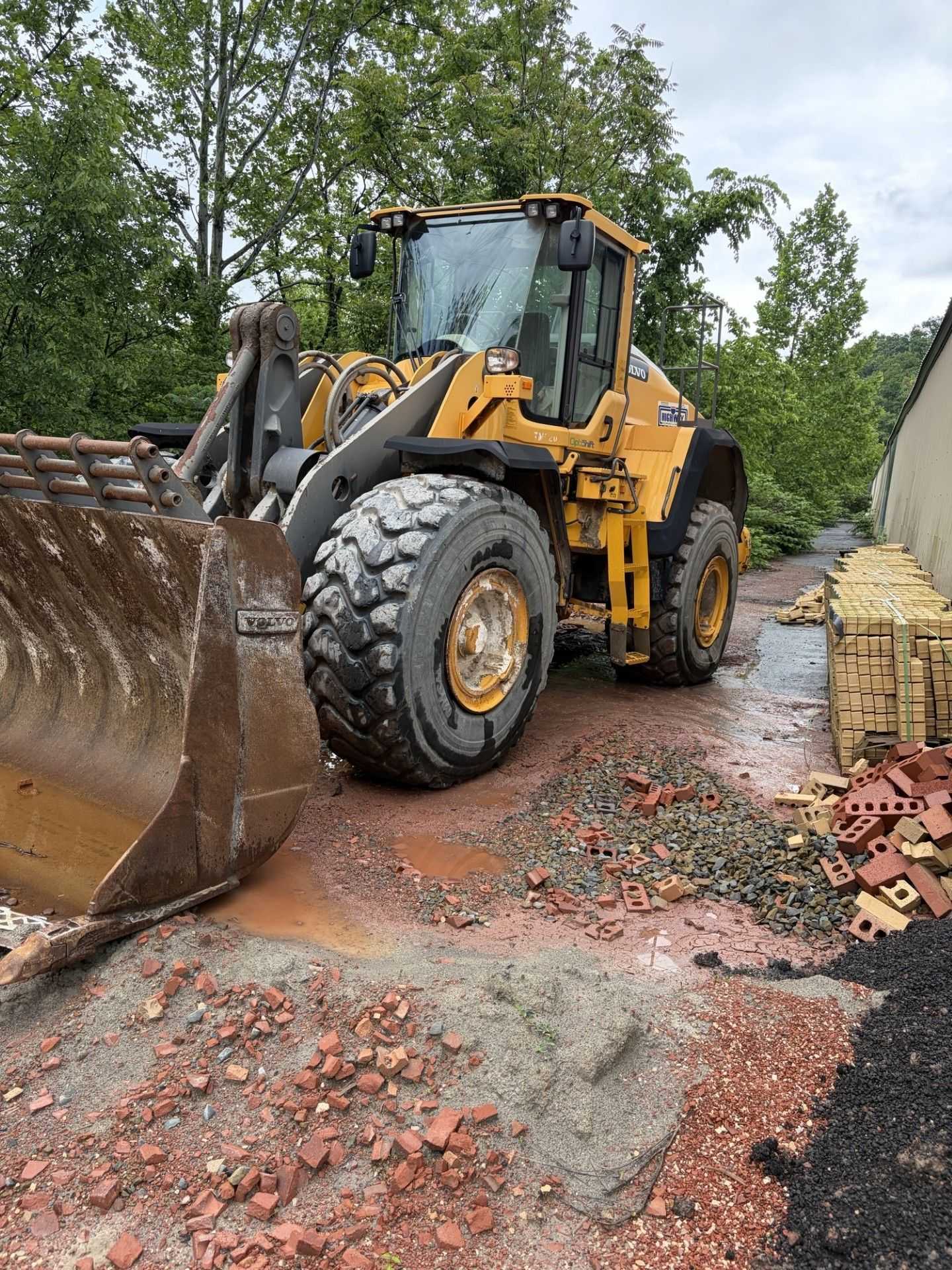
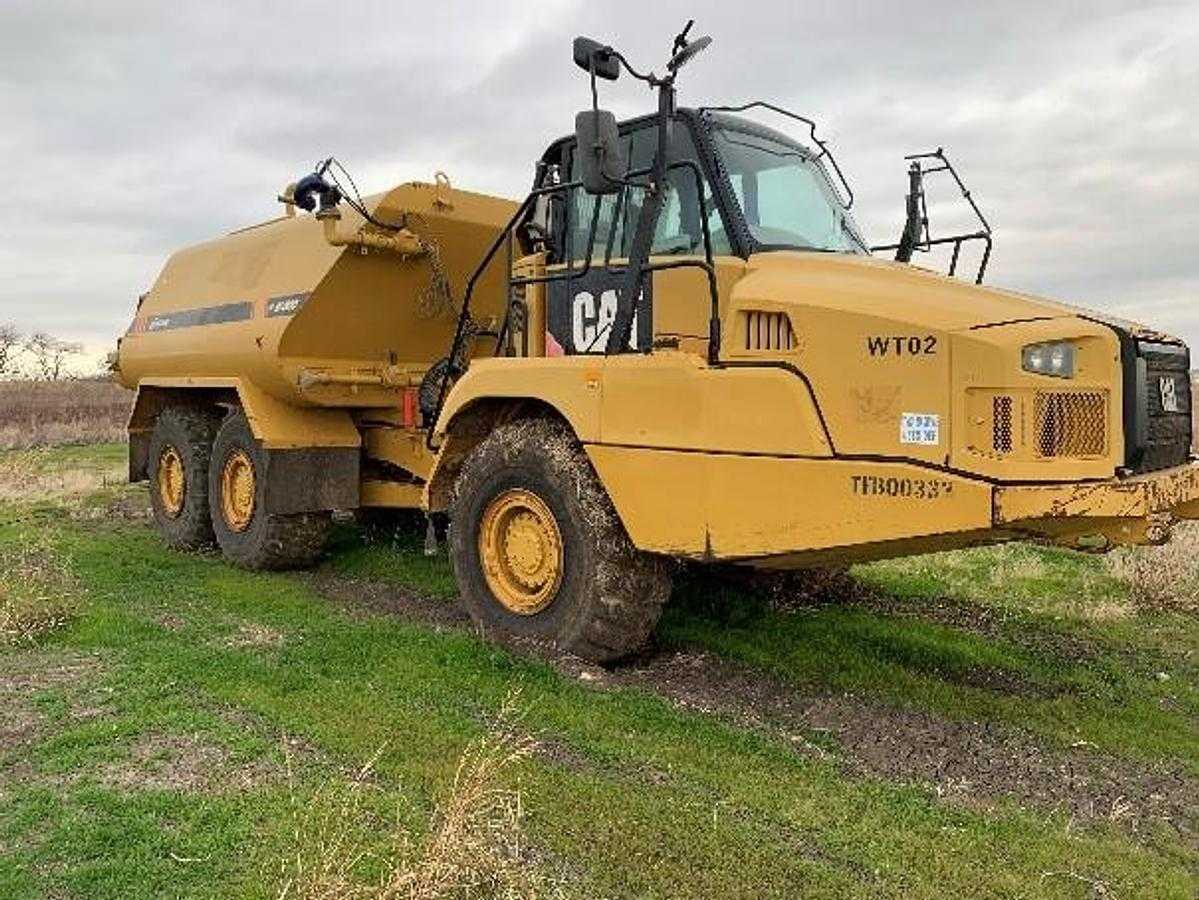
| Attribute | SelectedINGERSOLL RAND SD-40D STATIC SMOOTH DRUM ROLLER | INGERSOLL RAND SD-40F STATIC SMOOTH DRUM ROLLER | |
|---|---|---|---|
| OEM | INGERSOLL RAND | INGERSOLL RAND | |
| Model | SD-40D | SD-40F | |
| Year | - | - | |
| Drum Width | 54 '' | 54 '' | |
| Similarity | — | 99% | |
| Auction Value$5,000 - $17,500Retail Value— | Auction Value$2,500 - $12,960Retail Value— | |
| Current Machine | View Details |