JCB JZ140 CRAWLER EXCAVATOR
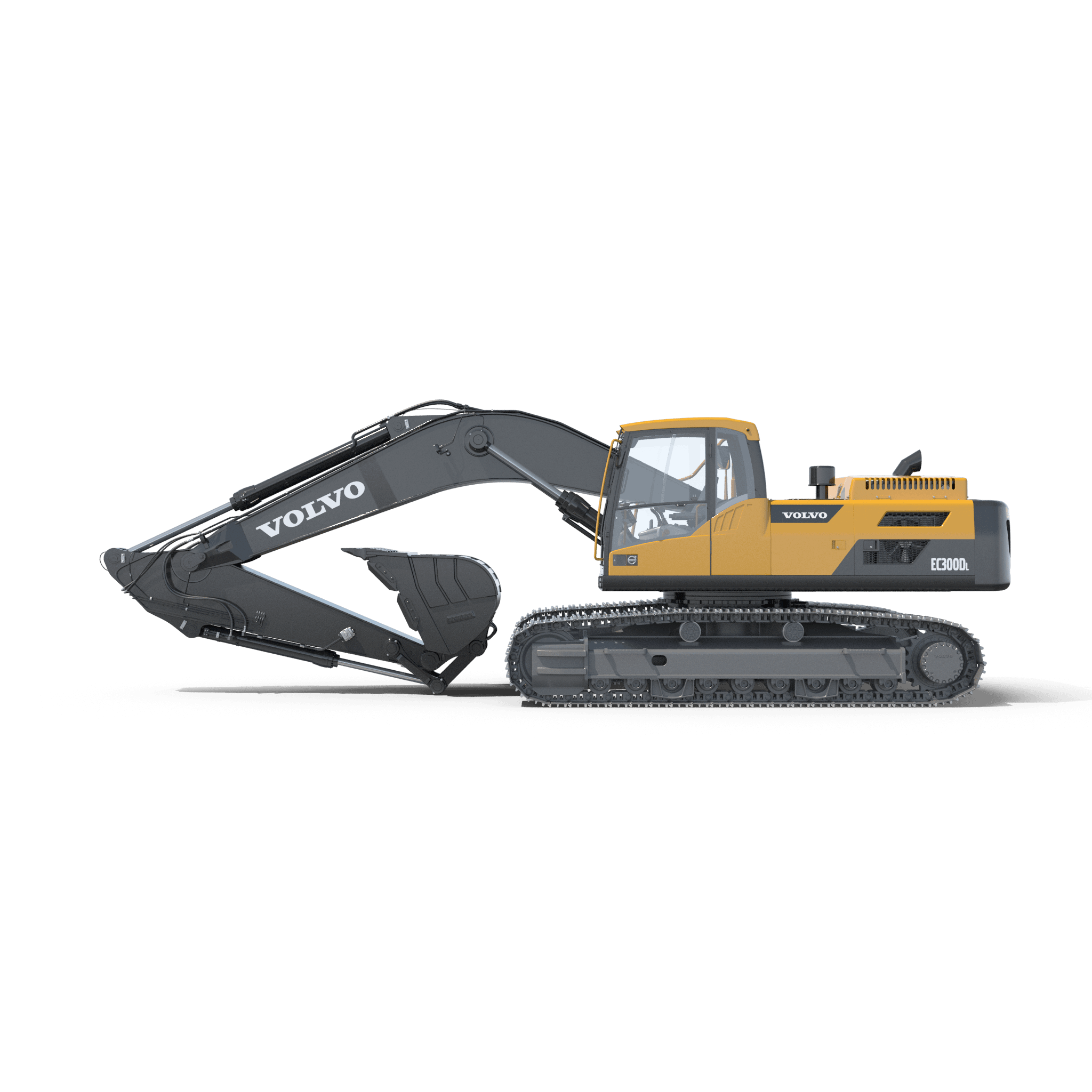
Equipment Overview
Share Link- OEM
- JCB
- Model
- JZ140
- Year of Manufacture
- -
- Category
- CRAWLER EXCAVATORS
Market Value Calculator
A+Technical Description
The JCB JZ140 is a high-performance, reduced tailswing tracked excavator engineered for maximum productivity and versatility in demanding environments. Featuring a robust turbocharged Isuzu A4BGIT engine with 264 cu in displacement, it delivers 97.6 hp (72 kW) at 2100 rpm, ensuring reliable power for all excavation tasks. The machine is equipped with a 24-volt electrical system, a 40-amp alternator, and a hydraulic system capable of 32 gpm flow with a relief valve pressure of 4554 psi, supporting efficient operation of attachments. The JZ140 offers three boom/stick configurations, providing maximum cutting heights from 29 to 30.9 ft, digging depths from 17 to 19.9 ft, loading heights from 21.1 to 23 ft, and reach along the ground from 25.7 to 28.5 ft. The bucket capacity ranges from 0.5 to 1.1 cu yd, with a reference capacity of 1.1 cu yd. The undercarriage features a 6.5 ft track gauge, 20 in shoes, and a ground pressure of 6.7 psi, ensuring stability and low ground disturbance. With a maximum travel speed of 3.3 mph, a swing speed of 12.8 rpm, and a drawbar pull of 29,225 lbs, the JZ140 excels in both mobility and digging force. The operating weight is 31,817 lbs, and the machine’s compact dimensions, including a shipping length of 22.9 to 23 ft and a height of 9.4 ft, facilitate easy transport and maneuverability in confined spaces.
Technical Attributes
- Boom Length
- 15.4 ft
- Max Reach
- 27.00 ft
- Max Digging Depth
- 17.0 ft
Data Accuracy and Verification
Specifications and technical details are compiled from manufacturer documentation, historical records, and third-party industry sources. While care is taken to ensure accuracy, this information is provided for reference purposes only and may contain errors or omissions. Users should independently verify all details before relying on them.
If you identify any inaccuracies, please help us improve our data by reporting them here.