JOHNFORD - ROUNDTOP MACHINERY COMPANY ST-40(60,OR70)A HORIZONTAL MACHINING CENTER
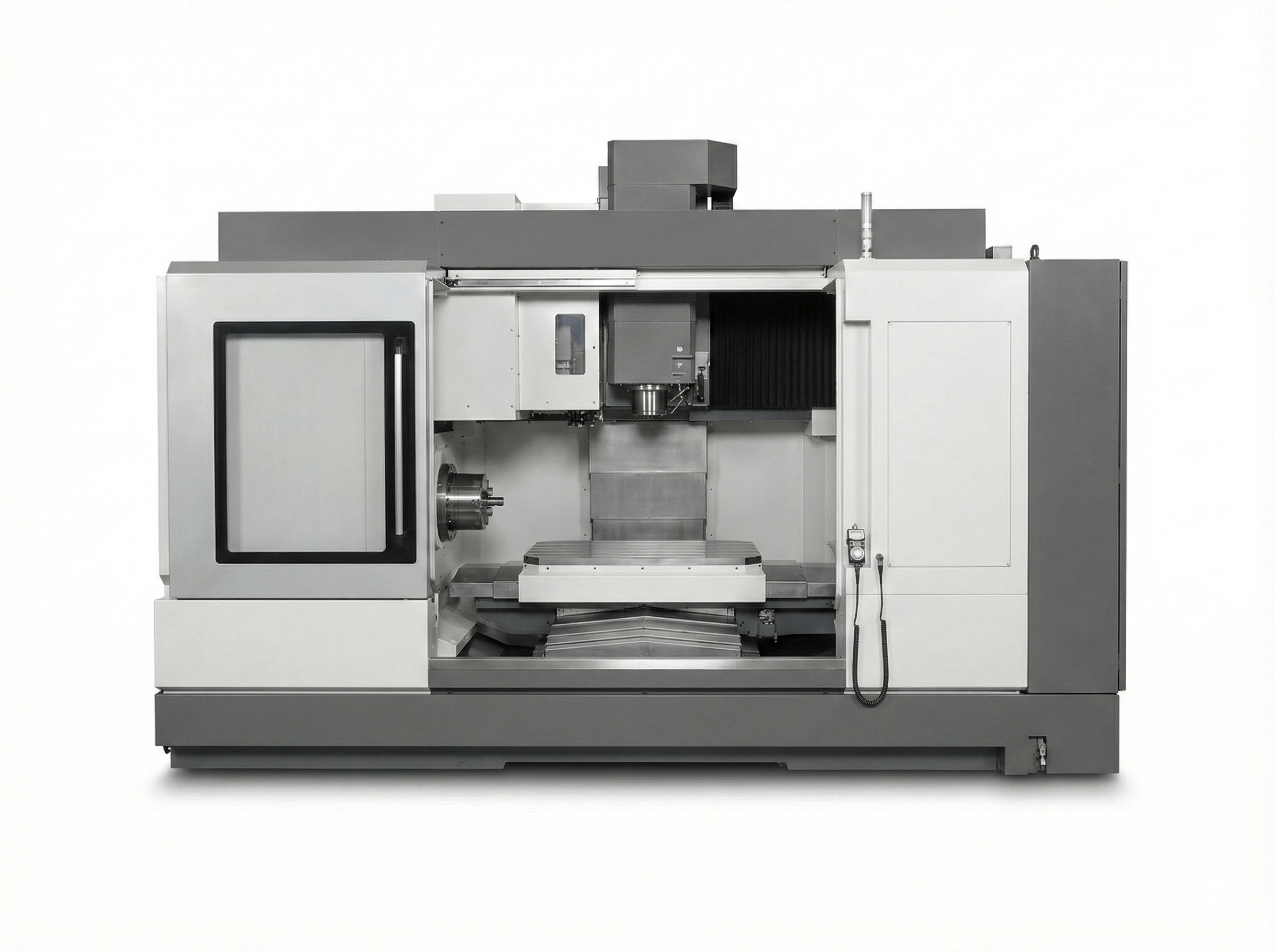
Equipment Overview
Share Link- OEM
- JOHNFORD - ROUNDTOP MACHINERY COMPANY
- Model
- ST-40(60,OR70)A
- Year of Manufacture
- -
- Category
- HORIZONTAL MACHINING CENTERS
Market Value Calculator
A+Technical Description
The JOHNFORD ROUNDTOP MACHINERY COMPANY ST-40(60, OR 70)A is a robust horizontal machining center designed for heavy-duty turning applications. It features a main spindle with a maximum turning diameter of 23.62" and a maximum turning length of 72.83", supported by a 12" spindle chuck and a maximum swing of 31.1". The spindle accepts bar stock up to 3.74" in diameter and operates at speeds up to 3,000 RPM with 35 HP power, optimized through a 2-4 speed gearbox for high torque at low speeds. The machine includes a single spindle setup with a turret tool carrier capable of holding up to 12 tools for both turning and rotary functions, with rotary tools capable of 5 HP at 4,000 RPM. It supports simultaneous cutting with one tool and offers 2-axis control with X-axis travel of 13.39" and Z-axis travel of 35.43", both with rapid traverse rates of 590 ipm, enabling efficient workpiece handling and cutting precision. The unit’s design likely incorporates Johnford’s characteristic 60° slant bed and rigid Meehanite iron casting for enhanced thermal stability and structural strength, optimized for precision and durability in production environments. This machine is suited for applications requiring substantial swing and length capacity combined with versatile tooling and robust spindle power. Additional features commonly associated with the ST series include hydraulic programmable tailstock, coolant systems, and chip conveyor integration for operational efficiency.
Technical Attributes
- X-Axis Travel
- 13.39 ''
- Spindle Power
- 35.00 HP
- Z-Axis Travel
- 35.43 ''
- # of Axes
- 2.00
- Max Spindle Speed
- 3,000.00
Data Accuracy and Verification
Specifications and technical details are compiled from manufacturer documentation, historical records, and third-party industry sources. While care is taken to ensure accuracy, this information is provided for reference purposes only and may contain errors or omissions. Users should independently verify all details before relying on them.
If you identify any inaccuracies, please help us improve our data by reporting them here.