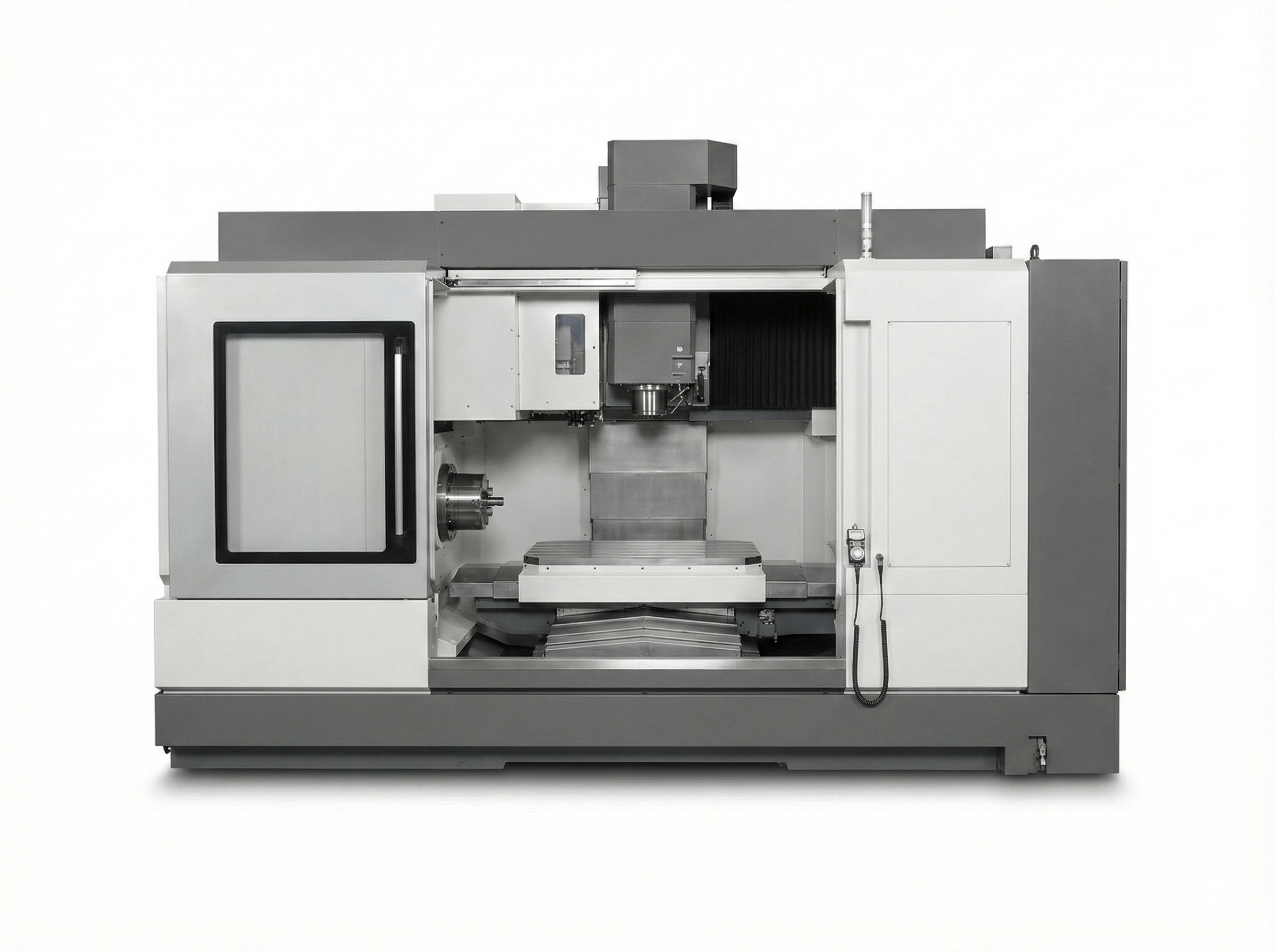
KNUTH BASIC 170 SUPER HORIZONTAL MACHINING CENTER
Equipment Overview
Share Link- OEM
- KNUTH
- Model
- BASIC 170 SUPER
- Year of Manufacture
- -
- Category
- HORIZONTAL MACHINING CENTERS
Market Value Calculator
A+Technical Description
The KNUTH BASIC 170 SUPER is a precision horizontal machining center with a robust design optimized for single-part production, repair, and training applications. It features a single main spindle with a maximum turning diameter of 13” (330 mm) over the bed and spindle speeds ranging from 70 to 2000 RPM, powered by a 2 HP motor for reliable cutting performance. The spindle bore measures 1.5” (38 mm) with a Camlock D1-4 mount and a 5 MT taper, ensuring compatibility with a wide range of tooling. It supports up to two simultaneous cutting tools, enhancing machining flexibility. The machine has a Z-axis travel of 4.0” (100 mm) and a compact footprint of approximately 73” x 27” x 52” (1.85 m x 0.7 m x 1.32 m), weighing around 700 kg. Its cast-iron bed with double V-guideways is hardened and precision ground for stability and accuracy. The headstock gears are hardened and ground, with an adjustable bearing to maintain spindle precision. Lubrication is managed via an oil bath for the main drive and feed gears. The machine includes features such as spindle speed control, unit conversion between inches and metric, coordinate display switching (ABS/INC), radius/diameter toggle, and a digital readout with position memory. Additional functions support hole circle pattern calculations and taper turning. The tailstock includes a 3 MT taper with a 4” quill stroke. Overall, the BASIC 170 SUPER offers high mechanical precision and ease of operation, suitable for diverse workshop environments requiring compact, reliable machining.
Technical Attributes
- Max Spindle Speed
- 2,000.00
- Spindle Power
- 2.00 HP
- Z-Axis Travel
- 4.00 ''
Data Accuracy and Verification
Specifications and technical details are compiled from manufacturer documentation, historical records, and third-party industry sources. While care is taken to ensure accuracy, this information is provided for reference purposes only and may contain errors or omissions. Users should independently verify all details before relying on them.
If you identify any inaccuracies, please help us improve our data by reporting them here.